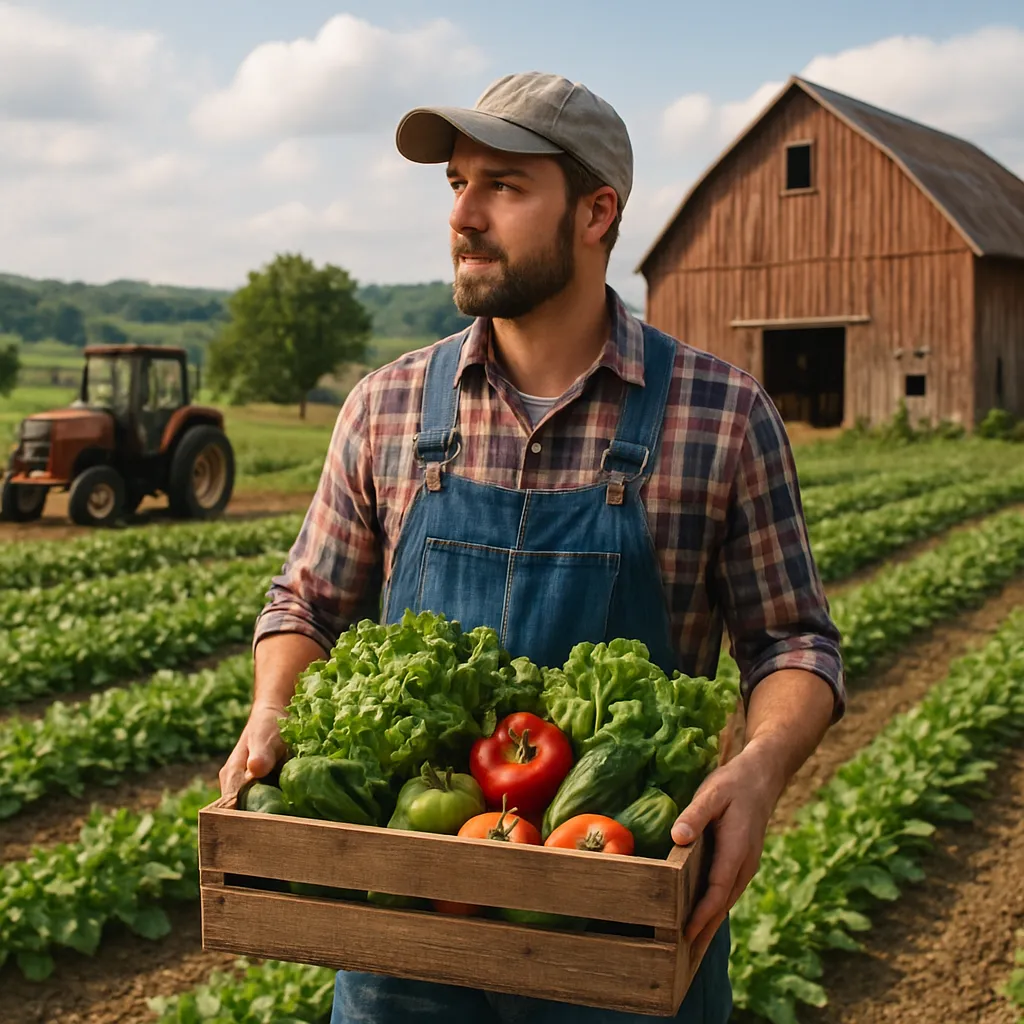
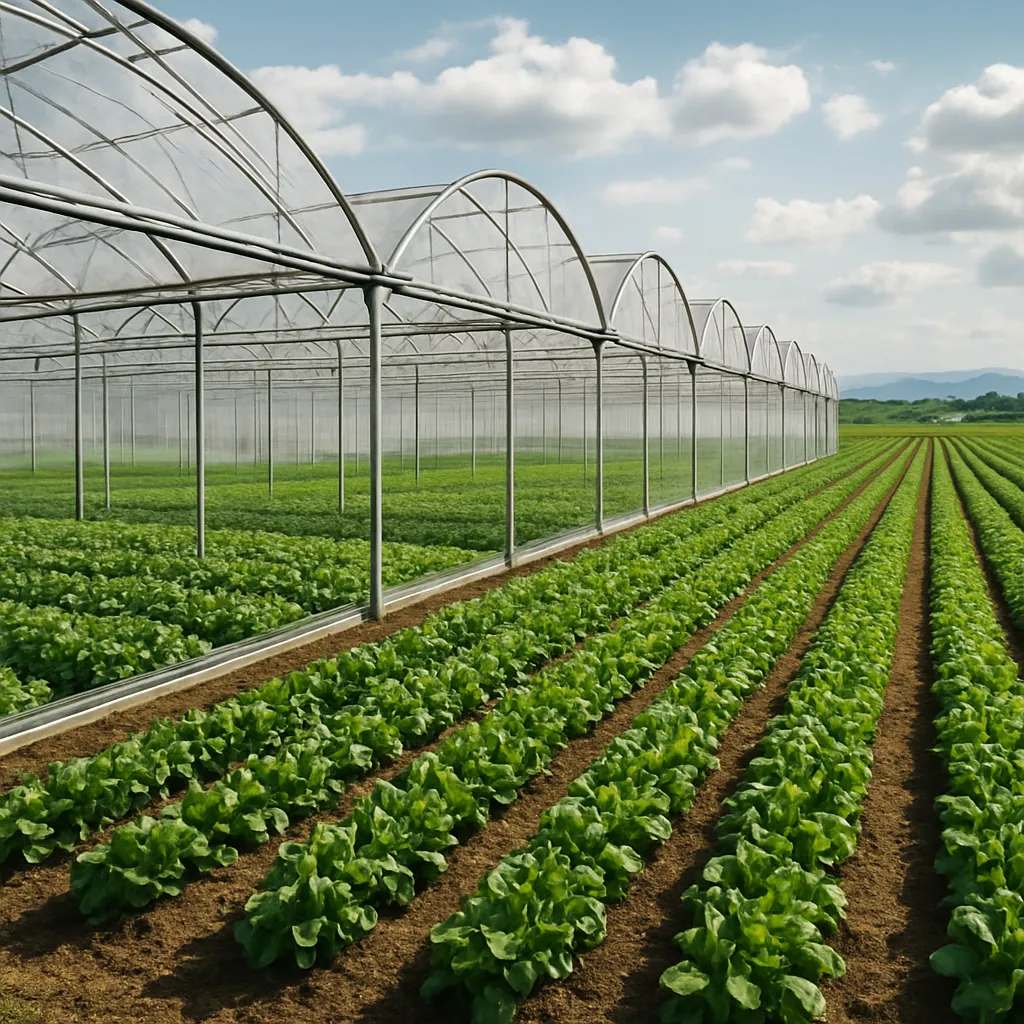
The escalating impacts of extreme weather events and shifting climatic patterns have compelled farmers worldwide to seek innovative strategies for securing agricultural productivity. By integrating agroecology into modern farming, agricultural landscapes can transform into dynamic, resource-efficient systems that harmonize with natural processes. This approach not only prioritizes soil regeneration and water conservation but also fosters diverse, resilient cropping systems. Embracing agro-ecological methods offers a pathway toward sustainability, unlocking the potential for smallholders and commercial operations alike to thrive in a warming world.
Agro-Ecological Principles for Farming Adaptation
At the heart of resilient agricultural design lies a set of core principles emphasizing the synergy between on-farm practices and ecological functions. These principles encourage the replacement of synthetic inputs with biological processes, creating a self-regulating environment. Farmers adopt techniques such as crop rotations, intercropping, and the introduction of nitrogen-fixing plants to sustain soils and reduce dependency on external fertilizers. Through these strategies, the soil’s natural fertility is rebuilt over time, granting fields greater capacity to withstand droughts, floods, and other climate-induced stresses.
Intercropping systems exemplify how blending multiple species in a single field can enhance biodiversity and reduce pest pressures. For instance, planting cereals alongside legumes can both diversify income streams and boost nitrogen availability within the root zone. Such design mimics natural ecosystems, where interactions among flora and fauna maintain balance and resilience. Moreover, diverse cropping patterns can impede the spread of pathogens, thereby mitigating yield losses without resorting to chemical pesticides.
Agroforestry represents another pillar of adaptation, integrating trees with crops or livestock. The presence of deep-rooted trees improves water infiltration and reduces soil erosion, while their canopies provide shade and habitat for beneficial organisms. Through the incorporation of fruit-bearing or timber species, farmers can generate additional revenue, diversifying household income and enhancing overall productivity even under erratic weather regimes.
By shifting from linear, input-intensive models to circular, biologically oriented systems, farming communities harness the cumulative benefits of living organisms. Soil microorganisms decompose organic residues into essential nutrients, while earthworms and other invertebrates aerate the ground, reinforcing its structure. This dynamic network of interactions supports long-term resilience by building soil organic matter and fostering natural pest regulation.
Biodiversity and Soil Health as Foundations for Resilience
Healthy soils teem with life, from bacteria and fungi to insects and earthworms, forming the foundation of agro-ecological productivity. Recognizing soil as a living ecosystem underscores the importance of maintaining its integrity. Cover cropping, green manures, and compost application are all techniques that replenish organic matter, locking carbon into the ground and improving water retention. This biological enrichment enables soils to absorb heavy rains, reducing runoff and preventing erosion during intense storms.
Landscape-level biodiversity extends beyond fields into hedgerows, riparian buffers, and wildflower strips. These refuges harbor pollinators and natural predators of crop pests. Establishing habitat corridors within and around farmlands ensures beneficial insects and birds can move freely, exerting top-down control on potential pest outbreaks. By preserving and restoring natural vegetation, farmers create buffer zones that diminish the spread of diseases and buffer microclimates against temperature extremes.
Key Soil Management Practices
- Cover Cropping: Planting fast-growing species to protect and enrich bare soil.
- Reduced Tillage: Minimizing soil disturbance to maintain structure and microbial networks.
- Organic Amendments: Applying compost or manure to boost nutrient availability.
- Contour Farming: Shaping fields along slopes to curb erosion and manage water flow.
Building healthy soils is a slow but rewarding endeavor. As organic matter levels increase, soil structure becomes more porous, facilitating deeper root penetration. Crops with deeper root systems can access moisture during dry spells, enhancing their ability to survive heatwaves or intermittent rainfall. This underground resilience often makes the difference between total crop failure and moderate yields in challenging seasons.
Water Management and Climate-Smart Practices
Water scarcity poses a critical threat in many regions, demanding efficient strategies that reconcile agricultural demands with limited supplies. Agro-ecological approaches emphasize on-site water harvesting and conservation techniques. For example, swales—shallow trenches dug along contour lines—capture runoff, allowing it to infiltrate slowly and recharge groundwater reserves. Similarly, planting drought-tolerant crop varieties and adjusting planting dates can dramatically improve water use efficiency.
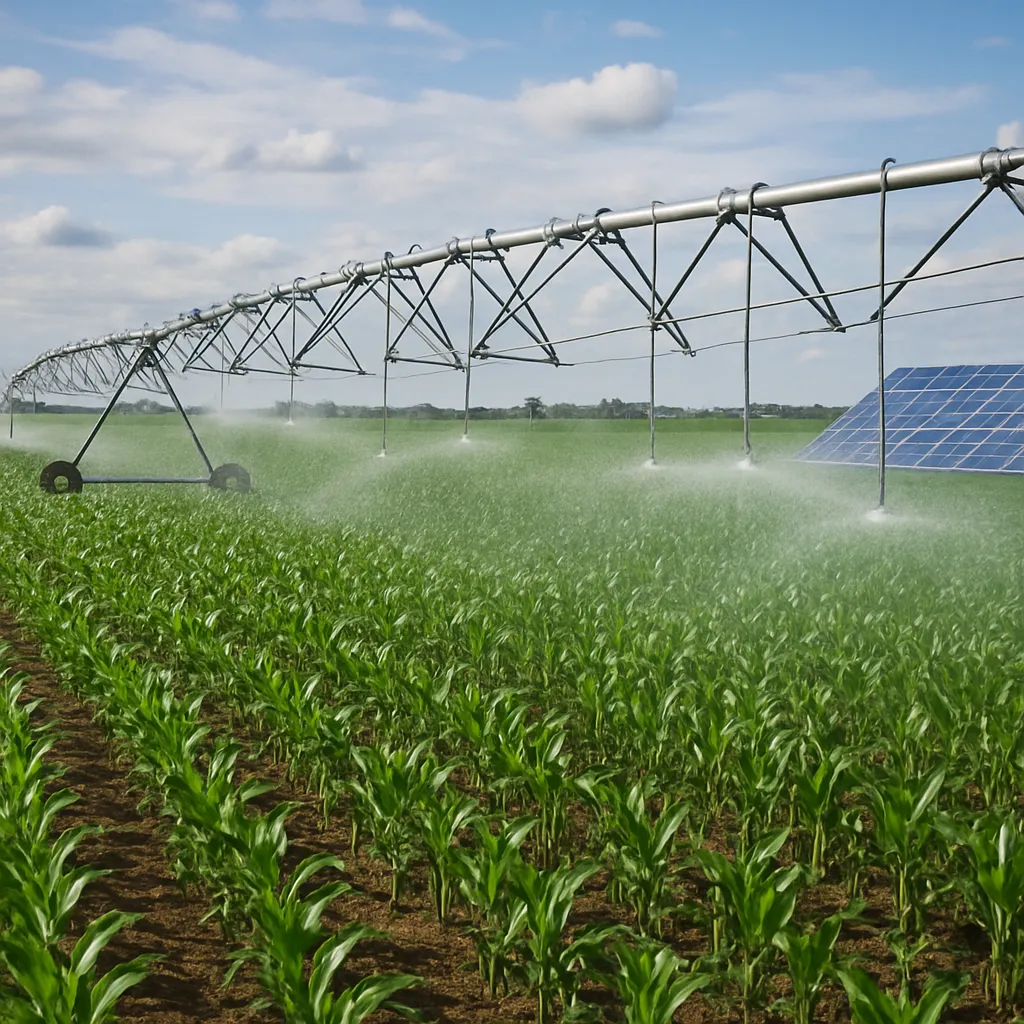
Mulching with crop residues or biodegradable films reduces surface evaporation, maintaining cooler soil temperatures and limiting weed competition. Farmers who adopt drip irrigation systems further cut water losses by delivering moisture directly to each plant’s root zone. Such systems can interface with solar-powered pumps, ensuring scalability in remote areas without reliable electricity.
Adaptive Irrigation and Forecasting
Integrating real-time weather data and local forecasts empowers farmers to schedule irrigation more precisely. Mobile applications and community-based weather stations offer localized information, reducing guesswork. In many agro-ecological projects, smallholder groups collaborate to share rainfall data, coordinate planting calendars, and collectively manage water storage structures.
When water is scarce, priority is given to high-value or high-risk crops, while less sensitive crops rely on rainfall alone. This strategic allocation enables optimal use of limited water resources, safeguarding staple yields. Moreover, rotating with leguminous cover crops helps improve soil moisture retention for the subsequent main season.
Community Engagement and Policy Integration
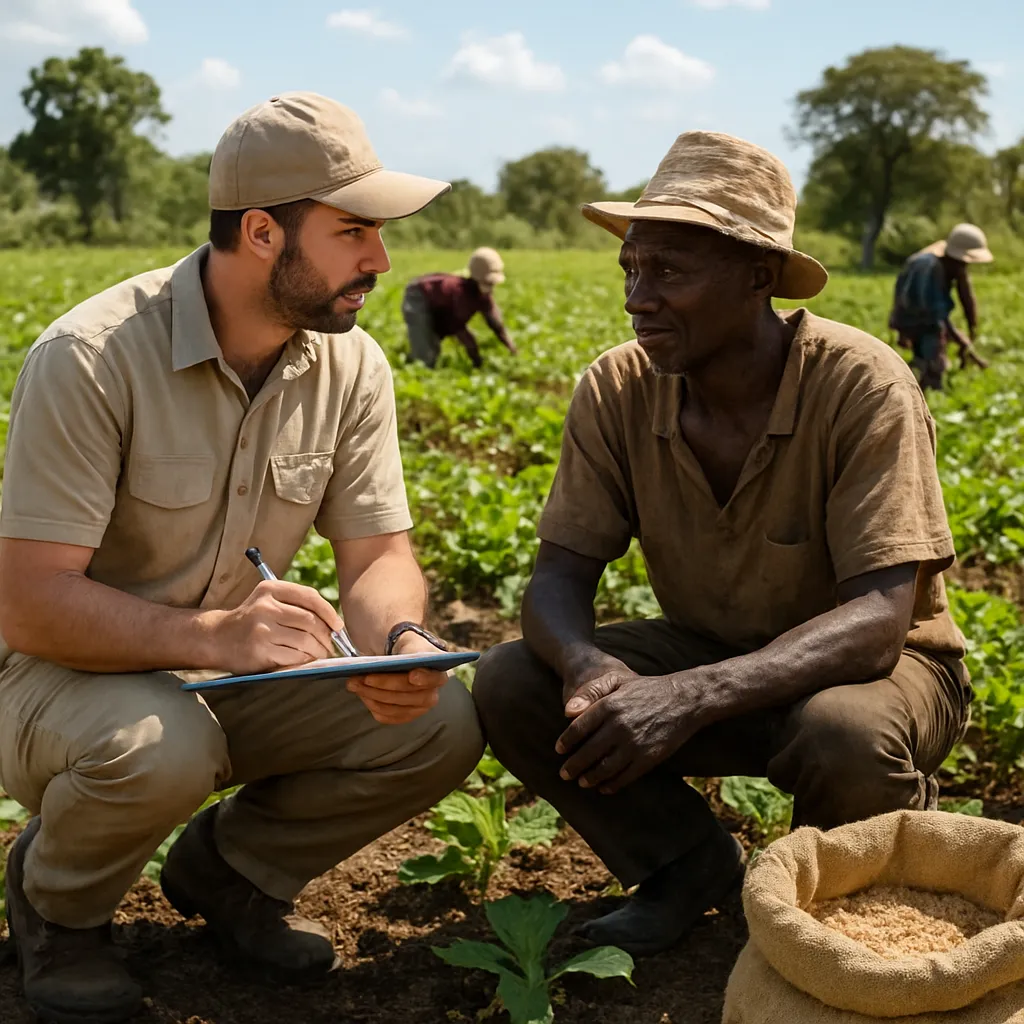
Effective scaling of agro-ecological innovations requires more than on-farm adjustments; it demands supportive policies and inclusive governance. Governments and NGOs play a pivotal role in promoting sustainable practices by offering incentives such as carbon credits, conservation grants, or technical assistance. Local extension services can bridge the knowledge gap, training farmers in participatory methods and field experiments that validate new approaches in real-world settings.
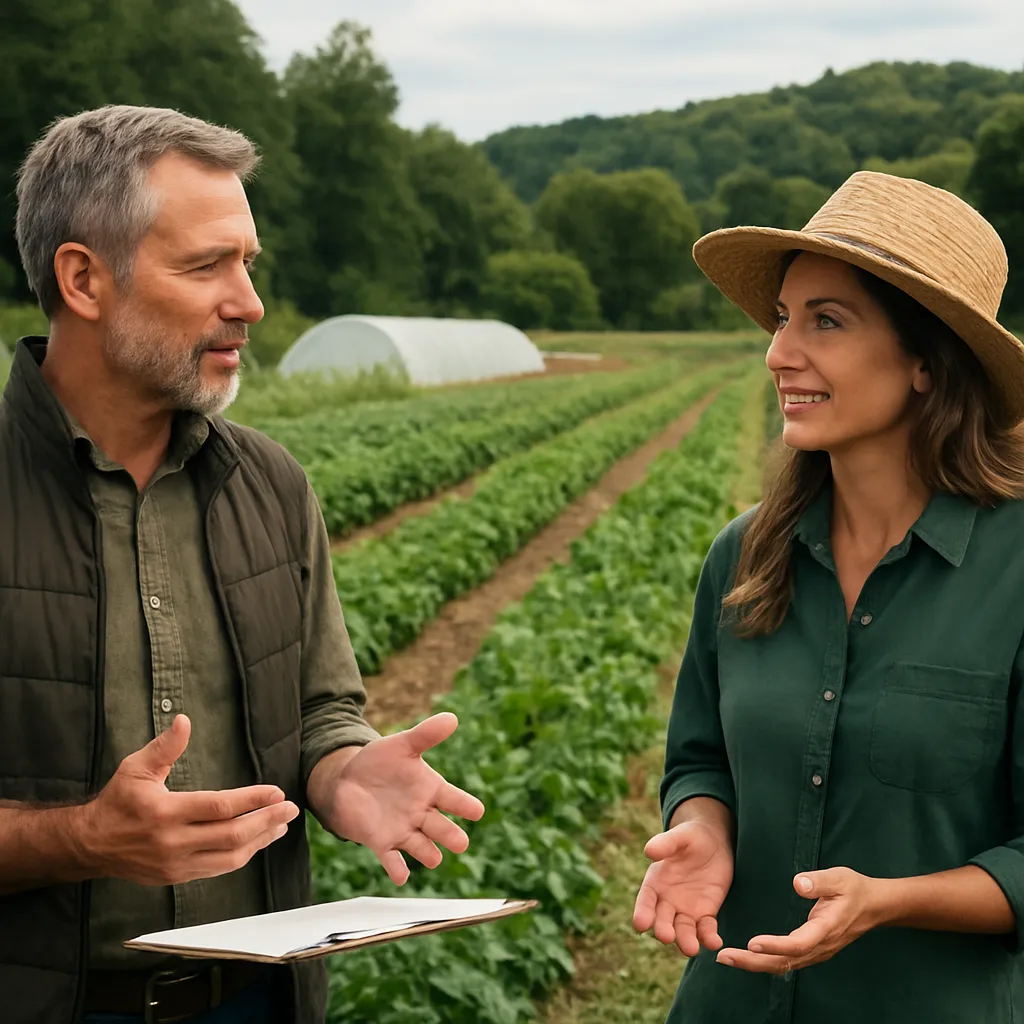
Community empowerment is central to enduring success. Farmer-to-farmer networks facilitate knowledge exchange and resource pooling, enhancing adaptability at the grassroots level. In many regions, cooperatives collectively procure seeds, share equipment, and negotiate better market terms for their products. Such collaboration strengthens social cohesion and fosters a shared commitment to ecological stewardship.
To unlock the full potential of agro-ecological transformations, policymakers must embed these principles into agricultural development frameworks. Aligning national strategies with global commitments—such as the Sustainable Development Goals—creates synergy across sectors. Integrated policies that combine research funding, infrastructure development, and market access pave the way for resilient food systems capable of withstanding climate shocks.
Ultimately, the integration of agroecology, biodiversity conservation, water-smart techniques, and inclusive governance forms a holistic blueprint for climate-resilient farming systems. The transition may challenge traditional paradigms, but by valuing ecological functions alongside economic returns, farmers worldwide can cultivate landscapes that are both productive and robust in the face of a changing climate.