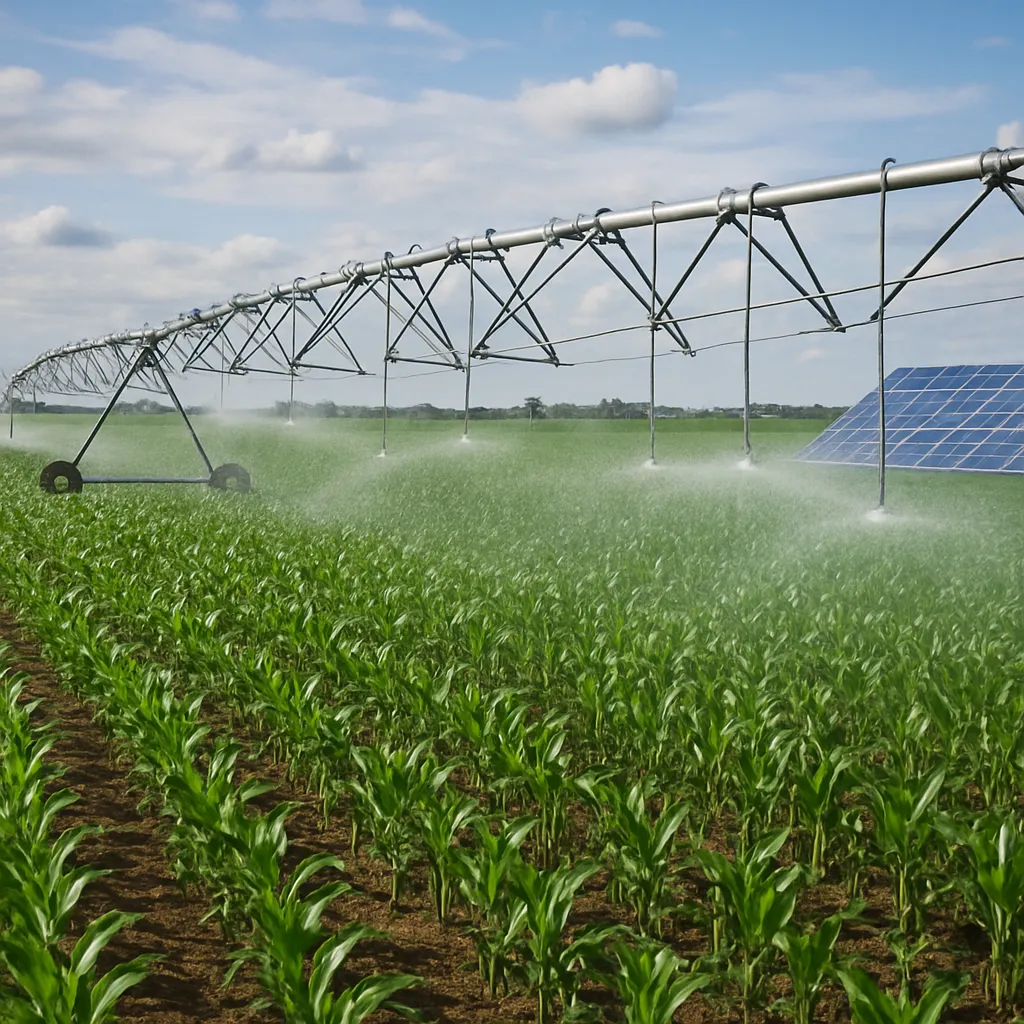
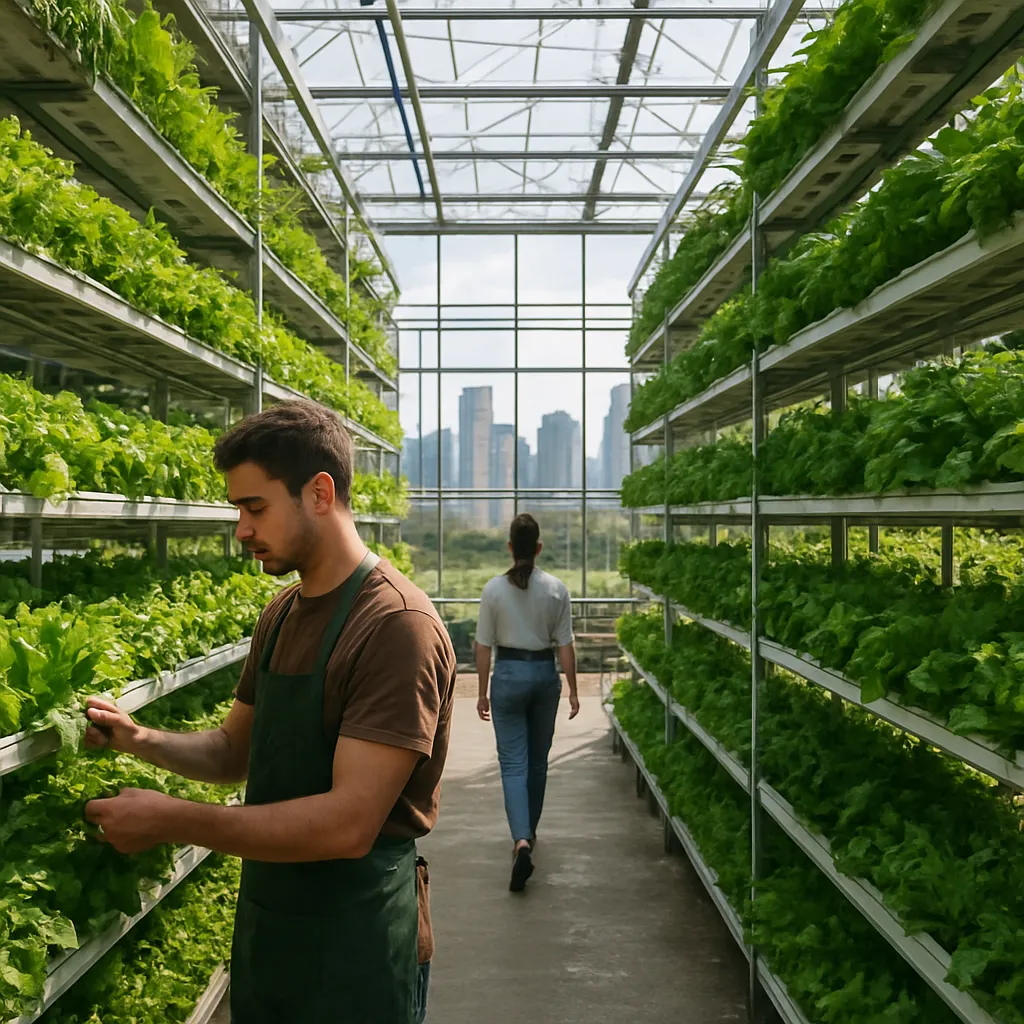
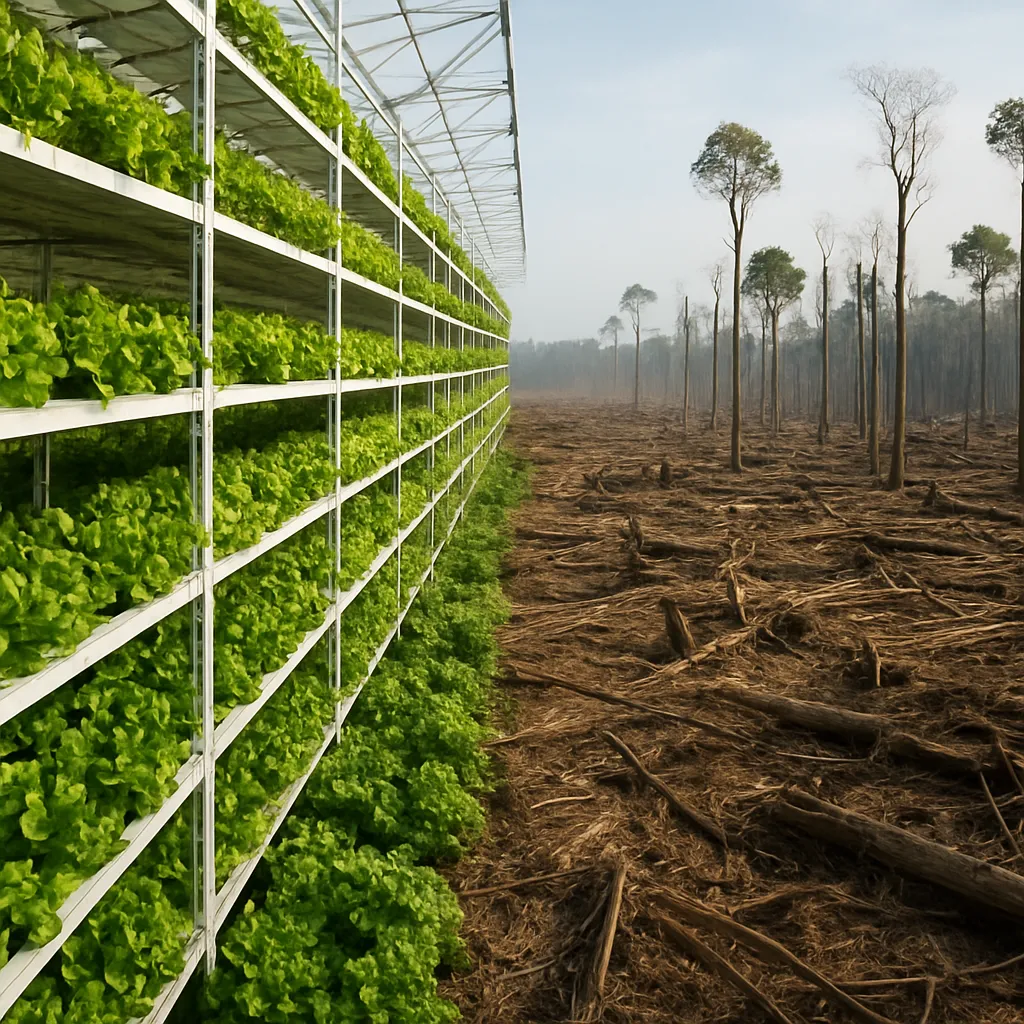
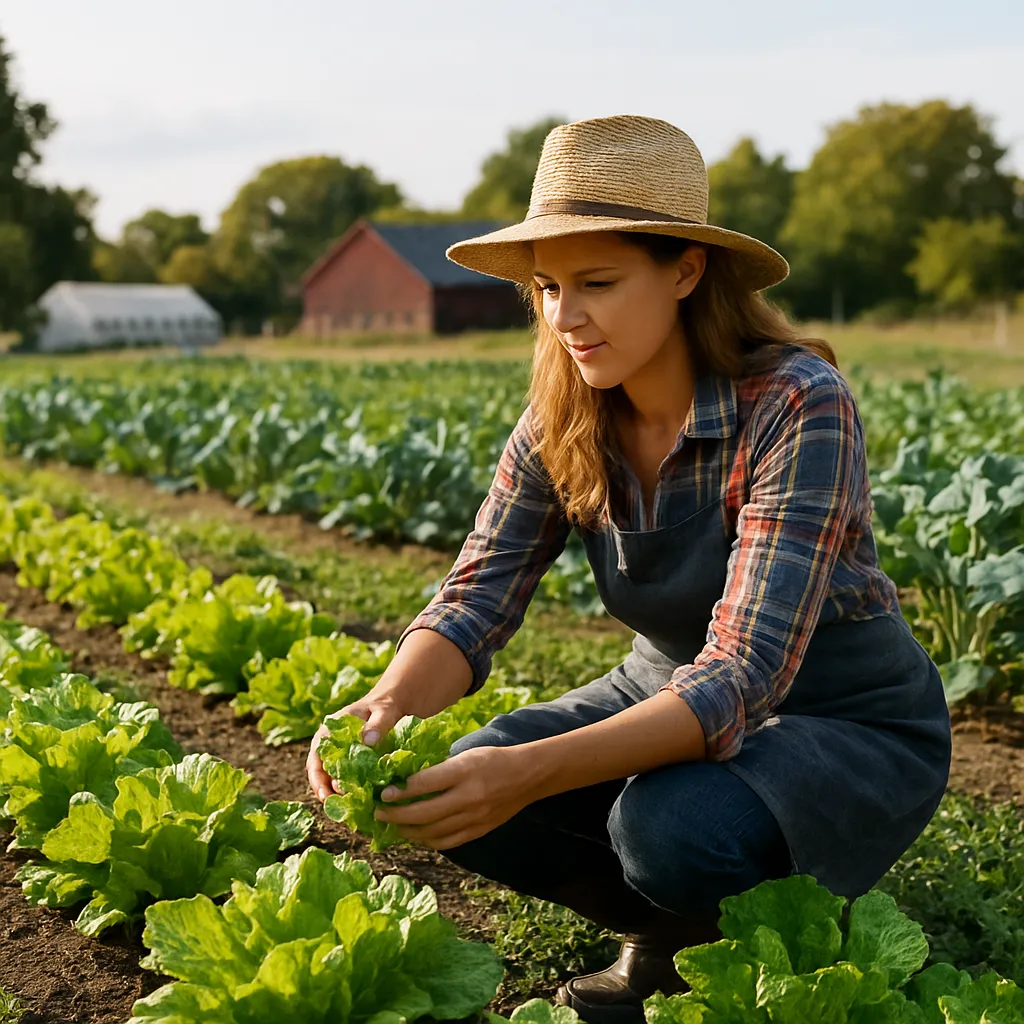
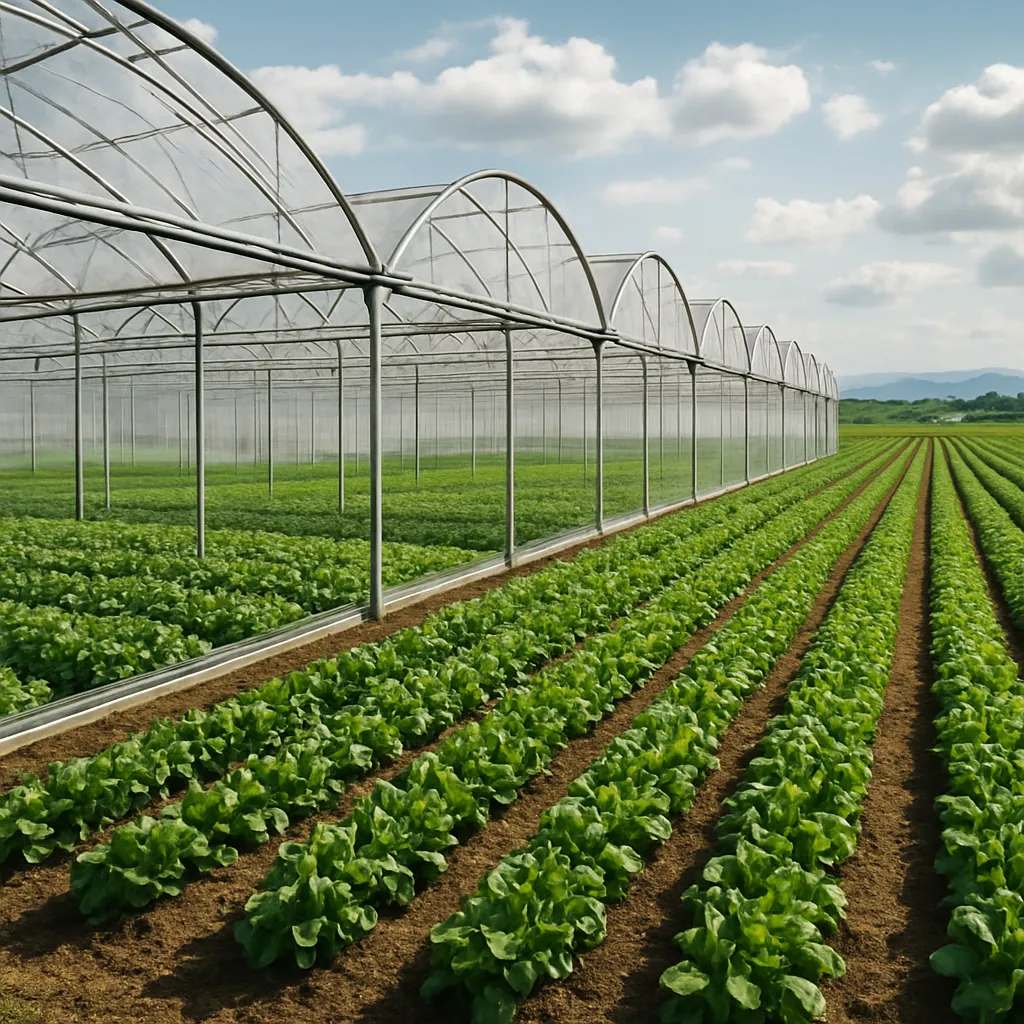
Maintaining soil productivity is a critical pillar of modern agriculture. It dictates the capacity of farms to produce enough food, fiber, and fuel for a growing population. Across continents, farmers and researchers are exploring ways to preserve and enhance the intricate balance of minerals, organic residues, and living organisms beneath our feet. Effective soil management can arrest erosion, bolster nutrients availability, and fortify the resilience of cropping systems against climate variability.
Soil Structure and Nutrient Dynamics
Healthy soil is a living ecosystem, composed of mineral particles, water, air, and countless microorganisms. Its physical structure determines water infiltration, root penetration, and oxygen diffusion. When aggregates are stable, soils resist compaction and sustain vigorous root growth. The chemical dimension involves essential elements—nitrogen, phosphorus, potassium, calcium, and more—that plants absorb to complete their life cycles. Biological interactions, mediated by earthworms, fungi, and bacteria, drive the cycling of organic matter and release bound nutrients in plant-available forms.
Microbial communities play a central role in nitrogen transformation, converting atmospheric nitrogen into ammonia and then nitrate through a process called nitrification. Symbiotic associations, such as those between legumes and rhizobia, enrich soils without synthetic inputs. Meanwhile, decomposers break down crop residues, integrating carbon back into the humus pool. This dynamic interplay ensures sustained fertility and supports long-term microbial activity, which in turn stabilizes soil aggregates and regulates nutrient fluxes.
Disruption of these processes—whether through intensive tillage, monoculture, or chemical overuse—diminishes aggregate stability and depletes organic reserves. Poorly managed soils become prone to crusting, waterlogging, and surface runoff, leading to severe nutrient losses. Regions suffering from acute soil degradation often face reduced crop yield and heightened vulnerability to droughts and floods. Addressing these issues requires integrated strategies that preserve both the living and non-living components of the soil matrix.
Techniques for Enhancing Soil Fertility
Implementing a variety of agronomic practices can revive degraded lands and maintain productivity:
- Cover Cropping: Planting cover crops between cash crop cycles reduces erosion control, suppresses weeds, and enhances soil structure by adding root biomass.
- Crop Rotation: Alternating different plant families interrupts pest cycles, balances nutrient extraction, and supports a more diverse soil biota.
- Organic Amendments: Compost, manure, and biochar enrich the biodiversity of soil microorganisms and improve water-holding capacity.
- Reduced Tillage: Conservation tillage preserves surface residues, fosters earthworm populations, and maintains the natural layering of soil horizons.
- Integrated Nutrient Management: Combining organic and inorganic fertilizers optimizes cost and enhances long-term soil fertility by sustaining nutrient stocks.
Each method offers unique benefits. Cover crops, such as legumes, scavenge leftover nitrogen, preventing leaching into waterways. When incorporated, they release nutrients for subsequent crops. Biochar applications can sequester carbon for decades, elevating cation-exchange capacity and buffering soil pH. In regions with limited access to synthetic fertilizers, farmers increasingly rely on locally available organic wastes, converting them into potent soil conditioners that restore degraded plots.
State-of-the-art tools, including precision agriculture sensors and remote-sensing platforms, enable farmers to apply inputs exactly where needed. By mapping spatial variability in soil fertility, these technologies minimize overapplication, reduce costs, and curtail environmental impacts. Digital soil mapping, combined with mobile advisory services, helps smallholder farmers adopt best practices and monitor improvements over time.
Global Adoption and Policy Frameworks
Worldwide initiatives emphasize the link between conservation practices and food security. The United Nations’ Sustainable Development Goals underscore the preservation of terrestrial ecosystems and the restoration of degraded soils. Funding mechanisms, such as the Global Environment Facility and national soil health programs, offer technical assistance and financial incentives for farmers embracing regenerative approaches.
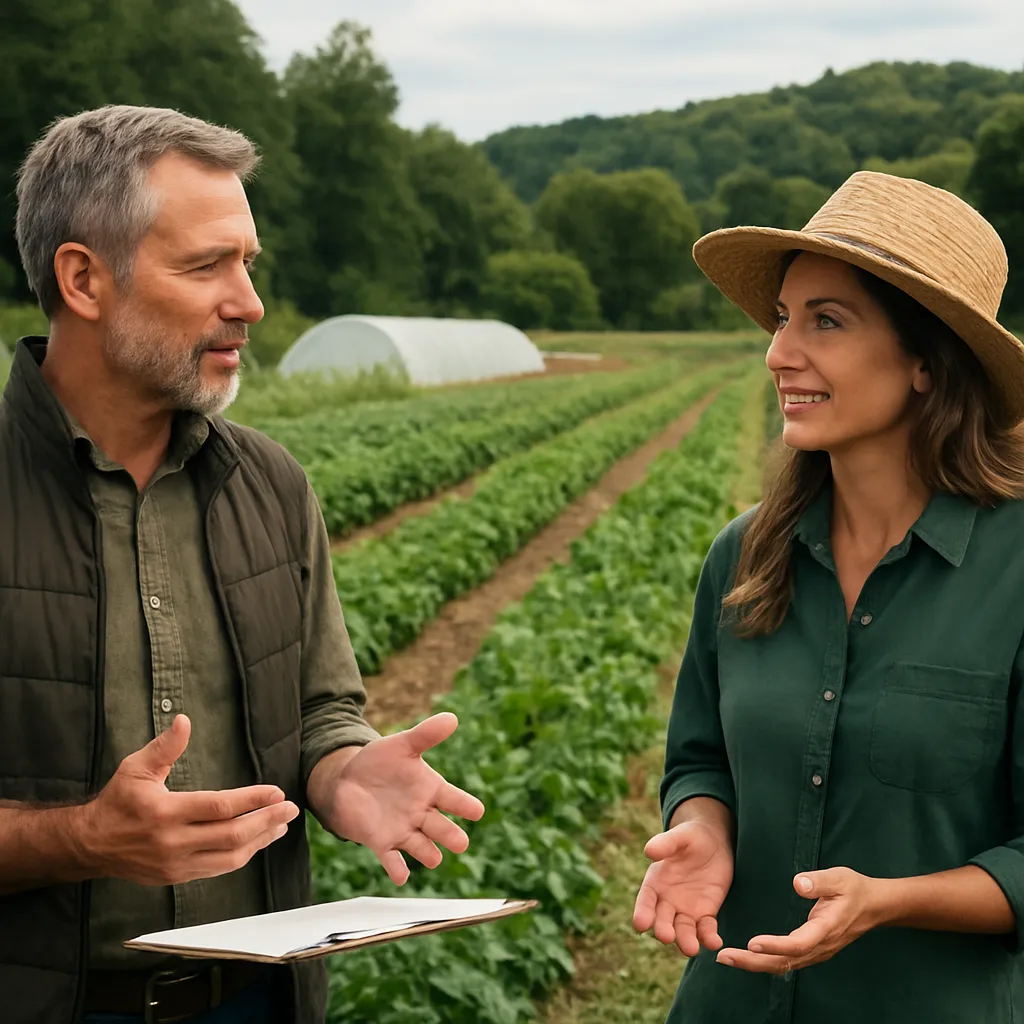
Policy instruments include payment-for-ecosystem-services schemes, where land stewards receive compensation for maintaining ground cover, reducing sediment runoff, and enhancing carbon stocks. Regulatory frameworks often mandate minimum residue retention on fields or restrict harmful agrochemicals. Extension services, backed by research institutions, facilitate knowledge exchange by organizing field demonstrations, farmer-led trials, and training workshops.
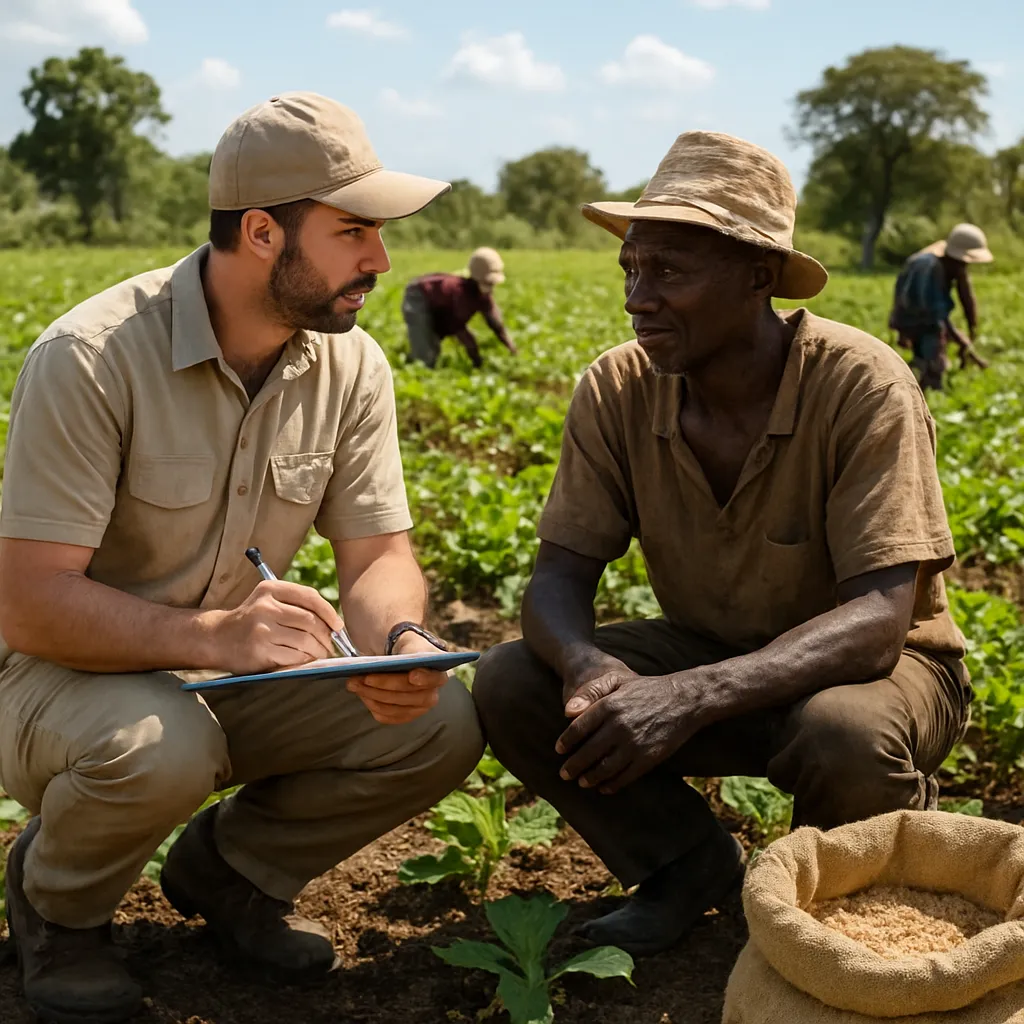
International partnerships foster cross-border learning. For example, conservation agriculture practices developed in Latin America have been adapted in sub-Saharan Africa, leading to significant yield increases under erratic rainfall. Meanwhile, Asia-Pacific collaborations address saline soil reclamation through integrated use of organic matter and salt-tolerant crops. This networked approach accelerates the diffusion of innovations and builds capacity across diverse agroecological zones.
Future Perspectives and Research Directions
Emerging technologies promise to deepen our understanding of soil ecosystems. Metagenomics and high-throughput sequencing reveal the vast diversity of soil microbiomes, enabling targeted interventions to boost nutrient cycling. Novel biofertilizers, engineered from beneficial microbes, can fix atmospheric nitrogen more efficiently or mobilize phosphorus locked in mineral complexes.
Robotic platforms, equipped with sensors and manipulators, will perform non-invasive soil health diagnostics and apply amendments with millimeter precision. Artificial intelligence will analyze multi-source data—weather patterns, satellite imagery, and soil test results—to forecast nutrient deficiencies before they impact crop growth. Such predictive capabilities will support adaptive management strategies, increasing resilience to climate extremes.
Investment in education and capacity building remains crucial. Training the next generation of soil scientists, agronomists, and extension agents will catalyze the adoption of sustainable practices. Community-led monitoring initiatives empower farmers to track soil health improvements and foster local stewardship. As research reveals novel pathways for carbon sequestration and nutrient mobilization, frameworks must ensure equitable access to these advancements.
Ultimately, preserving and enhancing soil fertility underpins global efforts to achieve global food security and maintain ecosystem integrity. By combining traditional wisdom with cutting-edge innovation, the agricultural sector can safeguard the productivity of farmlands for generations to come.