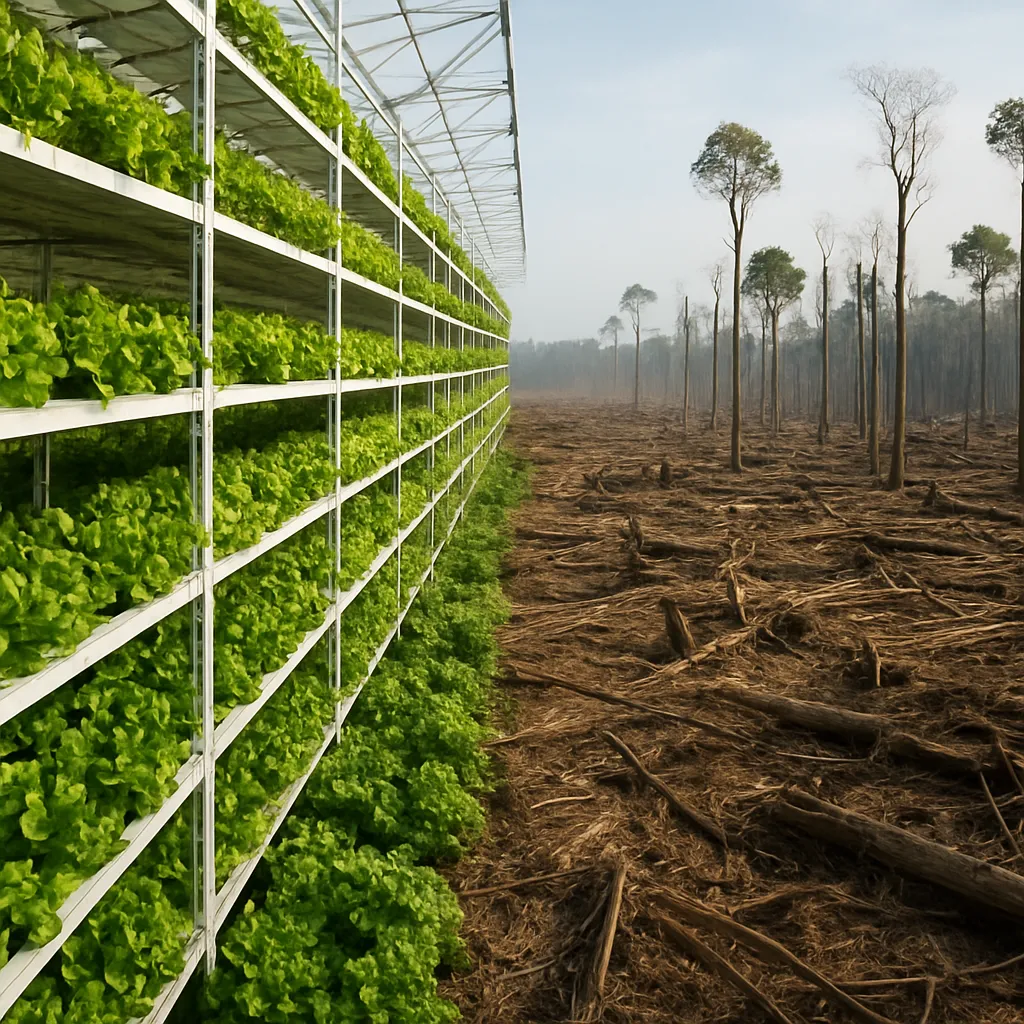
Vertical farming represents a paradigm shift in modern agriculture, offering a sustainable solution to the pressing challenge of global food security while helping to preserve natural ecosystems. By cultivating crops in vertically stacked layers, often within controlled indoor environments, this approach reduces land use, minimizes water consumption, and curbs reliance on deforestation-driven expansion. As the world grapples with the dual threats of a burgeoning population and widespread deforestation, vertical farming emerges as a beacon of innovation and resilience.
Vertical Farming: An Innovative Agricultural Model
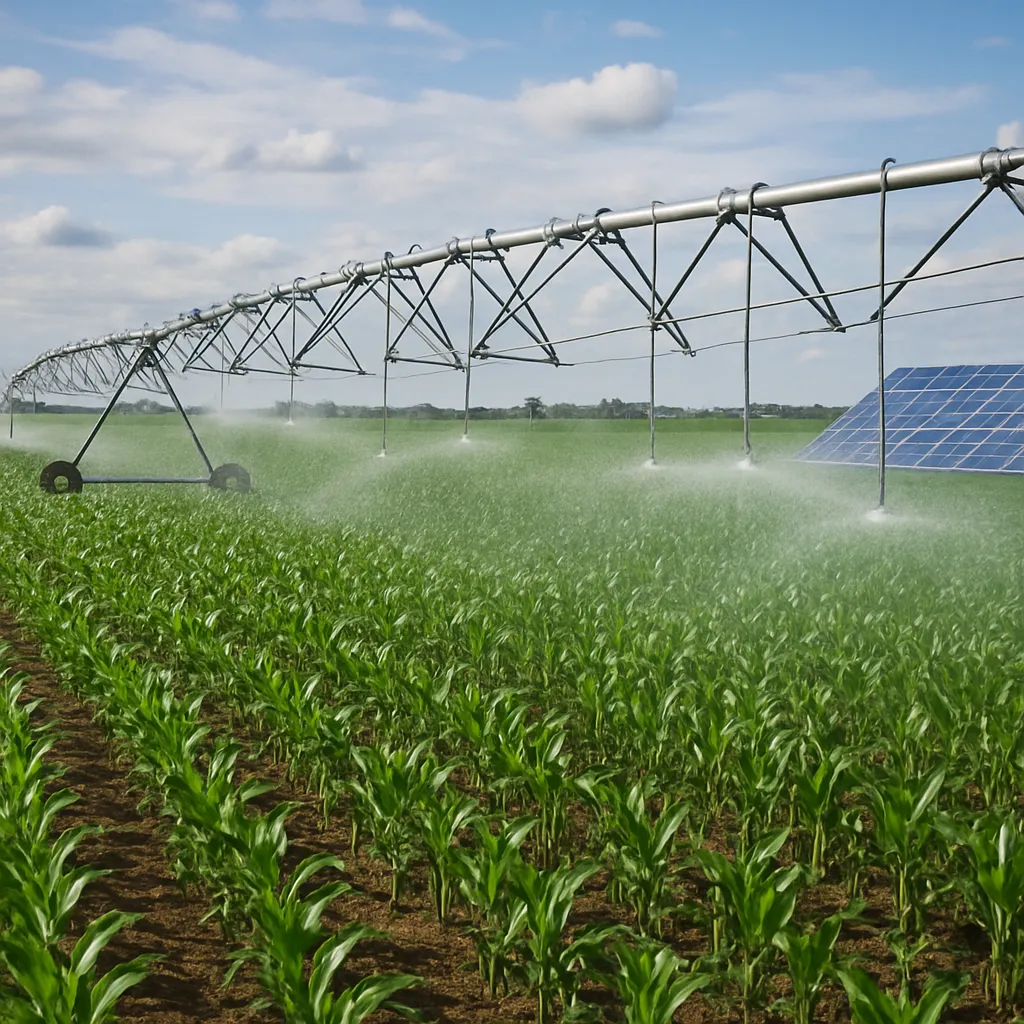
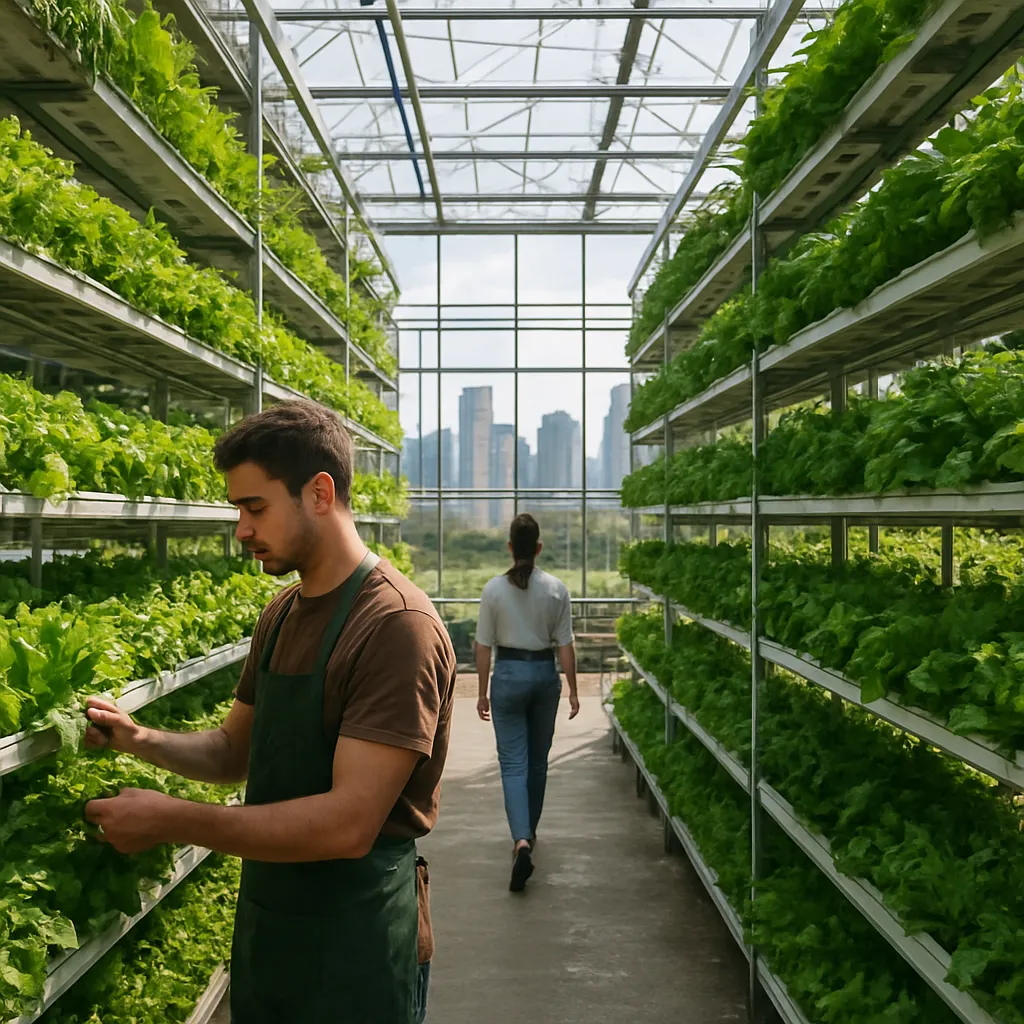
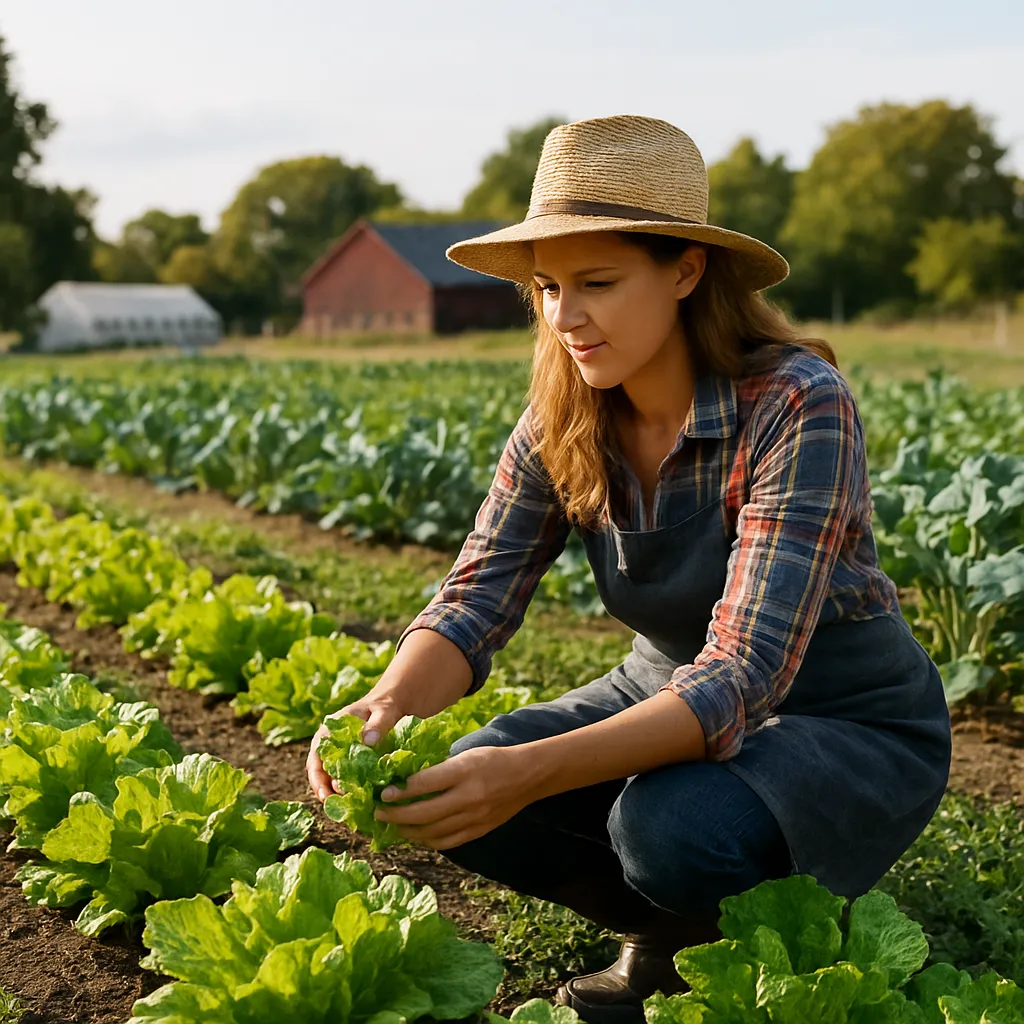
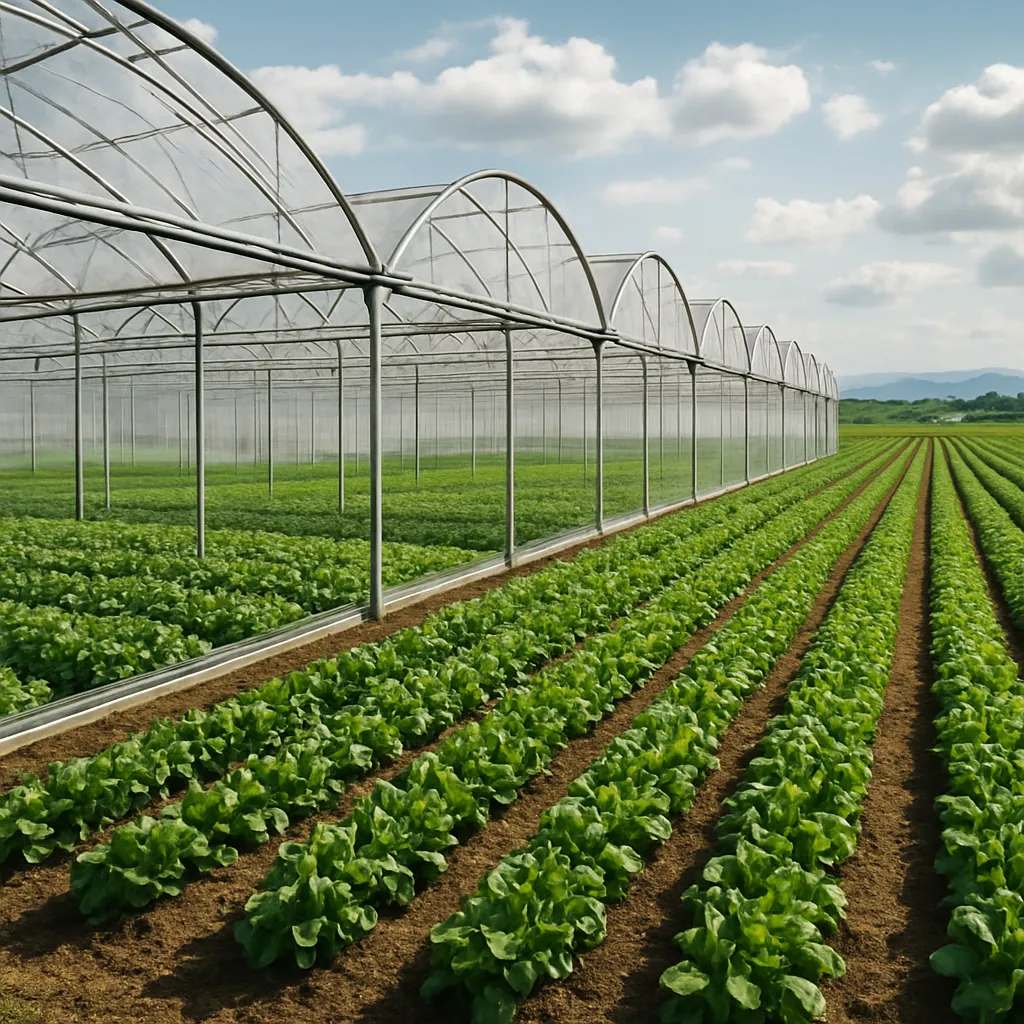
At its core, vertical farming is a marriage of advanced technologies and agricultural science. Utilizing techniques such as hydroponics, aeroponics, and aquaponics, growers can maintain optimal conditions for plant development year-round. This controlled environment agriculture (CEA) operates within greenhouses or purpose-built urban facilities equipped with LED lighting, climate control systems, and automated nutrient delivery. The result is a dramatic increase in resource efficiency compared to traditional open-field farming, where unpredictable weather and soil variability can limit yields.
- Hydroponics: Growing plants in nutrient-rich water solutions without soil.
- Aeroponics: Suspending roots in air and misting them with nutrients, maximizing oxygen uptake.
- Aquaponics: Integrating fish farming with plant cultivation, creating a symbiotic ecosystem.
These methods not only boost productivity but also allow for precise management of water and nutrient inputs. Studies estimate that vertical systems can use up to 95% less water than conventional agriculture while producing yields that are ten times higher per square meter.
Mitigating Deforestation through Vertical Farming
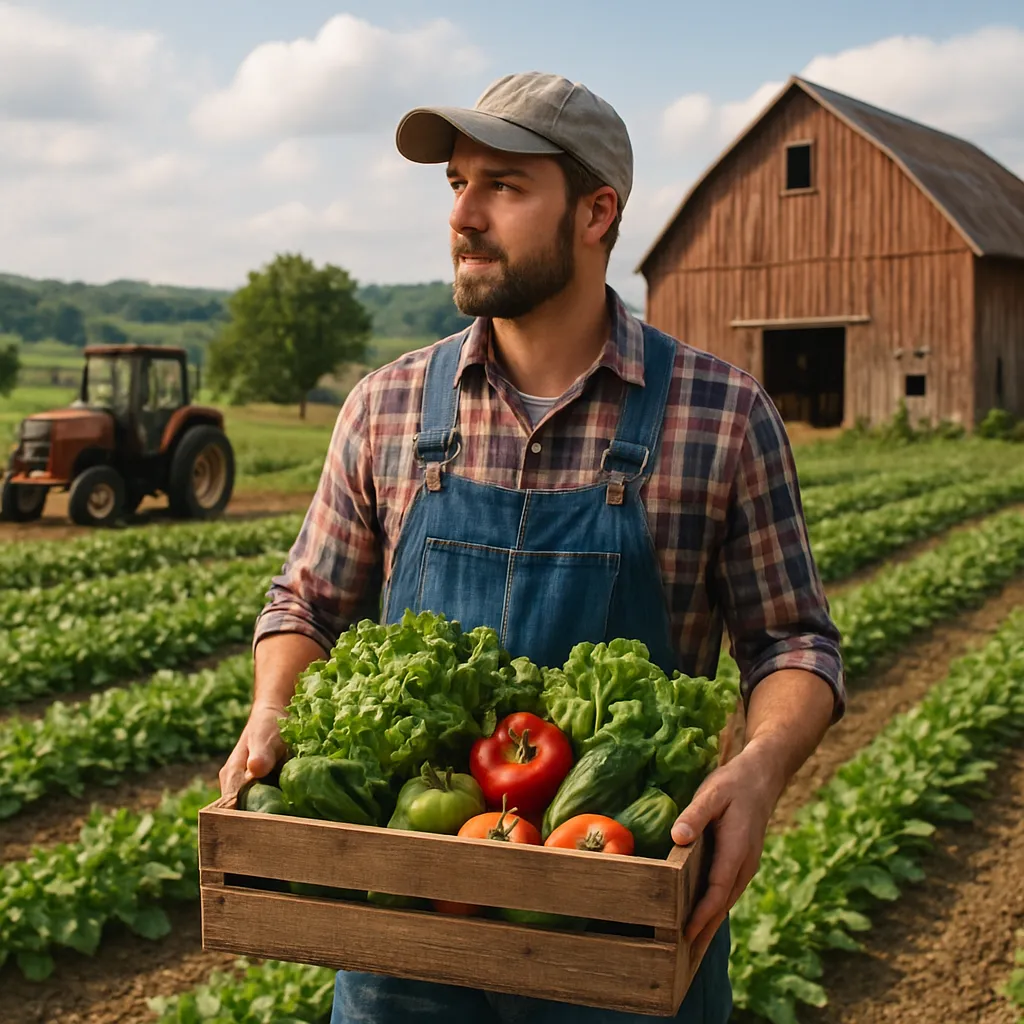
Traditional agricultural expansion is a primary driver of large-scale clearing in tropical forests, threatening global biodiversity and accelerating climate change. By shifting crop production from expansive rural areas into compact urban or peri-urban sites, vertical farming can significantly reduce land pressure. This transition helps protect vital forest habitats and preserves crucial carbon sinks.
- Land preservation: Reducing the need to convert forests into farmland.
- Conservation of wildlife: Safeguarding the habitats of countless species.
- Carbon sequestration: Maintaining forest cover to absorb CO₂ emissions.
Moreover, vertical farms can be established on rooftops, abandoned warehouses, and brownfield sites, making use of existing structures rather than encroaching on natural areas. This urban integration supports a circular economy by repurposing underutilized spaces and reducing urban heat islands.
Environmental and Social Benefits of Urban Agriculture
Beyond the environmental advantages, vertical farming delivers profound social impacts. Urban communities, often located far from fertile agricultural zones, face challenges in accessing fresh, nutritious produce. By situating farms within cities, residents gain immediate access to leafy greens, herbs, and berries harvested at peak freshness. This proximity reduces the carbon footprint associated with long-distance food transport and decreases post-harvest losses.
- Enhanced dietary diversity: Year-round availability of fresh vegetables and fruits.
- Job creation: Skilled positions in horticulture, engineering, and technology management.
- Educational opportunities: Community engagement in sustainable farming practices.
Vertical farms can also serve as research hubs, fostering academic partnerships and innovation. Students and local entrepreneurs learn firsthand about sustainable practices, stimulating community-driven solutions to food insecurity. The combination of sustainability and social inclusion makes vertical farming a powerful tool for urban resilience.
Economic Viability and Investment Trends
While the initial capital expenditure for vertical farms can be substantial—driven by high-tech equipment, energy systems, and facility retrofitting—long-term returns are increasingly attractive. Operational costs decline over time as automation and data analytics optimize resource use. Market trends indicate growing consumer willingness to pay premium prices for locally grown, pesticide-free produce.
- Revenue diversification: Sale of specialty herbs, microgreens, and exotic produce.
- Public-private partnerships: Municipal support for food security initiatives.
- Carbon credits: Financial incentives for reducing agricultural land expansion.
Investors are recognizing the dual value of vertical farming: potential for high-margin produce sales and substantial environmental benefits. As energy-efficient lighting and renewable power integration advance, operational expenses will further decline, bolstering economic feasibility.
Challenges and Future Prospects
Despite its promise, vertical farming faces hurdles. Energy consumption for lighting and climate control remains a significant factor, especially in regions without affordable renewable power. Technical complexity demands skilled labor and robust maintenance protocols to prevent system failures. Moreover, scaling operations beyond niche markets requires streamlined supply chains and supportive policy frameworks.
- Energy dependence: High demand for electricity to power LED lighting and HVAC systems.
- Technical barriers: Need for expertise in plant science, robotics, and data management.
- Regulatory gaps: Zoning laws and building codes not yet fully adapted to indoor agriculture.
Future advancements may include integration of on-site solar panels, energy storage solutions, and AI-driven optimization of growth cycles. Innovations in biodegradable growth substrates and closed-loop nutrient recovery can enhance circularity. Governments and industry stakeholders can collaborate on incentive programs, tax relief, and urban planning adjustments to support expansion.
Key Directions for Research and Policy
- Develop standardized performance metrics for environmental and economic assessment.
- Establish training centers to build a workforce skilled in CEA technologies.
- Create incentives for retrofitting existing buildings into vertical farms.
- Promote cross-sector partnerships to drive technological innovation.
Addressing these challenges will be critical to realize the full potential of vertical farming on a global scale. As the technology matures, it holds the promise of drastically reducing the pressure on forests, safeguarding biodiversity, and securing a sustainable future for agriculture.