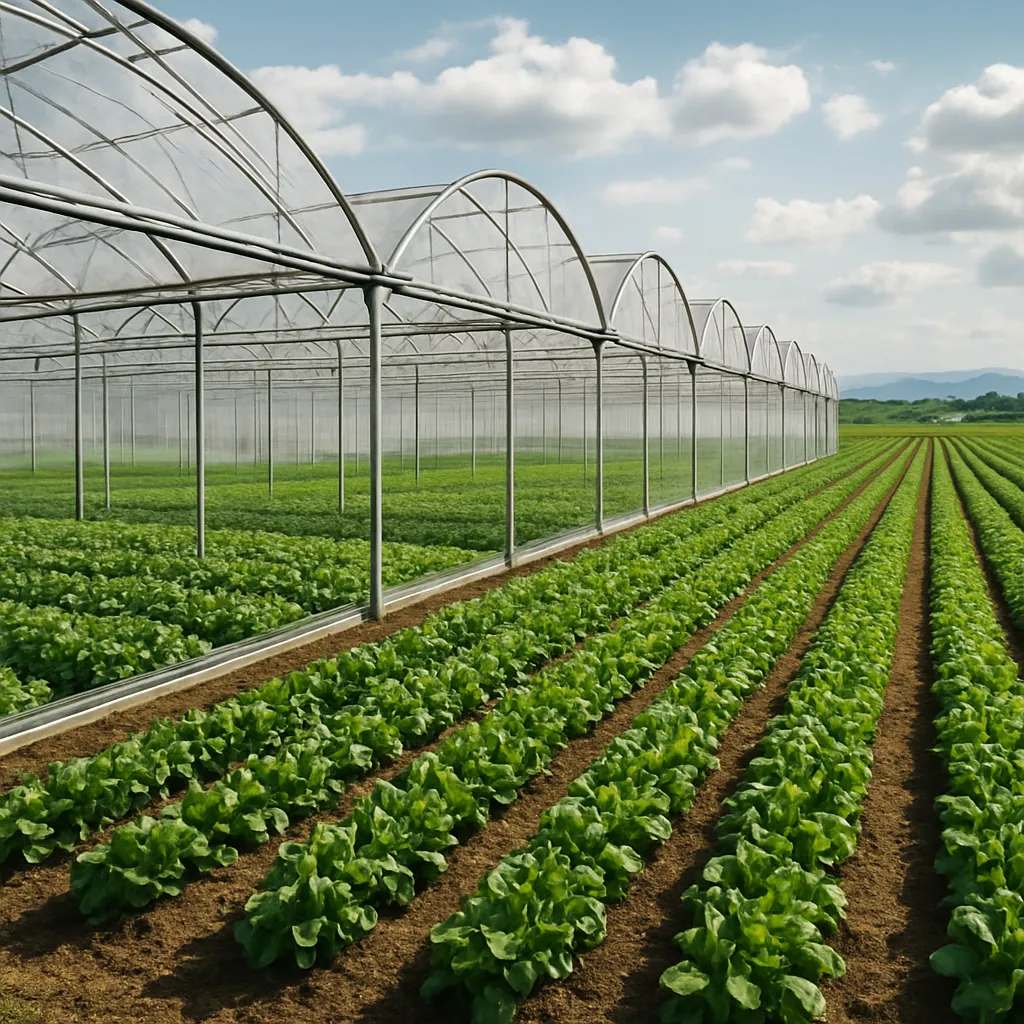
The agricultural landscape is undergoing a profound transformation as farmers across continents adopt protected cultivation methods to meet the ever-growing demand for food. Among these methods, greenhouses have emerged as a cornerstone for increasing productivity while managing external variables that once constrained traditional field farming. This article explores the multifaceted contributions of greenhouses to global agriculture, examining technological advances, economic drivers, and environmental impacts within the realm of world farms.
Role of Greenhouses in Modern Farming Systems
Greenhouses have become essential assets in the pursuit of higher yields and extended growing seasons. By creating a controlled environment, producers can cultivate a diverse range of crops year-round, reducing the risks associated with climate variability. In regions prone to extreme weather—droughts, heavy rains, or frosts—greenhouses offer a stable setting that shields sensitive plants from external shocks.
Several features distinguish greenhouse production:
- Controlled temperature regulation through heating and cooling systems
- Automated irrigation and fertigation to optimize nutrient delivery
- Integrated pest management within a closed environment
- Use of light spectrum adjustments to boost photosynthesis
The ability to fine-tune these variables has led to remarkable improvements in quality and consistency. For instance, high-value vegetables such as tomatoes, cucumbers, and bell peppers often fetch premium prices in markets due to their uniform size, flavor, and color—attributes readily controlled inside a greenhouse.
Technological Innovations Driving Efficiency
Advances in technology have propelled greenhouse farming into an era of unprecedented efficiency. Automation and data analytics now play a pivotal role:
Sensor Networks and Data Analytics
- Real-time monitoring of soil moisture, humidity, and CO₂ levels
- Predictive algorithms for disease outbreak prevention
- Cloud-based platforms for remote management
LED Lighting and Energy Management
Modern greenhouses employ energy-efficient LED lights to supplement or replace sunlight, extending the photoperiod to match plant-specific requirements. These systems adapt light intensity and wavelength, promoting growth while minimizing energy consumption.
Automated Climate Control
Integration of heating, ventilation, and cooling (HVAC) with smart controllers ensures optimal greenhouse climates. Automated vents, shade cloths, and misting systems maintain thermal balance, conserving energy and enhancing sustainability.
Economic and Environmental Benefits
The adoption of greenhouse systems has a ripple effect on both the economy and the environment:
Economic Advantages
- Year-round production stabilizes farm income
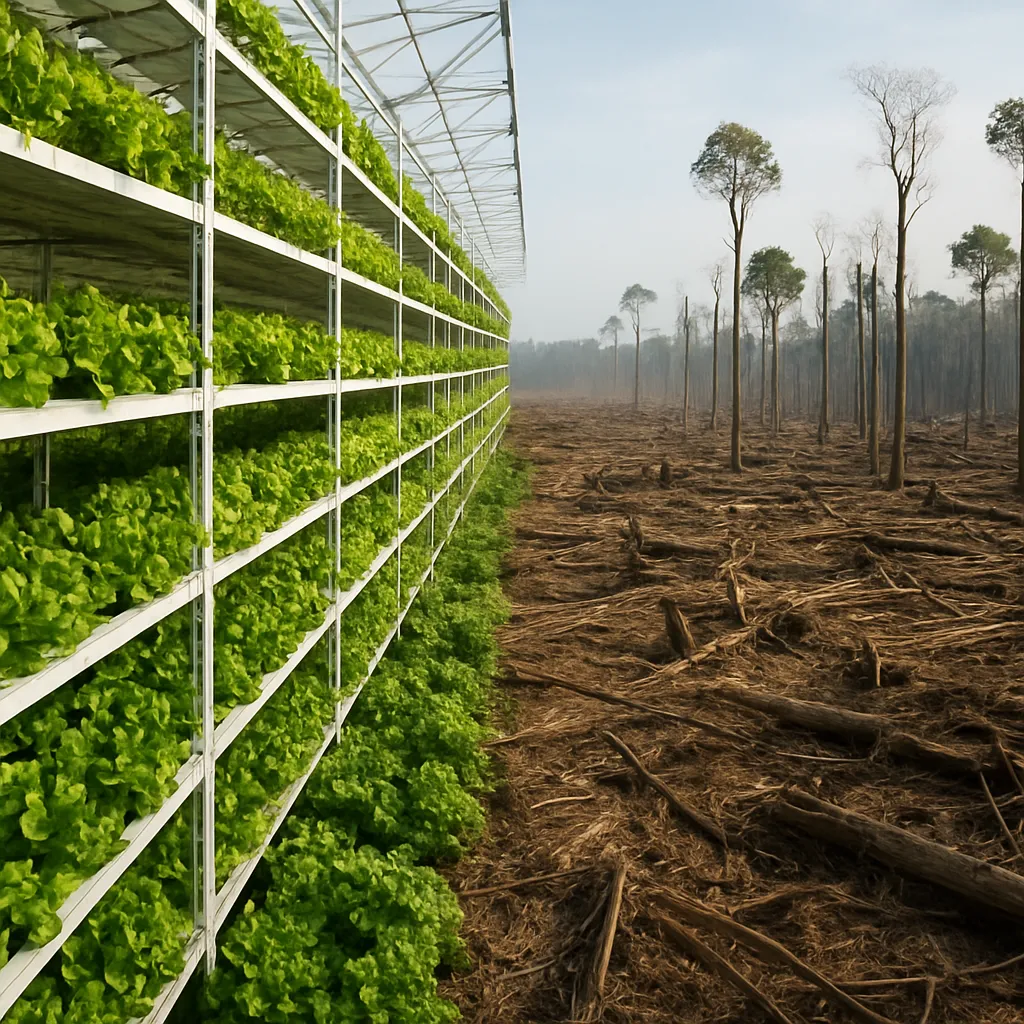
- Higher yields per square meter reduce land pressure
- Reduced post-harvest losses due to improved handling and storage within the facility
Environmental Gains
- Water use efficiency through recirculating irrigation, cutting consumption by up to 90%
- Lower pesticide application resulting from closed environments
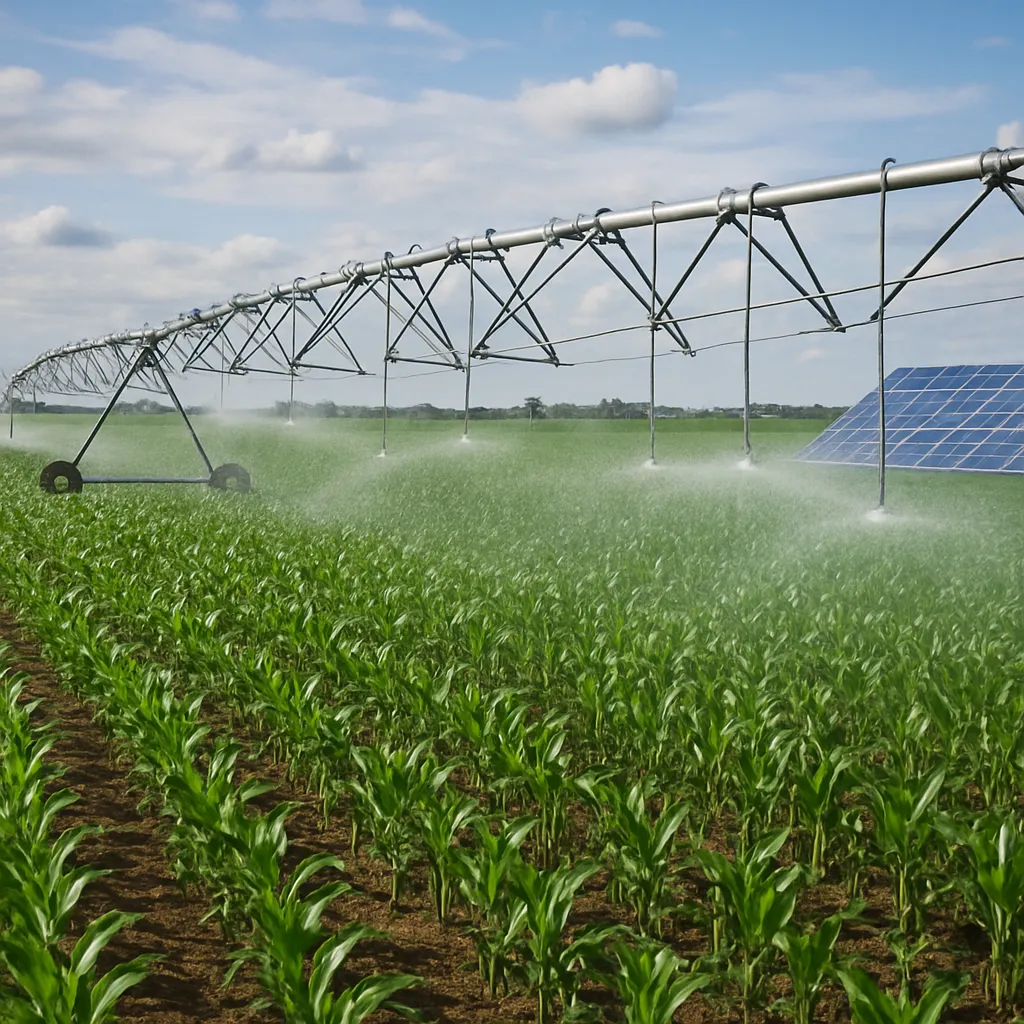
- Potential integration with renewable energy sources such as solar panels
Case studies have shown that greenhouse farms can achieve yields 5 to 10 times higher than open fields, while using water and nutrients far more judiciously. This paradigm shift eases the strain on scarce resources and mitigates the environmental footprint of large-scale agriculture.
Global Adoption Patterns and Regional Case Studies
The spread of greenhouse cultivation varies by region, influenced by climate, investment capacity, and policy frameworks. Key examples:
Europe’s High-Tech Hubs
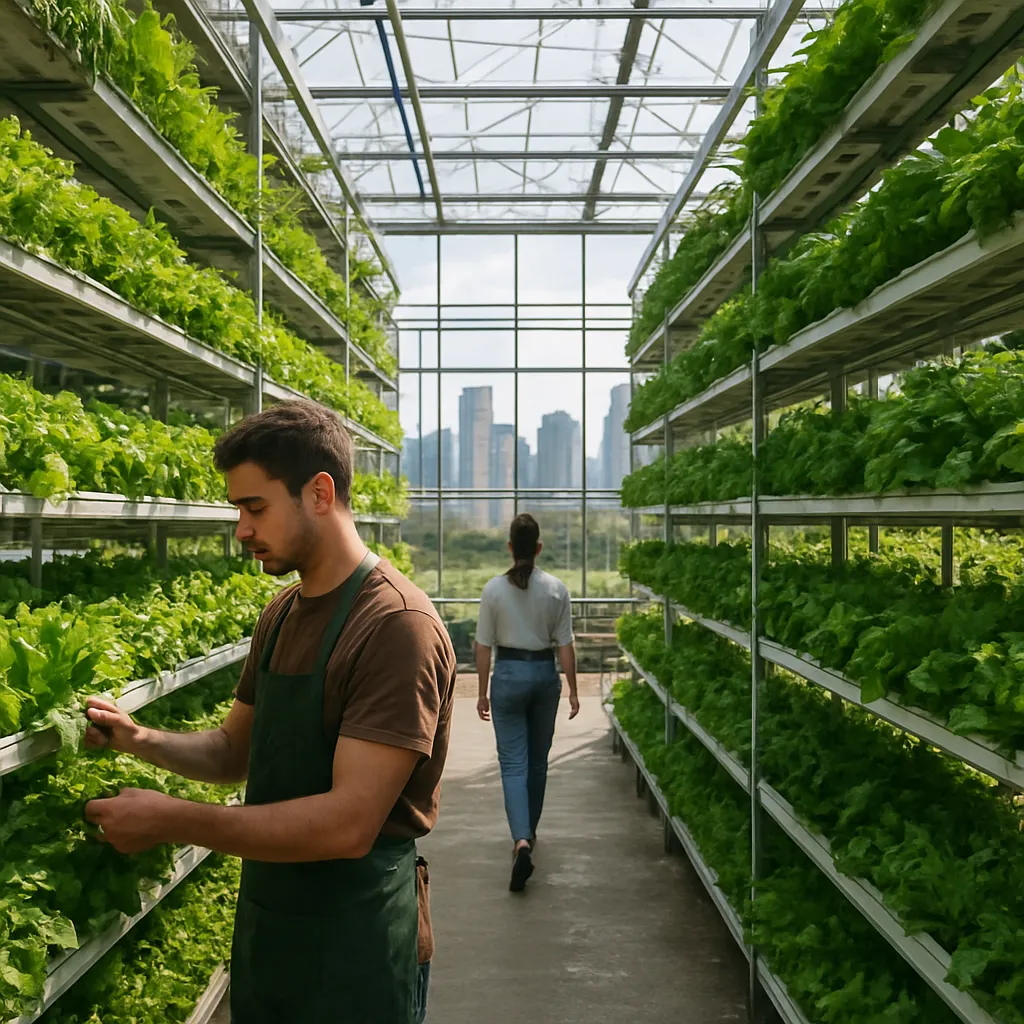
In the Netherlands, over 10,000 hectares of greenhouses produce vegetables and flowers, showcasing integration of robotics, AI-driven climate control, and vertical stacking techniques. Dutch exporters supply over 20% of Europe’s greenhouse-grown produce.
North America’s Controlled-Environment Agriculture
Canada and the United States have expanded greenhouse acreage to meet domestic demand for off-season vegetables. Investments in geothermal heating and LED retrofits demonstrate a commitment to innovation and energy conservation.
Asia’s Emerging Markets
In China and India, smallholder farmers are beginning to adopt low-cost tunnel greenhouses to extend seasons for tomatoes and chilies. Government subsidies and training programs help bridge the gap between traditional and modern practices.
Middle East and North Africa (MENA) Initiatives
Arid regions leverage greenhouses with desalinated water and solar-driven climate control to grow vegetables near urban centers, reducing import dependency and enhancing food security.
Challenges and Future Outlook
Despite the clear advantages, greenhouse farming faces several hurdles. High initial capital investment can deter small-scale enterprises. Energy costs remain a significant expense in colder climates, and the learning curve for mastering complex systems is steep. Moreover, the carbon footprint of construction materials—steel frames, polycarbonate panels—must be considered.
Looking ahead, innovations in biodegradable coverings, modular greenhouse designs, and integration with vertical farming are set to address these challenges. Collaboration between agritech firms, research institutions, and policymakers will be crucial to scaling greenhouse solutions for diverse world farms.
As the global community strives to feed a growing population amid shrinking arable land, greenhouses stand out as a versatile and sustainable strategy. By harnessing controlled environments, farmers can achieve higher productivity, conserve valuable resources, and adapt to changing climates, securing the future of agriculture for generations to come.