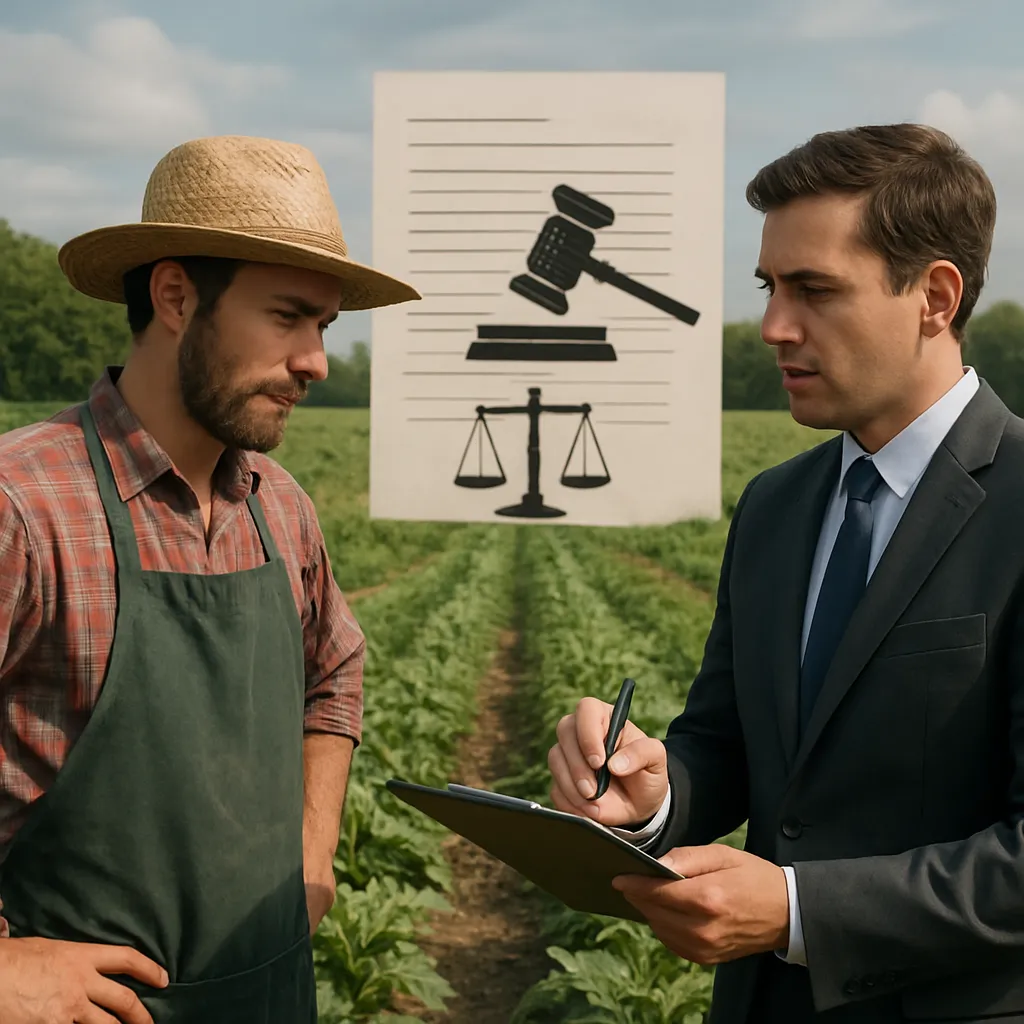
Global agriculture stands at a crossroads where the imperative of environmental stewardship intersects with the need to feed a growing population. As world farms grapple with soil degradation, water scarcity and shifting climate patterns, policymakers and regulators play an increasingly pivotal role in shaping pathways toward more sustainable farming systems. Through a blend of legislative frameworks, fiscal incentives and collaborative partnerships, governments can foster resilient agroecosystems that balance productivity with ecosystem health. This article examines the multifaceted ways in which policy and regulation support sustainable practices, spotlighting regulatory instruments, financial mechanisms and the challenges that accompany their implementation.
Policy Frameworks for Sustainable Agriculture
Effective policy frameworks establish the foundation upon which sustainable agriculture can flourish. At the global level, agreements such as the United Nations Sustainable Development Goals (SDGs) and the Paris Agreement have elevated the importance of agroecological approaches. Regionally, initiatives like the European Union’s Common Agricultural Policy (CAP) and national farm bills in the United States, Canada and Australia seek to integrate conservation goals into mainstream agricultural spending.
Key features of these frameworks include:
- Cross-compliance requirements tying subsidy eligibility to environmental performance benchmarks
- Eco-schemes that reward farmers for practices such as cover cropping, reduced tillage and agroforestry
- Regulatory limits on pesticide and fertilizer application rates to protect soil and water quality
- Support for research in innovation and digital agriculture to boost resource-use efficiency
By aligning financial support with environmental outcomes, these policies encourage producers to invest in practices that enhance biodiversity, strengthen soil health and improve carbon sequestration. Moreover, mandatory reporting on greenhouse gas emissions and nutrient runoff helps drive transparency and continuous improvement across farm operations.
Regulatory Instruments and Standards
Beyond broad policy goals, specific regulatory instruments and standards set concrete requirements for farming methods. These tools range from mandatory environmental impact assessments to sector-specific certification schemes that verify sustainable production claims.
Mandatory Environmental Regulations
- Buffer zone mandates along waterways to reduce pesticide drift and nutrient leaching
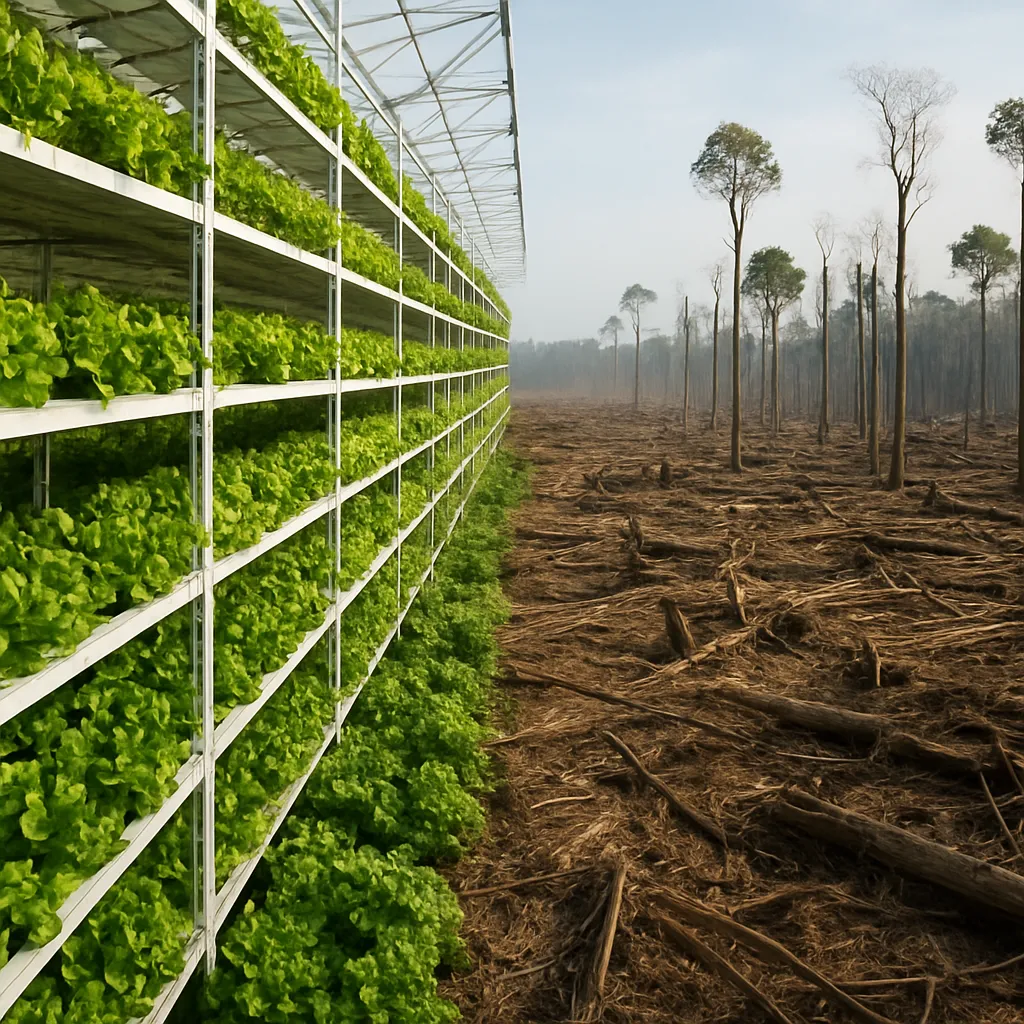
- Limits on land conversion to safeguard high-value conservation areas
- Water withdrawal permits that cap groundwater extraction during drought periods
Voluntary Certification and Labeling
- Organic certification programs that prohibit synthetic chemicals and emphasize soil fertility management
- Fair Trade labels ensuring equitable compensation and social welfare for smallholder communities
- Rainforest Alliance and Sustainable Agriculture Network standards focused on habitat conservation and community rights
These regulatory and voluntary mechanisms not only protect natural resources but also create market differentiation. As consumers increasingly value ethically produced food, certification helps farmers capture price premiums and access new export markets. Yet the administrative complexity and costs of certification can present barriers, especially for resource-constrained producers in developing regions.
Financial Mechanisms and Incentives
Fiscal tools are indispensable for scaling up sustainable farming. Public budgets, private investment and blended financing structures can mobilize capital for green technologies, infrastructure and capacity building.
Direct Subsidies and Grants
- Payments for Ecosystem Services (PES) rewarding farmers who maintain natural habitats or restore wetlands
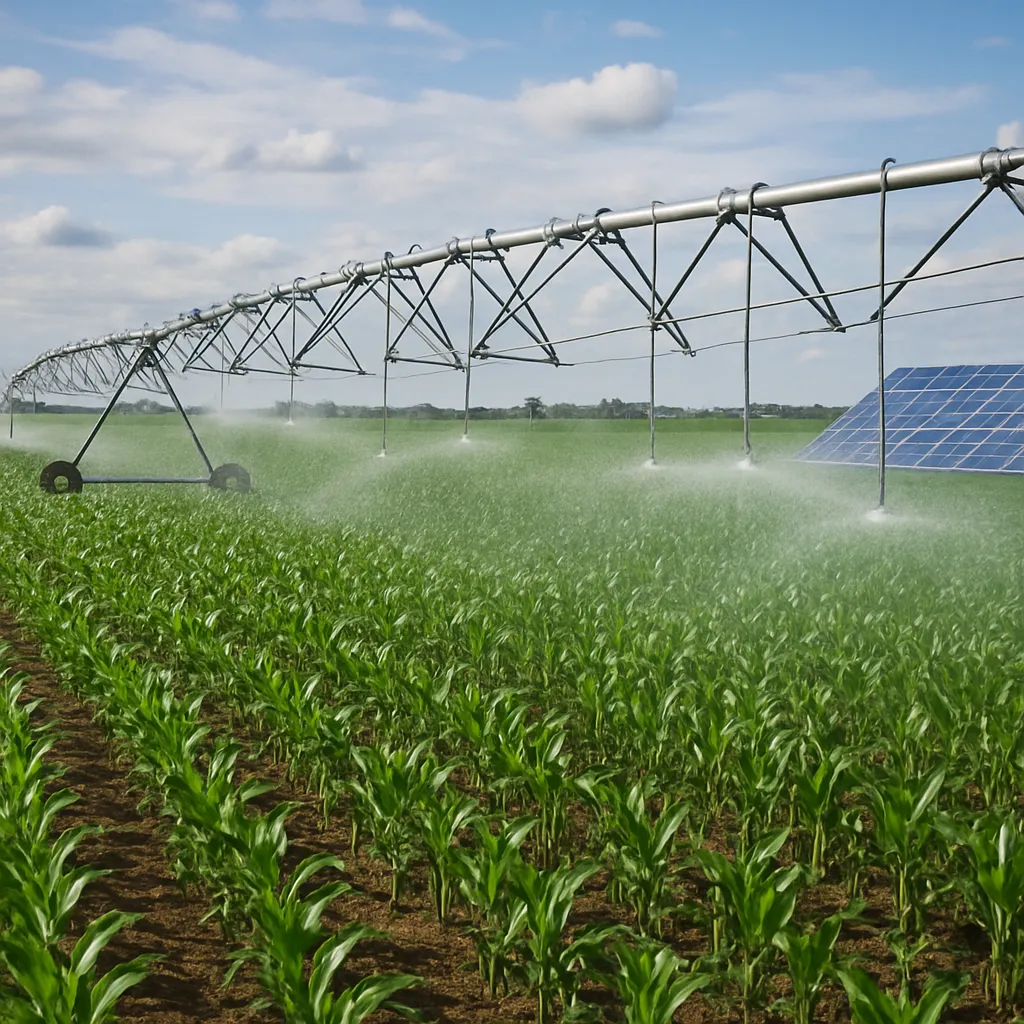
- Investment grants for precision irrigation systems, solar-powered equipment and biogas digesters
- Subsidized loans to support adoption of regenerative practices, such as agroforestry and rotational grazing
Market-Based Instruments
- Carbon credit schemes allowing farmers to monetize soil carbon sequestration and reduced emissions
- Water trading markets where efficient producers can sell unused entitlements to higher-demand users
- Green bonds issued to finance large-scale sustainable agriculture projects or rural infrastructure
Through these mechanisms, governments and financial institutions can lower the economic threshold for farmers to embrace riskier or longer-term practices. Enhanced access to credit and insurance products tailored for sustainable agriculture also helps buffer producers against extreme weather events and price volatility, bolstering overall farm resilience.
Challenges and Opportunities in Implementation
Despite the promise of supportive policies and regulations, on-the-ground implementation often encounters obstacles. Fragmented governance structures, limited technical capacity and unequal power dynamics can erode policy effectiveness.
Institutional Barriers
- Insufficient coordination among agriculture, environment and finance ministries
- Weak enforcement mechanisms leading to non-compliance and illegal land use
- Lack of reliable data systems for monitoring environmental indicators
Equity and Inclusion Concerns
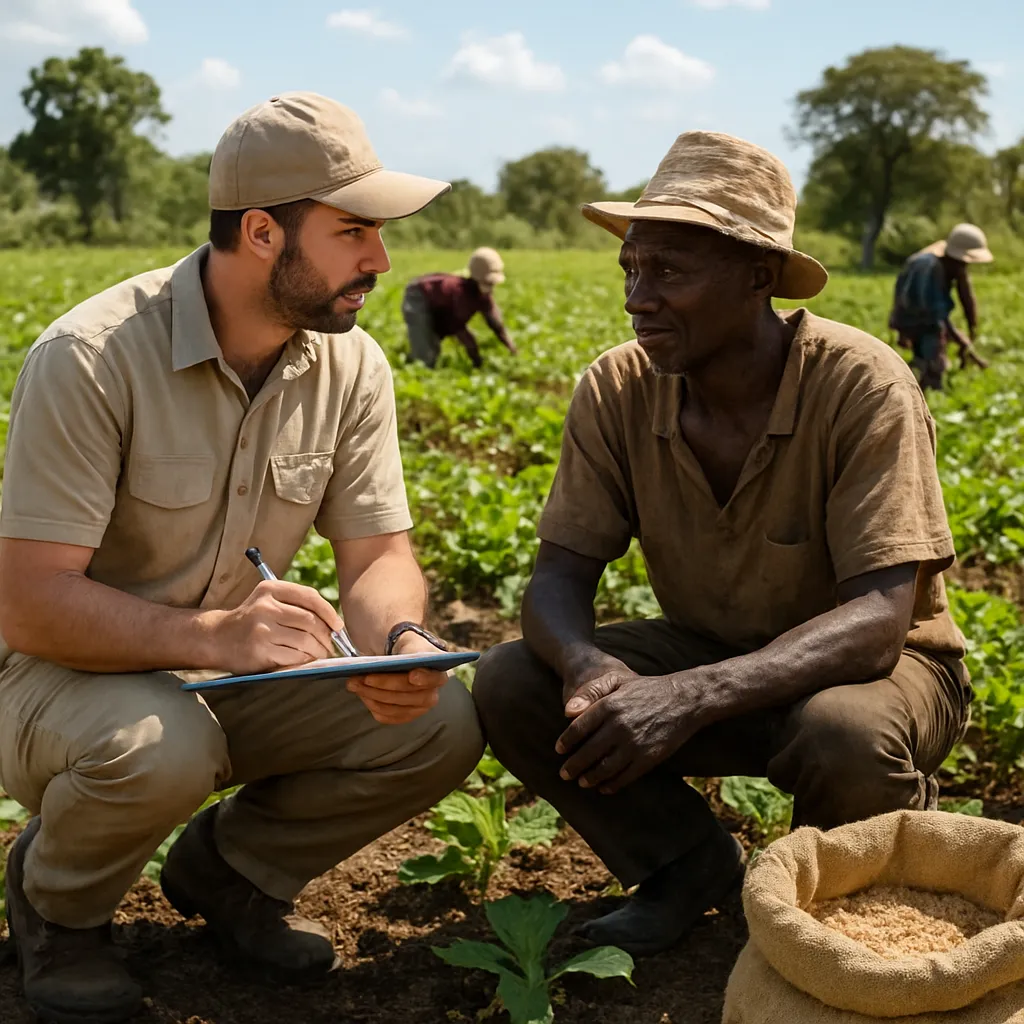
- Disparities in land tenure rights undermining smallholder access to incentives
- Gender gaps in extension services and decision-making platforms
- Language and literacy barriers restricting awareness of new regulations
Nevertheless, there are significant opportunities for improvement. Digital tools—such as remote sensing, mobile advisory apps and blockchain-based supply chain tracking—can enhance transparency and enforcement. Multi-stakeholder platforms that bring together farmers, NGOs, the private sector and local communities foster knowledge exchange and build trust. Emphasizing participatory policy design ensures that diverse voices inform regulatory priorities and that solutions are tailored to specific ecological and cultural contexts.
Looking ahead, adaptive governance models that integrate real-time feedback loops and iterative policy reviews will be essential to accommodate evolving environmental conditions and emerging scientific insights. By prioritizing collaboration, embracing adaptation and ensuring equity, policymakers can catalyze a transformation of world farms toward a truly sustainable future.