Agricultural landscapes around the world face an array of pressures, from **climate change** to resource scarcity. The intricate balance between food production and environmental preservation hinges largely on effective **policy** frameworks. Governments wield a spectrum of tools to encourage **sustainable** farming, foster **innovation**, and bolster **rural development**. This article explores how public policies shape modern agriculture, delving into global challenges, strategic instruments, illustrative case studies, and the path forward for resilient agri-food systems.
Global Challenges in Agriculture
The 21st century has witnessed the intensification of factors threatening food security. Rising temperatures, irregular precipitation patterns, and extreme weather events undermine yield stability. Meanwhile, soil degradation and water shortages limit productive land area.
Environmental Pressures
- Loss of topsoil reduces nutrient availability, requiring farmers to adapt conservation practices.
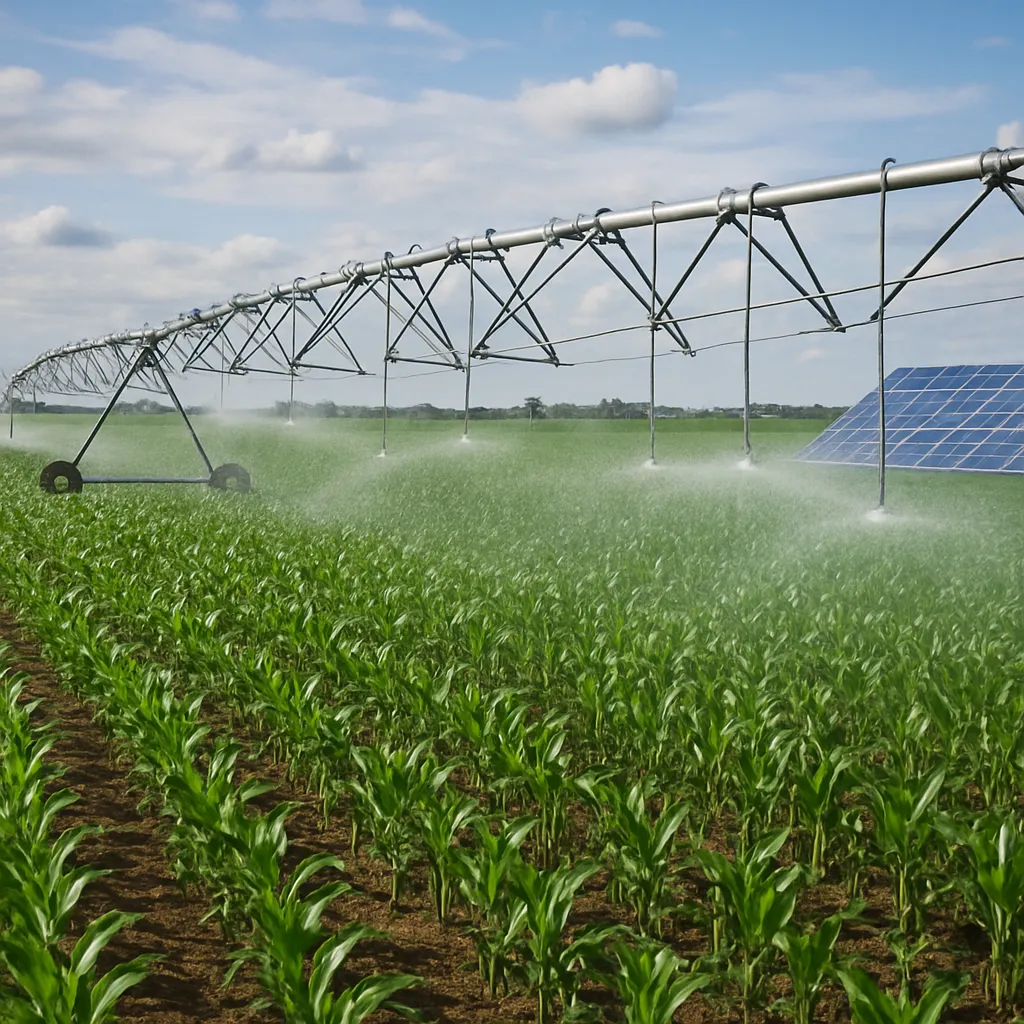
- Declining water tables push for efficient irrigation and drought-resistant crops.
- Greenhouse gas emissions from livestock and fertilizer use contribute to global warming.
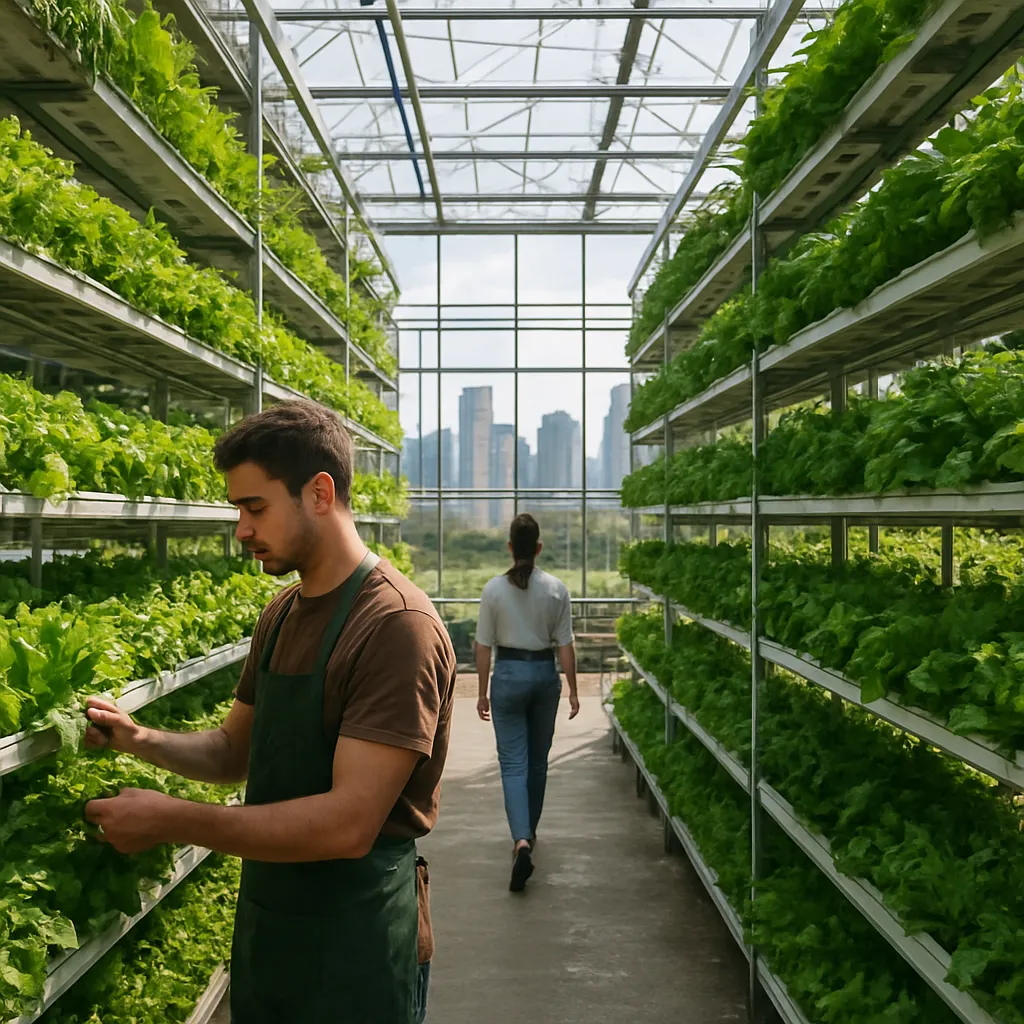
Addressing these pressures demands a shift toward more resilient approaches. Embracing **biodiversity**, regenerative techniques, and precision **technology** can help rebuild natural capital while sustaining yields.
Socioeconomic Constraints
- Smallholder farmers often lack access to credit, limiting investments in modern equipment.
- Rural outmigration diminishes labor pools and erodes local knowledge networks.
- Unpredictable market prices discourage long-term planning for sustainable practices.
Effective solutions hinge on bridging financial gaps and creating stable markets that reward environmental stewardship.
Government Policy Instruments and Strategies
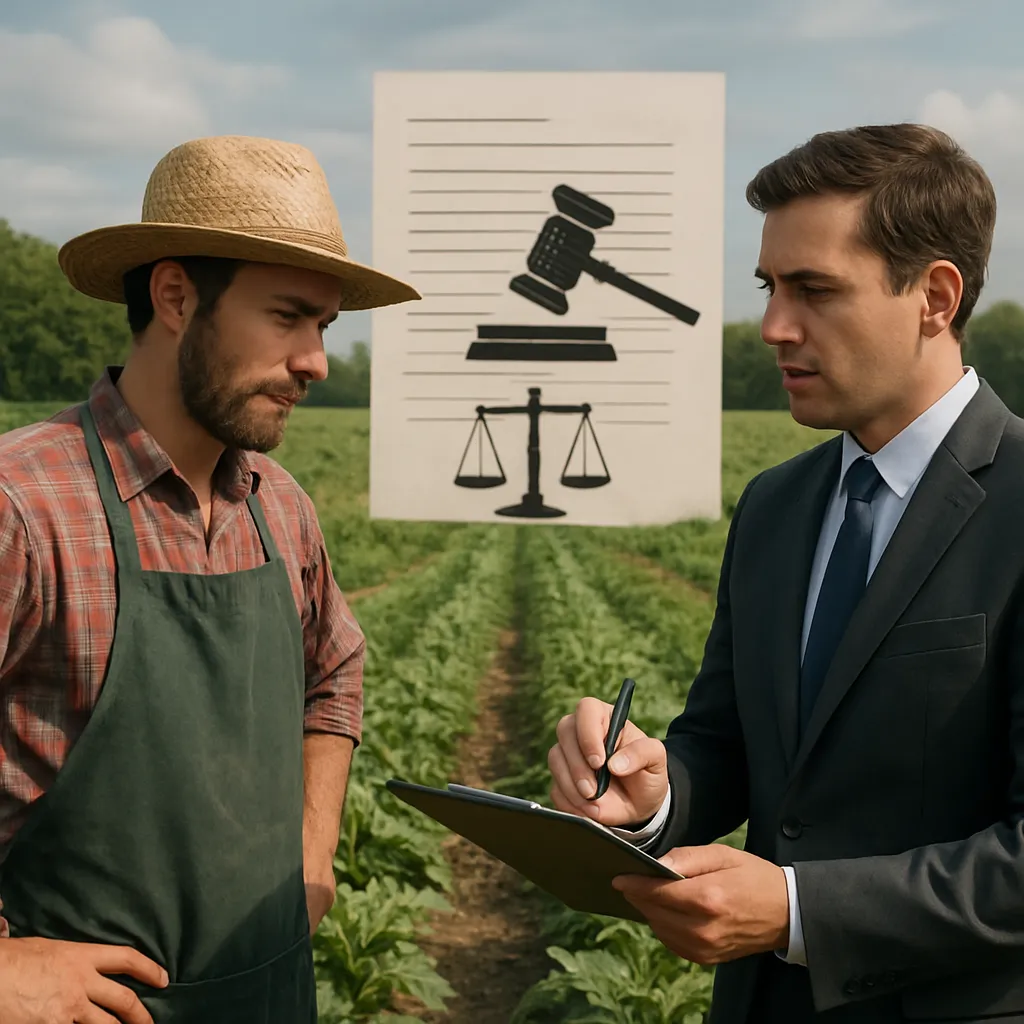
Public authorities deploy a diverse toolkit to steer agriculture toward sustainability. These instruments range from direct payments and **subsidies** to regulations and market-based incentives.
Regulatory Frameworks
- Environmental standards limit chemical runoff and mandate soil conservation zones.
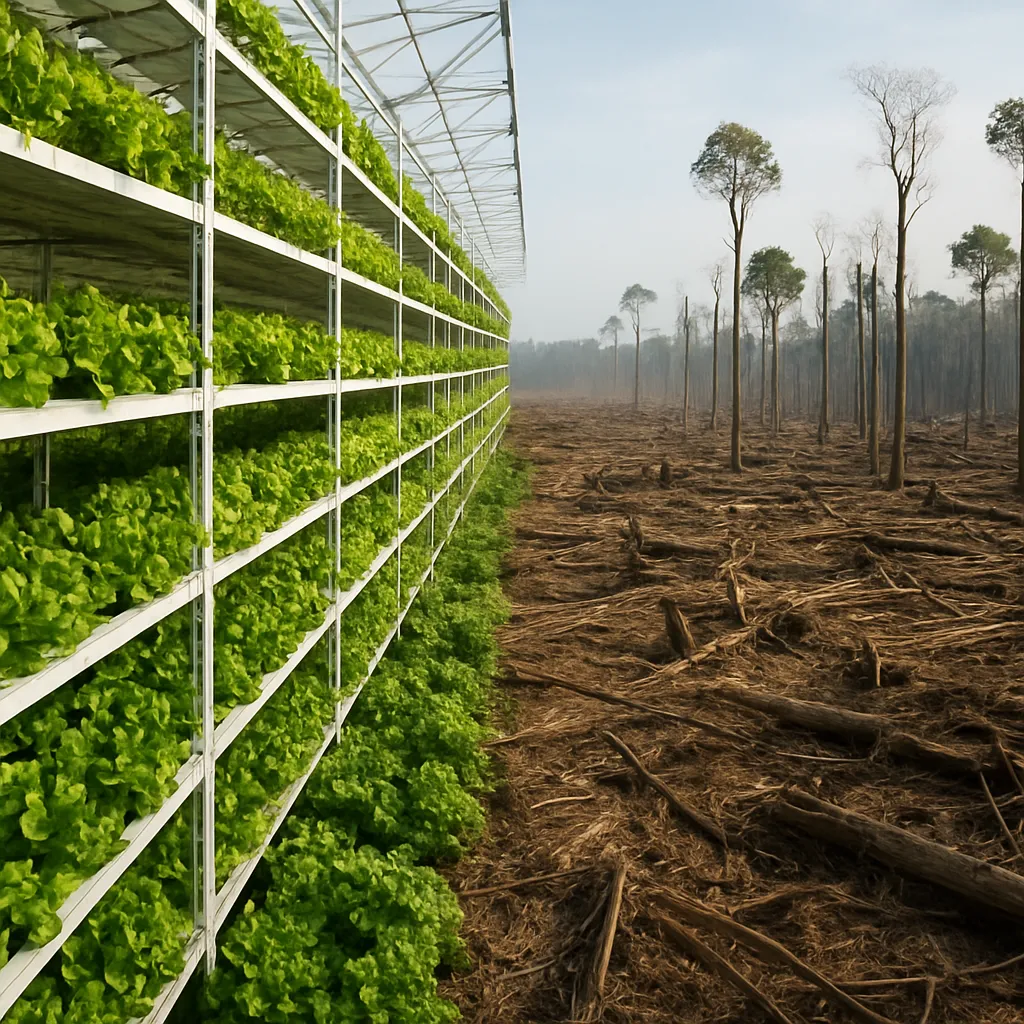
- Land-use planning restricts the conversion of forests and wetlands into cropland.
- Mandatory traceability ensures transparency in supply chains, reducing illegal deforestation.
Such measures set clear boundaries for producers, pushing them to adopt **innovation** in nutrient management and habitat preservation.
Financial Incentives
- Direct payments reward farmers who implement cover cropping or agroforestry systems.
- Tax credits for renewable energy installations (e.g., solar panels on barns) reduce greenhouse gas footprints.
- Subsidized loans finance high-efficiency irrigation, precision seeding, and alternative cropping systems.
By lowering upfront costs, governments facilitate transitions to practices that would otherwise be economically risky.
Market-Based Mechanisms
- Carbon credit schemes allow farmers to earn revenue by sequestering carbon in soils.
- Payments for ecosystem services compensate landholders for preserving waterways and pollinator habitats.
- Eco-labeling programs help consumers identify and pay premiums for sustainably produced goods.
These approaches harness market dynamics, aligning private profit motives with public environmental goals.
Case Studies of Policy Impact
Practical examples demonstrate how targeted interventions can transform agricultural landscapes.
European Union’s Common Agricultural Policy
- Cross-Compliance: Farmers must meet environmental criteria to receive agricultural subsidies, promoting habitat conservation and reduced fertilizer use.
- Greening Payments: A portion of direct payments is linked to crop diversification and maintenance of permanent grasslands.
- Rural Development Funds: Investments support organic farming, renewable energy projects on farms, and training programs for youth.
These measures have boosted adoption of **sustainable** practices across member states while preserving the EU’s competitive agricultural sector.
Brazil’s Low-Carbon Agriculture Plan
- Concessionary Credit Lines: Farmers receive low-interest loans when committing to no-till systems, integrated livestock-crop-forest models, and biological nitrogen fixation.
- Research Partnerships: Collaboration with research institutes accelerates the development of climate-resilient crop varieties.
- Monitoring and Enforcement: Satellite surveillance tracks deforestation, ensuring compliance with conservation agreements.
By coupling finance with robust monitoring, Brazil has reduced carbon emissions in its agri-food sector, setting a precedent for large-scale producers.
Kenya’s Renewable Energy and Agricultural Linkages
- Solar-Powered Irrigation: Grants enable smallholders to install solar pumps, replacing diesel engines and cutting fuel costs.
- Biogas Digesters: Agricultural waste is converted into clean energy, providing cooking fuel and organic fertilizer as byproducts.
- Extension Services: Government-led training ensures proper maintenance and maximizes benefits of renewable installations.
These initiatives illustrate how integrated approaches yield both environmental and socioeconomic dividends.
Future Directions for Policy and Practice
Continued progress depends on refining existing policies and exploring novel frameworks that respond to evolving challenges.
Adaptive Governance
- Real-time data platforms can inform dynamic subsidy rates tied to weather anomalies or pest outbreaks.
- Participatory decision-making empowers local communities to shape land management in line with regional priorities.
- Policy cycles should integrate scientific research quickly, ensuring **resilience** to emerging threats.
Scaling Up Innovation
- Digital platforms connecting farmers to input suppliers and market buyers reduce transaction costs.
- Public–private partnerships fund genetic research for drought-tolerant and pest-resistant crop strains.
- Mobile advisory services deliver best-practice guidelines directly to field workers in remote areas.
By accelerating the diffusion of **technology**, governments can drive broad-based adoption of cutting-edge solutions.
Cross-Sector Collaboration
- Linking food, energy, and water policies avoids conflicting objectives and optimizes resource use.
- Transnational agreements on soil carbon accounting create unified markets for ecosystem services.
- Coordinated disaster response plans protect food supply chains against extreme weather and pests.
Integrated strategies break down silos, ensuring that agricultural policy reinforces broader economic and environmental goals.
Key Terms
- sustainable
- climate change
- policy
- subsidies
- innovation
- resilience
- biodiversity
- technology
- rural development
- environmental