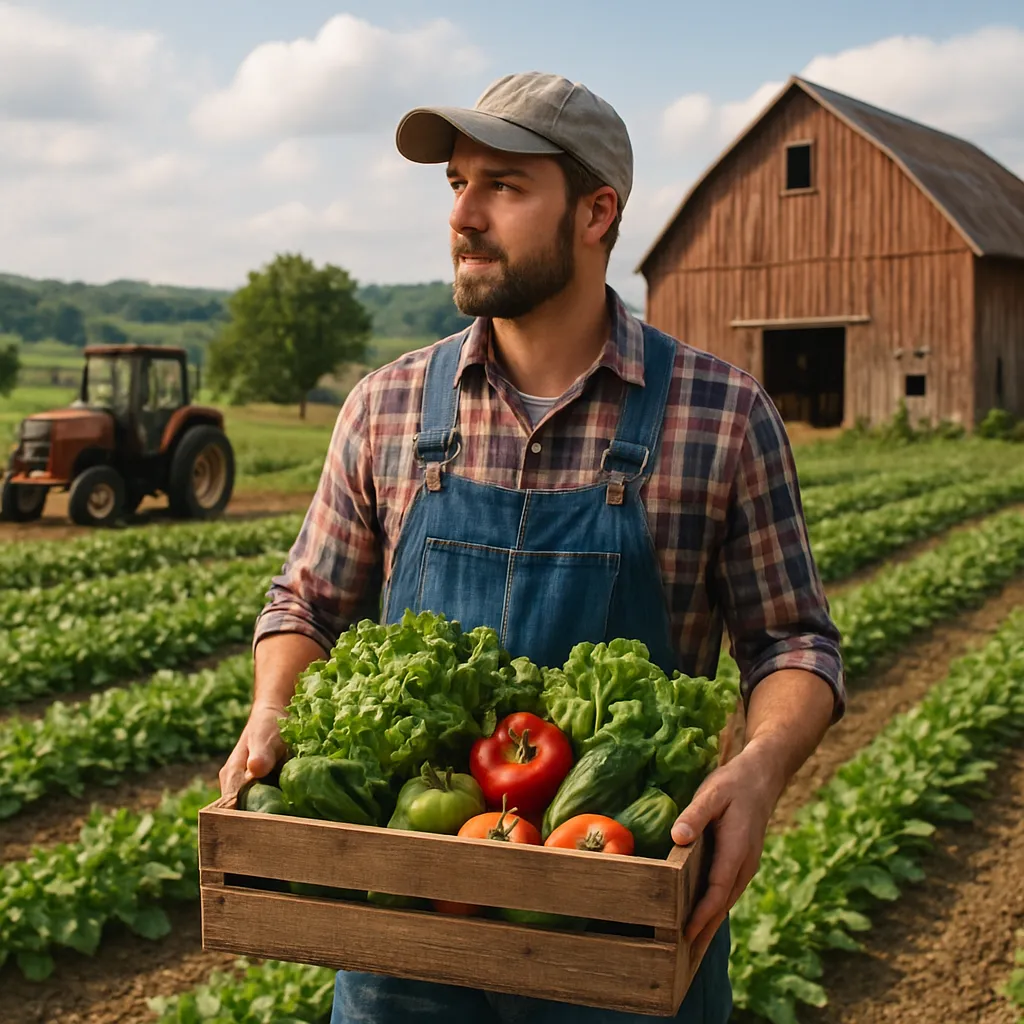
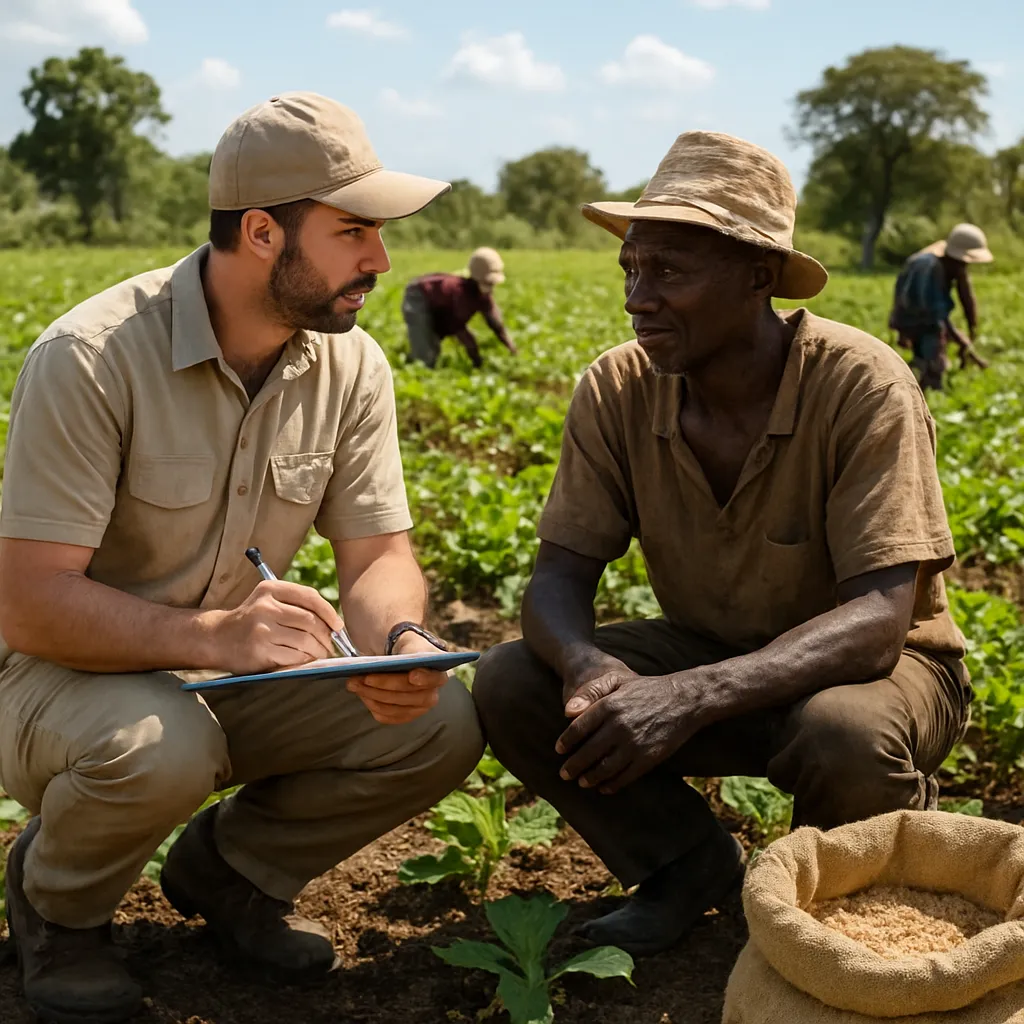
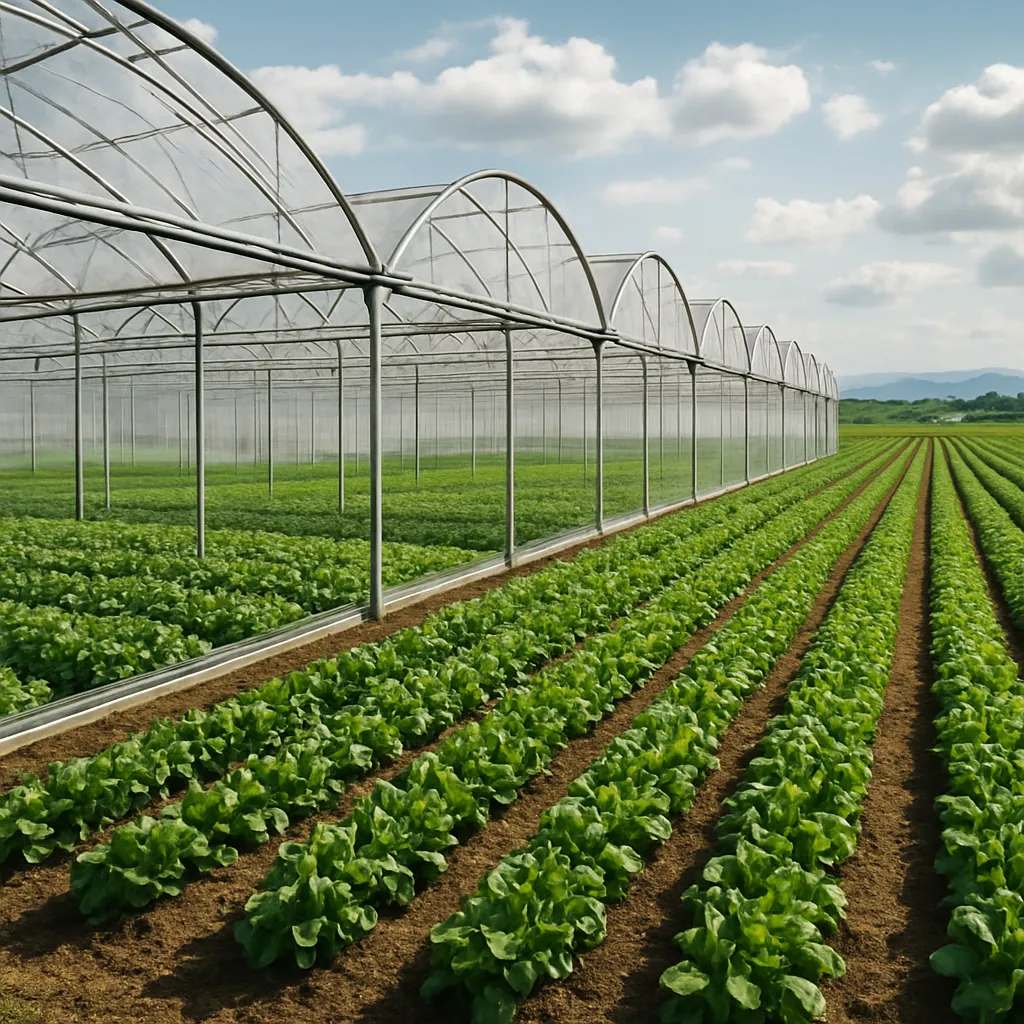
Advancements in science and technology have revolutionized the way farmers manage resources, protect crops and animals, and optimize production. Across diverse regions—from smallholder plots in Sub-Saharan Africa to large-scale agribusinesses in North America—research plays a fundamental role in shaping the future of food security, environmental stewardship, and economic viability. The global agricultural landscape thrives on targeted experiments, cutting-edge trials and cross‐disciplinary initiatives that aim to push the boundaries of what is possible on the world’s farms.
Enhancing Crop Productivity through Research and Development
Meeting the demands of a growing population requires breakthroughs that dramatically increase yield while conserving finite resources. Agricultural scientists and crop breeders employ advanced methodologies to create high-performing varieties that can withstand biotic and abiotic stresses such as pests, diseases and drought. Through field trials and greenhouse studies, teams test new gene edits, introduce novel traits and evaluate performance under diverse environmental conditions.
Genomic Advances and Crop Improvement
Progress in genomics has unlocked unprecedented possibilities for precision breeding. By decoding the genetic makeup of staple crops—rice, wheat, maize—researchers identify markers linked to desirable attributes like nutrient use efficiency and pest resistance. Marker-assisted selection and CRISPR-based editing accelerate the breeding cycle, slashing years off traditional development timelines. This genetic insight helps ensure that new cultivars can flourish in marginal soils or adapt to shifting rainfall patterns, boosting overall productivity.
Precision Agriculture and Digital Tools
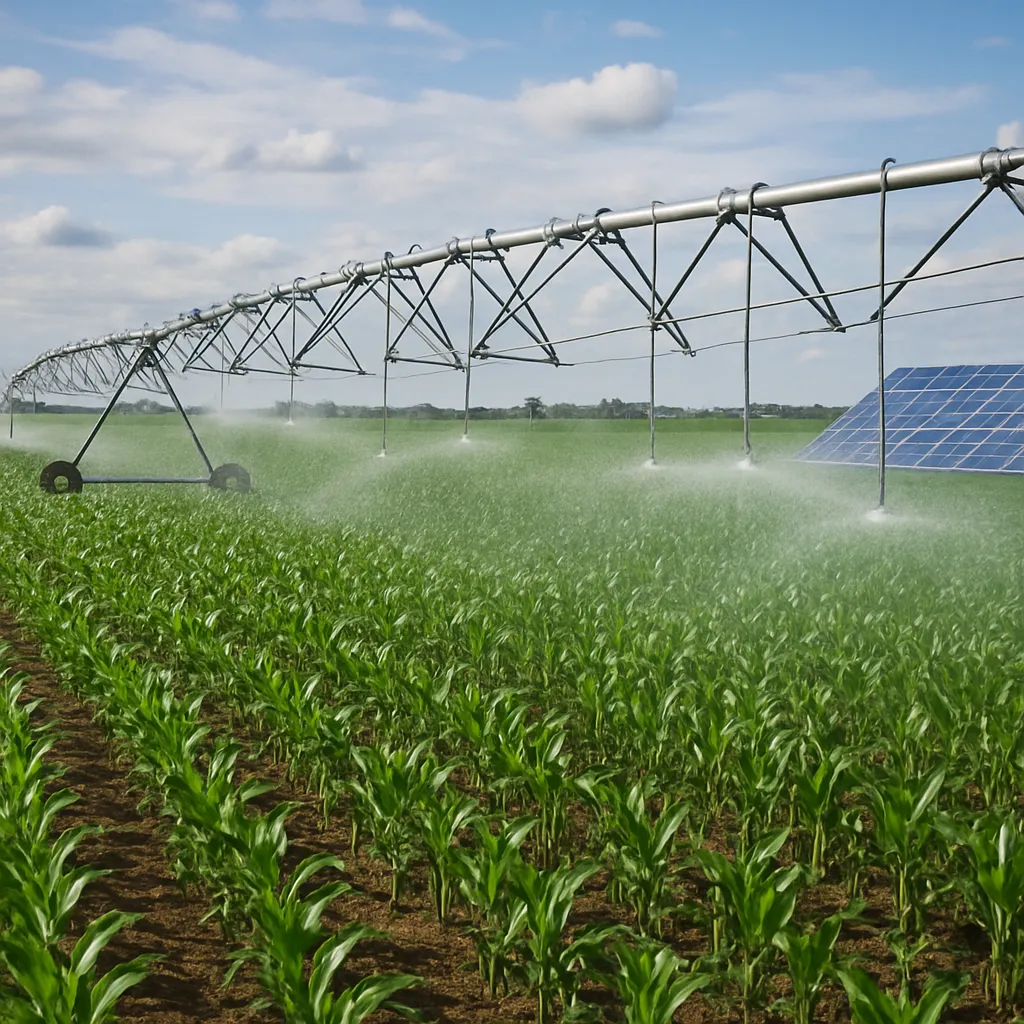
Integrating sensors, drones and satellite imagery has given rise to precision farming approaches that optimize input application and monitor crop health in real time. Soil moisture probes guide irrigation schedules, minimizing water waste while sustaining yields. Variable-rate technology adjusts fertilizer distribution according to field variability, curbing runoff and enhancing nutrient uptake. Data-driven decision support systems offer predictive models for pest outbreaks, facilitating targeted interventions that protect both crops and beneficial organisms.
Innovations in Sustainable Farming Practices
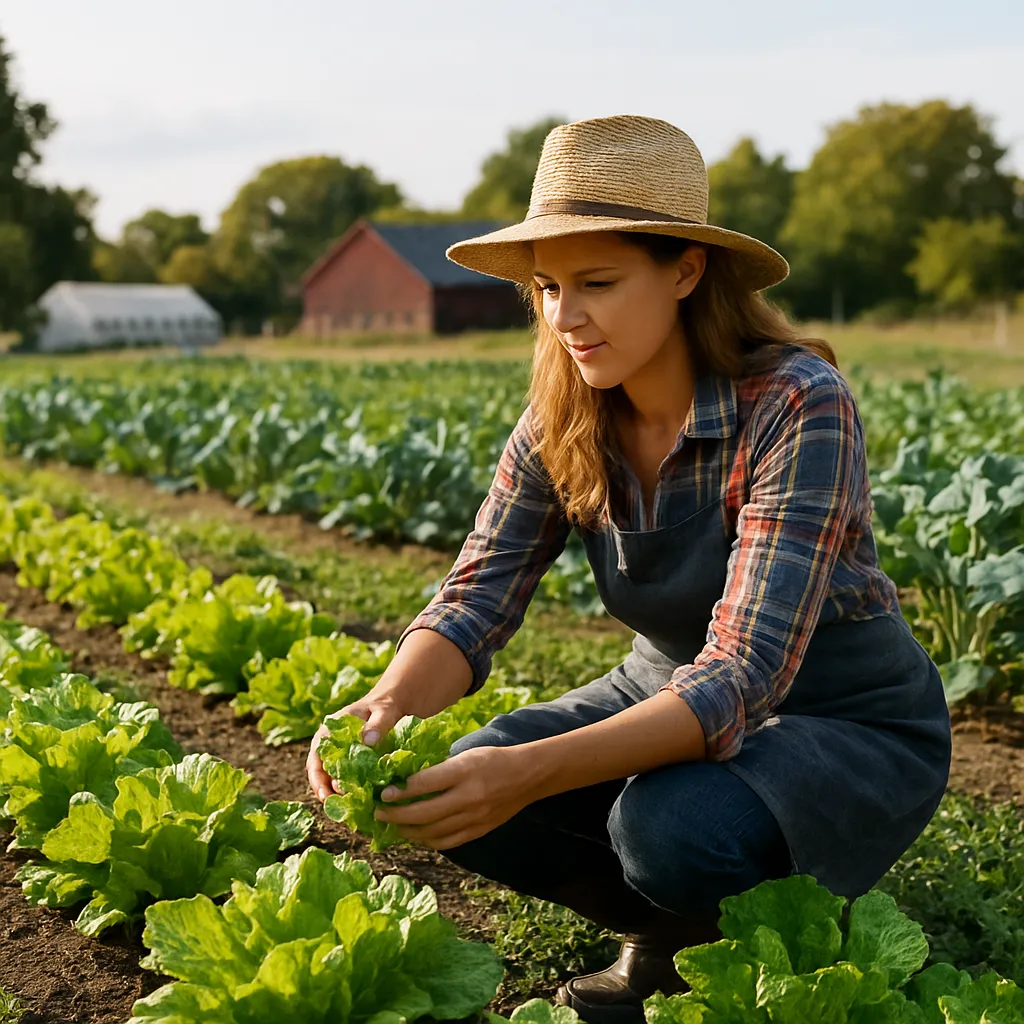
Balancing production goals with ecological integrity demands creative solutions that respect natural cycles. R&D efforts focus on regenerative methods that restore soil vitality, promote biodiversity and mitigate greenhouse gas emissions. By designing integrated systems, researchers help farmers build resilient operations that can absorb shocks from extreme weather and market fluctuations.
- Agroforestry: Combining trees with crops or livestock enhances carbon sequestration and improves microclimates. Timber, fruit and fodder species provide income diversification while stabilizing soils.
- Cover Cropping: Planting cover crops during off-seasons prevents erosion, suppresses weeds and enriches soil organic matter.
- Integrated Pest Management: Biological controls, pheromone traps and habitat manipulation reduce reliance on chemical pesticides.
- Water Harvesting: Rainwater capture and precision drip systems optimize water use in arid regions, building resilience to drought.
Soil Health Management
Maintaining vibrant soil ecosystems underpins long-term productivity. Researchers explore microbial inoculants and organic amendments that bolster nutrient cycling and disease suppression. Long-term trials compare no-till and conservation tillage with conventional plowing, revealing trade-offs between weed pressure and carbon storage. Such studies guide best practices that conserve topsoil and enhance farm profitability.
Collaborations and Policy Support for Global Agriculture R&D
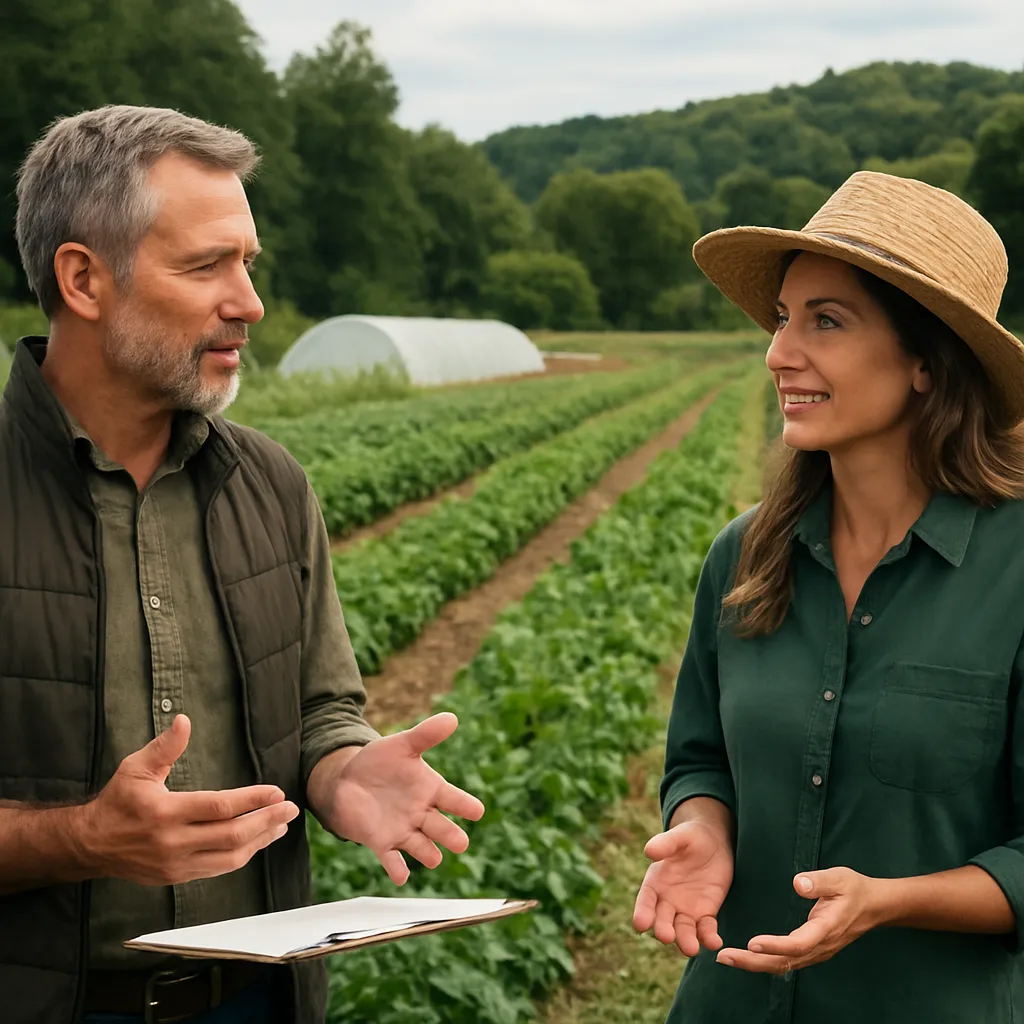
Translating laboratory breakthroughs into tangible benefits on farms requires coordinated partnerships and enabling frameworks. Public institutions, private companies and non-governmental organizations unite to fund, execute and disseminate research outcomes. This multi‐stakeholder collaboration ensures that innovations reach smallholders and commercial enterprises alike, bridging gaps between knowledge generation and on-the-ground adoption.
International Partnerships
Consortia such as the Consultative Group on International Agricultural Research (CGIAR) drive cross-border projects focused on staple crops and livestock systems. Collaborative platforms share germplasm, data and best practices, accelerating progress against global challenges like malnutrition and climate change. Regional hubs facilitate technology transfer, adapting discoveries to local agroecological contexts and socio-economic realities.
National Policies and Funding Mechanisms
Governments play a pivotal role in shaping the R&D environment through strategic investments and regulation. Supportive policy frameworks incentivize private sector engagement via grants, tax credits and public-private partnerships. Agricultural extension networks and demonstration farms translate scientific findings into actionable guidance for rural communities. Adequate funding ensures long-term research programs and fosters an ecosystem where innovation can thrive from the laboratory bench to vast farmlands.
Climate-Smart Agriculture and Future Directions
Anticipating global warming scenarios, researchers champion climate-smart practices that reduce emissions, enhance sequestration and sustain production. Crop insurance schemes, early warning systems and blue-green infrastructure exemplify integrated strategies to fortify farms against extreme events. Continued investments in biotechnology, digital tools and training will be indispensable for a resilient and prosperous global agriculture sector.