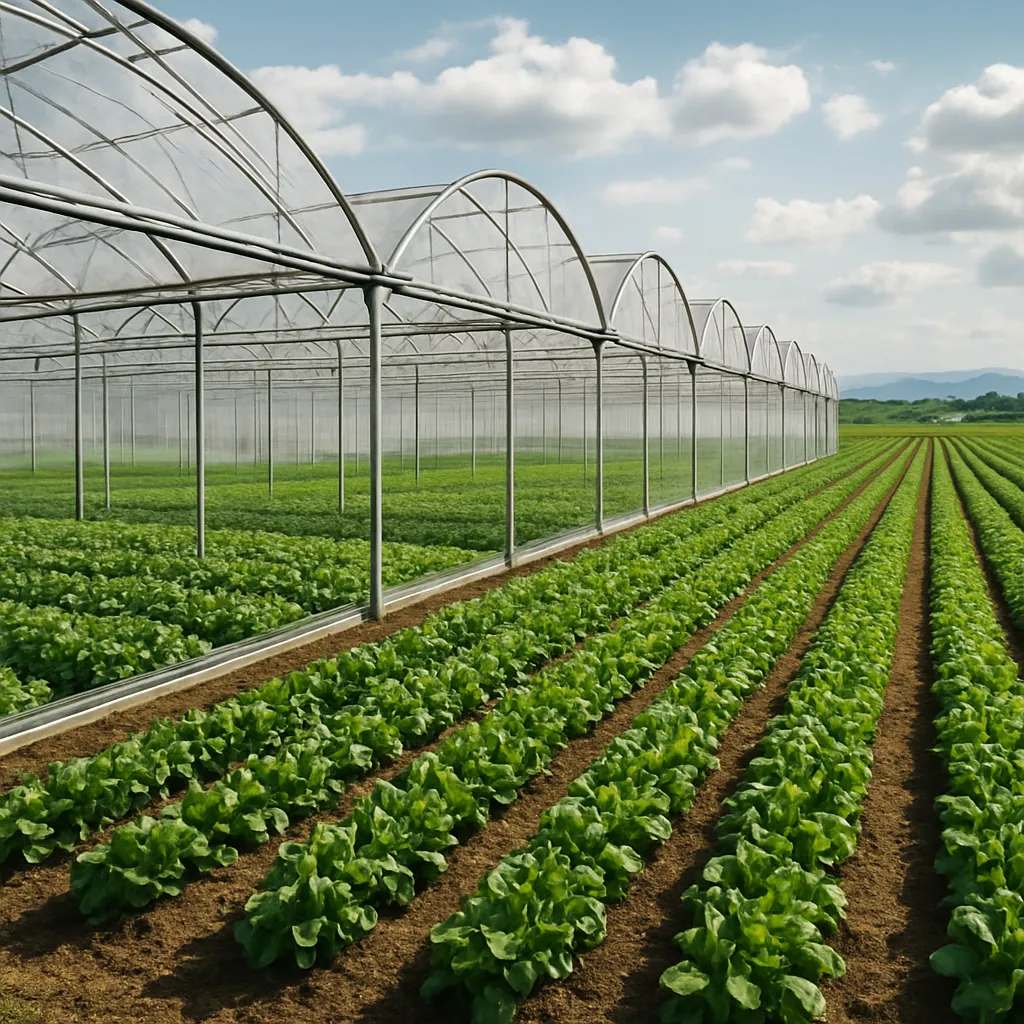
Healthy soils form the backbone of robust agricultural systems across diverse landscapes. From expansive plains to terraced hillsides, the vitality of farmland is intimately tied to the physical, chemical, and biological characteristics of the ground beneath our feet. By emphasizing **soil** management practices that nurture **organic matter**, farms around the globe can enhance **nutrient** cycling, foster **biodiversity**, and drive long-term **sustainability**. This article explores key strategies, emerging challenges, and inspiring success stories that illustrate how investing in soil health paves the way for a more resilient global food supply.
Foundations of Soil Health and Its Global Significance
Understanding the fundamental components of soil is essential for effective on-farm decision-making. A soil profile is shaped by factors such as parent material, climate, topography, organisms, and time. These elements interact to create a medium that provides:
- Physical support for plant roots and machinery
- Retention and supply of water to crops
- Storage and cycling of essential nutrients
- Habitat for a multitude of soil-dwelling organisms
Key Properties Influencing Productivity
- Soil Texture: The proportion of sand, silt, and clay determines water infiltration and retention.
- Soil Structure: Aggregation affects aeration and root penetration.
- pH and Organic Matter: Critical for nutrient availability and buffering capacity.
When these properties are optimized, soils support increased productivity without depleting finite resources. Conversely, degraded soils often exhibit compaction, erosion, salinization, or nutrient imbalances that hamper yields and elevate input costs.
Challenges Facing World Farms
Across continents, farmers confront a series of interlinked pressures that threaten soil integrity and long-term productivity:
- Intensive Tillage: Disrupts soil structure, accelerates erosion, and reduces microbial habitat.
- Monoculture Systems: Deplete specific nutrients and limit crop rotation benefits.
- Climate Extremes: Droughts, floods, and temperature swings undermine soil stability.
- Urbanization and Land Conversion: Fragment agricultural land and alter watershed dynamics.
Socioeconomic Barriers
- Limited Access to Extension Services: Smallholders may lack knowledge of advanced conservation methods.
- Financial Constraints: Upfront costs for cover crops or no-till equipment can be prohibitive.
- Policy Gaps: Incentives for soil stewardship are unevenly distributed across regions.
Addressing these obstacles is critical if farms are to remain economically viable while providing ecosystem services such as carbon sequestration and water regulation.
Innovative Soil Management Practices worldwide
Farmers and researchers are partnering to implement approaches that restore and maintain soil health at scale:
No-Till and Conservation Agriculture
- Minimizes disturbance, preserving **microbial diversity** and organic matter decomposition pathways.
- Reduces fuel use and labor expenses, while curbing erosion and enhancing water infiltration.
Cover Cropping and Crop Rotations
- Cover Crops: Legumes, grasses, and brassicas improve **nutrient** retention and suppress weeds.
- Diverse Rotations: Alternate deep- and shallow-rooted species to break pest cycles and balance nutrient uptake.
Agroforestry and Perennial Systems
- Integrating trees with crops or livestock promotes **carbon sequestration** and microclimate regulation.
- Perennial grasses and shrubs protect soils year-round, enhancing **resilience** to weather extremes.
In Brazil’s Cerrado region, farmers have combined no-till and integrated livestock grazing, leading to remarkable increases in soil organic carbon and **ecosystem services**. Similarly, in Kenya’s smallholder farms, legume-based rotations have boosted maize yields while improving soil fertility naturally.
Policy, Education, and Future Directions
Scaling up soil health initiatives requires aligned governance, research, and grassroots engagement. Key components include:
- Subsidy Realignment: Direct payments towards conservation practices like buffer strips and cover cropping.
- Knowledge Exchange: Strengthen extension networks and farmer-to-farmer learning platforms.
- Research Investments: Support long-term field trials to quantify benefits and refine region-specific guidelines.
International Collaborations
Programs such as the Global Soil Partnership and the 4 per 1000 Initiative emphasize cross-border data sharing and capacity-building, aiming to increase soil organic carbon stocks worldwide by 0.4% annually. By linking scientists, policymakers, and producers, these efforts seek to transform isolated successes into widespread adoption.
Technological Innovations
- Remote Sensing: Satellite and drone imagery track erosion hotspots and moisture stress in real time.
- Soil Sensors: In situ probes measure moisture, pH, and nutrient levels to inform precision inputs.
- Data Analytics: Machine learning algorithms synthesize diverse datasets for predictive soil health modeling.
Looking ahead, integrating digital tools with time-tested ecological principles will empower farms of all scales to maintain robust soils. As the global population rises and climate uncertainties intensify, healthy soils represent humanity’s best ally in securing food security and delivering essential ecosystem functions.