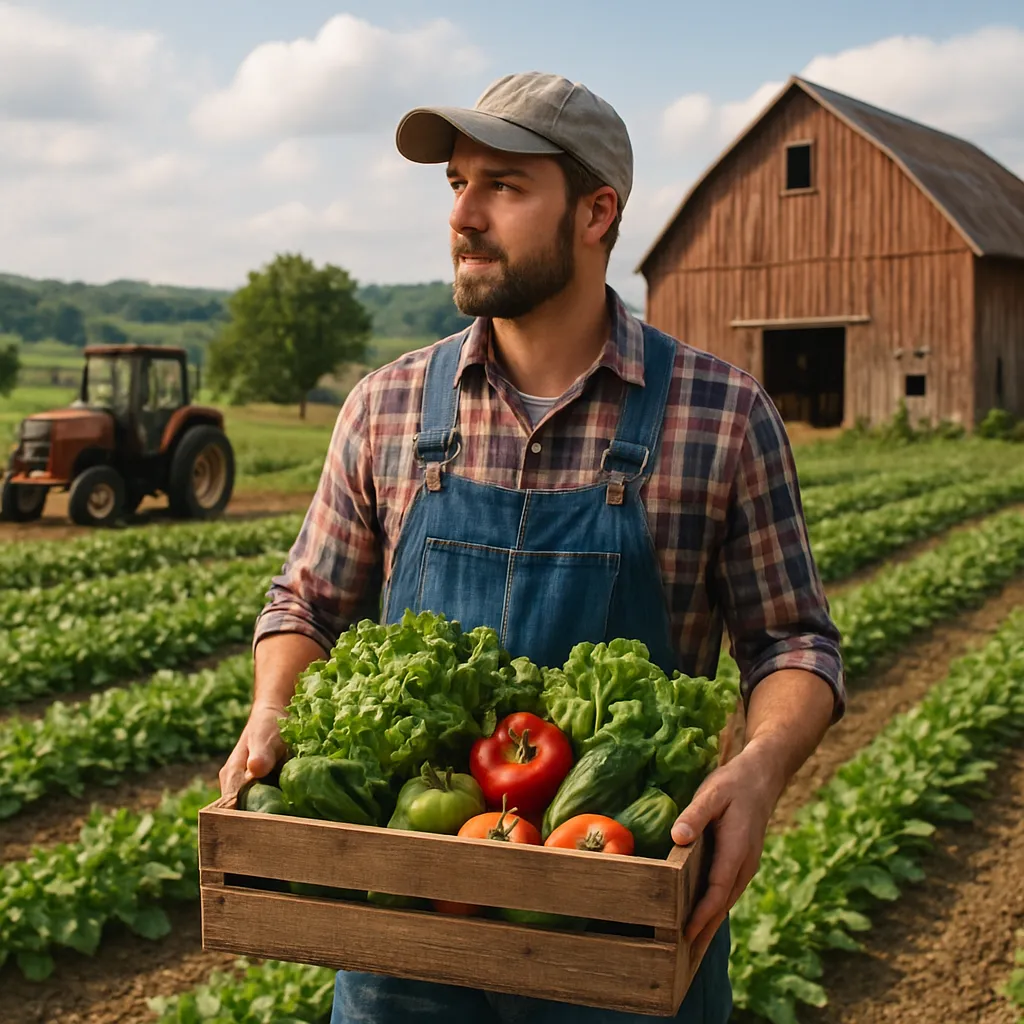
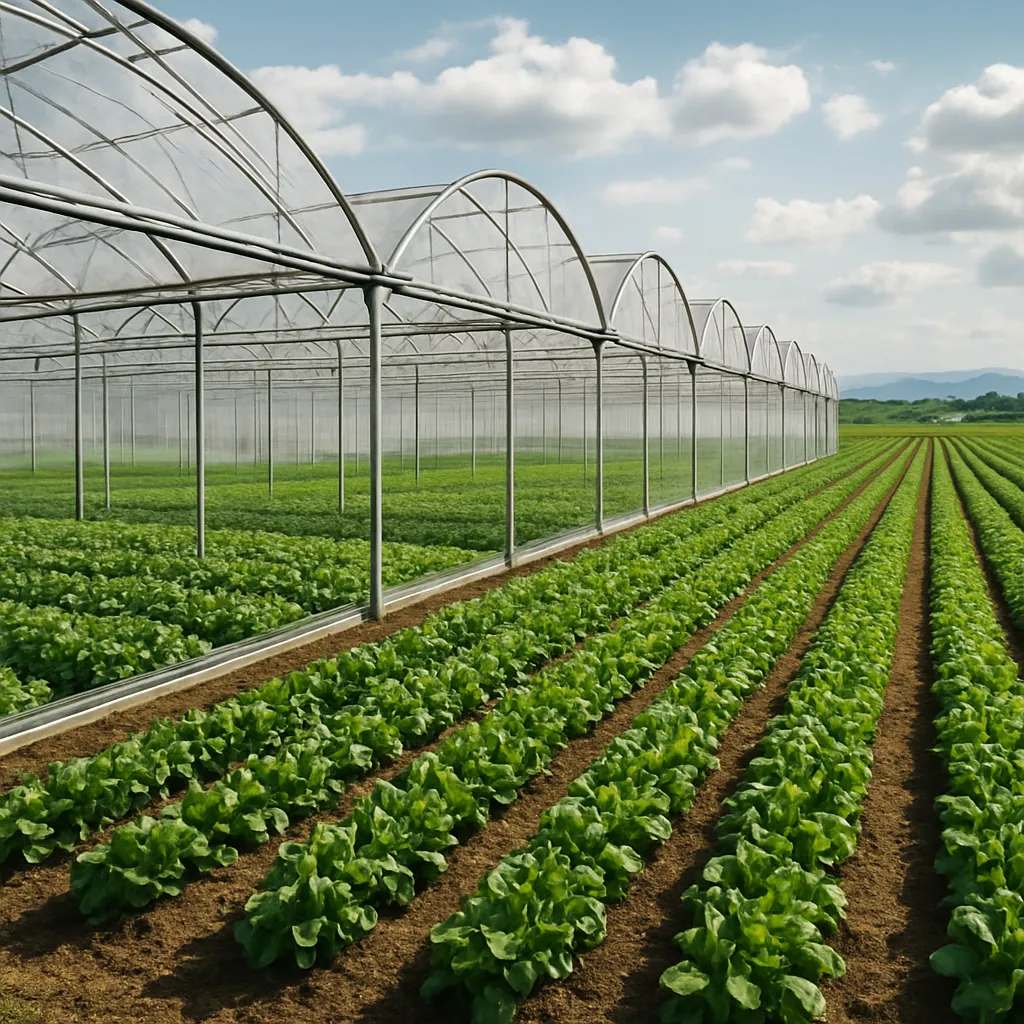
The global agricultural landscape is undergoing a profound transformation driven by innovative startups that harness cutting-edge technologies to address age-old challenges. From precision soil analysis to automated harvesting, these ventures are redefining how food is grown, distributed, and consumed worldwide. By integrating data-driven solutions with traditional farming practices, agri-tech entrepreneurs are unlocking new avenues for enhanced productivity, resource conservation, and food security. This article explores the major technological breakthroughs, the implications for smallholder farmers, and the investment trends shaping the future of world farms.
Technological Innovations Transforming Agriculture Globally
Precision Farming and Data Analytics
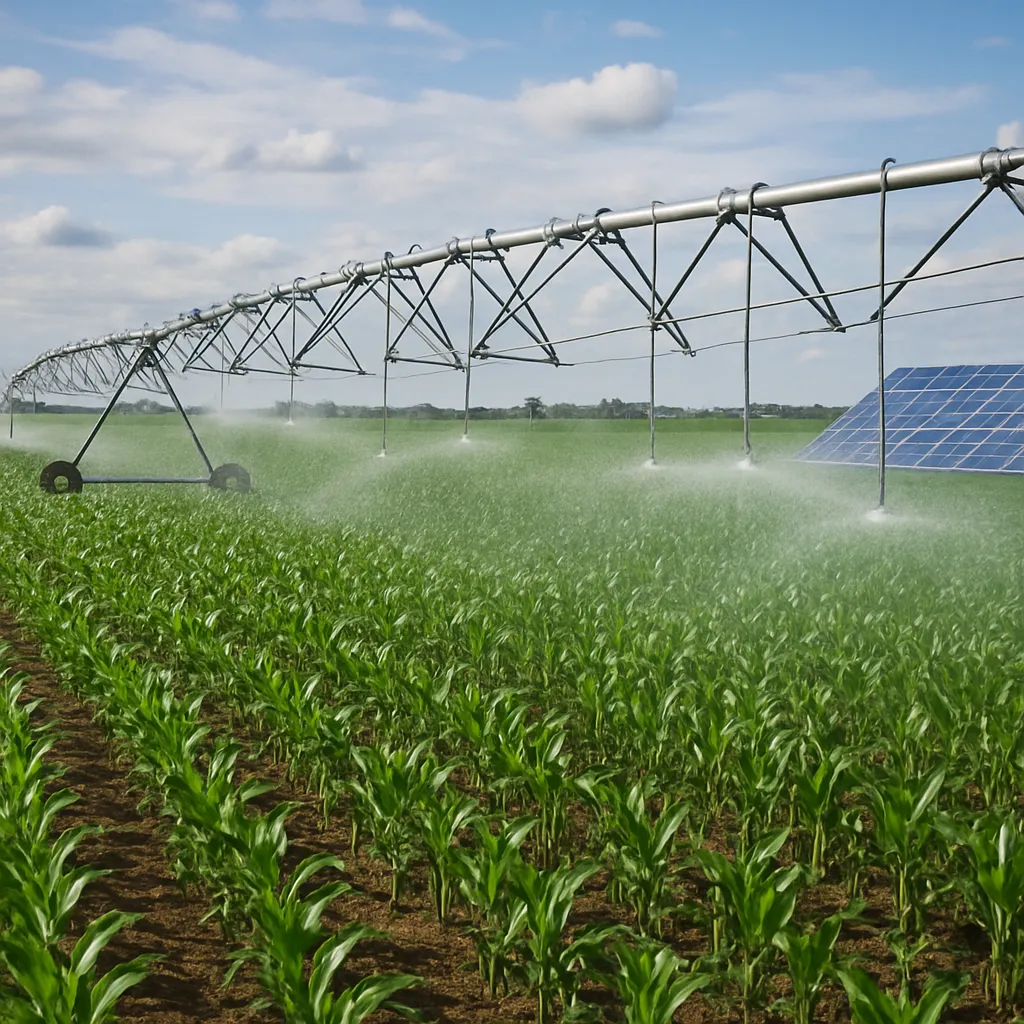
Precision farming has emerged as one of the most impactful applications of artificial intelligence in agriculture. By leveraging IoT sensors, satellite imagery, and advanced analytics platforms, farmers can collect real-time data on soil moisture, nutrient levels, and microclimatic conditions. These granular insights enable site-specific interventions that optimize fertilizer use, reduce water waste, and minimize environmental footprints. Leading agri-tech startups offer comprehensive dashboards that integrate field data with predictive models for yield prediction, empowering growers to make informed decisions at every growth stage.
Drone Technology and Autonomous Machinery
Unmanned aerial vehicles (UAVs), commonly known as drones, are revolutionizing field scouting and crop monitoring. Equipped with multispectral cameras, these drones capture high-resolution images that detect early signs of pest infestation, disease outbreaks, and nutrient deficiencies. Meanwhile, autonomous tractors and robotic harvesters are advancing rapidly, executing planting and harvesting tasks with minimal human intervention. Firms specializing in robotics are collaborating with traditional equipment manufacturers to retrofit existing machinery with machine-vision systems and GPS-based guidance, driving the adoption of automation across large-scale farms.
Vertical Farming and Controlled-Environment Agriculture
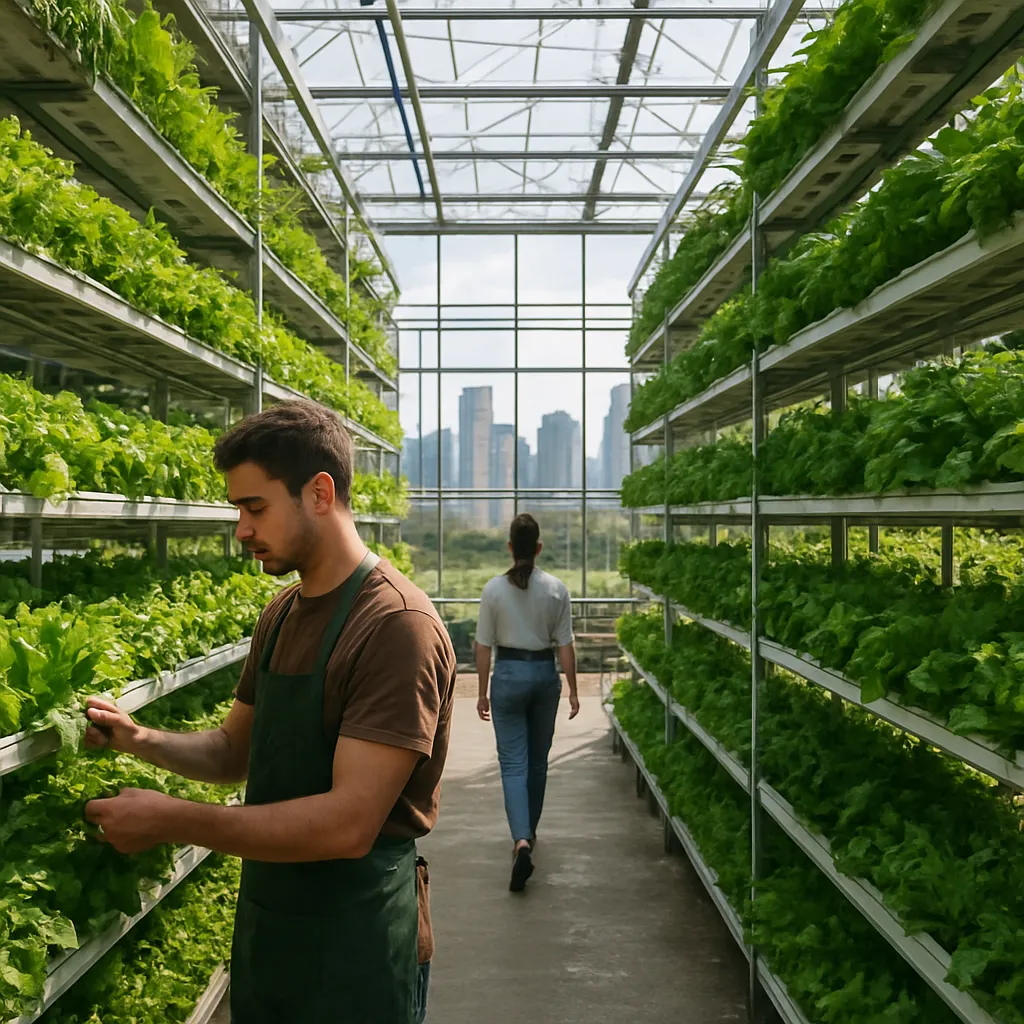
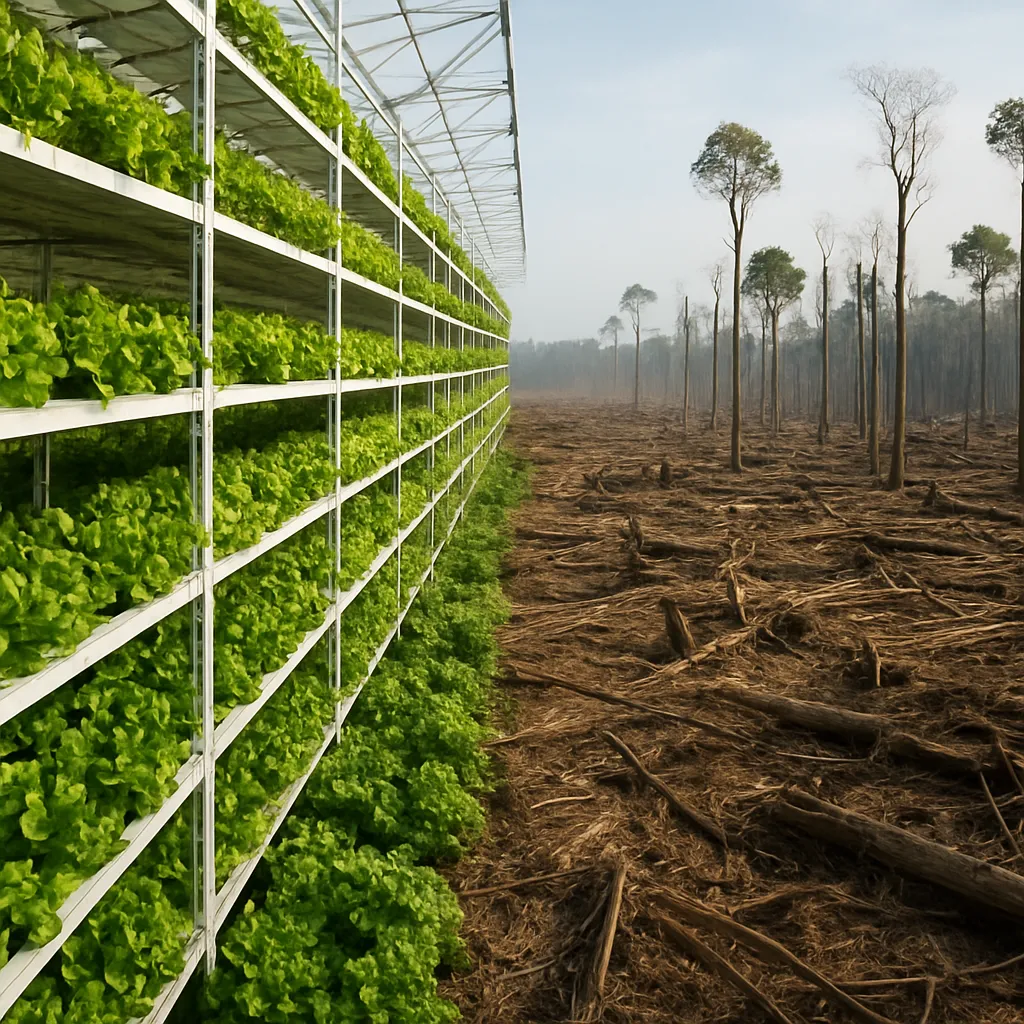
Urban populations and shrinking arable land have spurred interest in vertical farming and controlled-environment agriculture (CEA). These systems employ stacked layers of hydroponic or aeroponic beds within climate-controlled warehouses, enabling year-round cultivation of leafy greens and herbs. Key advantages include drastically reduced water usage, minimal pesticide requirements, and proximity to urban consumers that curtails transportation emissions. Startups in this sector are also exploring LED lighting spectrums and AI-driven nutrient delivery schedules to enhance plant growth rates and nutritional content.
Challenges and Opportunities for Smallholder Farmers
Bridging the Digital Divide
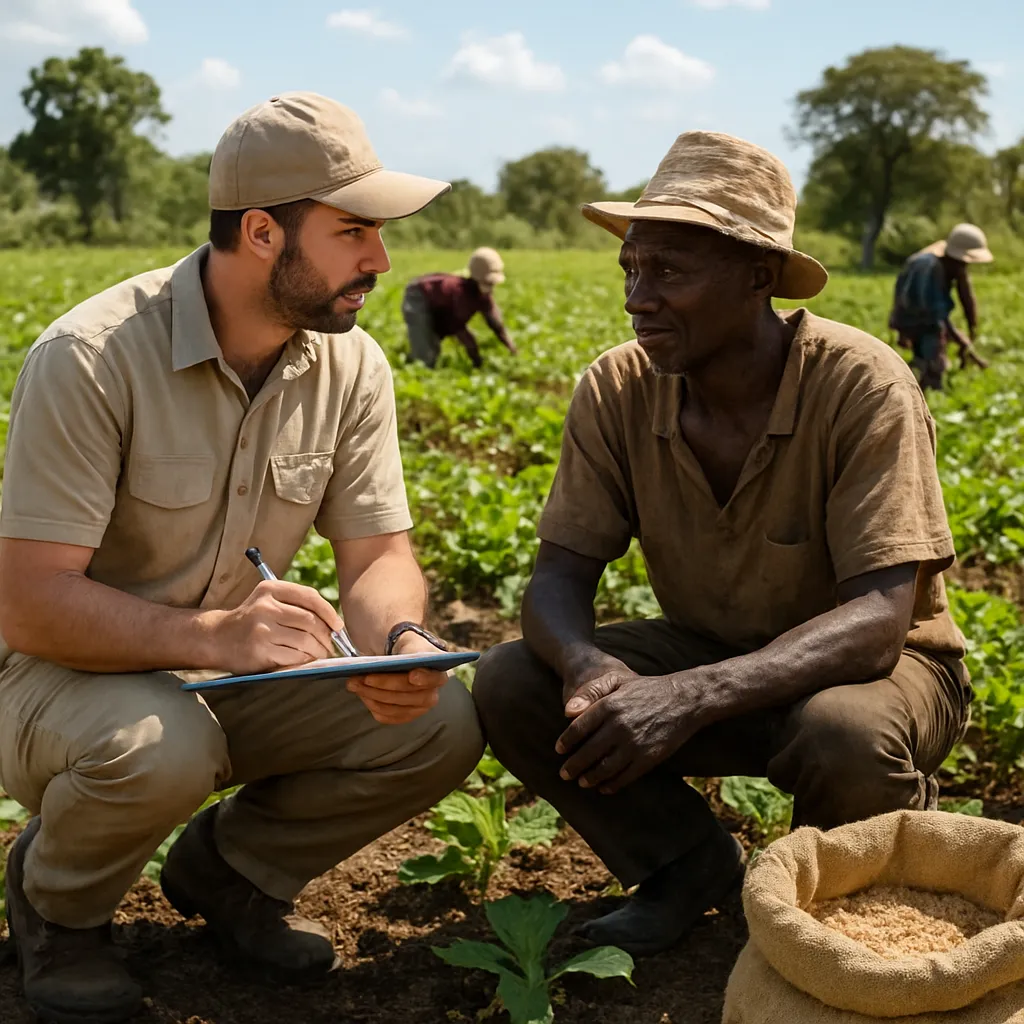
Despite the promise of high-tech solutions, many smallholder farmers in developing regions face barriers to adoption, such as limited internet connectivity, lack of capital, and insufficient digital literacy. To address this, social enterprise models have emerged that bundle affordable hardware with localized support services. Mobile-based decision-support apps, compatible with basic feature phones, deliver tailored agronomic advice, weather forecasts, and market price updates in local languages. By making data accessible via SMS or USSD platforms, these solutions help farmers optimize planting schedules, select disease-resistant crop varieties, and negotiate better prices for their produce.
Cooperatives and Shared Resource Models
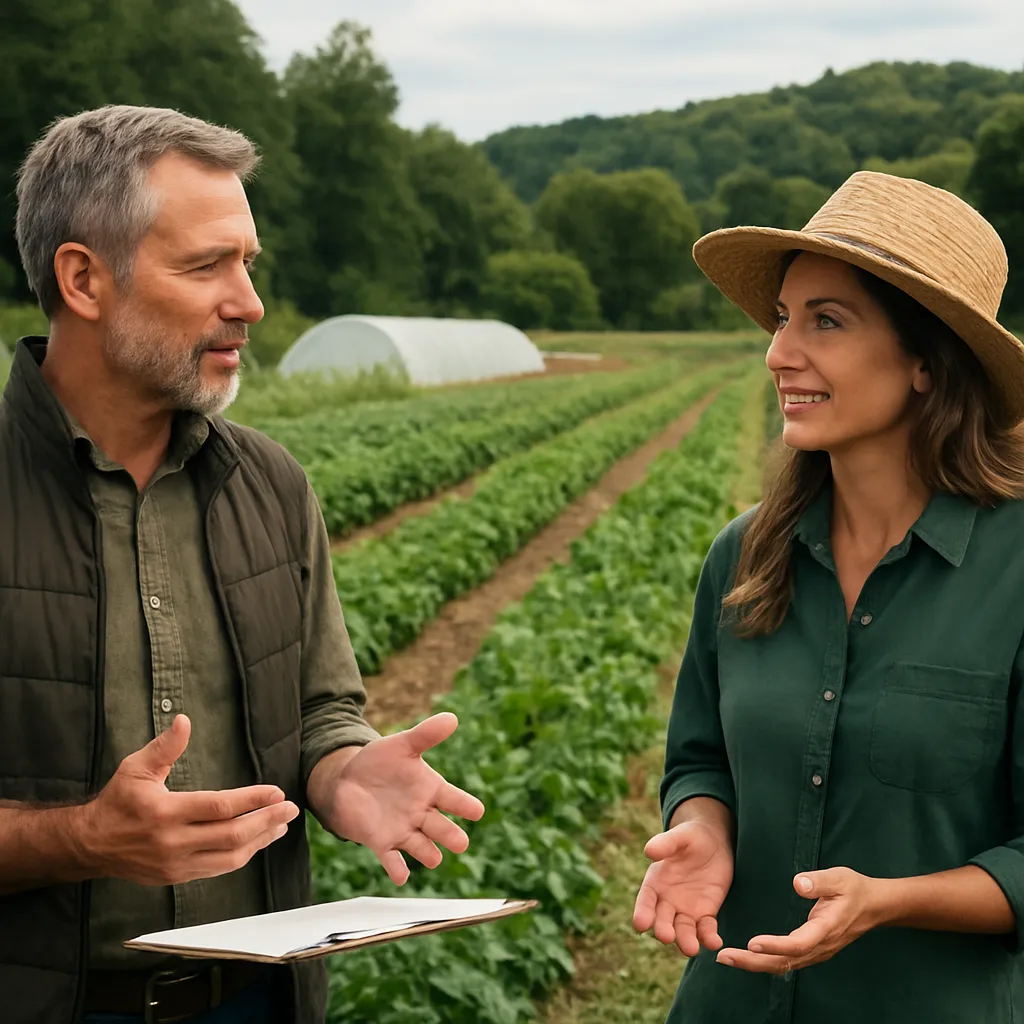
Cooperative frameworks are enabling small growers to pool resources and access advanced technologies collectively. Through equipment-sharing schemes, farmers can rent precision planters, multispectral scanners, and solar-powered irrigation pumps on a pay-per-use basis. This collaborative approach reduces upfront investment costs and fosters knowledge exchange among peers. In regions where land fragmentation impedes mechanization, cooperative-operated drone services and soil-testing labs provide scalable solutions that benefit entire communities.
Climate Resilience and Sustainable Practices
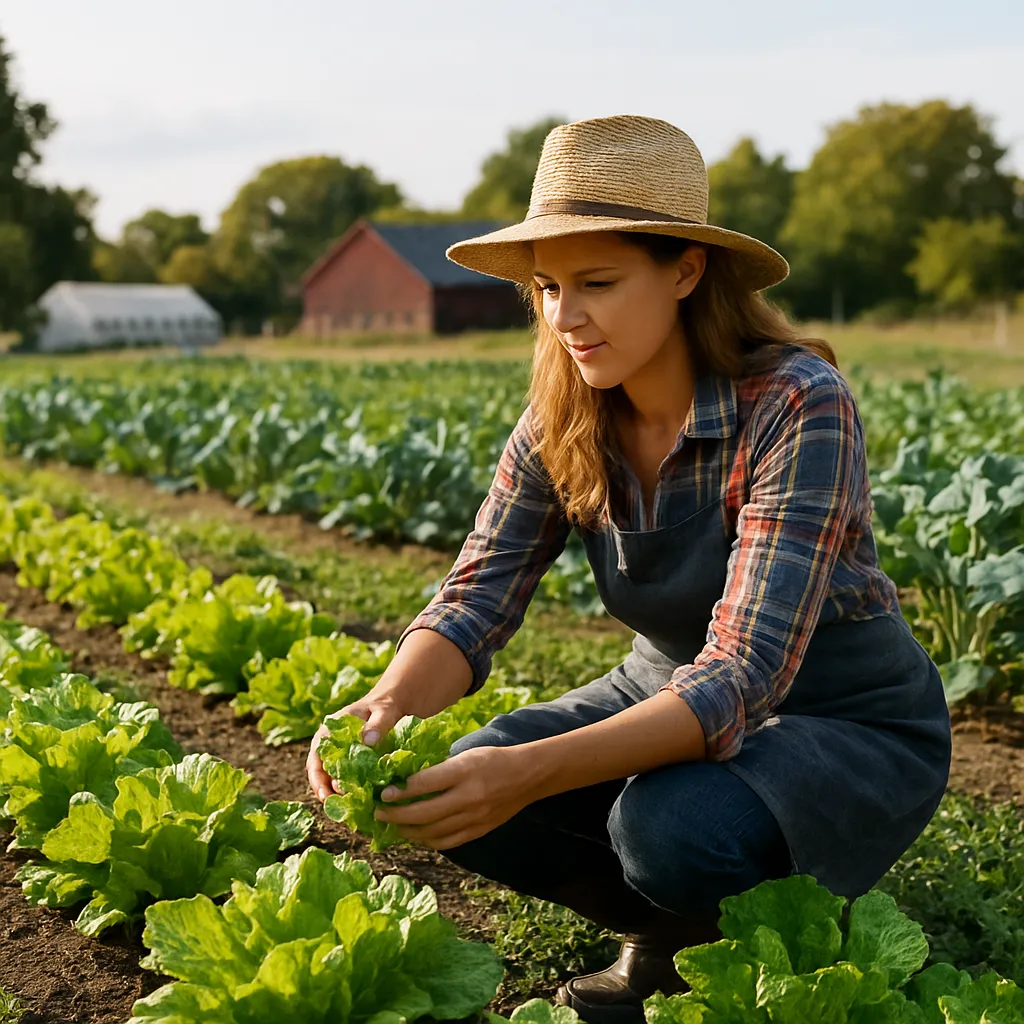
With climate change amplifying the frequency of extreme weather events, smallholders require resilient strategies to safeguard yields. Agri-tech startups are introducing climate-smart seeds, CRM-integrated early warning systems, and blockchain-enabled supply chains that trace produce from seed to plate. These innovations enhance transparency, build consumer trust, and open doors to premium markets for sustainably certified products. By adopting regenerative practices—such as cover cropping, minimal tillage, and agroforestry—farmers can improve soil health, sequester carbon, and maintain long-term productivity.
Investment Trends and Future Outlook
Venture Capital Flows into Agri-Tech
Investor interest in agri-tech has surged over the past decade, with global funding surpassing several billion dollars annually. Prominent venture capital firms and corporate agribusinesses are underwriting startups that demonstrate scalable business models and clear paths to profitability. Key investment themes include:
- Biotech innovations such as gene editing and microbial inoculants for enhanced plant performance.
- Digital marketplaces that connect farmers directly with buyers, reducing intermediary costs and post-harvest losses.
- Renewable-powered irrigation and energy solutions to lower operating expenses and carbon footprints.
Early-stage funding often targets proof-of-concept pilots, while later-stage rounds emphasize geographic expansion and product diversification. Regions such as Southeast Asia, Sub-Saharan Africa, and Latin America are emerging as hotspots for high-growth agri-tech ventures, driven by supportive policy frameworks and rising consumer demand for traceable, ethically sourced produce.
Public-Private Partnerships and Policy Support
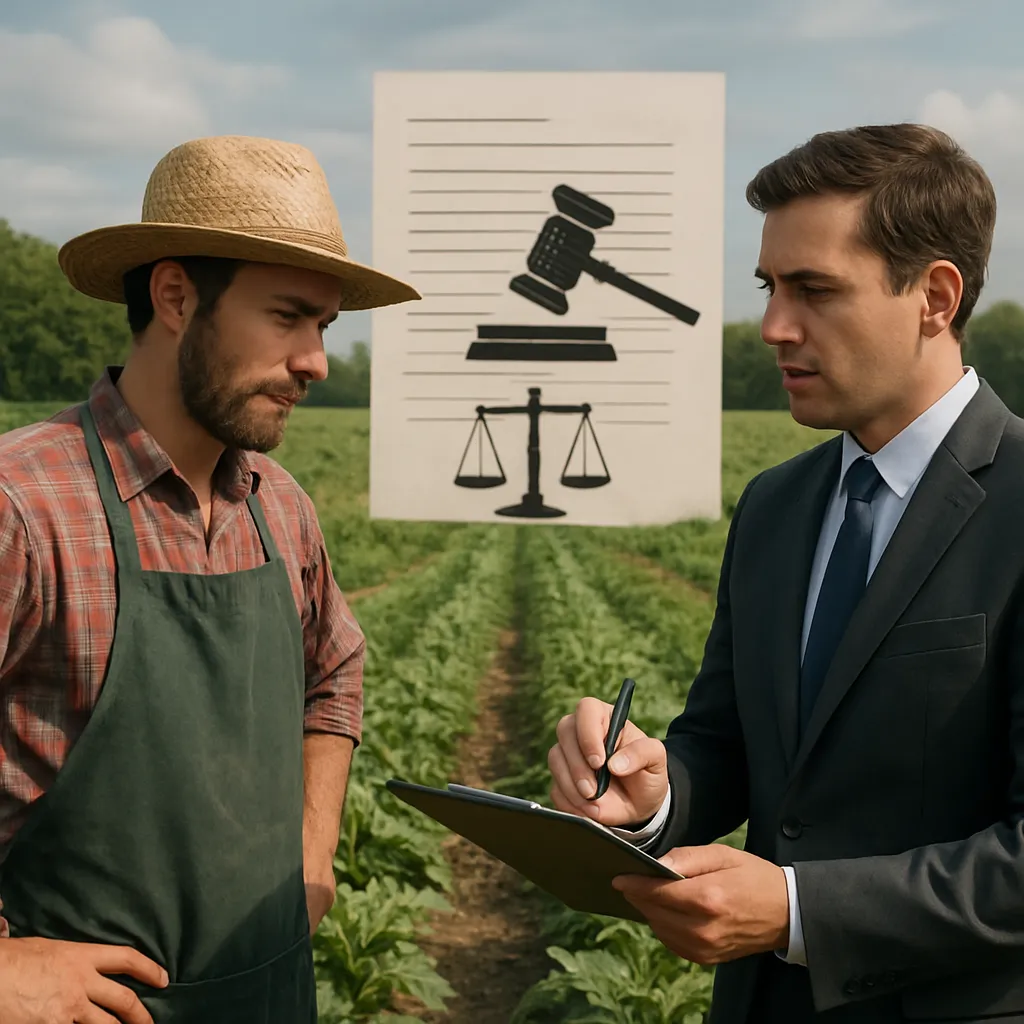
Governments and international agencies recognize the need to modernize agriculture to meet Sustainable Development Goals. Incentive programs—including grants, tax credits, and subsidized loans—are being rolled out to de-risk technology adoption for farmers. Collaborative initiatives with research institutions foster the transfer of proprietary innovations from labs to fields, accelerating commercialization. Furthermore, regulatory sandboxes allow startups to test novel solutions under relaxed compliance requirements, facilitating faster iterations and market entry.
Emerging Trends on the Horizon
Looking ahead, several key trends are poised to shape the agri-tech landscape:
- Integration of blockchain for immutable supply chain tracking and smart-contract-based payment settlements.
- Wider deployment of climate resilience tools, such as satellite-enabled drought monitoring and automated weather-response irrigation systems.
- Expansion of vertical integration models, where startups oversee everything from seed development to end-market distribution.
As global populations swell and resource constraints intensify, the synergy between technological prowess and sustainable farming practices will be critical. The rise of agri-tech startups marks a pivotal moment in our collective journey toward a more resilient, efficient, and equitable food system.