Innovation in agricultural science has ushered in a new era for global food production, driven by cutting-edge advances in genetic research. By exploring the genetic blueprints of staple crops, researchers are unlocking the potential to engineer plants that can withstand environmental stresses, combat pests and diseases, and contribute to more sustainable farming systems worldwide. This article delves into how molecular tools and breeding strategies are transforming the face of world farms, enabling higher yield, greater resilience, and improved nutritional quality to meet the demands of a growing population.
Harnessing Biotechnology for Crop Improvement
Modern biotechnology has provided plant scientists with an extensive toolkit to probe, manipulate, and optimize genetic material. Traditional crossbreeding techniques, while effective, often require multiple generations to introgress desirable traits. In contrast, marker-assisted selection accelerates the identification of genes responsible for drought tolerance, disease resistance, or enhanced nutrient uptake.
The integration of molecular markers into breeding pipelines helps breeders select progeny carrying beneficial alleles even before they reach the field. Genetic maps and quantitative trait loci (QTL) analyses reveal the chromosomal regions linked to complex characteristics such as root architecture or heat tolerance. Coupled with high-throughput phenotyping platforms—using drones, sensors, and imaging—farmers and researchers can rapidly assess performance under varying conditions.
- Marker-assisted backcrossing for introducing single-gene resistance to rust in wheat
- Genomic selection models predicting yield under future climate scenarios
- Identifying QTLs for salinity tolerance in rice varieties cultivated in coastal regions
Gene Editing Tools and Techniques
The advent of CRISPR/Cas systems has revolutionized the way scientists engineer plant genomes. By guiding nucleases to precise DNA sequences, CRISPR enables targeted modifications—knockouts, insertions, or base edits—that yield plants with enhanced resilience to environmental challenges. Unlike transgenic approaches that introduce foreign DNA, gene editing can generate cisgenic or intragenic lines, potentially easing regulatory hurdles in various jurisdictions.
Beyond CRISPR/Cas9, other programmable nucleases like TALENs and zinc-finger nucleases expand the toolbox for precise genome engineering. Researchers employ these technologies to:
- Enhance photosynthetic efficiency by altering key enzymes in C3 and C4 pathways
- Reduce vulnerability to viral pathogens by editing susceptibility genes
- Develop hypoallergenic cultivars through the knockout of allergen-encoding loci
Advances in base editing and prime editing now allow single-nucleotide changes without creating double-strand breaks, minimizing unintended effects. This precision fosters the development of crops with improved nutrient profiles, such as biofortified maize with increased provitamin A or wheat with enhanced zinc accumulation.
Applications in Diverse Farming Systems
Global agriculture encompasses a wide spectrum of environments—from smallholder farms in Sub-Saharan Africa to large-scale mechanized operations in North America. Genetic innovations must adapt to this diversity, ensuring that improved varieties suit local conditions and production methods.
Small-Scale and Subsistence Farms
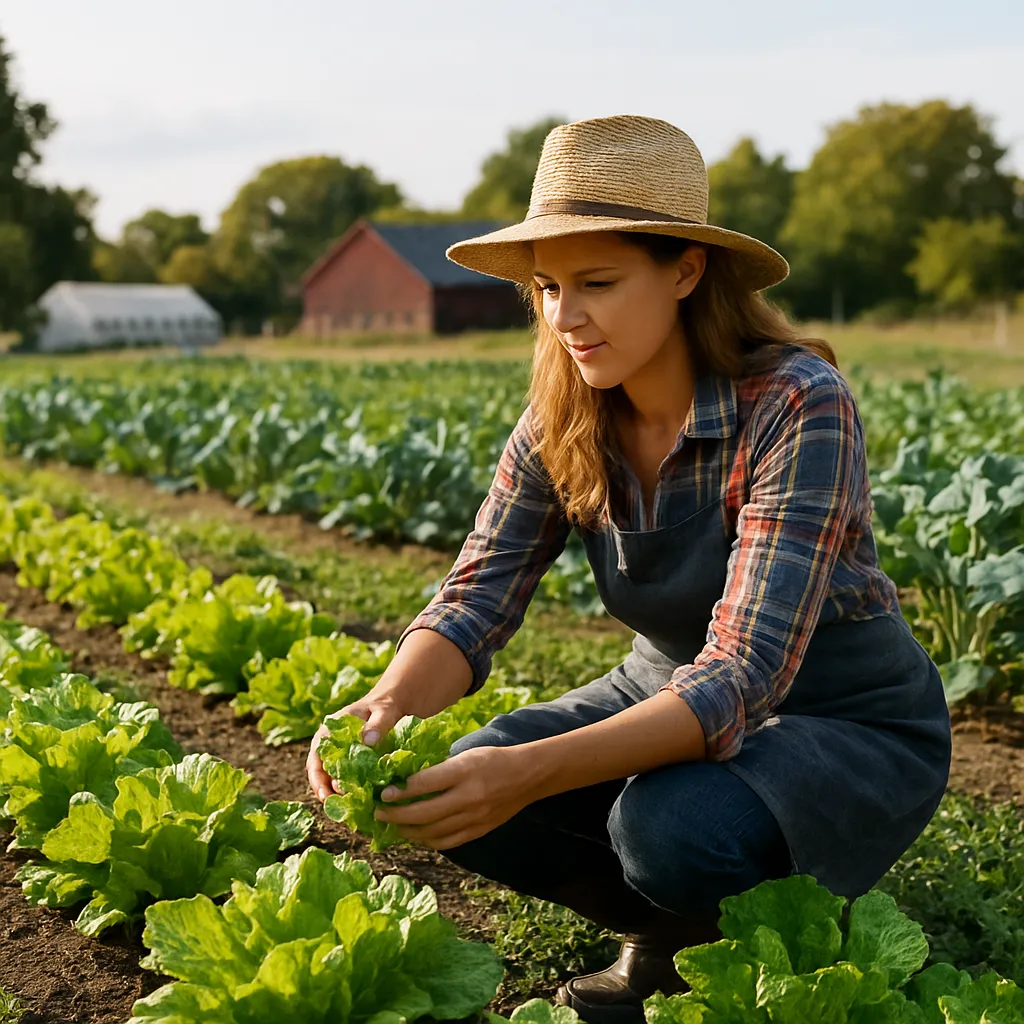
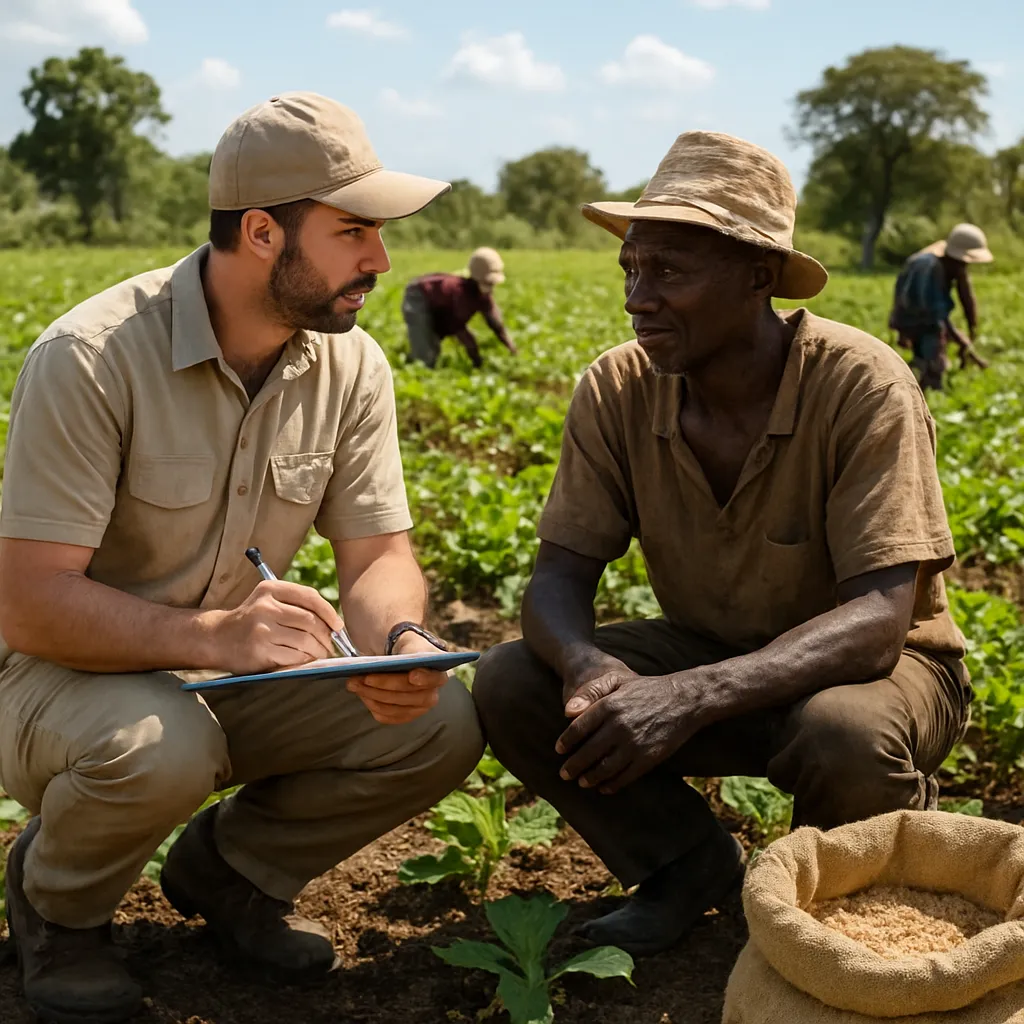
In regions where resources are limited, resilience against drought, pests, and poor soil fertility is critical. Biotechnology-driven approaches have delivered cassava lines resistant to mosaic virus, sorghum varieties tolerant to Striga weed infestation, and banana cultivars with enhanced resistance to Panama disease. These improvements bolster food security and support rural livelihoods.
Commercial Industrial Farms
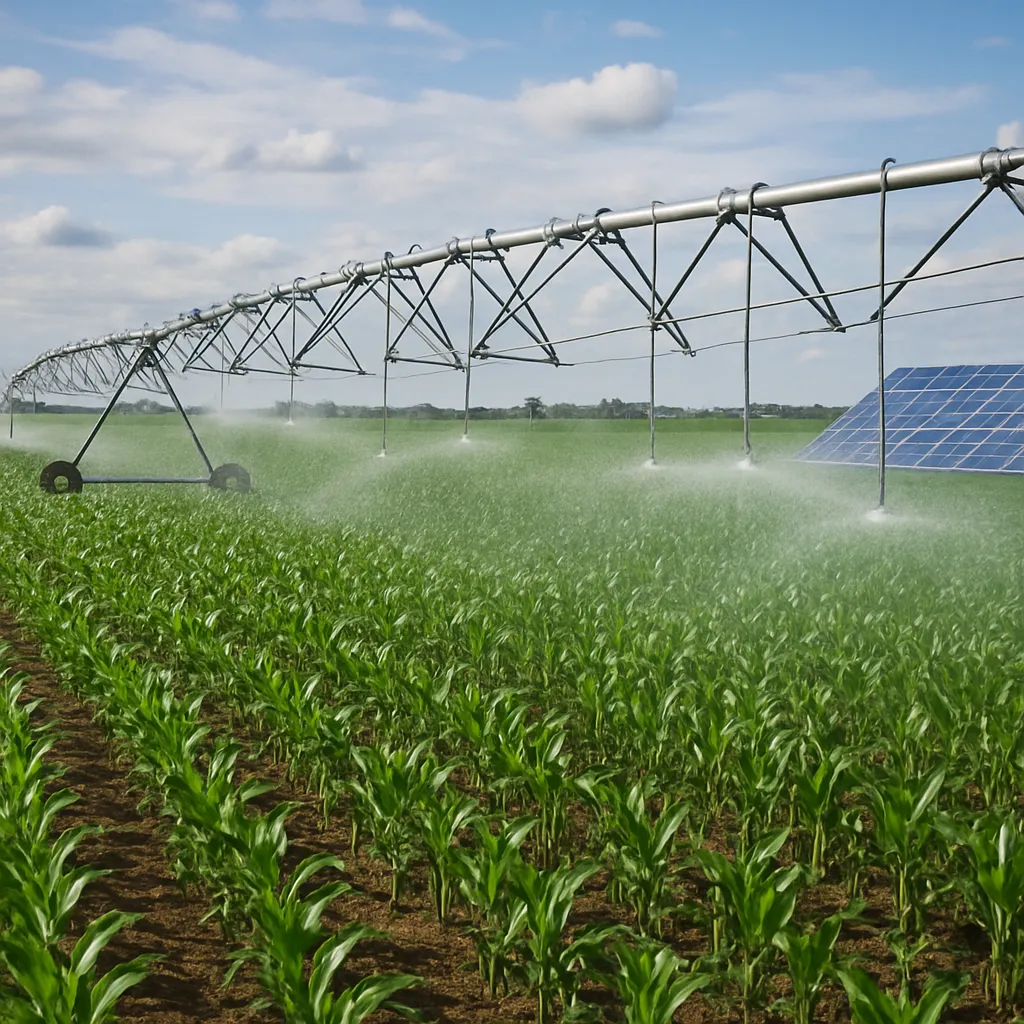
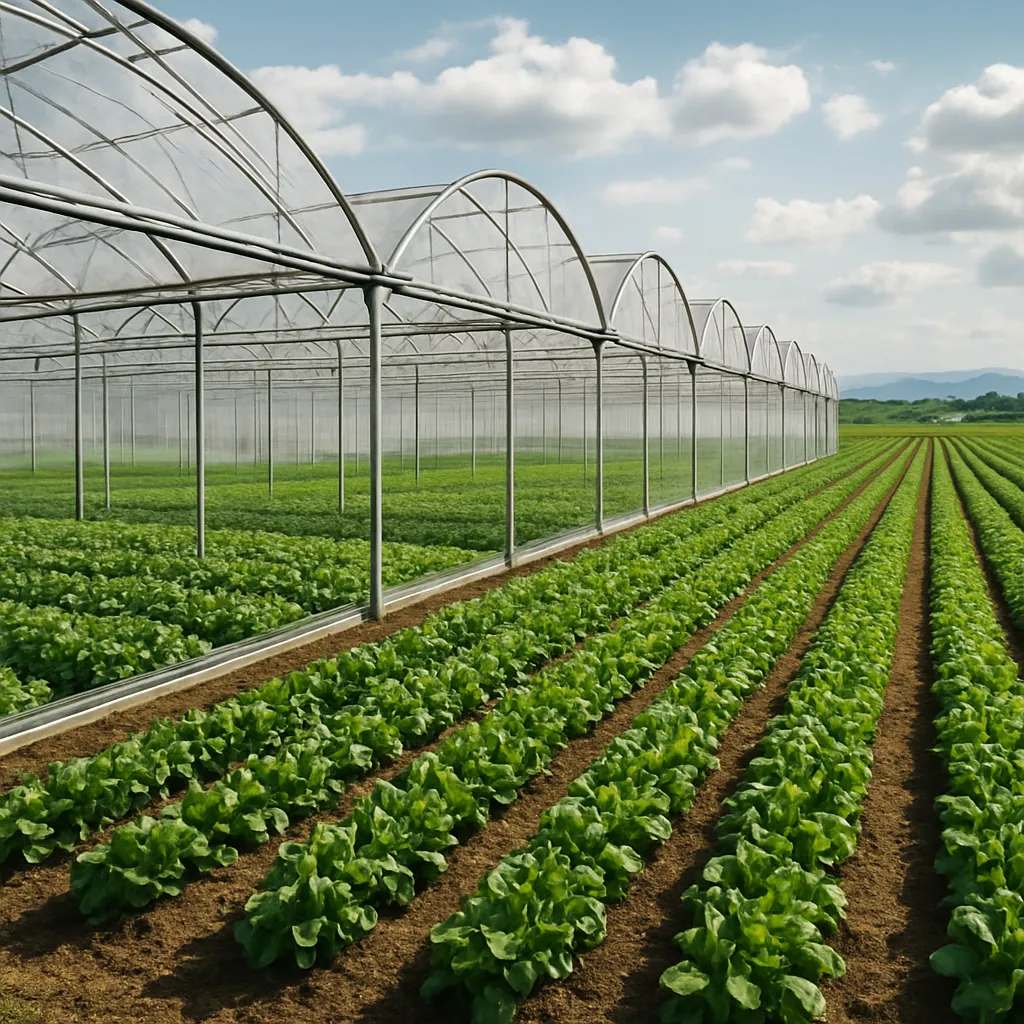
Large-scale enterprises require high-yielding, uniform crops that thrive under intensive management. Genetic engineering has produced herbicide-tolerant soybean and insect-resistant cotton, reducing reliance on chemical inputs and enhancing operational efficiency. Precision breeding is now shifting focus towards abiotic stress tolerance and carbon sequestration traits, aligning agriculture with broader sustainability goals.
- Climate-smart maize hybrids adapted to fluctuating rainfall patterns
- Wheat varieties bred for improved nitrogen-use efficiency
- Rice cultivated with modified root structures to endure flooding and submergence
Challenges, Ethics, and Future Directions
Despite remarkable progress, deploying genetically enhanced crops on a global scale poses challenges. Public perception and regulatory landscapes vary across countries, influencing adoption rates. Intellectual property rights can restrict access to advanced genetics for smallholder farmers, raising equity concerns.
Environmental risk assessments and long-term field trials are essential to evaluate potential gene flow to wild relatives, ecological impacts, and stability of introduced traits. Participatory breeding programs involve local communities to ensure that new varieties meet cultural preferences and agronomic needs.
Looking ahead, integrative approaches combining genomics, phenomics, data science, and traditional knowledge will shape the next generation of resilient crops. Collaborative networks linking research institutions, industry, policymakers, and farmers can accelerate innovation while fostering responsible stewardship of genetic resources. By aligning advanced genetic tools with sustainable farming practices, the agricultural sector can rise to the challenges of feeding a growing global population under dynamic environmental pressures.