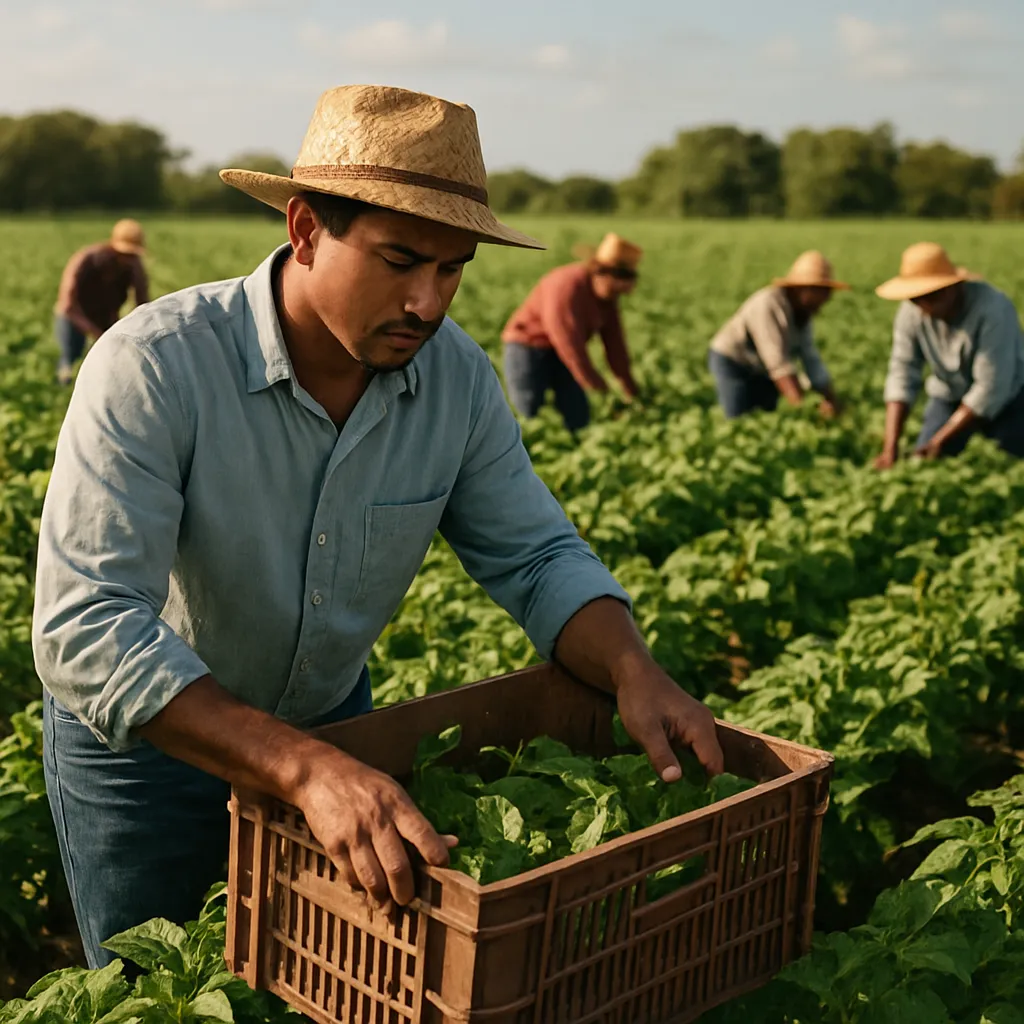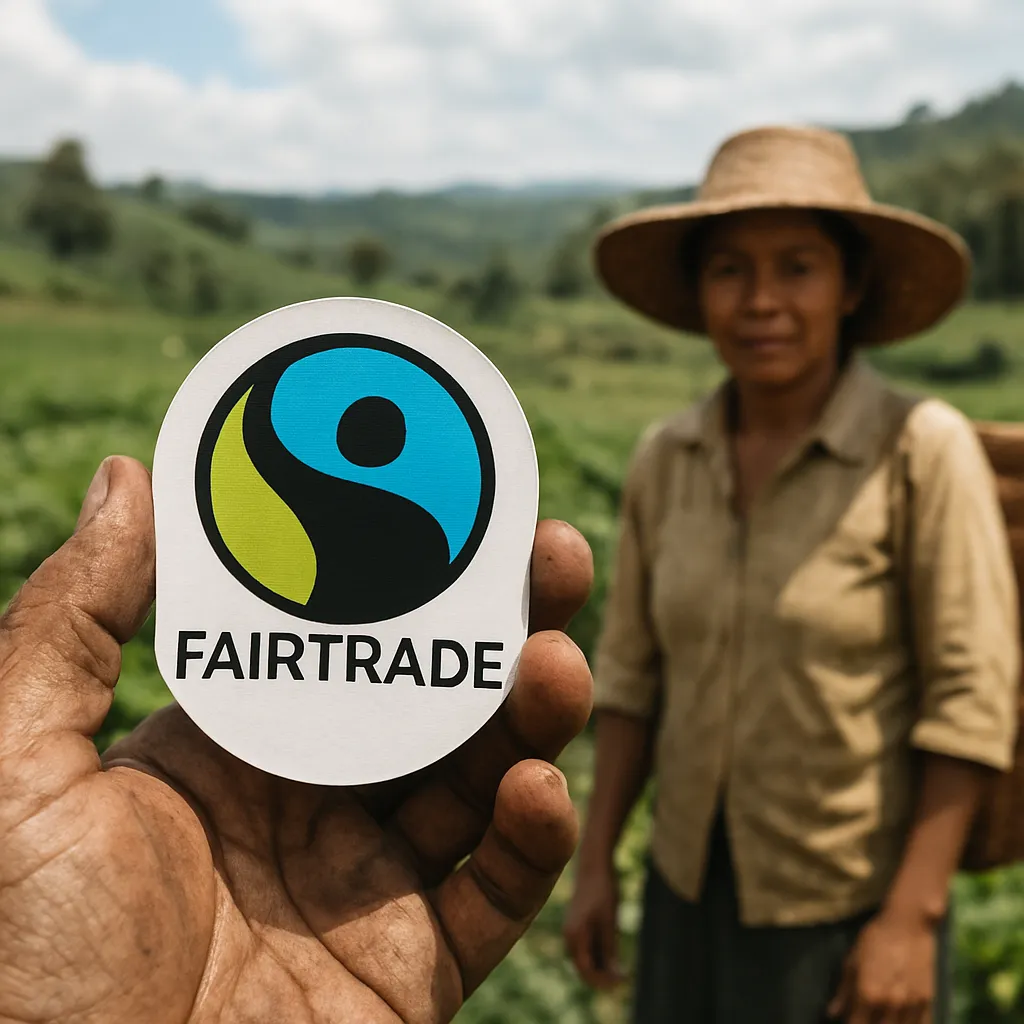
Global agriculture faces mounting pressures from market volatility, climate change and social inequalities. Many smallholder farmers seek avenues to protect their incomes while nurturing the land. Adopting fair trade certification has emerged as a powerful strategy to sustain rural economies, promote sustainability and foster a sense of global community solidarity.
Understanding Fair Trade Certification
At its core, fair trade certification represents a set of principles and standards designed to ensure that producers in developing regions receive equitable compensation for their goods. Unlike conventional commodity markets, which frequently prioritize volume and cost-cutting, fair trade systems emphasize:
- Minimum price guarantees above market fluctuations.
- Social premiums for community development.
- Strict environmental and labor regulations.
- Transparency across the supply chain, from farm to shelf.
Certification bodies audit producers regularly, verifying compliance with criteria such as safe working conditions, absence of forced labor, and responsible use of agrochemicals. This framework helps build trust among consumers who demand more than mere products—they seek assurance that their purchases reflect ethical practices and respect for human rights.
Economic Benefits for Farming Households
Securing reliable revenue streams is a formidable challenge for many rural families. With unpredictable weather patterns and fluctuating commodity prices, cultivating a stable business model can feel like chasing shadows. Fair trade certification tackles this head-on by offering two primary economic advantages:
Stable Income and Price Premiums
By guaranteeing a minimum price irrespective of global market swings, fair trade contracts allow farmers to plan investments and manage debts with greater confidence. Additionally, buyers pay an extra premium directly to producer cooperatives, which is then allocated toward communal projects or reinvested into improving crop quality.
Access to International Markets
Certification opens doors to specialized importers, retailers and consumers who prioritize landing stalls for fair trade goods. This preferential treatment often translates into:
- Reduced barriers to entry in competitive markets.
- Long-term partnerships with socially responsible brands.
- Enhanced bargaining power for small-scale growers.
Collectively, these factors strengthen farm livelihoods and encourage diversification into higher-value crops, such as organic coffee, cocoa or tropical fruits, which yield greater returns compared to bulk commodities.
Social Impact on Rural Villages
Beyond individual wallets, fair trade initiatives drive transformative changes at the village level. Several social dimensions deserve emphasis:
Improved Living Conditions
Premium funds often finance vital infrastructure—schools, sanitation facilities, roads and healthcare clinics. Such projects uplift entire regions, leading to higher literacy rates, better public health and reduced migration to urban centers. Villagers gain a tangible stake in cooperative management decisions, fostering a culture of shared responsibility.
Empowerment of Women and Youth
Traditional farming communities sometimes limit leadership roles to male heads of households. Fair trade frameworks promote gender equity by mandating inclusive decision-making bodies. Women earn independent incomes, gain access to credit and participate in training programs. Young people, previously inclined to seek work abroad, increasingly envision futures within agriculture, bolstered by technical workshops on sustainable practices and business management.
Environmental Stewardship and Best Practices
Conscientious consumer demand has drawn attention to the ecological footprint of agriculture. Fair trade standards integrate environmental criteria that champion biodiversity, soil health and water conservation.
Eco-friendly Farming Techniques
Producers receive guidance on:
- Integrated pest management to minimize chemical usage.
- Organic composting and crop rotation to maintain soil fertility.
- Shade-grown systems that protect native tree cover.
Implementing these methods reduces greenhouse gas emissions, curbs erosion and preserves vital ecosystems. Farmer cooperatives may also invest in solar irrigation pumps, reforestation projects and wildlife corridors.
Conservation and Biodiversity
Maintaining a diverse landscape safeguards against pest outbreaks and climate shocks. Certified farms often establish protected zones for local fauna, participate in seed-saving initiatives and collaborate with conservation organizations. By valuing natural habitats alongside cash crops, communities bolster their long-term resilience.
Building Resilience Through Cooperative Structures
Individual farmers frequently face isolation when seeking credit or negotiating contracts. Forming certified cooperatives counteracts this vulnerability by pooling resources, sharing expertise and amplifying purchasing power. Cooperatives can:
- Offer microloans for inputs such as seedlings or equipment.
- Provide group training on harvesting, processing and quality control.
- Leverage collective certification costs to reduce individual burdens.
This solidarity not only fortifies each member against market shocks but also nurtures a supportive environment in which best practices spread rapidly and local leadership thrives.
Challenges and Future Directions
Despite its merits, fair trade certification is not without hurdles. Farmers often confront high upfront fees and complex paperwork, which can deter smallholders lacking administrative support. Some critics argue that the certification process favors larger cooperatives at the expense of the most marginalized growers.
Certification Costs and Bureaucratic Barriers
Navigating stringent audits demands both time and financial resources. To remedy this, several NGOs and certification bodies have introduced tiered fee structures and digital platforms that simplify data collection. They also collaborate with government agencies to extend technical assistance programs in remote areas.
Expanding Consumer Awareness and Market Demand
Ultimately, the success of fair trade hinges on end-consumer choices. Educating shoppers about the tangible impact of fair trade labels can spur greater demand and justify the price premiums. Innovative campaigns—such as interactive mobile apps, virtual farm tours and social media storytelling—are connecting buyers directly with farming families, reinforcing the human dimension behind each purchase.
As global supply chains evolve, integrating fair trade certification into corporate sustainability strategies will be key. Businesses stand to gain reputational benefits, improved risk management and loyal customer bases. For farmers, it ensures more predictable earnings and a strengthened voice in international markets. Embracing this model not only promotes a fairer distribution of wealth but also secures the ecological foundations on which future generations depend.