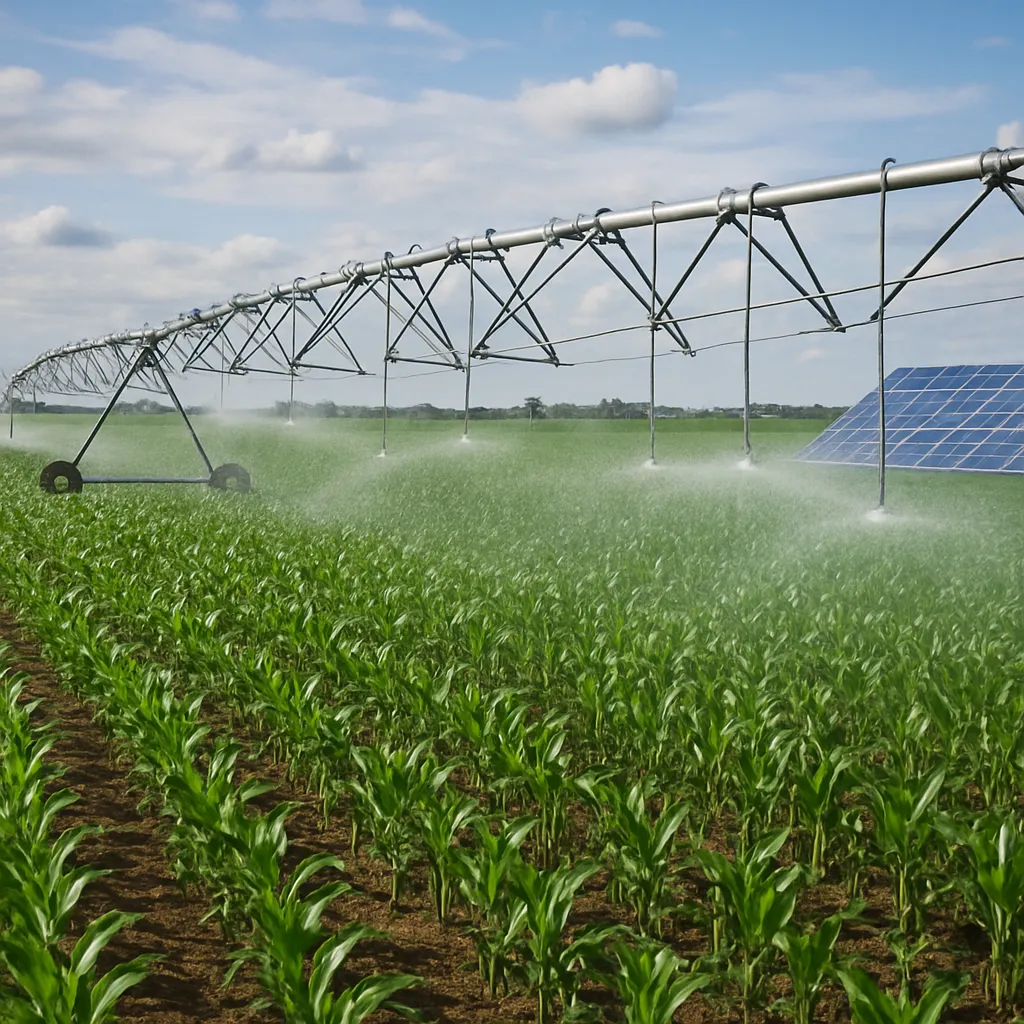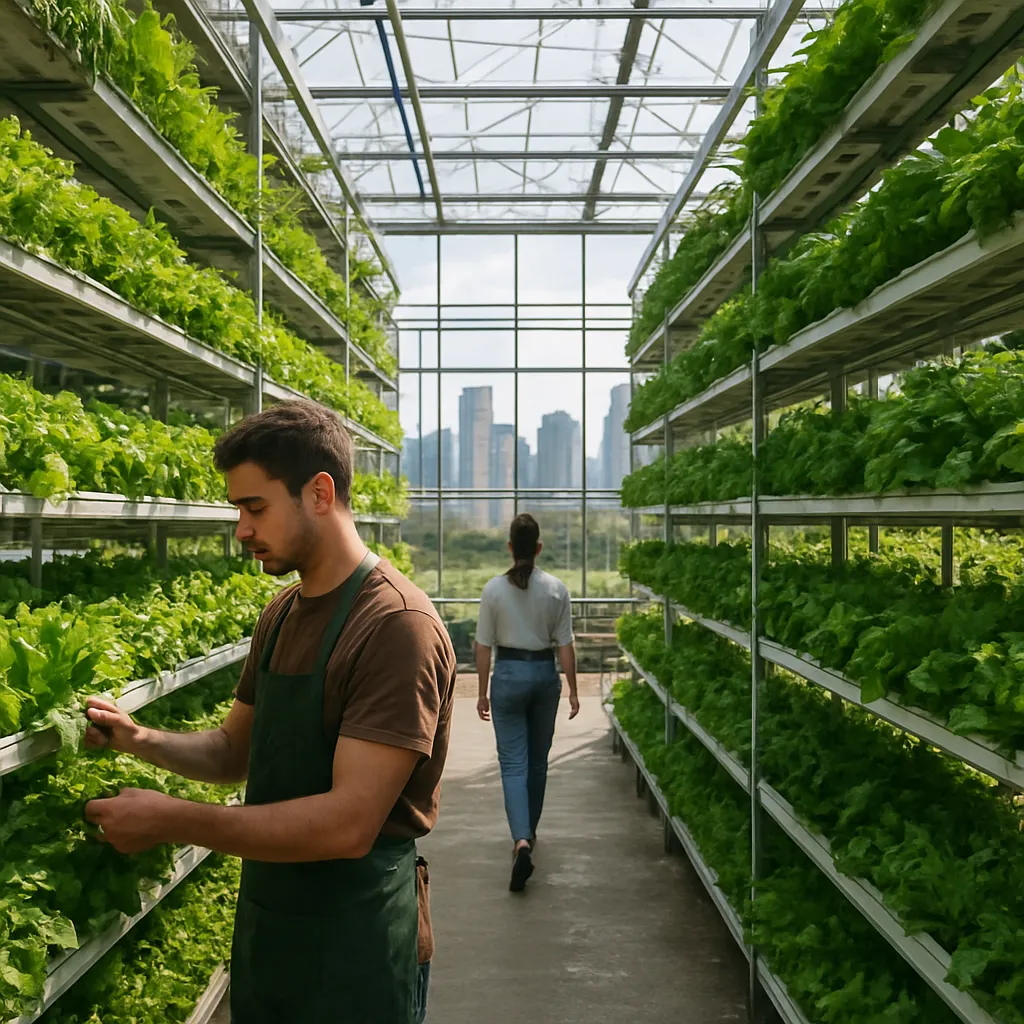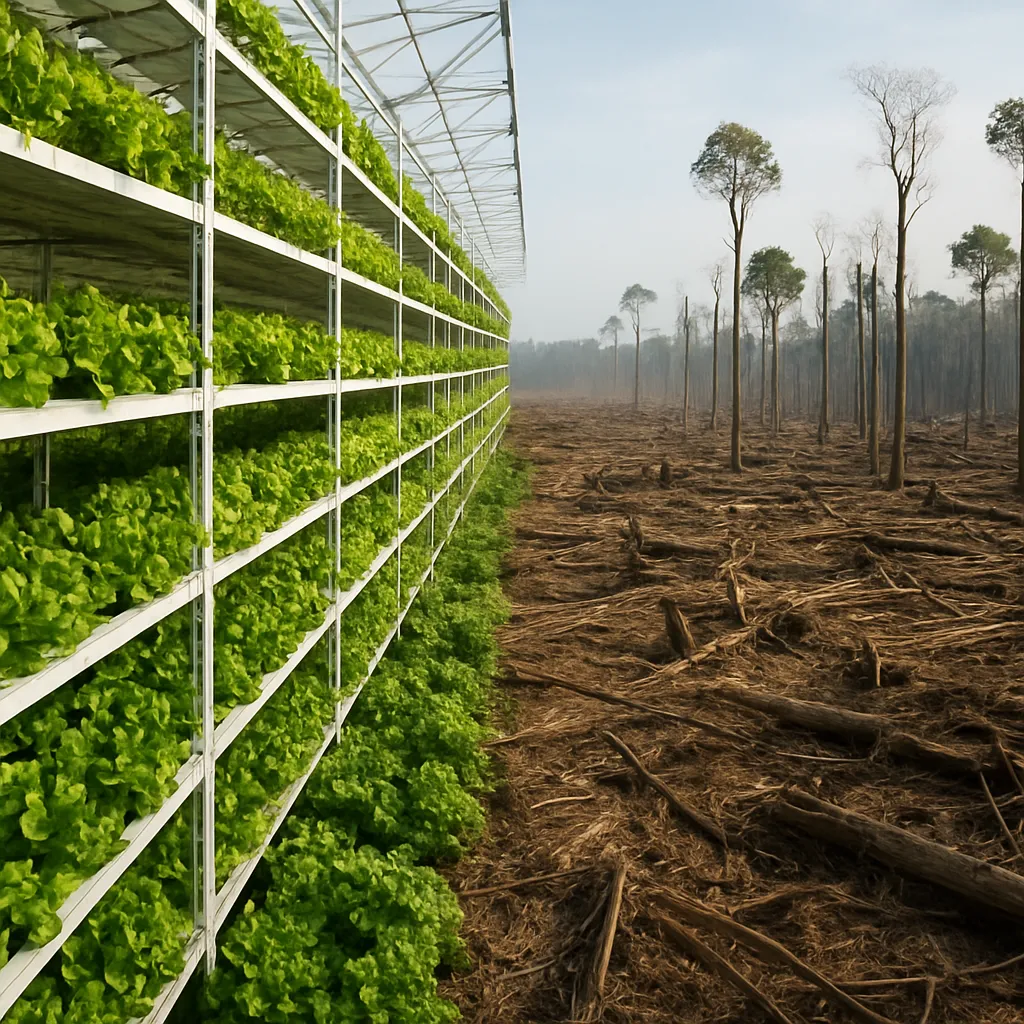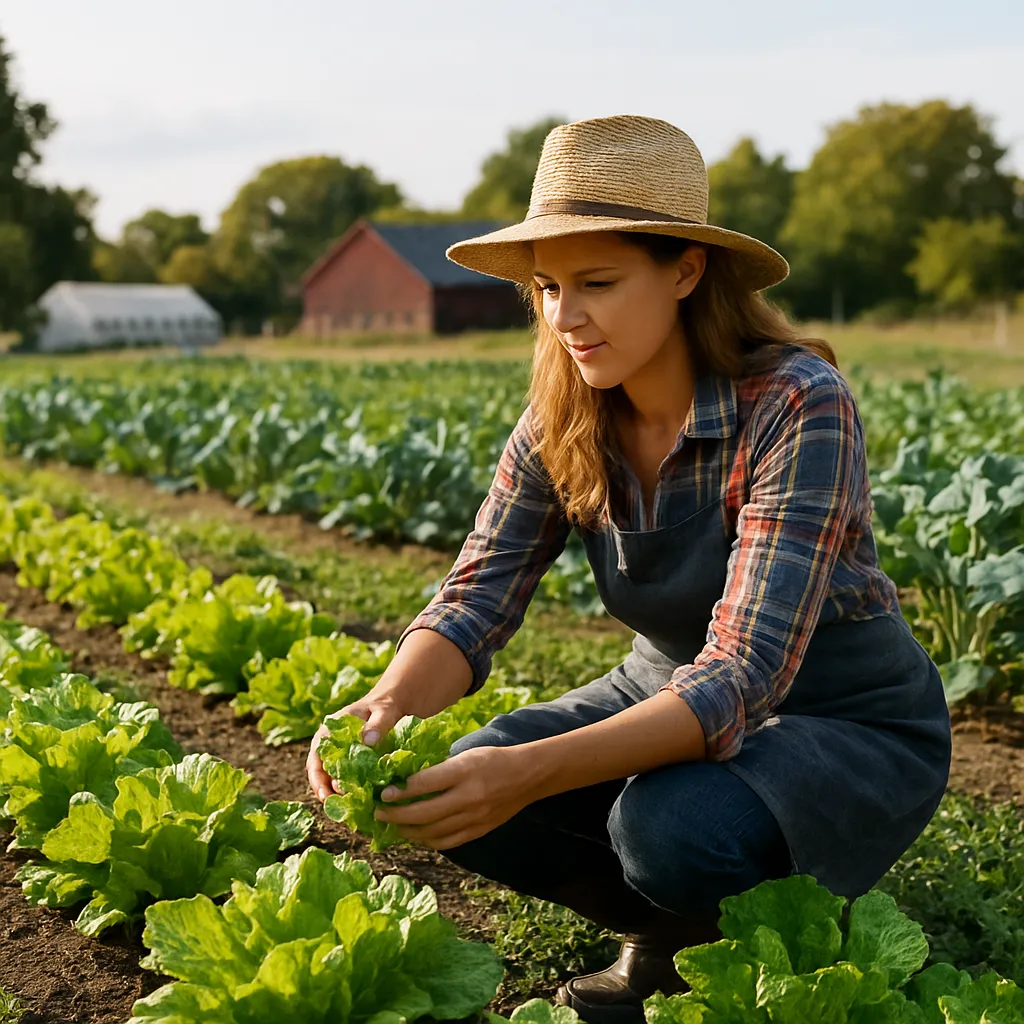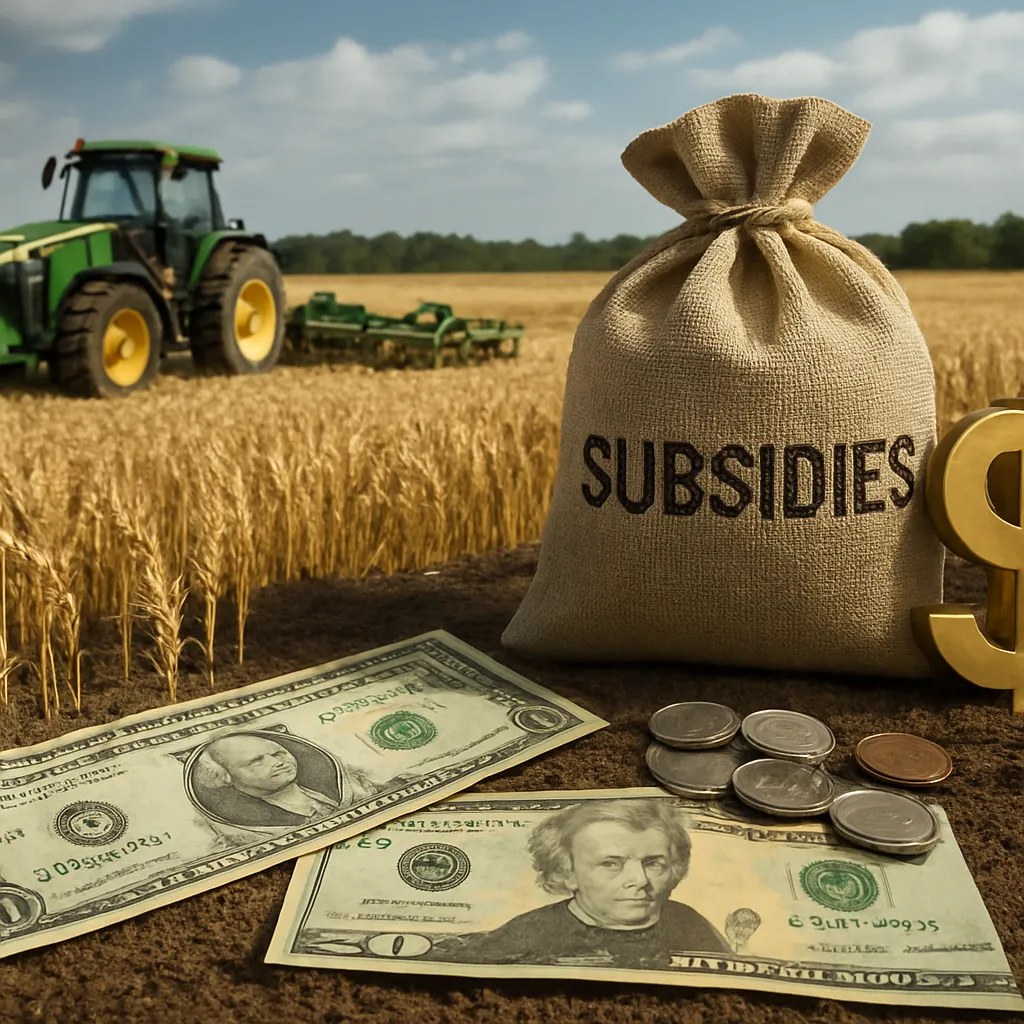
The intricate web of farm subsidies plays a pivotal role in defining the contours of global agriculture. From the vast plains of North America to the rice paddies of Southeast Asia, state-sponsored financial supports shape production choices, influence market stability, and mold trade relations. This article delves into the multifaceted mechanisms behind government aid, examines their ripple effects on productivity and commerce, and explores emerging debates about the balance between economic growth, social fairness, and environmental stewardship. By unpacking regional case studies and policy trends, we can better understand how farm support schemes drive transformation across diverse rural landscapes.
Farm Subsidies: Definitions and Mechanisms
Farm subsidies encompass a variety of instruments designed to influence agricultural output and stabilize farm incomes. At their core, these measures range from direct payments and price supports to input subsidies on seeds, fertilizers, and energy. Governments deploy such tools to mitigate the volatility of commodity markets, shield farmers from unpredictable weather events, and ensure food security.
- Direct payments: Fixed sums distributed to producers, often based on historical acreage or yields.
- Price supports: Guaranteed minimum prices that the state purchases excess supply to maintain market levels.
- Input subsidies: Reduced-cost provision of key resources, driving down production expenses.
- Insurance schemes: Premium assistance programs that underwrite losses stemming from droughts or pest outbreaks.
These mechanisms operate within broader fiscal frameworks, where fiscal policy priorities and budget constraints dictate the scale and scope of intervention. While some nations favor blanket assistance, others adopt targeted approaches aimed at vulnerable smallholders or specific crops deemed strategic.
Global Impact on Agricultural Productivity and Trade
Subsidies alter the landscape of comparative advantage, allowing heavily supported producers to achieve greater productivity at lower marginal costs. This dynamic can drive down world prices, sparking disputes at multilateral organizations such as the World Trade Organization (WTO). In many developed economies, generous farm programs have contributed to surpluses of grains, dairy, and oils, leading to export competitions that emerging producers struggle to match.
On one hand, consumers worldwide benefit from cheaper staples; on the other, unsubsidized farmers in low-income countries face diminishing returns. The widening gap exacerbates inequalities in access to markets and capital. Moreover, nations reliant on exports must navigate a patchwork of trade barriers and countervailing duties aimed at curbing imports linked to subsidized production. The resulting tensions underscore how domestic support policies reverberate far beyond national borders.
Case Studies: Europe, US, and Developing Nations
European Union’s Common Agricultural Policy
The EU’s Common Agricultural Policy (CAP) remains one of the most ambitious subsidy frameworks, channeling over €300 billion in direct payments and rural funds. While CAP reforms have sought to decouple payments from production volumes—thus reducing distortions—critics argue that legacy entitlements still favor large landowners. Emphasis on sustainability under the Green Deal aims to integrate environmental standards, yet implementation across member states often varies.
United States Farm Bill
Every five years, the US Farm Bill reauthorizes a suite of programs covering commodities, conservation, and nutrition assistance. Major grains and cotton producers receive revenue guarantees and crop insurance subsidies. The bill’s countercyclical payments serve as a buffer against global price crashes. However, the concentration of benefits among the largest operators raises questions of equity and access for beginning farmers.
Support in Developing Economies
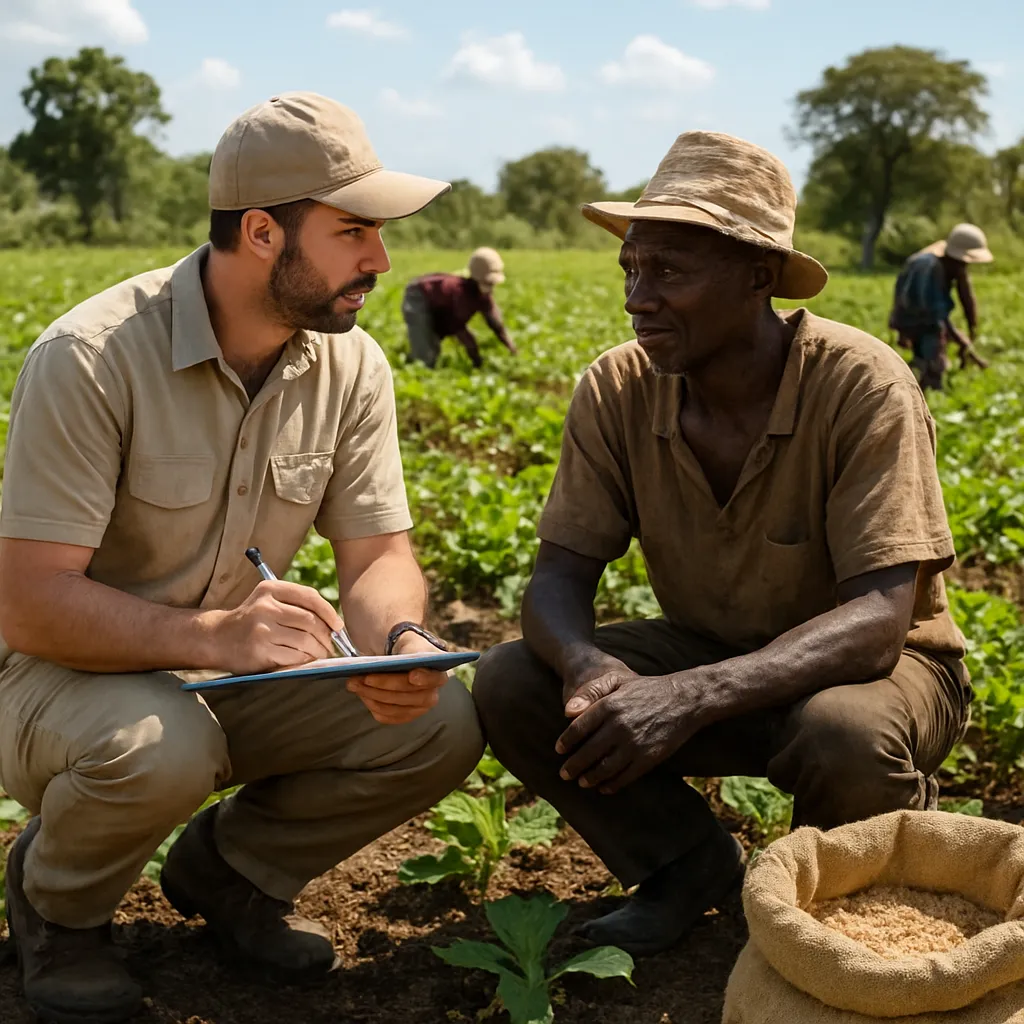
In many low- and middle-income countries, targeted subsidies for seeds and fertilizer have proven vital in boosting yields and promoting innovation. African nations such as Nigeria and Kenya have implemented voucher schemes to stimulate smallholder adoption of improved inputs. Yet fiscal limitations and governance challenges can hinder effective rollouts, sometimes leading to misallocation or leaks in the system.
Environmental and Social Dimensions
While subsidies often aim to secure food supplies, they can inadvertently incentivize intensive farming practices that strain ecosystems. Overapplication of fertilizers contributes to nutrient runoff, eutrophication of waterways, and losses in biodiversity. To counterbalance these trends, many policymakers advocate for green payment schemes rewarding conservation measures, crop rotations, and agroecological methods.
From a social perspective, subsidies can either reinforce or reduce rural inequalities. When structured progressively, they support smaller-scale farms and encourage rural development. Conversely, skewed disbursements risk entrenching land concentration and marginalizing family farms. Achieving a socially just allocation demands transparent criteria, robust monitoring, and community engagement.
Policy Debates and Future Directions
Amid rising concerns over climate change, food security, and global inequality, stakeholders are reassessing traditional subsidy models. Calls for reform center on integrating carbon credits, rewarding ecosystem services, and phasing out blanket price supports. Proposals also emphasize harmonizing national frameworks with international trade rules to minimize retaliatory tariffs and protectionism.
Emerging digital tools—precision farming technologies, blockchain-based tracking, and data-driven advisory services—offer pathways to optimize resource use and enhance traceability. As governments weigh trade-offs between short-term relief and long-term viability, the quest for resilient agricultural systems hinges on aligning incentives with societal goals.
Ultimately, the evolution of farm subsidies will shape the equilibrium between global markets, environmental health, and social welfare. Crafting policies that balance these dimensions remains one of the most pressing challenges for 21st-century agriculture.