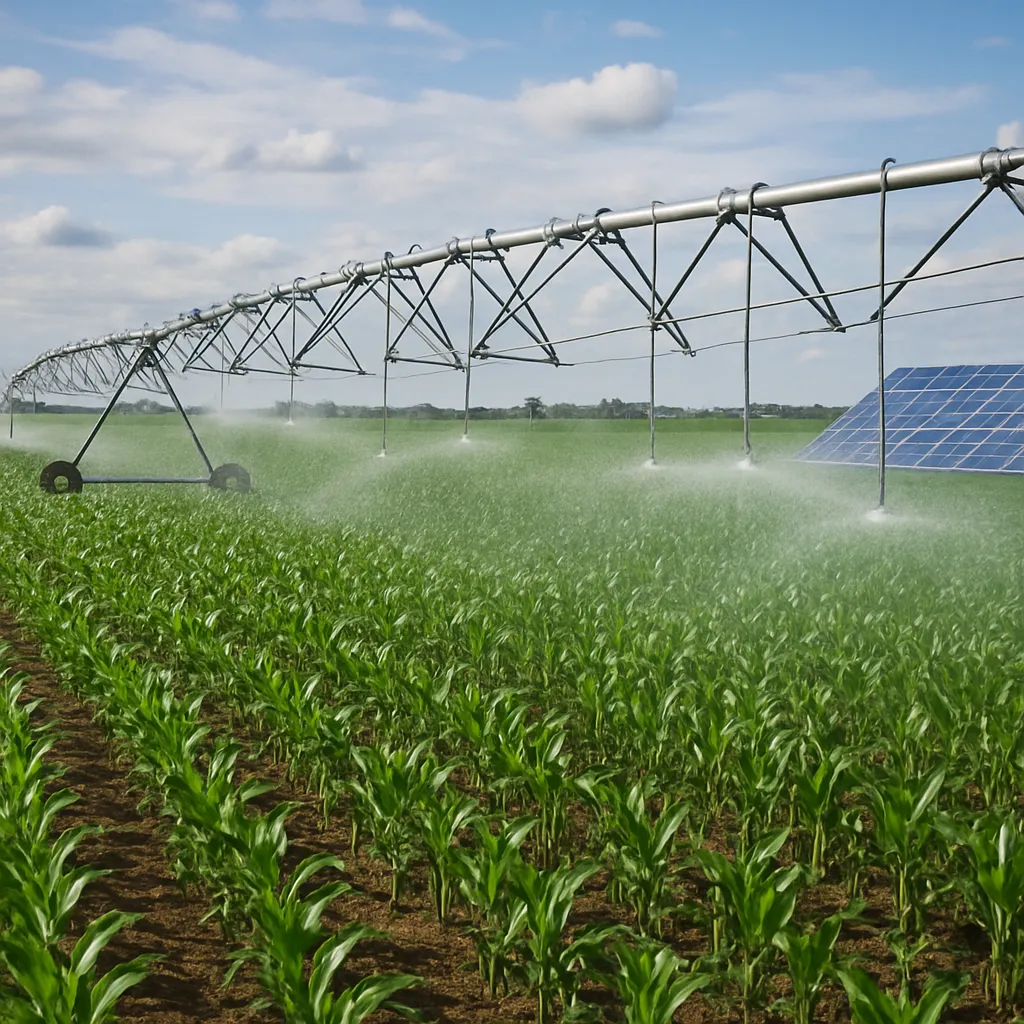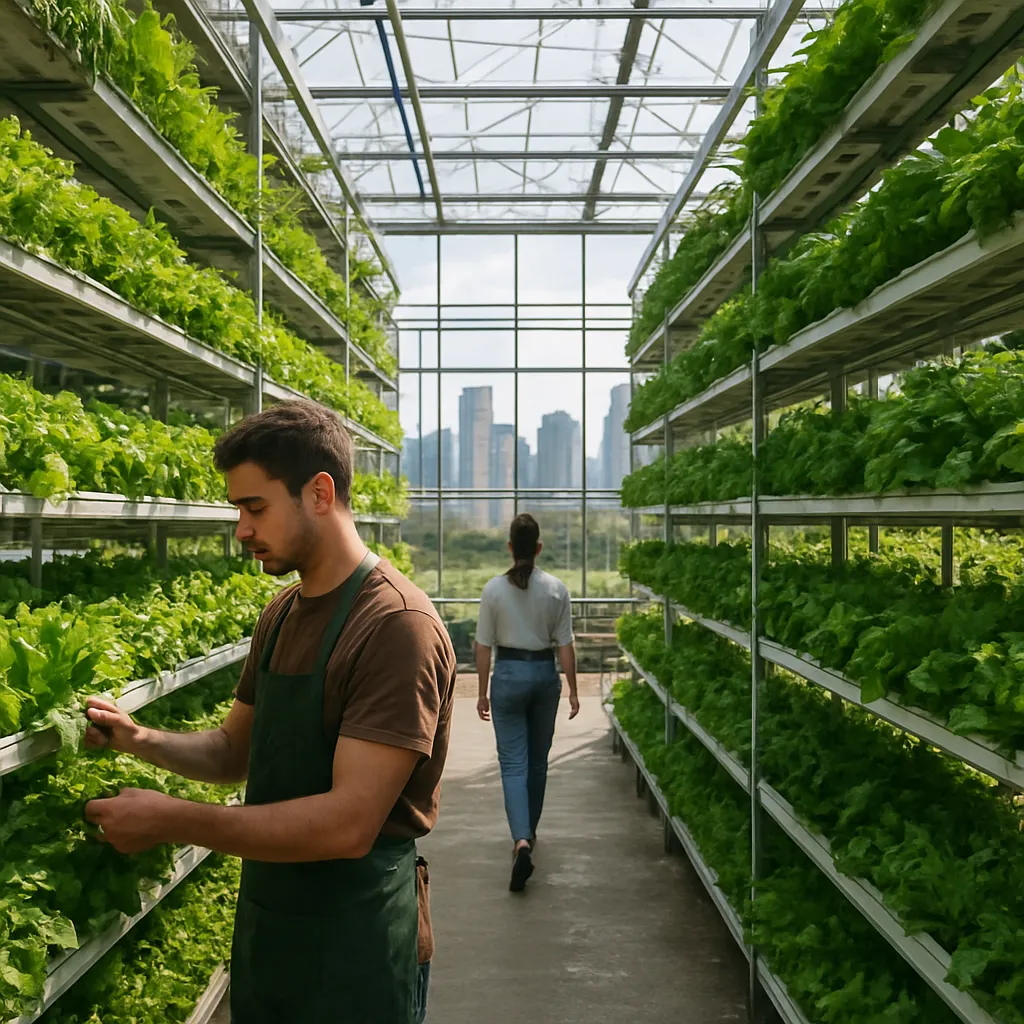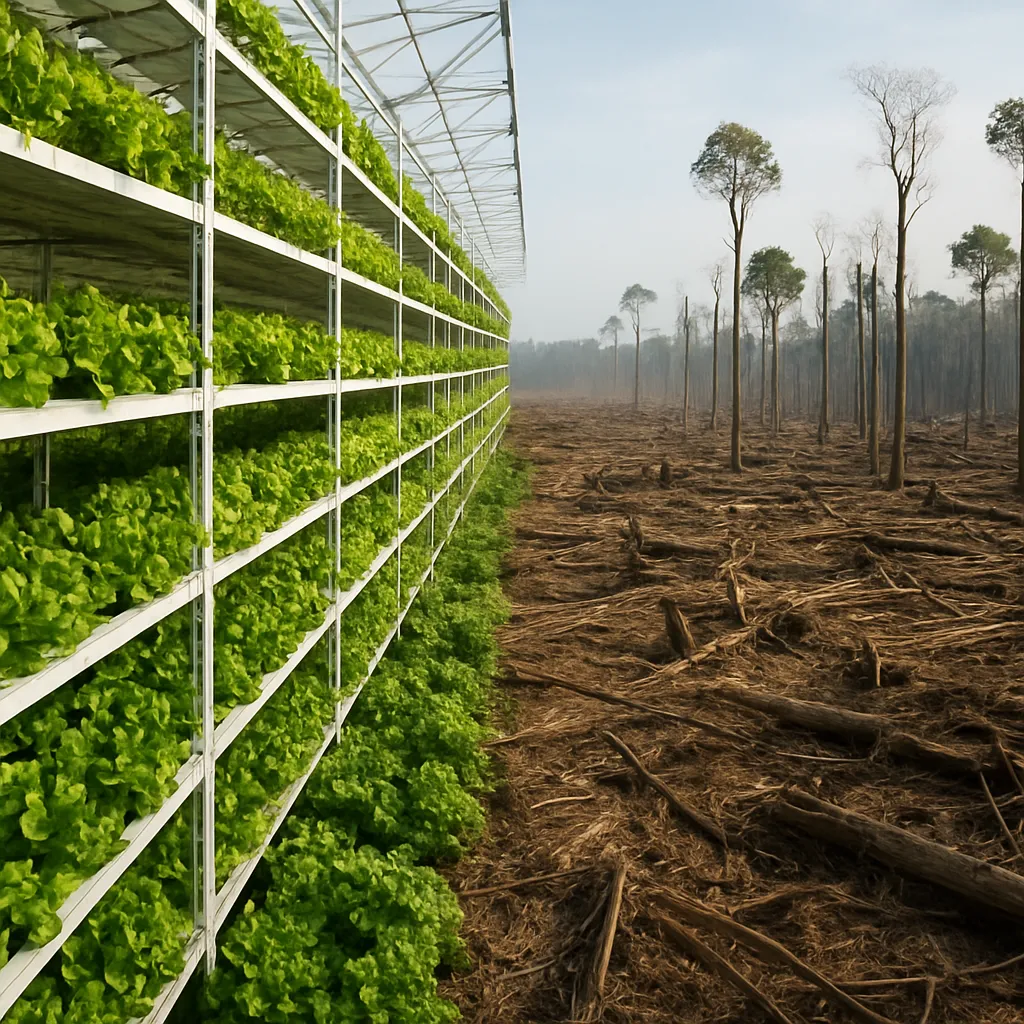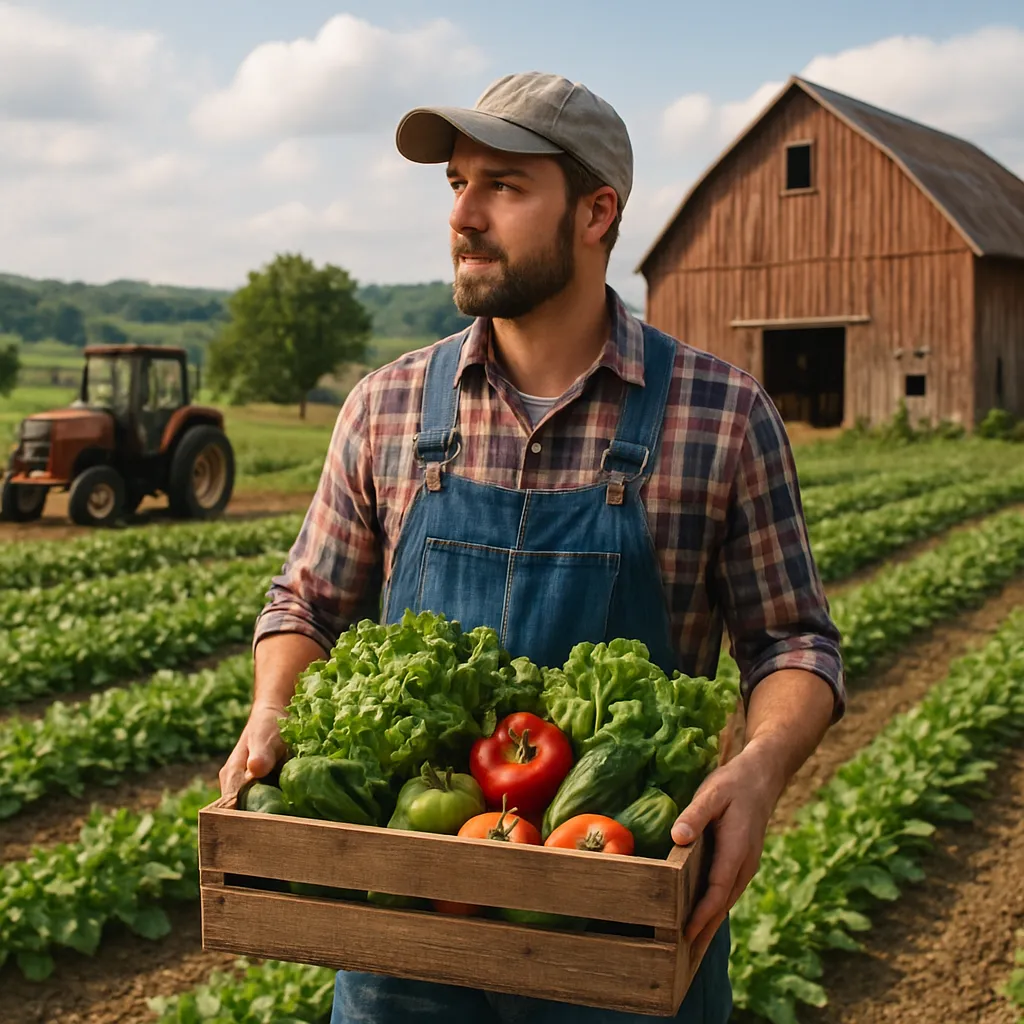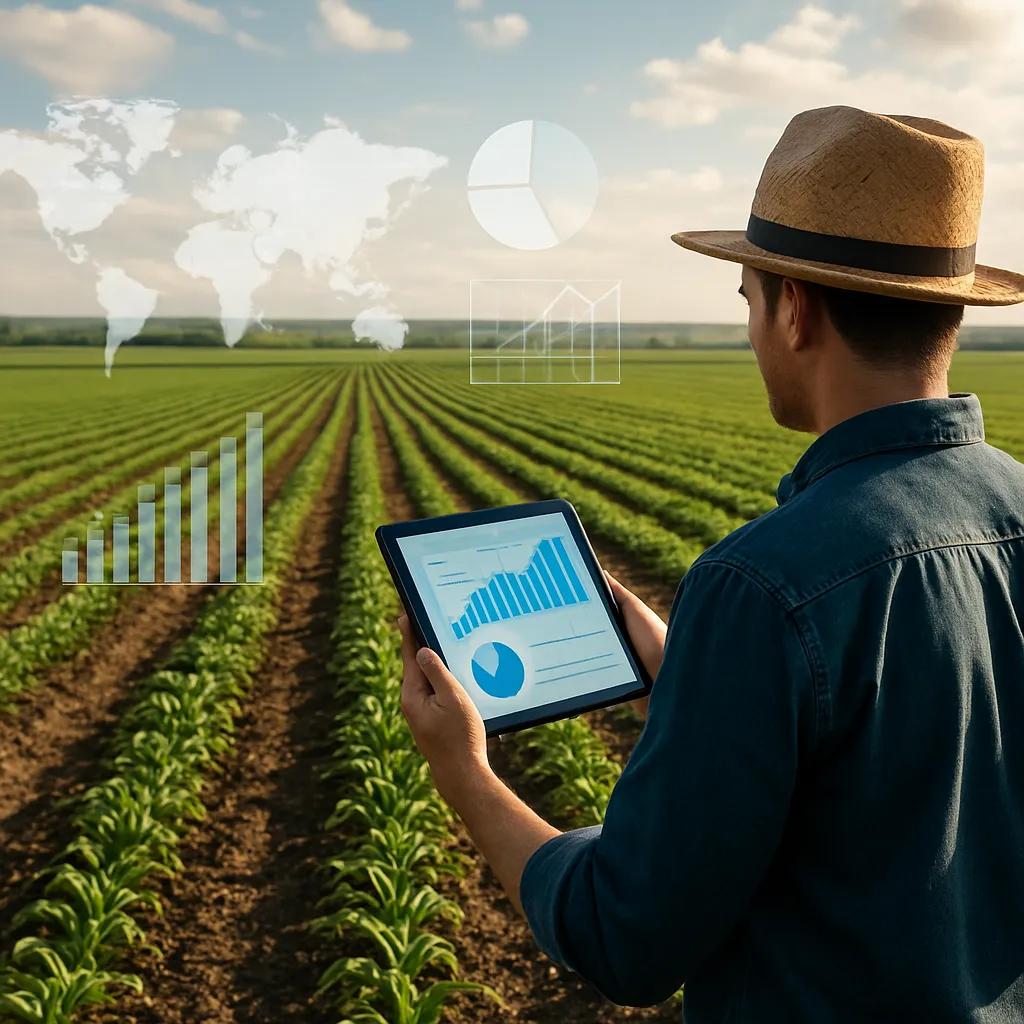
Large-scale agricultural operations are undergoing a profound transformation driven by Big Data technologies. Across continents, farms that span thousands of hectares rely on advanced computational tools to monitor fields, livestock, and supply chains in real time. This paradigm shift from traditional methods to data-driven management enables farmers to increase productivity, reduce waste, and foster sustainability on a global scale.
Technology Integration and Data Sources
Integrating diverse data streams is the cornerstone of modern farm management. A single large-scale farm may gather petabytes of information annually from a variety of platforms:
- IoT sensors embedded in soil probes and irrigation lines measure moisture, temperature, and nutrient levels continuously.
- Satellite imagery provides high-resolution visual data that reveal crop health patterns, pest infestations, and drought stress.
- Weather stations equipped with anemometers, hygrometers, and rain gauges supply hyper-local climate trends crucial for planning planting and harvesting schedules.
- Autonomous machinery fitted with GPS and camera arrays logs real-time operational metrics, from fuel consumption to field traversal speed.
Once collected, this information is transmitted via cellular or low-power wide-area networks (LPWAN) to centralized servers or cloud platforms. There, teams of agronomists and data scientists perform sophisticated data analytics to distill raw readings into actionable insights. Cutting-edge farms adopt precision agriculture frameworks, aligning planting density, irrigation, and fertilization with the precise needs of each plot.
Data Processing and Analytics
Transforming raw sensor output into management strategies hinges on advanced processing pipelines:
- Edge computing nodes handle immediate, localized tasks such as triggering irrigation when soil moisture dips below a threshold.
- High-throughput cloud clusters run machine learning models to detect early signs of disease or nutrient deficiency across millions of data points.
- Geospatial information systems (GIS) merge soil maps, topography, and field boundaries with time-series data to produce farm-specific recommendation maps.
- Real-time dashboards enable decision-makers to visualize key performance indicators like daily water usage, chemical application rates, and labor productivity.
Applications of Big Data in Farm Management
Data-driven agriculture extends far beyond routine monitoring. Large-scale operations deploy analytics to tackle some of the most pressing challenges:
Enhancing Crop Yield Predictions
By correlating historical production data with current weather forecasts and soil analyses, farms refine predictive modeling algorithms to estimate final crop yield with unprecedented accuracy. These forecasts inform supply chain contracts, commodity trading strategies, and storage logistics, minimizing financial risk.
Optimizing Resource Allocation
Effective resource optimization reduces input costs and environmental impact. Variable-rate technology (VRT) equipment uses prescription maps to adjust seeding density and fertilizer application on the go. Through careful analysis of water retention curves and evapotranspiration rates, irrigation schedules adapt dynamically, conserving freshwater in arid regions and reducing nutrient runoff.
Livestock and Animal Health Management
In sprawling ranches and feedlots, wearable tags and biometric sensors stream data on animal movement, heart rate, and feeding behavior. Analytics flag anomalies that precede disease outbreaks or heat stress, enabling proactive interventions. Integrated traceability systems ensure that each animal’s health records travel through processing channels, meeting stringent food safety standards in international markets.
Supply Chain Transparency and Traceability
Global demand for ethically sourced products compels growers to document every stage of production. Blockchain solutions, combined with farm-level data feeds, create immutable ledgers that consumers and retailers trust. Detailed logs of pesticide usage, harvest dates, and transportation conditions bolster market access and command premium prices.
Challenges and Future Directions
Despite its promise, the integration of Big Data in agriculture faces several hurdles that must be addressed for widespread adoption:
- Data interoperability remains fragmented, with proprietary platforms creating silos that hinder cross-farm collaboration and benchmarking.
- High initial costs for sensors, drones, and connectivity infrastructure pose barriers for small to medium enterprises, especially in developing countries.
- Ensuring data security and farmer privacy is critical, as cyberattacks on supply chains could disrupt global food systems.
- Limited digital literacy among agricultural workers can slow down the deployment of advanced tools, necessitating targeted training programs.
Emerging Trends
Several innovations are poised to reshape large-scale farming over the next decade:
- Artificial intelligence agents will autonomously schedule field operations and manage logistics based on real-time inputs.
- Edge AI devices will perform complex image recognition and anomaly detection without relying on remote servers, reducing latency and bandwidth demand.
- Integrating genomic data from crops and livestock with environmental records will enable breeders to develop varieties optimized for local conditions.
- Collaborative data marketplaces will allow growers to rent access to aggregated, anonymized data sets, improving regional productivity benchmarks.
By harnessing the power of advanced analytics and interconnected devices, large-scale farms are not only increasing yields but also advancing environmental stewardship and food security on a planetary scale. The continuing evolution of precision agriculture and machine learning promises to unlock new levels of efficiency and resilience for agriculture in every continent.