Farms play an indispensable role in delivering wholesome nutrition to communities around the globe. By harnessing innovative methods, preserving ecological balance, and supporting local economies, agricultural operations shape the health of individuals and societies. This article explores how world farms contribute to public well-being through the cultivation of nutrient-rich food, the strengthening of local food systems, the integration of cutting-edge technologies, and the influence of policy frameworks on agricultural practices.
Sustainable Farming Techniques and Nutritional Outcomes
Modern farms are pioneering approaches that go beyond mere production to emphasize soil health, biodiversity, and nutrient density. Techniques such as cover cropping, agroforestry, and minimum tillage help improve soil fertility and sequester carbon, while boosting the availability of micronutrients in the harvest. These methods foster ecosystems in which plants can thrive naturally, leading to higher yield and more nutrient-dense produce.
Key practices include:
- Crop rotation systems that interrupt pest cycles and enrich soils
- Intercropping strategies to support beneficial insects and maintain biodiversity
- Integrated pest management that minimizes chemical inputs
- Use of organic composts and green manures to enhance organic matter
Research indicates that fruits and vegetables grown under regenerative and agroecological models often contain greater levels of vitamins, minerals, and antioxidants compared to those produced in conventional monocultures. By preserving natural waterways and reducing erosion, farms practicing conservation agriculture also safeguard the ecosystem services that support long-term food security.
Local Food Systems and Community Health
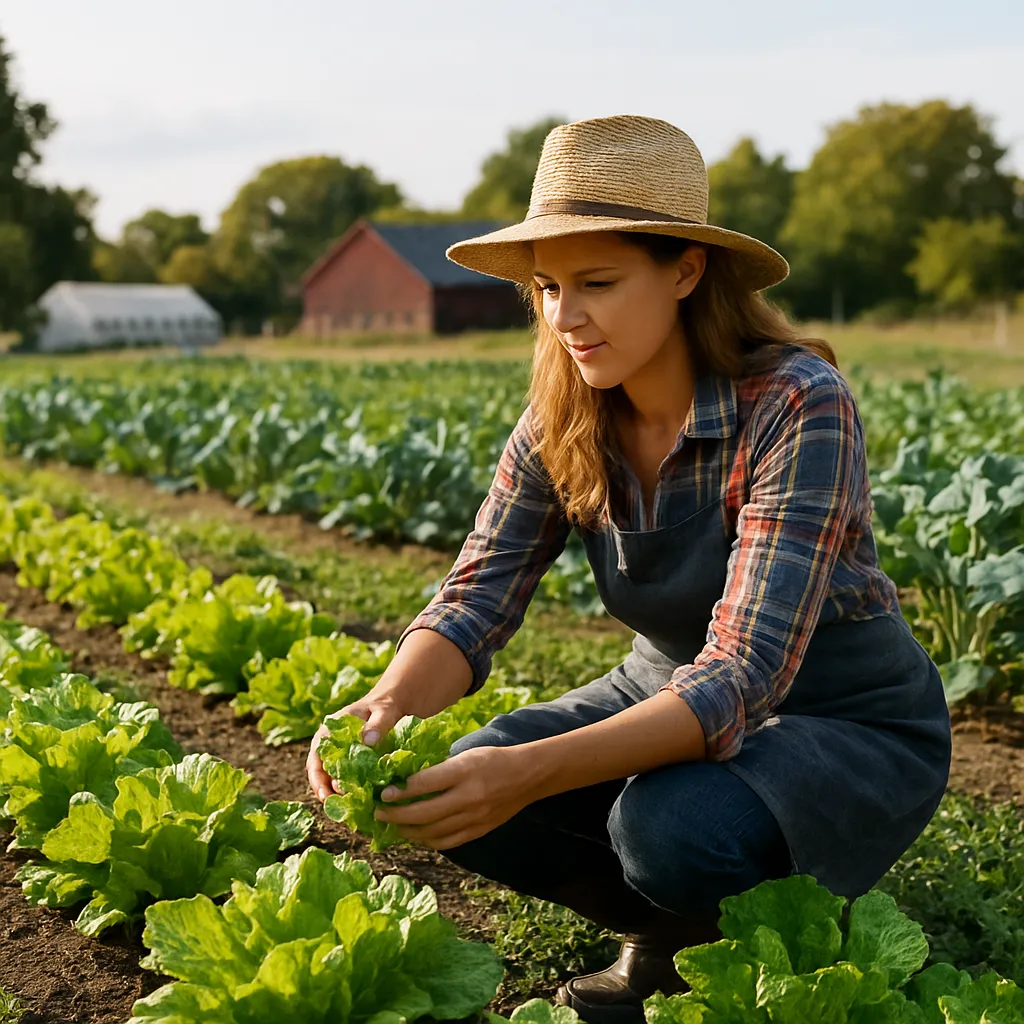
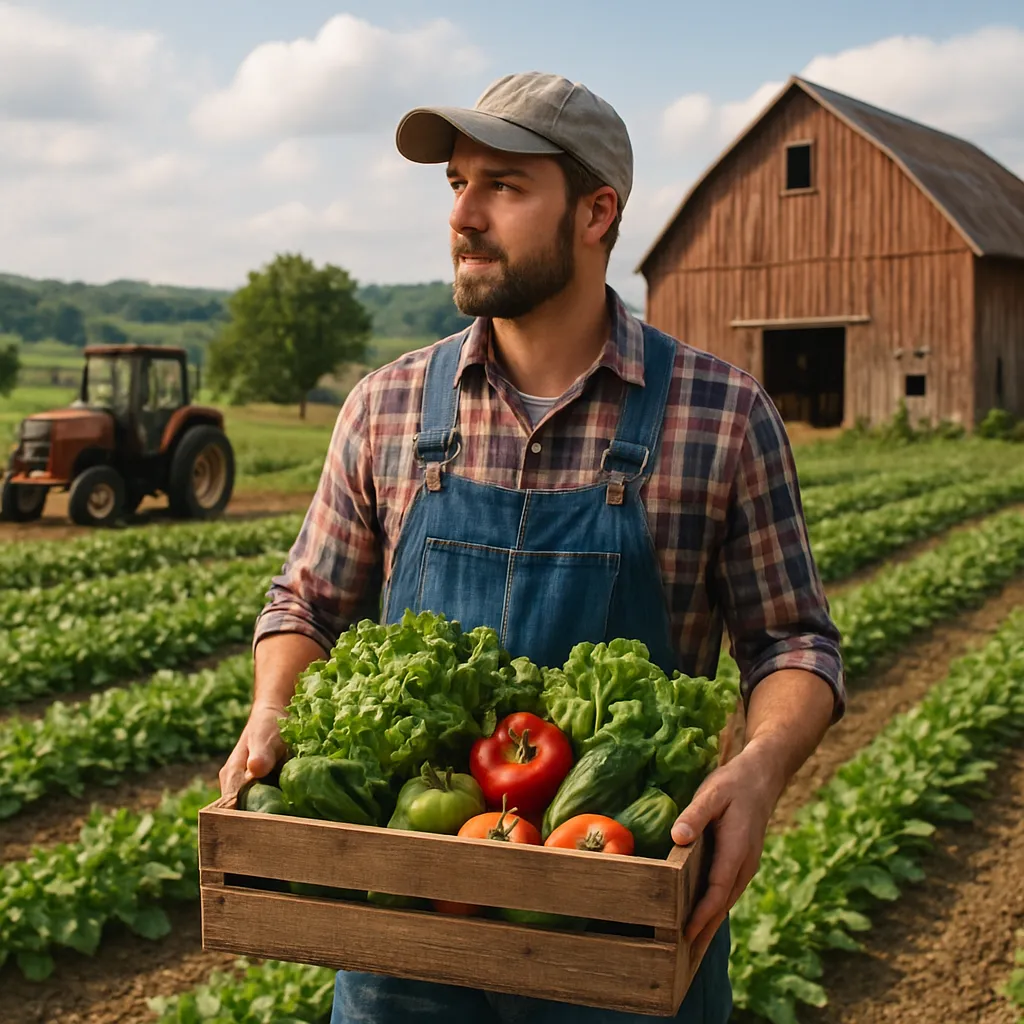
Strengthening connections between producers and consumers fosters transparency, reduces food miles, and ensures that fresh, nutrient-rich food reaches dinner tables swiftly. Community-supported agriculture and farmers’ markets empower residents to access seasonal produce directly from growers, boosting household diets and encouraging healthier consumption patterns.
A robust local food network enhances equity by improving access to nutritious options in underserved areas. Initiatives often include:
- Mobile markets that bring fresh produce to urban neighborhoods
- Urban farms converting vacant lots into productive green spaces
- School garden programs teaching children about plant biology and balanced diets
- Cooperative buying clubs that negotiate lower prices and distribute food shares
Such activities not only provide immediate dietary benefits but also cultivate social cohesion, create educational opportunities, and reinforce regional cultural identity. Local farms become living classrooms where community members learn about food origins, seasonality, and the importance of sustainable stewardship.
Technological Innovations in Agriculture for Public Health
Advancements in agricultural science and technology are propelling farms toward greater efficiency, precision, and nutritional output. By deploying sensors, data analytics, and automation, growers can optimize resource use, reduce waste, and target applications of water, fertilizers, and biocontrol agents with unprecedented accuracy.
Examples of transformative innovations include:
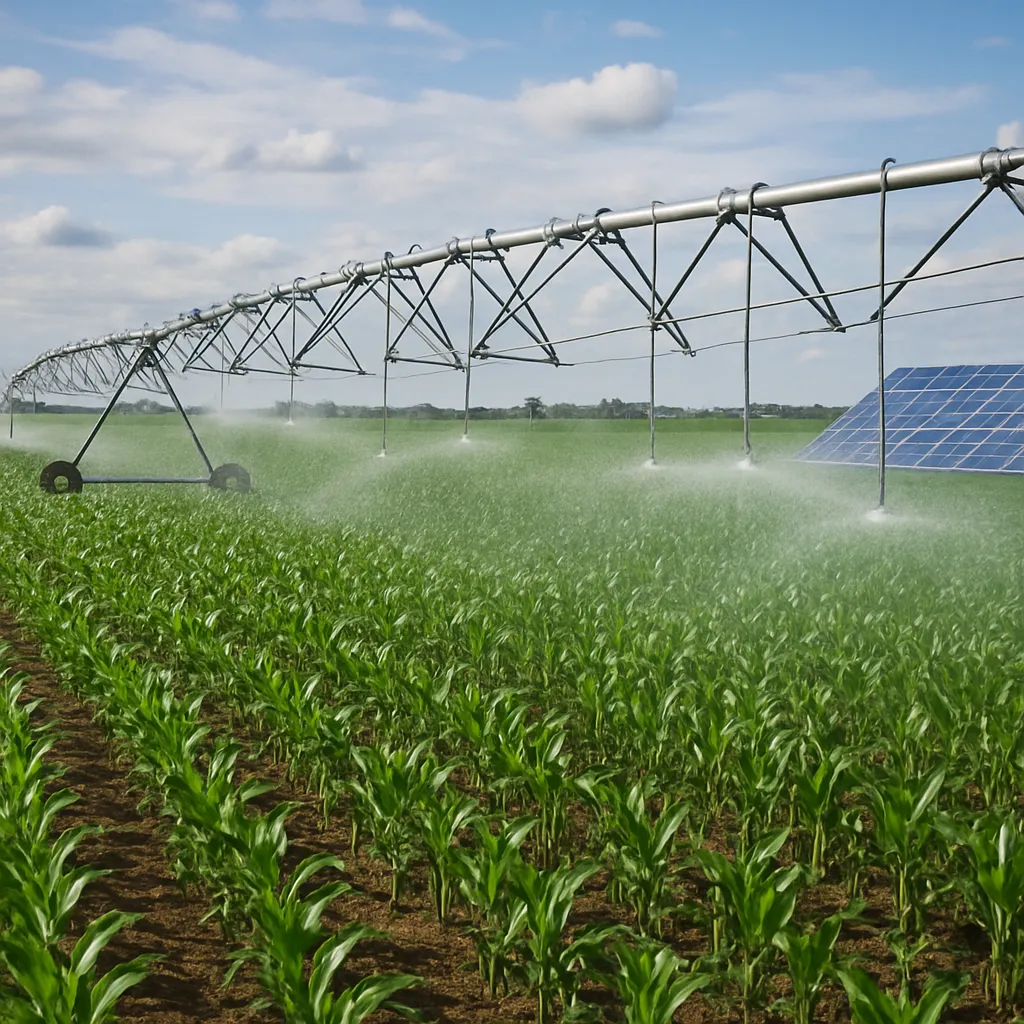
- Precision irrigation systems that deliver water directly to root zones, conserving resources
- Drone-based imaging to detect nutrient deficiencies and plant stress early
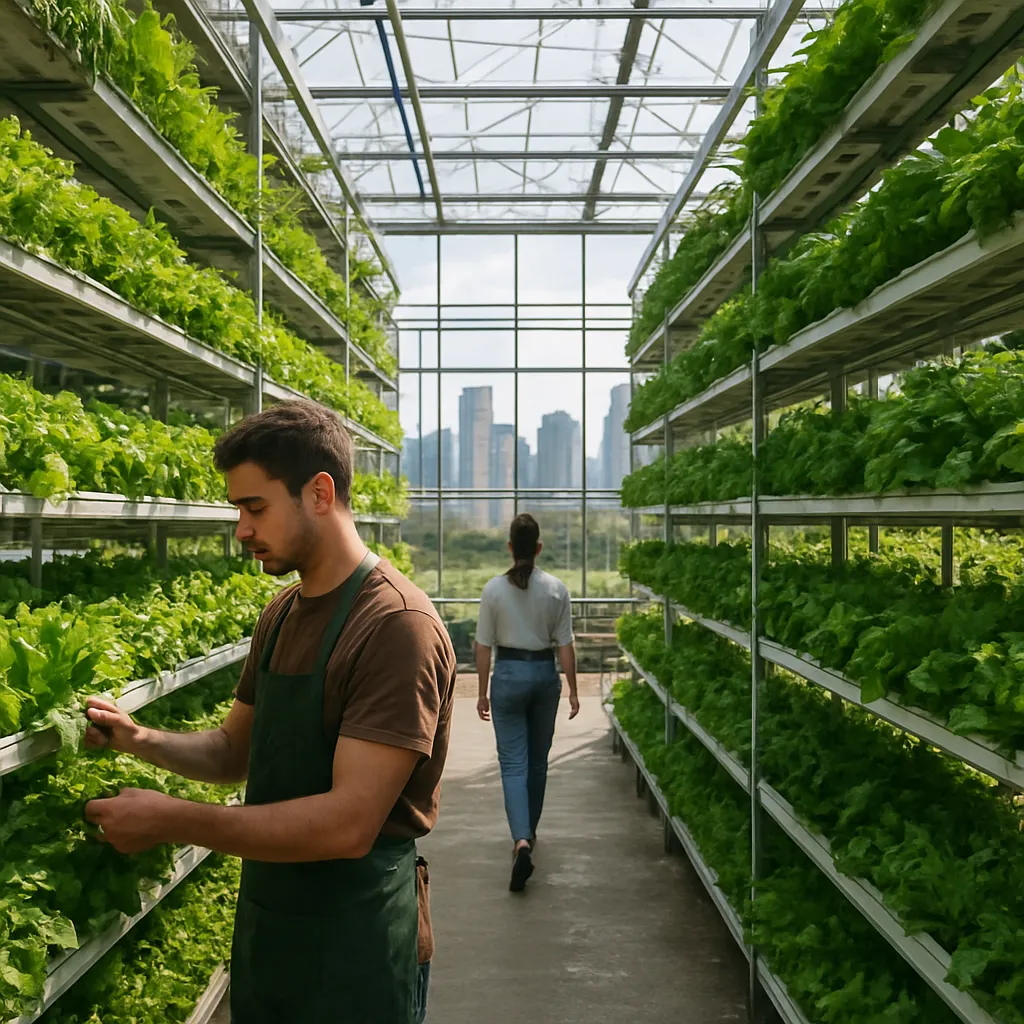
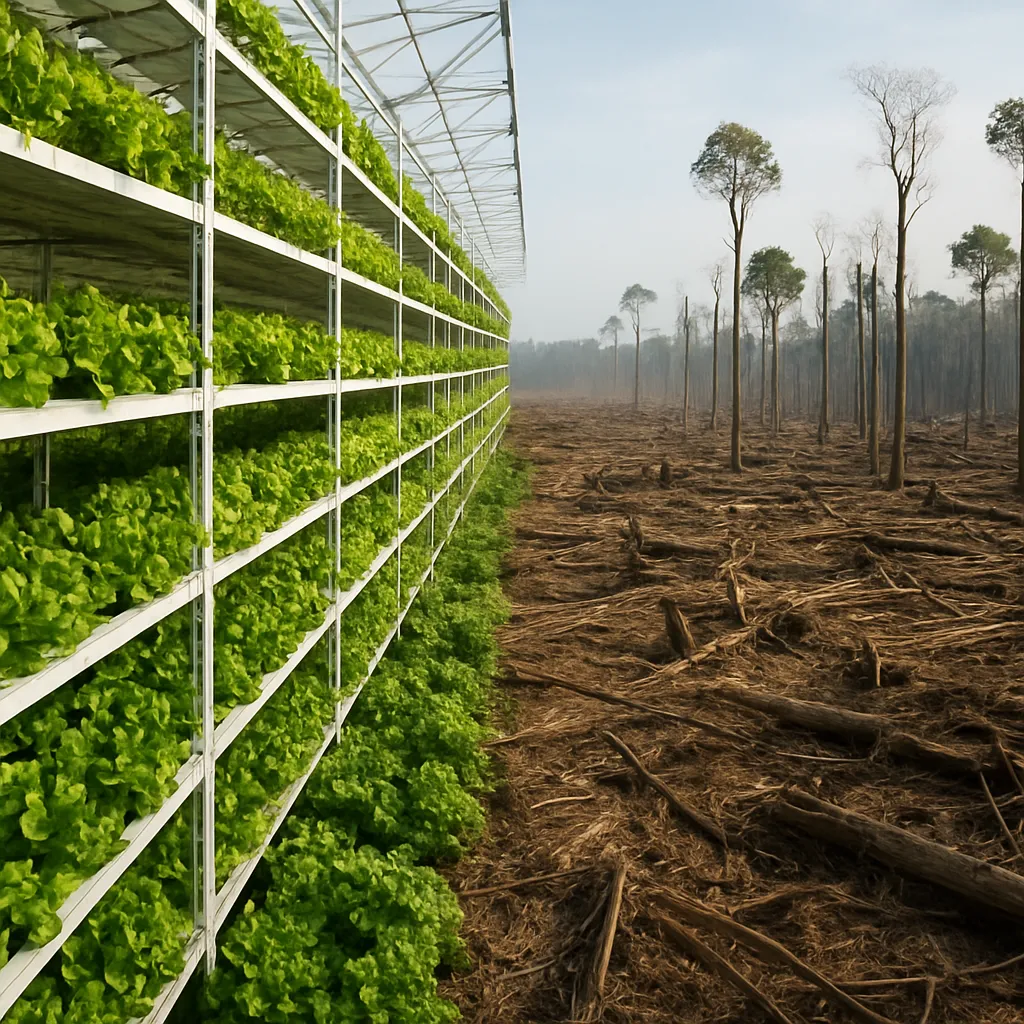
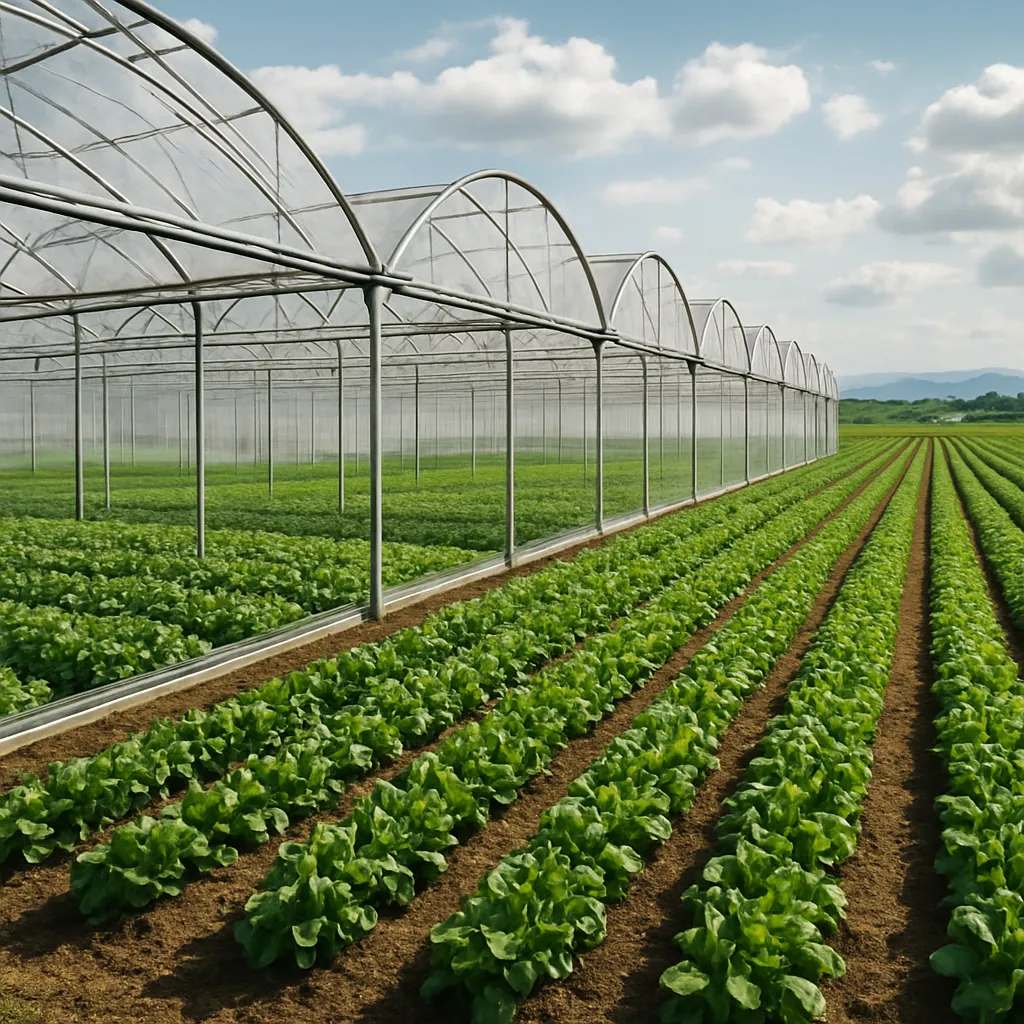
- Vertical farming and hydroponics that maximize space and minimize land footprint
- Breeding programs and gene editing that develop crop varieties rich in vitamins and minerals
These technologies yield produce with enhanced nutritional profiles by closely monitoring growth conditions and enabling real-time adjustments. As a result, farms can maintain high product quality and consistency while adhering to environmental standards. The integration of biotechnology and digital tools is paving the way for the next generation of organic and precision agriculture.
Policy and Economic Drivers for Nutritious Food Production
Government policies, market incentives, and international trade agreements shape the agricultural landscape and influence farm-level decisions. Subsidies for staple grains, for instance, can skew planting choices away from diverse vegetable and fruit crops, affecting the range of nutrients available to the public. On the other hand, targeted support for specialty crops and sustainable practices encourages the cultivation of vitamin-rich foods.
Important policy measures include:
- Incentives for cover cropping and reduced tillage to improve long-term soil health
- Grants for smallholder farms adopting eco-friendly technology
- Nutrition-sensitive agricultural programs that link farmers to school feeding initiatives
- Trade policies that lower barriers for exporting and importing healthful produce
By recognizing the intrinsic value of on-farm diversity and nutritional quality, legislators can promote an agricultural economy that prioritizes public health. Investments in training, research, and rural infrastructure bolster farm resilience and empower growers to meet consumer demand for high-quality, nutrient-packed food.
Global Collaboration and Future Directions
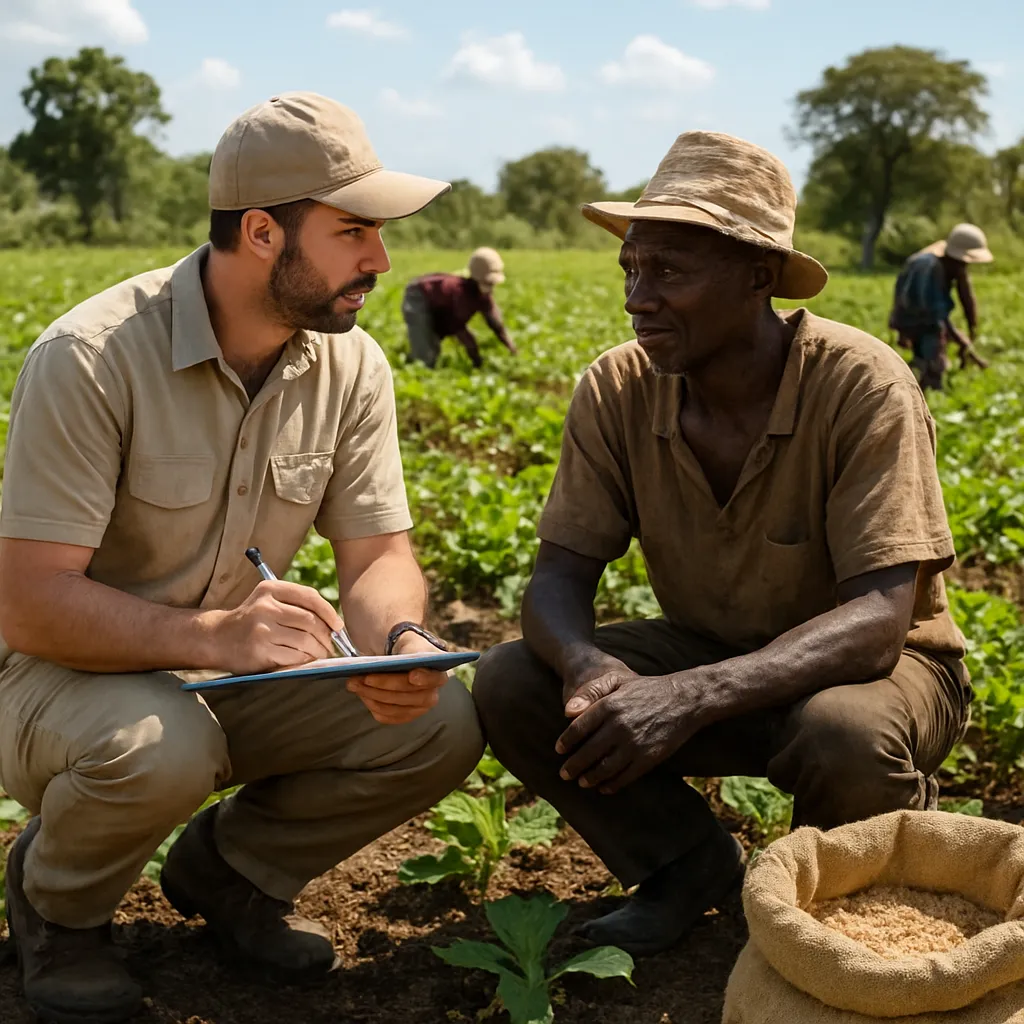
International partnerships among governments, NGOs, research institutes, and private enterprises are critical for disseminating best practices and scaling successful models. Collaborative platforms facilitate knowledge exchange on soil restoration, climate adaptation, and post-harvest handling, ensuring that nutritious food production remains at the forefront of global development agendas.
Moving forward, the agricultural sector must embrace holistic strategies that integrate environmental sustainability, social welfare, and economic viability. By leveraging traditional wisdom alongside modern science, farms around the world can continue to enhance public health through the delivery of safe, fresh, and nutrient-rich food.