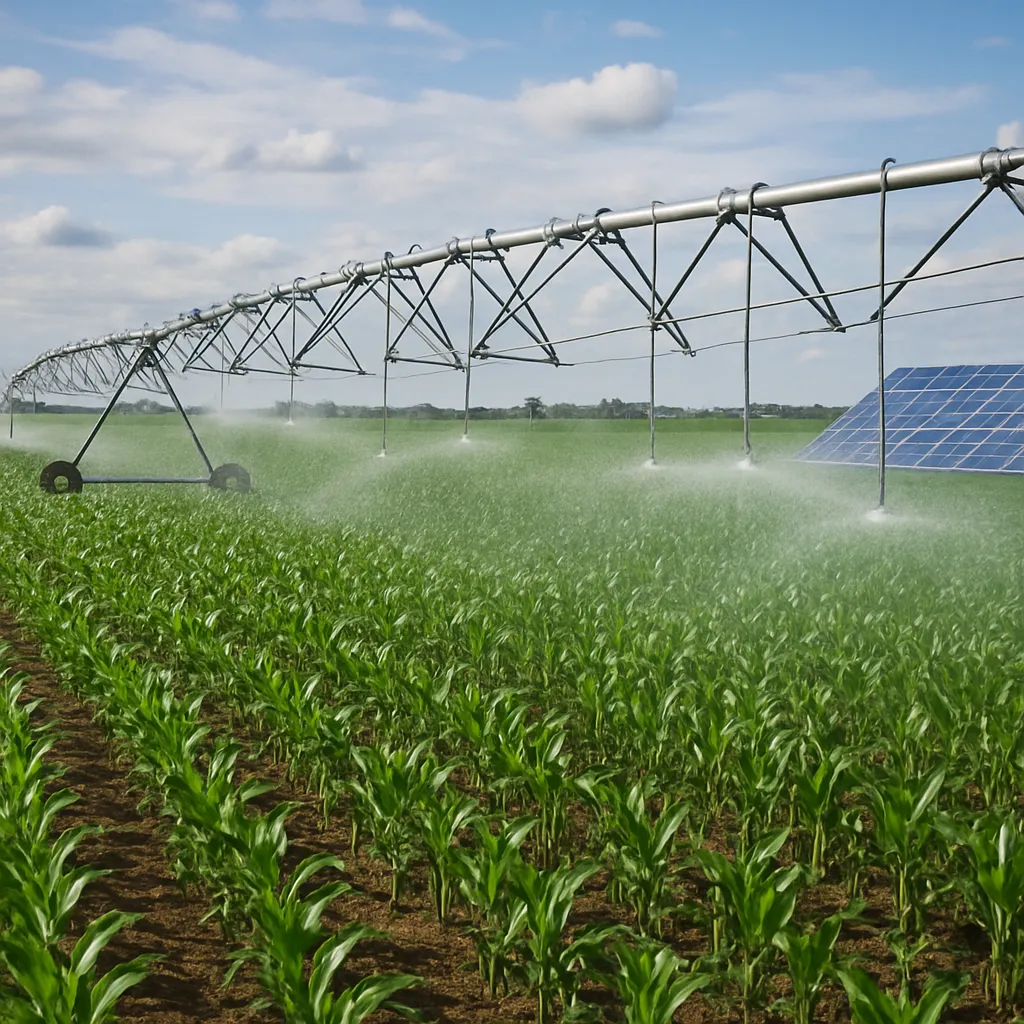
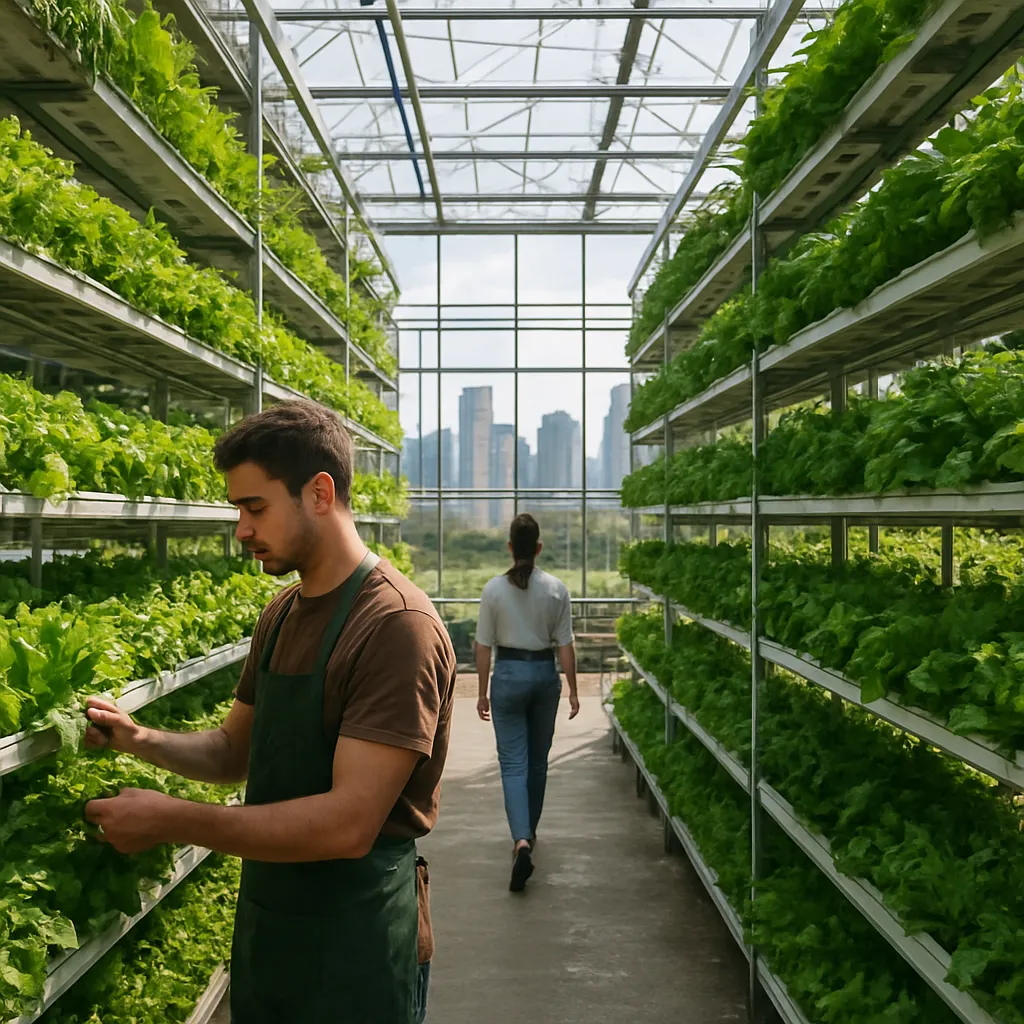
The methods by which humanity cultivates food are undergoing a profound transformation. Among these, hydroponic farming stands out as a revolutionary system that replaces traditional soil-based approaches with nutrient-enriched water solutions. By decoupling cultivation from land constraints, hydroponics offers novel pathways to address global food security, reduce environmental impact, and adapt to shifting climate patterns.
Global Adoption of Hydroponic Systems
Hydroponic farming has expanded from niche research projects to large-scale agriculture enterprises across diverse regions. Urban centers in North America, Europe, and Asia are transforming warehouses and rooftops into high-yield farms. In arid zones like the Middle East, hydroponics compensates for scarce arable land, while in cold climates such as Scandinavia, it extends growing seasons.
Key Benefits Driving Adoption
- Resource Efficiency: Water usage can be as much as 90% lower than in soil farming.
- Year-round Production: Independent of seasonal fluctuations and extreme weather.
- Space Optimization: Vertical stacking systems maximize yield per square meter.
- Pesticide Reduction: Controlled environments limit pest pressure and disease outbreaks.
Regional Case Studies
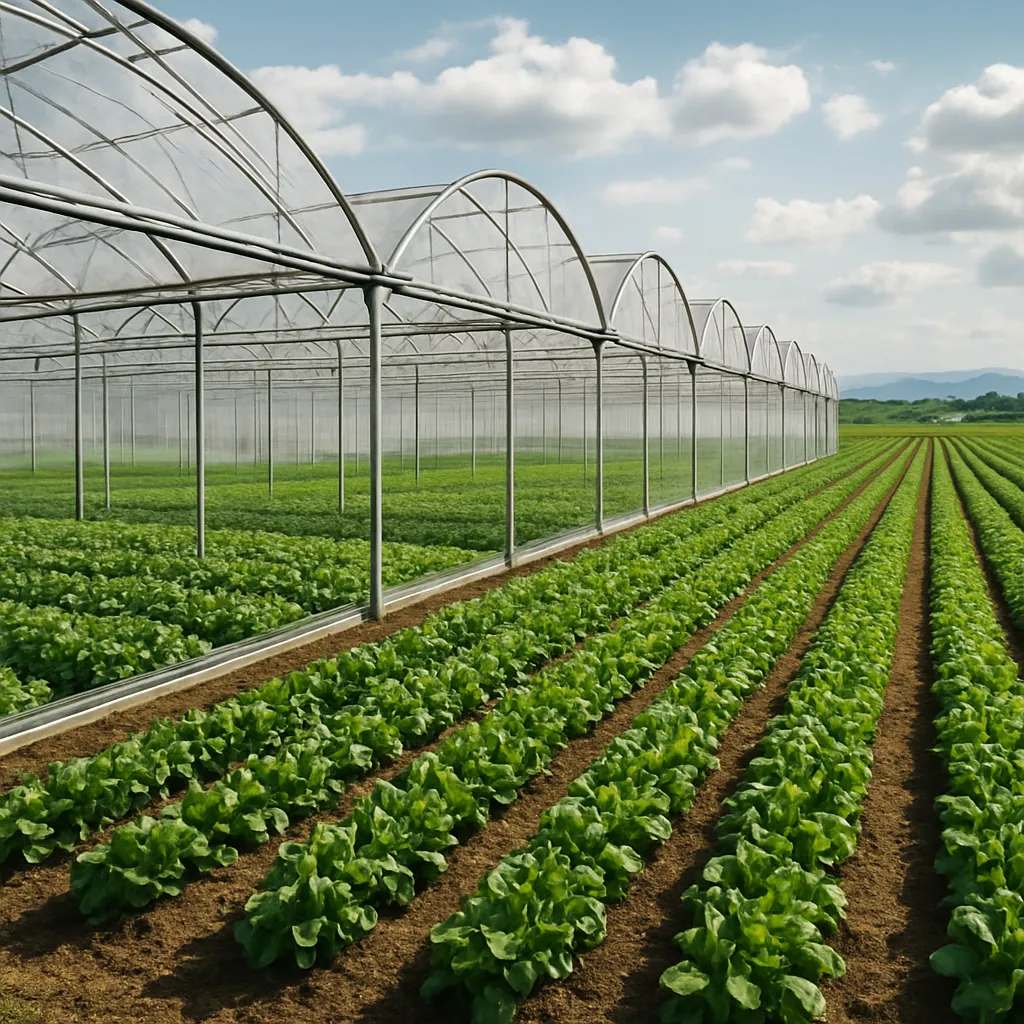
- Netherlands: Leading the world with high-tech greenhouse complexes that export lettuce and tomatoes globally.
- Japan: Innovative compact units for urban apartments, enabling individuals to grow fresh herbs and greens indoors.
- United Arab Emirates: Desert-based hydroponic farms providing leafy greens to reduce dependence on imports.
Technological Innovations Driving Growth
Advances in technology are accelerating the efficiency and scalability of hydroponic farms. Automated systems, data analytics, and artificial intelligence are now central to modern operations.
Automated Nutrient Delivery
Sensors continuously monitor pH, electrical conductivity, and nutrient concentrations. Automated dosing units adjust nutrient mixes in real time, ensuring optimal plant uptake of essential minerals like nitrogen, phosphorus, and potassium.
LED Lighting and Climate Control
Energy-efficient LED fixtures provide tailored light spectra to support photosynthesis while minimizing power consumption. Coupled with precise temperature and humidity regulation, these systems maintain ideal conditions regardless of external weather.
AI-Driven Crop Management
Machine learning algorithms analyze growth patterns, predict yields, and detect early signs of stress or disease. Growers can intervene quickly, reducing losses and enhancing overall productivity.
Environmental and Economic Impacts
The shift toward hydroponic farming has major implications for sustainability and cost structures within the global food system.
Reduced Environmental Footprint
- Water Conservation: Closed-loop systems recycle excess nutrient solution, minimizing waste.
- Lower Carbon Emissions: Localized production cuts down on long-distance transport of fresh produce.
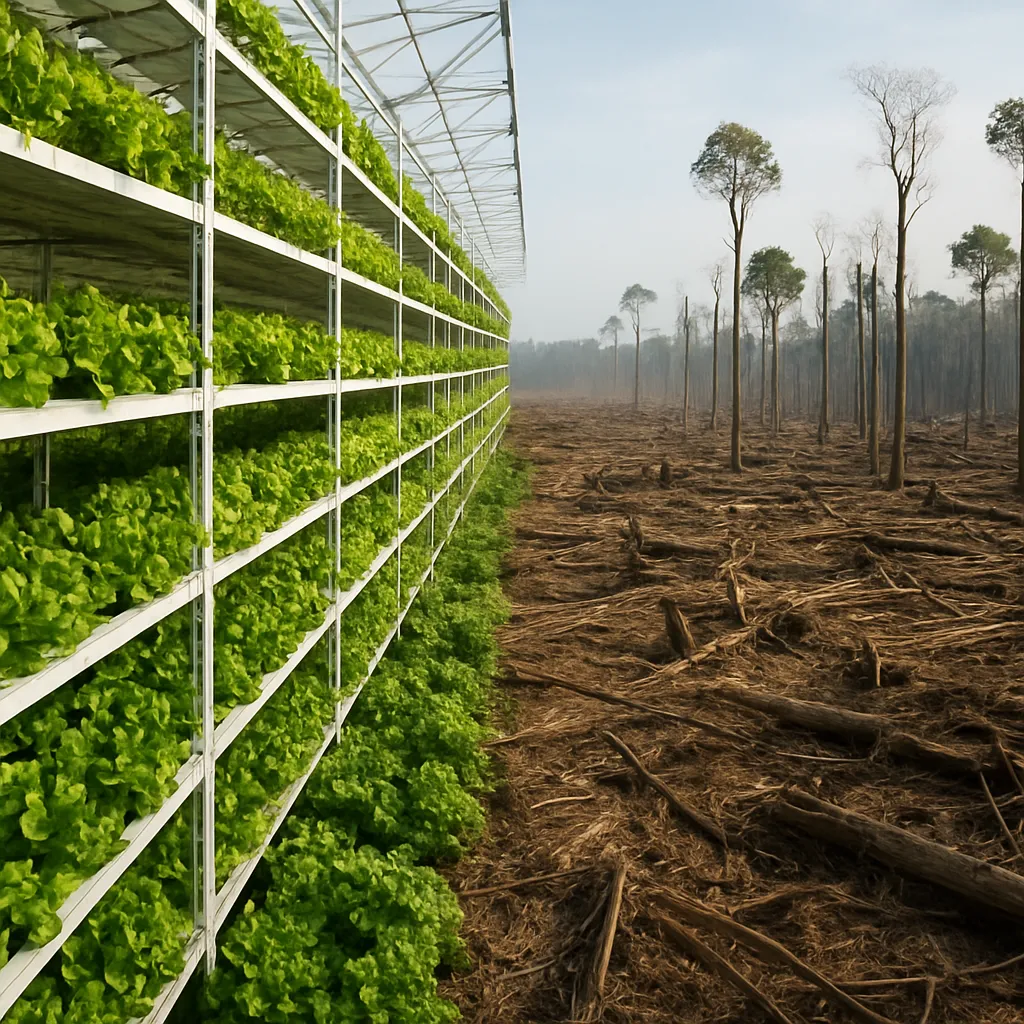
- Land Preservation: By operating indoors, hydroponic farms relieve pressure on deforestation and soil degradation.
Economic Advantages
- Stable Yields: Predictable outputs lead to reliable revenue streams for investors and farmers.
- Higher Crop Density: Vertical arrangements multiply yield without requiring expansive fields.
- Premium Market Opportunities: Consumers pay a premium for locally grown, pesticide-free vegetables.
Challenges and Future Prospects
Despite its promise, hydroponic farming faces hurdles that must be addressed to secure its place in mainstream sustainability strategies.
Initial Capital and Operational Costs
Setting up large-scale hydroponic facilities demands significant investment in infrastructure, equipment, and energy. However, costs are dropping as systems become more innovative and standardized.
Technical Expertise and Training
Successful hydroponic operations require specific knowledge of nutrient management, system maintenance, and biosecurity. Educational programs and extension services are expanding to fill this skills gap.
Integration with Traditional Farming
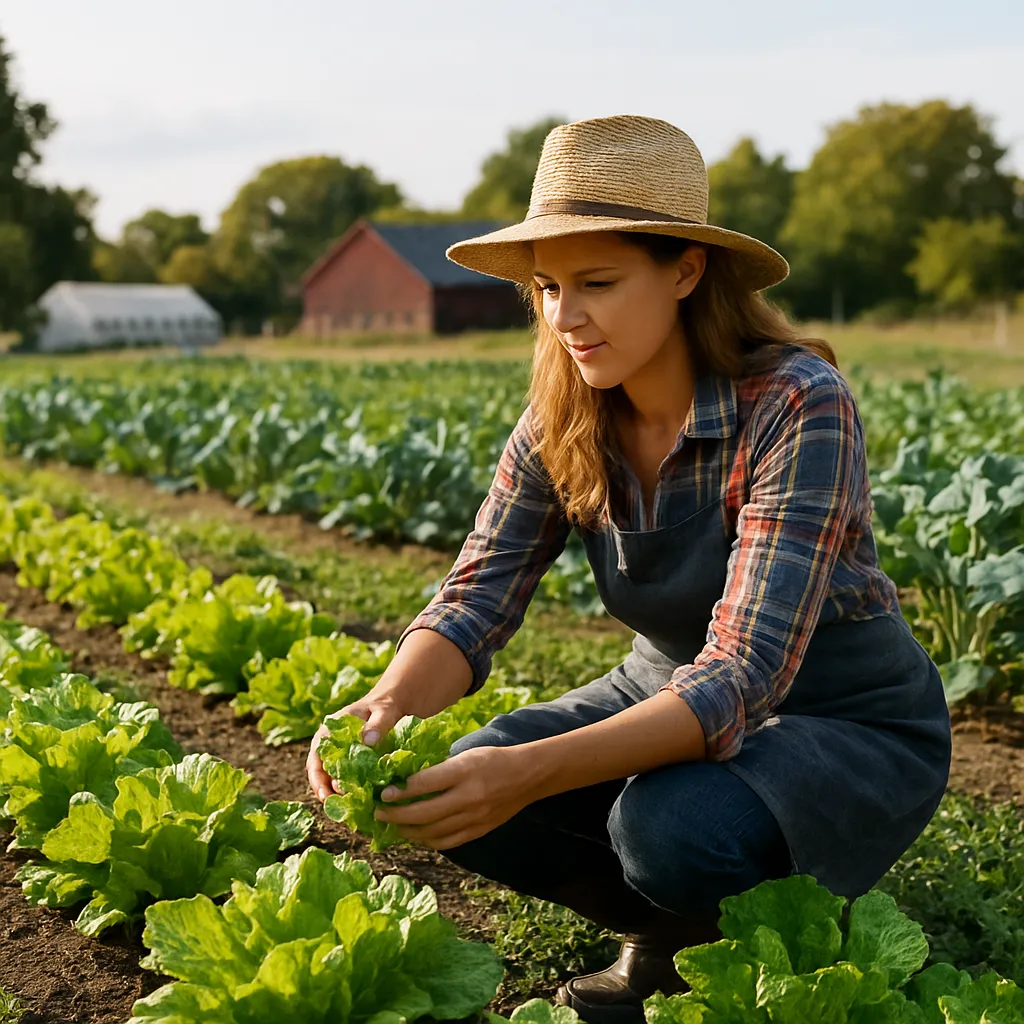
Hybrid models are emerging that blend soil-based and hydroponic methods, leveraging the strengths of each approach. Such integrated systems can optimize land use while offering farmers diversified income streams.
Emerging Trends
- Vertical Farming Towers: Multi-story hydroponic structures that can be situated within urban skyscrapers.
- Blockchain Traceability: Ensuring transparency and trust in supply chains from seed to supermarket shelf.
- Renewable Energy Integration: Solar panels and wind turbines powering farms to achieve carbon-neutral operations.
As global demand for fresh produce continues to rise, hydroponic farming systems are poised to play an ever-growing role in nourishing populations while conserving vital resources. With continued innovation in nutrients, system design, and management software, the future of agriculture looks increasingly hydroponic—and highly sustainable.