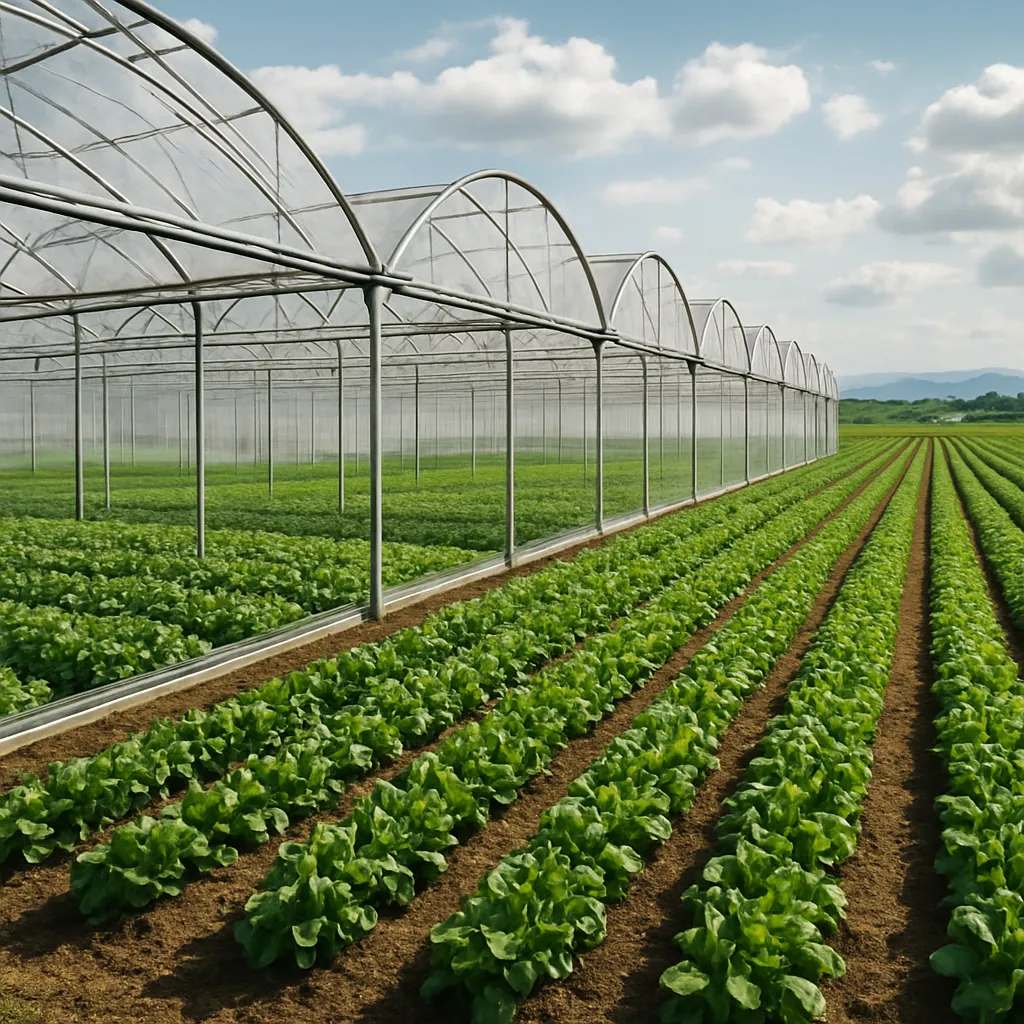
Across vast landscapes and diverse ecosystems, Indigenous communities have cultivated agricultural systems for millennia, weaving together intricate relationships between people, land, and nature. Their practices reveal a wealth of resilience, adaptability, and respect for the natural world—elements that modern agriculture can draw upon to address pressing challenges. By examining the strategies rooted in local knowledge and cultural traditions, we uncover pathways toward sustainability, enhanced soil fertility, and community well-being.
Traditional Agricultural Techniques and Biodiversity Conservation
Within many Indigenous territories, farmers have long embraced polycultures—cultivating multiple species in a single plot—to foster biodiversity and ecological balance. Unlike monocultures, which depend heavily on synthetic inputs, these intercropping systems promote natural pest control and resource efficiency.
- Milpa System: Practiced by Mesoamerican communities, this method integrates maize, beans, and squash. Each species supports the others: maize provides a trellis for bean vines, beans fix atmospheric nitrogen, and squash leaves suppress weeds and retain soil moisture.
- Agroforestry in the Amazon: Indigenous groups manage diverse plant species—fruit trees, medicinal shrubs, and root crops—under a forest canopy. The result is a mosaic of productive plots that maintain forest cover and enhance carbon sequestration.
- Rice-Fish Culture in Southeast Asia: Traditional paddies are stocked with fish that feed on pests and fertilize rice plants. This symbiotic combination increases yields, reduces chemical usage, and provides nutritional diversity.
Such holistic designs emphasize ecosystem services. By harnessing plant interactions, water cycles, and natural predators, Indigenous farmers achieve stable yields while preserving genetic diversity—an essential buffer against pests, diseases, and climate fluctuations.
Soil Health Through Regenerative Practices
Healthy soil forms the foundation of productive farming. Indigenous techniques often focus on enhancing organic matter, preventing erosion, and maintaining nutrient cycles.
- Slash-and-Char (Terra Preta): Amazonian peoples created biochar-rich soils—so-called Terra Preta—by incorporating charcoal, organic waste, and pottery shards. These soils remain remarkably fertile for centuries, showcasing a model for carbon sequestration and renewed land productivity.
- Cover Cropping: In many regions, farmers sow fast-growing plants between main crops to protect the ground from erosion, suppress weeds, and capture nutrients. When these covers decompose, they enrich the soil with organic matter, increasing microbial activity and moisture retention.
- Contour Terracing: Mountainous communities in the Andes and Southeast Asia carve terraces along slopes, reducing runoff and allowing water to infiltrate evenly. This approach prevents landslides, preserves topsoil, and creates microclimates suitable for varied crops.
By integrating these methods, Indigenous groups demonstrate how regeneration and productivity can go hand in hand. The emphasis on building living soils nurtures ecosystems that are more resilient to droughts and extreme weather.
Water Management and Climate Adaptation
Water scarcity and irregular rainfall patterns pose significant threats to agriculture worldwide. Indigenous farming tackles these challenges through innovative systems that capture, store, and distribute water efficiently.
- Rainwater Harvesting: In arid zones, communities shape fields to channel rainwater into storage ponds or underground cisterns. These reservoirs sustain crops during dry spells and support livestock and domestic needs.
- Stone Bunds and Check Dams: Sahelian farmers build low stone walls along contours to slow runoff, promote infiltration, and reduce erosion. Check dams within gullies act similarly, allowing sediment to settle and nourishing the soil.
- Qanat Systems: Ancient Middle Eastern innovations tap into aquifers by digging sloping tunnels, supplying water to surface canals for irrigation. This gravity-driven network distributes water across vast areas without requiring mechanical pumps.
These time-tested techniques offer lessons in community-led water management and sustainable resource use. By combining local insight with modern monitoring tools, farmers can optimize water allocation, mitigate the impacts of drought, and ensure equitable access for all stakeholders.
Community Engagement, Social Structures, and Knowledge Transmission
Indigenous agriculture is inseparable from its social fabric. Collective decision-making, ritual ceremonies, and intergenerational teaching foster strong community bonds and ensure the continuity of cultural practices.
- Seed Sovereignty: Families exchange heirloom seeds at annual gatherings, preserving genetic varieties adapted to local conditions. This seed-sharing network enhances food security and empowers communities to maintain control over their agricultural heritage.
- Cooperative Labor: Many villages organize reciprocal labor groups—often called mink’a, ayni, or work parties—where neighbors assist each other during planting and harvest seasons, distributing labor equitably and strengthening social ties.
- Ceremonial Rituals: Agricultural cycles are marked by festivals and offerings that honor spirits of land and water. Such rituals reinforce respect for nature’s rhythms and remind participants of the interconnectedness between human well-being and environmental health.
By weaving cultural heritage into daily practice, Indigenous societies cultivate a sense of stewardship that extends beyond individual plots. This holistic worldview can inform contemporary approaches to participatory management and rural development.
Integrating Indigenous Wisdom Into Modern Agriculture
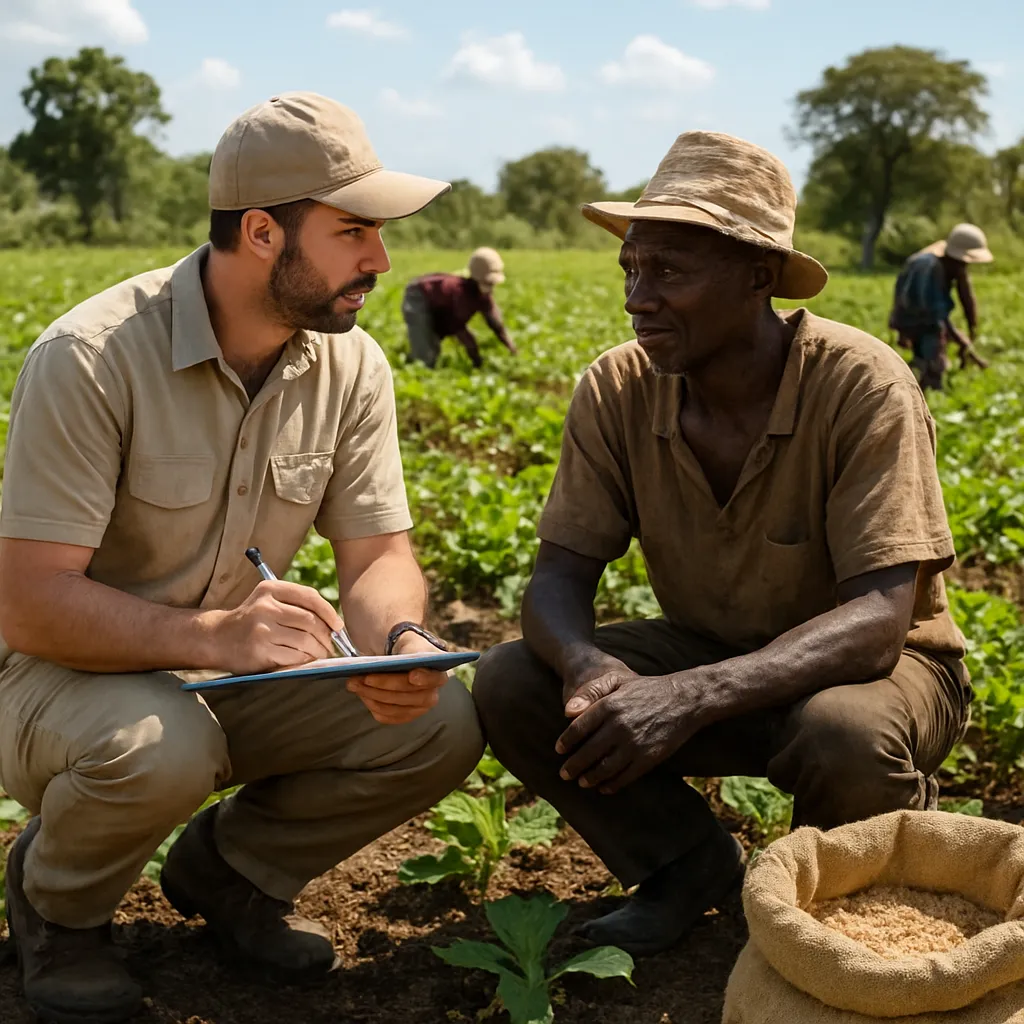
As global food systems face mounting pressures—climate change, soil degradation, and biodiversity loss—there is growing recognition of the value of traditional ecological knowledge. Collaborative research initiatives are partnering with Indigenous custodians to co-create innovations that bridge ancestral wisdom and cutting-edge science.
- Agroecological Trials: Researchers are evaluating the productivity and environmental impacts of polycultures and agroforestry plots compared to conventional farms.
- Participatory Mapping: Communities document sacred groves, water sources, and migration routes, informing land-use planning that respects cultural norms and conserves vital habitats.
- Policy Co-Design: Grassroots organizations advocate for legal recognition of Indigenous land rights, ensuring that traditional stewards can continue practicing sustainable land management without external interference.
Embracing Indigenous farming practices does not imply romanticizing the past but rather recognizing a rich repository of agroecological strategies that have withstood centuries of change. By fostering genuine partnerships, agricultural stakeholders can nurture resilient landscapes that sustain both people and planet.