Agriculture has always been at the heart of human progress, shaping economies, societies, and the very landscapes we inhabit. Modern farms span diverse environments—from expansive grain fields in North America to terraced rice paddies in Southeast Asia—and they face a range of challenges and opportunities unique to the 21st century. This article examines the key factors that underpin a successful farm operation today, focusing on advances in technology, commitments to sustainability, integration into global markets, and strong community ties.
Technological Innovation and Digital Tools
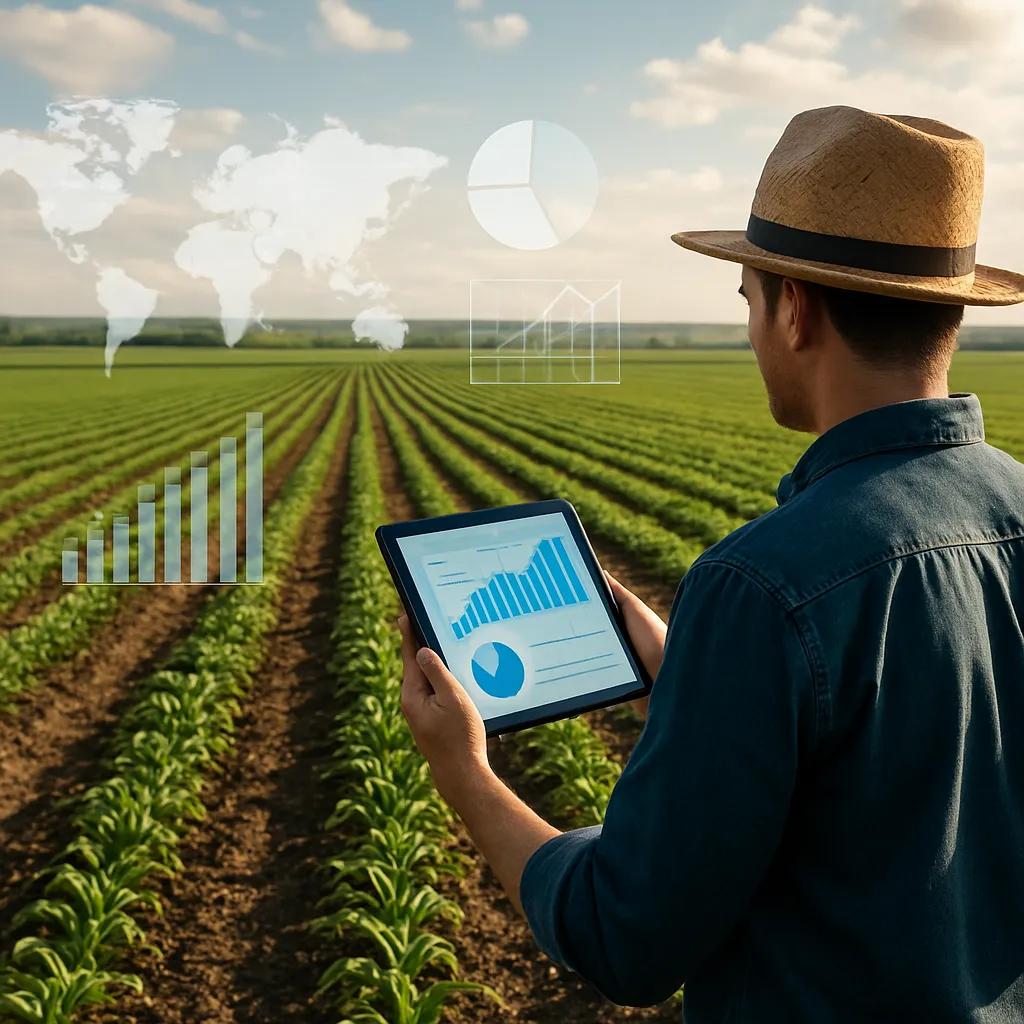
For many farmers, adopting cutting-edge tools is no longer optional. Precision agriculture, powered by satellite imaging, drones, and soil sensors, enables producers to monitor crops at a granular level. By applying water, fertilizers, and pesticides only where needed, farms achieve higher efficiency and reduce environmental impact.
Smart Irrigation Systems
Automated sprinklers and drip systems can be controlled via smartphone apps, adjusting water flow based on real-time weather data. Such systems enhance water management and conserve a vital resource in drought-prone regions.
Data Analytics and Machine Learning
Large datasets collected from tractors, harvesters, and remote sensors feed into predictive models that forecast yields and detect early signs of pest infestations or nutrient deficiencies. Embracing innovation in data science allows farm managers to make informed decisions, boosting overall productivity.
Sustainable Practices for Long-Term Resilience
Environmental stewardship is central to modern farming. Consumers and governments increasingly demand food grown in ways that protect ecosystems and mitigate climate change.
Regenerative Agriculture
Techniques such as cover cropping, reduced tillage, and rotational grazing restore soil health, enhance carbon sequestration, and foster biodiversity. These practices build resilience against extreme weather events and support healthier crop cycles.
Integrated Pest Management
Rather than relying solely on chemical pesticides, farmers combine biological controls, habitat diversification, and targeted chemical use to manage pests effectively. This holistic approach reduces potential harm to beneficial insects and surrounding wildlife.
Renewable Energy Integration
Installing solar panels, wind turbines, or biogas digesters on farms lowers energy costs and decreases carbon footprints. These renewable energy sources can power irrigation pumps, barns, and processing equipment, leading to more sustainable operations.
Global Market Integration and Value Chains
Linking to international supply chains expands opportunities but also introduces complexities. Understanding trade regulations, tariff structures, and quality standards is crucial for farm enterprises aiming to compete globally.
Certification and Traceability
Certifications like Fair Trade, Organic, and Rainforest Alliance guarantee consumers that products meet rigorous social and environmental criteria. Traceability systems—often using blockchain technology—allow end-to-end tracking of produce from seed to shelf, reinforcing consumer trust and brand reputation.
Diversification of Crops and Products
Specializing in a single commodity can be risky due to price volatility and climate variation. Farms that cultivate multiple crops or integrate livestock with crop production spread risk and create additional revenue streams, enhancing overall diversification.
Direct-to-Consumer Models
Farmers’ markets, Community Supported Agriculture (CSA) subscriptions, and online sales platforms enable producers to capture a larger share of final retail prices. Building direct relationships with consumers fosters loyalty and provides immediate feedback on preferences.
Community Engagement and Labor Management
Successful farms rely on skilled labor and strong ties with local communities. As rural populations shift and labor shortages persist, farms must adopt fair labor practices and invest in workforce development.
Workforce Training and Skill Development
Modern agriculture requires technical expertise in equipment operation, data interpretation, and sustainable methods. Partnerships with vocational schools, agricultural extension services, and universities help farms cultivate a knowledgeable workforce.
Equitable Labor Practices
Providing fair wages, safe working conditions, and access to healthcare attracts and retains workers. Farms that respect labor rights build positive reputations and strengthen community bonds.
Local Collaboration and Cooperative Models
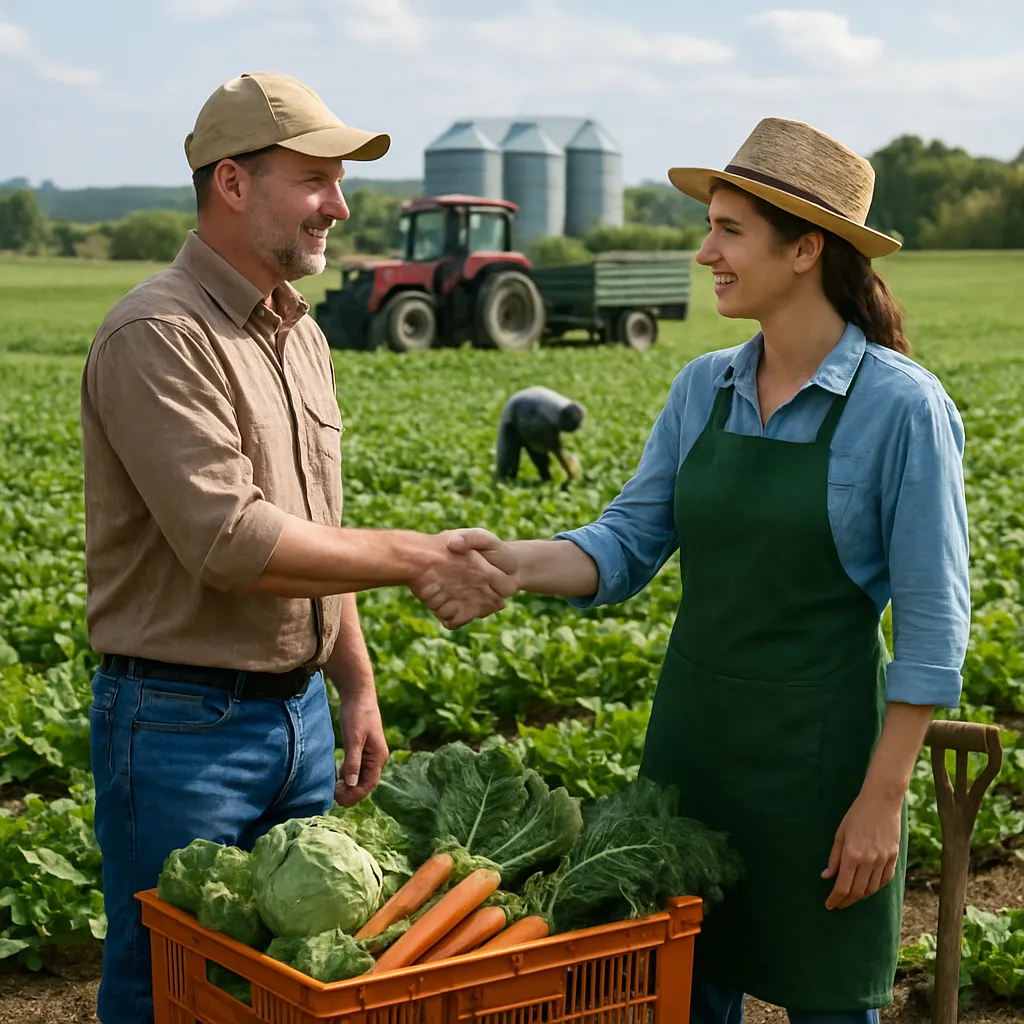
Cooperatives allow smallholders to pool resources, share machinery, and negotiate better prices for inputs and outputs. Community-led initiatives—such as shared storage facilities or collective marketing campaigns—empower farmers and reinforce social resilience.
Financial Planning and Risk Management
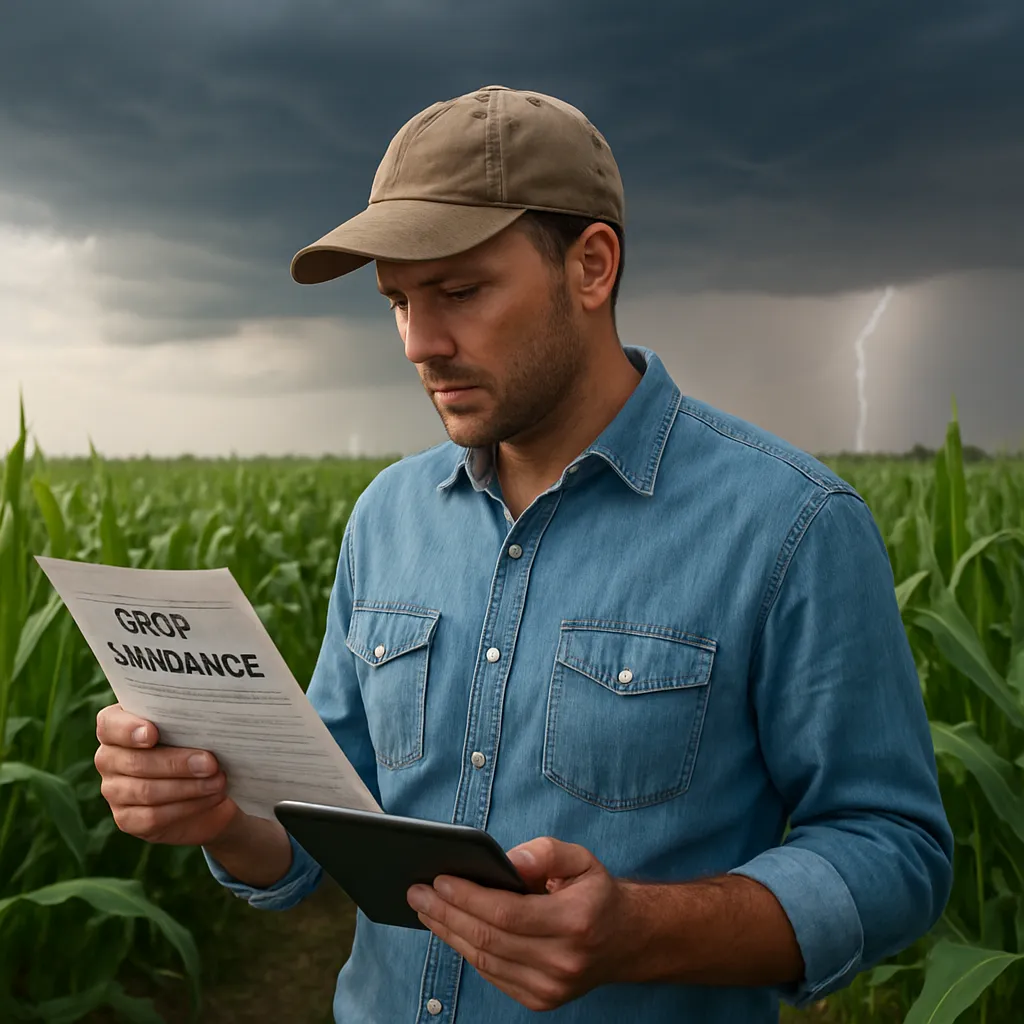
Effective financial strategies safeguard farms against market fluctuations and unforeseen challenges like extreme weather or pest outbreaks.
Crop Insurance and Hedging
Insurance products protect farmers from yield losses due to natural disasters, while futures contracts and options allow them to lock in commodity prices in advance, stabilizing income streams.
Access to Capital
Securing affordable financing through government programs, microloans, or impact investors enables investments in machinery, infrastructure, and research. Transparent financial planning and record-keeping help farmers qualify for grants and low-interest loans.
Continuous Performance Monitoring
Regularly evaluating operational metrics—such as cost per acre, labor efficiency, and return on investment—guides strategic adjustments. Financial dashboards and farm management software facilitate real-time visibility into expenditures and revenues.
Embracing Future Trends
As global population and climate pressures grow, farms must adapt to emerging trends and new consumer demands.
Urban Agriculture and Vertical Farming
Compact, soil-free systems located near consumption centers reduce transportation costs and provide fresh produce year-round. Vertical farms, powered by LED lighting and hydroponics, represent a cutting-edge march toward urban food security.
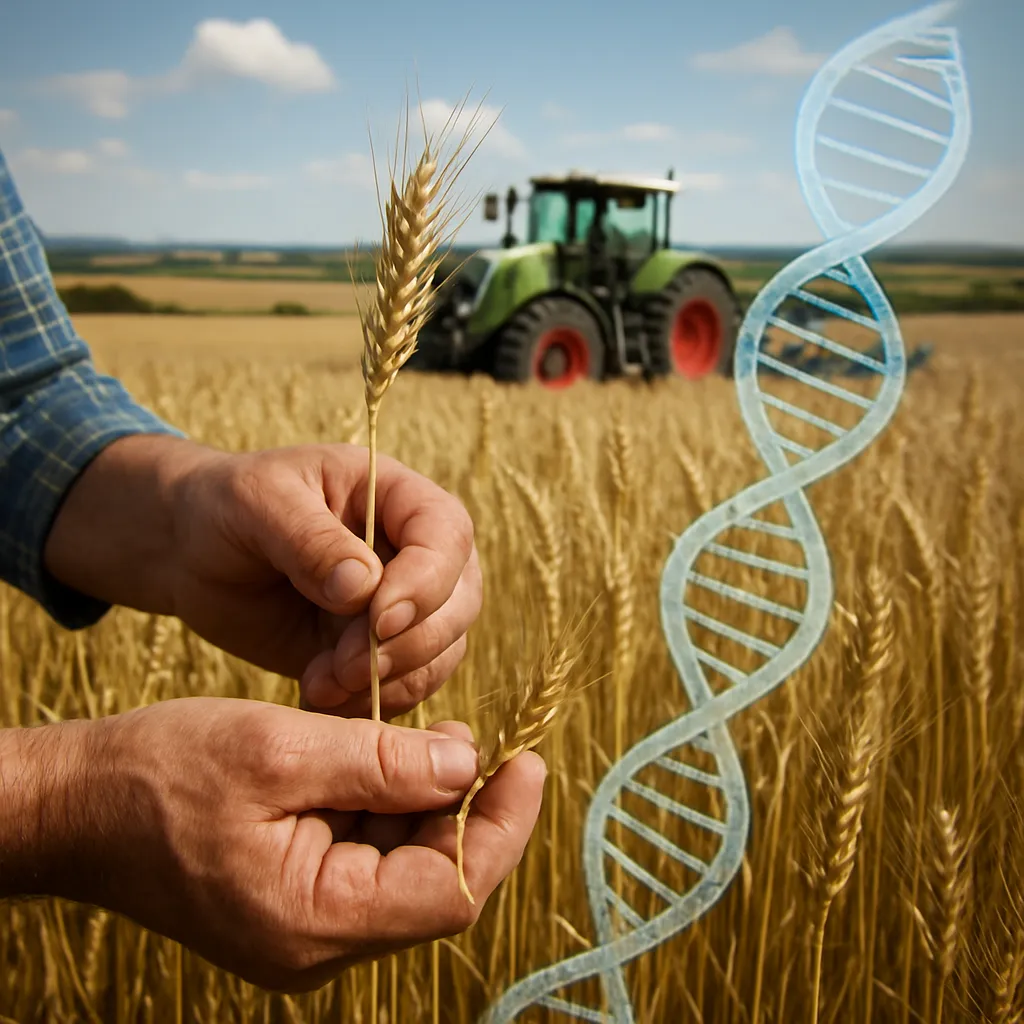
Biotechnology and Crop Improvement
Advances in gene editing and plant breeding produce varieties with enhanced drought tolerance, disease resistance, and nutritional content. Responsible deployment of these technologies can significantly advance global food availability.
Collaborative Research and Innovation Networks
Farmers partnering with research institutions and tech startups accelerate the transfer of breakthroughs from labs to fields. Open-source platforms and knowledge-sharing forums democratize access to best practices worldwide.
By integrating technological advancements, sustainable methods, global market savvy, strong community connections, robust financial management, and foresight into emerging trends, modern farms can thrive in the 21st century. These interwoven elements form the backbone of a resilient, productive, and environmentally responsible agricultural future.