Water scarcity has emerged as a critical challenge for farms across every continent. As populations grow and climates shift, agricultural communities grapple with dwindling water resources while striving to maintain productivity, food security, and ecological integrity. This article explores how limited water availability affects diverse global farming systems, examines innovative approaches to optimize irrigation, delves into socioeconomic hurdles, and highlights policy frameworks that aim to foster sustainable water management.
Impact of Water Scarcity on Crop Production
When rainfall patterns become unpredictable and groundwater reserves shrink, the ability of farmers to irrigate fields consistently is jeopardized. Reduced water supply translates directly into lower yields of staple crops such as wheat, rice, maize, and vegetables. In regions already prone to drought, the risk of total crop failure increases, threatening both local livelihoods and national food reserves.
Key dimensions of this impact include:
- Decline in photosynthesis efficiency: Insufficient water stress limits stomatal opening, reducing the plant’s capacity for photosynthesis.
- Soil salinization: Excessive evaporation in arid climates leaves behind salts that degrade soil structure and impede root growth.
- Delayed growth cycles: Water shortages often force farmers to postpone planting seasons, exposing crops to heat waves or early frosts.
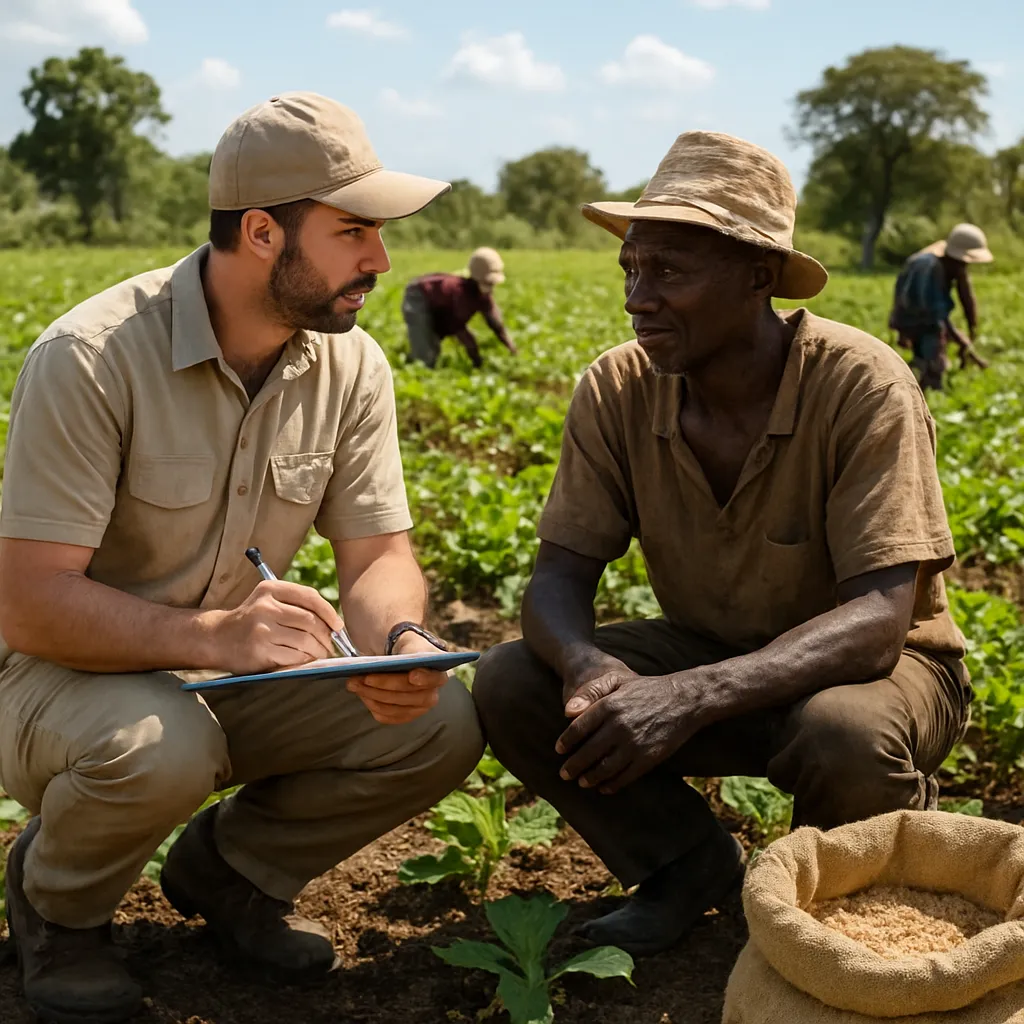
Moreover, water scarcity forces difficult choices regarding which fields to irrigate. In many communities, large-scale commercial farms with better capital invest in deep irrigation wells, while smallholder farmers struggle to access limited water. This disparity leads to widening gaps in resilience and income stability between different farming groups.
Technological Innovations and Irrigation Strategies
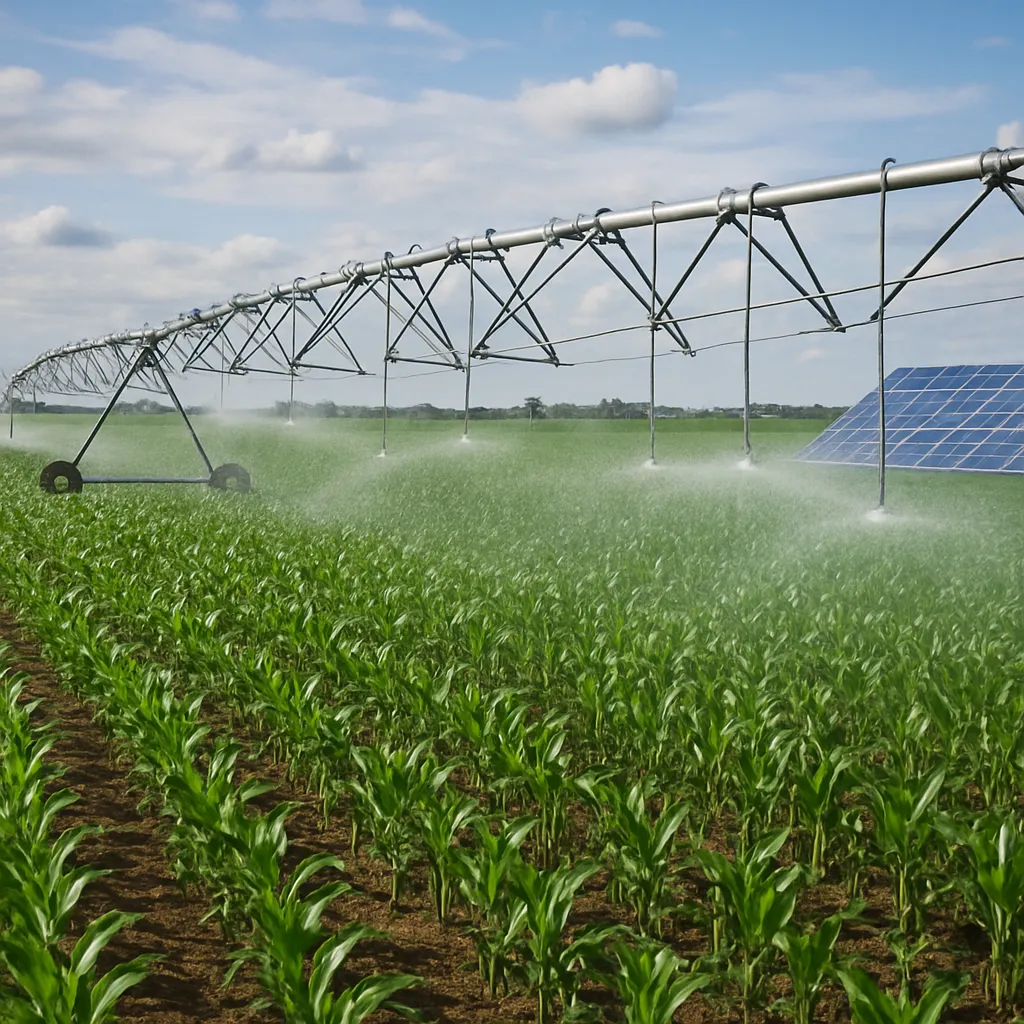
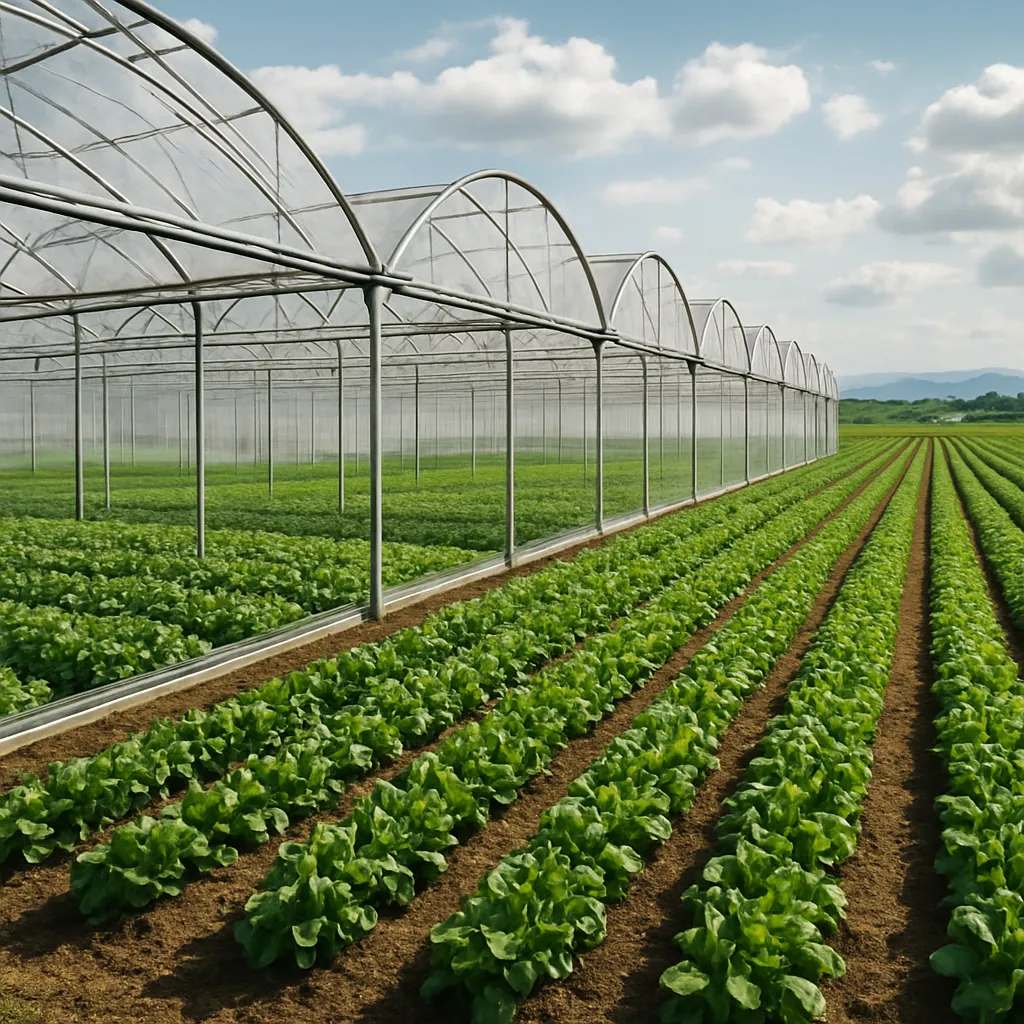
Advances in agricultural technology are helping combat water shortages by improving efficiency and maximizing resource use. Modern irrigation techniques have evolved beyond traditional flood systems to include precision solutions tailored to plant needs.
- Drip Irrigation: Delivers water directly to the root zone, minimizing evaporation and runoff. Farmers report up to 50% water savings compared to surface irrigation.
- Soil Moisture Sensors: Real-time data collection enables farmers to irrigate only when soil moisture levels fall below optimal thresholds.
- Weather-based Scheduling: Computer models integrate forecast data to predict evapotranspiration rates, guiding irrigation timing.
- Rainwater Harvesting: Capturing and storing seasonal rains in ponds or tanks provides an additional water buffer for dry periods.
Beyond hardware, plant breeding programs develop drought-tolerant crop varieties that maintain yields under limited water supply. These cultivars possess deeper root systems or more efficient water use physiology, helping farmers preserve scarce resources. Additionally, satellite imagery and GIS mapping enable regional water planners to monitor aquifer levels and prioritize conservation efforts where they are most needed.
Socioeconomic Challenges and Resilience Building
Water scarcity compounds existing socioeconomic stresses in rural areas. As irrigation costs rise, farmers face increasing debt burdens. In some developing nations, the price of pumped groundwater skyrockets, placing small-scale producers at risk of abandoning agriculture altogether.
Several factors intensify these challenges:
- Infrastructure Gaps: Lack of reliable canals or pipelines often means water delivery is erratic, leaving farms to rely on expensive private wells.
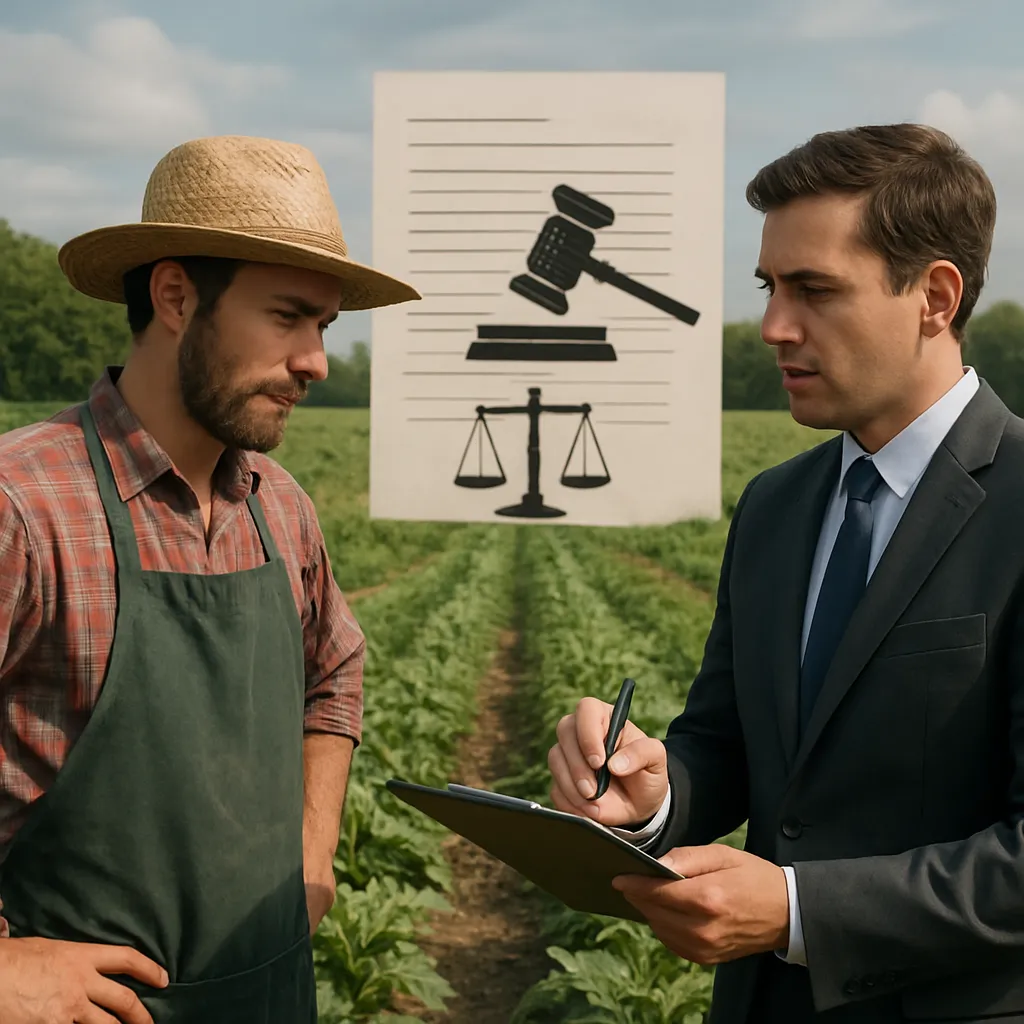
- Land Tenure Insecurity: Farmers without formal title may hesitate to invest in water-efficient technologies, fearing loss of land rights.
- Migration Pressures: Diminishing farm incomes drive rural-to-urban migration, undermining community cohesion and local knowledge systems.
Resilience-building initiatives aim to strengthen community capacity to adapt. Farmer cooperatives pool resources to install shared irrigation systems, while microfinance schemes offer low-interest loans for purchasing water-saving equipment. Extension services provide training in rotational cropping and agroforestry, which can improve soil moisture retention and diversify income streams.
Policy Measures and Collaborative Solutions
Addressing water scarcity at scale requires robust policy frameworks that integrate agricultural, environmental, and social objectives. Effective governance balances competing demands from urban centers, industries, and farms.
Essential policy measures include:
- Water Rights Reform: Clarifying allocation priorities and empowering local water user associations to manage distribution equitably.
- Incentives for sustainability: Subsidies or tax credits for farmers who adopt low-water-use practices, such as mulching and cover cropping.
- Integrated Water Resources Management (IWRM): Coordinated planning across sectors to optimize regional water availability and protect ecosystems.
- Public-Private Partnerships: Collaborations between governments, agribusinesses, and NGOs to fund large-scale irrigation modernization.
International cooperation also plays a pivotal role when rivers and aquifers traverse national borders. Transboundary water treaties and joint monitoring initiatives help prevent conflicts and ensure downstream communities receive their fair share.
Ultimately, success depends on multi-stakeholder engagement. Farmers, policymakers, researchers, and civil society organizations must align interests around shared goals of equitable water access, increased crop productivity, and long-term ecological health. By harnessing innovative tools, strengthening institutions, and promoting knowledge exchange, the world’s farming communities can build a more water-secure future despite mounting challenges.