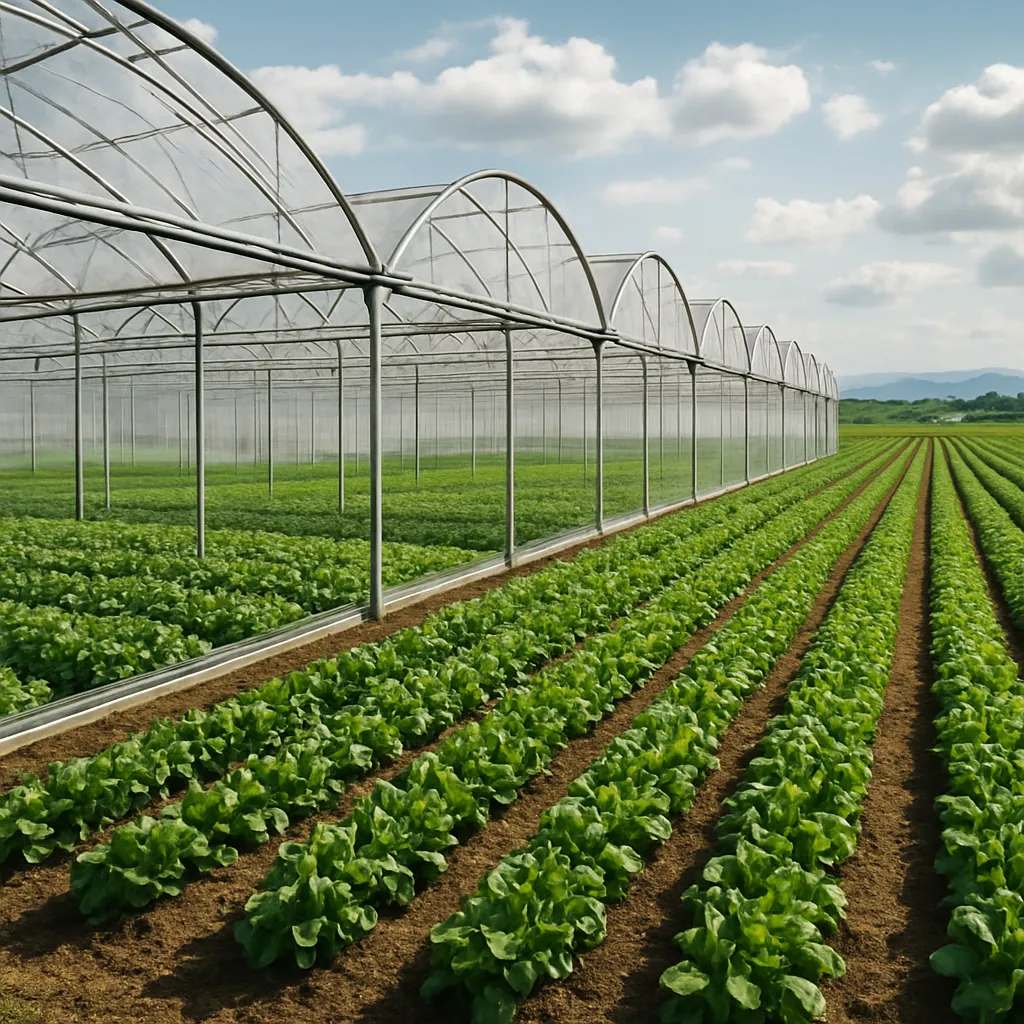
In an era where global agricultural demands escalate alongside environmental challenges, the role of technology in safeguarding crop vitality has never been more critical. By harnessing cutting-edge innovations, farm managers and agronomists can now monitor plant health with unparalleled precision, facilitating proactive interventions that support sustainable yields and bolster food security worldwide.
Advancements in Remote Sensing and Imaging
The integration of satellite imagery and drone-based platforms has revolutionized how we observe and interpret large-scale farmlands. These systems provide real-time data on plant vigor, moisture stress, and nutrient deficiencies, allowing stakeholders to make informed decisions swiftly.
Satellite Platforms
Modern satellites equipped with multispectral and hyperspectral sensors capture data across various wavelengths. By analyzing reflectance patterns, agronomists can detect:
- Early signs of disease outbreak
- Areas affected by drought or waterlogging
- Variations in chlorophyll concentration
Such insights are indispensable for implementing targeted treatments before minor issues escalate into widespread crop failures.
Unmanned Aerial Vehicles (UAVs)
Drones offer exceptional precision in capturing high-resolution imagery, making them indispensable for small and medium-scale operations. Key advantages include:
- Rapid deployment and frequent revisit rates
- Ability to survey complex terrains and fragmented fields
- Custom payloads for thermal, multispectral, and RGB cameras
Enhanced by advanced flight-planning software, UAVs generate georeferenced orthomosaics and 3D maps that pinpoint stress zones and enable variable-rate application of inputs.
Data-Driven Agronomy and Predictive Analytics
With the proliferation of sensors across farms—from soil moisture probes to weather stations—the volume of collected information has grown exponentially. Transforming raw data into actionable intelligence relies on robust data-driven platforms that synthesize multiple sources for holistic decision-making.
Machine Learning and AI Integration
Artificial intelligence algorithms sift through historical and real-time datasets to forecast pest invasions, yield potential, and resource requirements. Predictive models help farmers:
- Optimize planting schedules based on climatic forecasts
- Recommend precise fertilizer and irrigation regimes
- Identify high-risk zones for disease outbreaks
By learning from past outcomes, these systems continually refine their predictions, ensuring interventions remain timely and cost-effective.
Cloud-Based Platforms and Interoperability
Scalable cloud infrastructures facilitate seamless integration of field sensors, satellite feeds, and enterprise resource planning (ERP) systems. Core features include:
- Real-time dashboards for monitoring key performance indicators (KPIs)
- APIs enabling data exchange between farm management and supply chain modules
- Automated alerts triggered by threshold breaches (e.g., low moisture levels)
In a globally connected supply chain, interoperability ensures that stakeholders—from growers to distributors—have access to consistent, transparent information regarding crop health.
Precision Agriculture Techniques
Precision agriculture embodies the principle of applying the right treatment, at the right place, at the right time. This philosophy hinges on targeted strategies that minimize waste and maximize returns.
Variable Rate Technology (VRT)
VRT-enabled machinery adjusts the application rates of seeds, fertilizers, and pesticides on-the-fly, anchored by GPS and field-specific prescription maps. Benefits include:
- Reduction in input costs via site-specific management
- Mitigation of environmental impacts such as nutrient leaching
- Elevated crop uniformity and quality
Automated Machinery and Robotics
Autonomous tractors, harvesters, and robotic weeders operate with minimal human supervision, guided by sensor fusion and machine vision. These systems deliver:
- Continuous operations during peak agricultural windows
- High-resolution mapping of growth stages
- Selective weed control, reducing reliance on broad-spectrum herbicides
When combined with AI-driven analytics, robotic platforms embody the pinnacle of innovation in modern farming.
Sustainability and Environmental Resilience
Agricultural practices must adapt to shifting climates and resource constraints. Technology-driven crop monitoring plays a pivotal role in fostering resilience and long-term sustainability.
Water Management Strategies
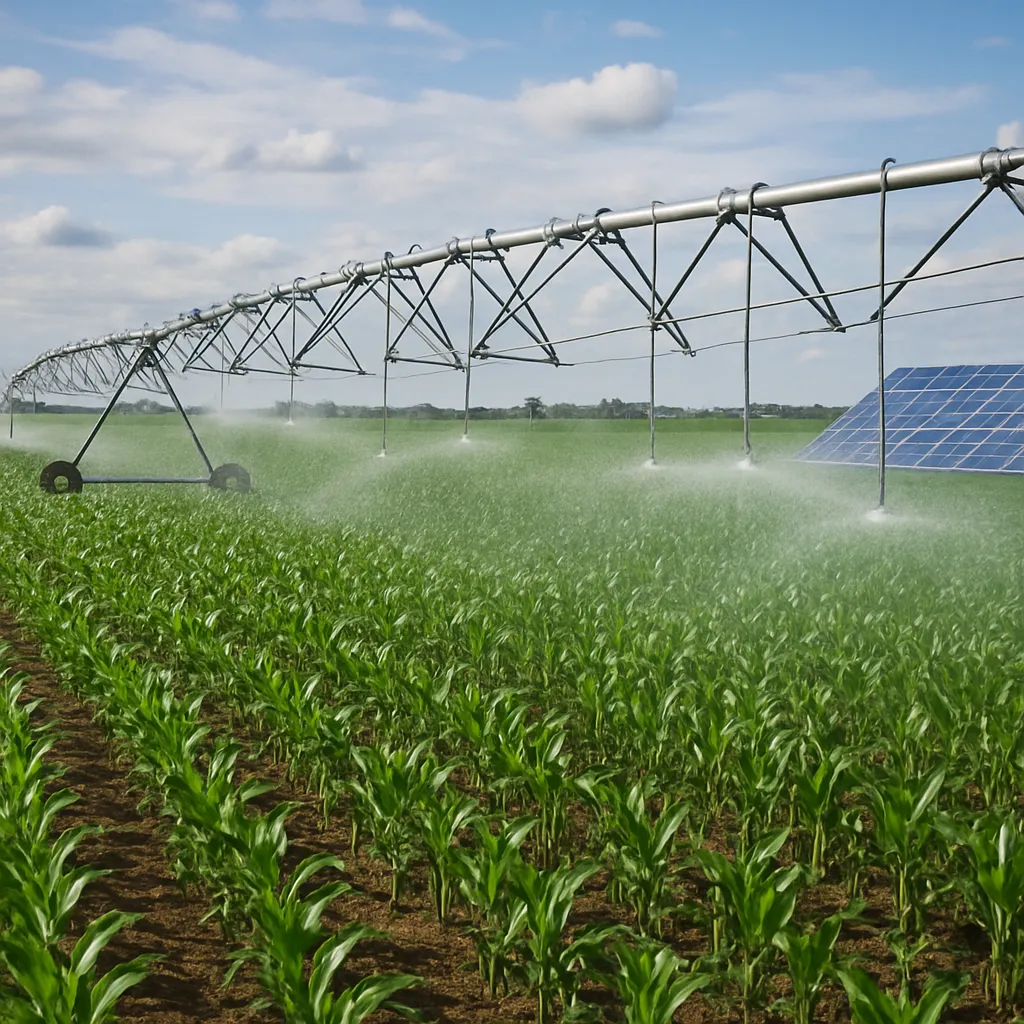
Smart irrigation systems, leveraging soil moisture sensors and evapotranspiration models, optimize water use efficiency. Key components:
- Drip and micro-sprinkler networks controlled by automated valves
- Integration with weather forecasts to prevent over-irrigation
- Alerts for potential system malfunctions or leakages
These approaches preserve precious freshwater resources while maintaining ideal soil conditions for plant growth.
Soil Health Monitoring
Regular analysis of nutrient profiles, pH levels, and microbial activity informs regenerative practices. Technology assists with:
- In-field probes for real-time nutrient assessment
- Remote sampling via sensor-equipped rovers
- Data fusion to recommend cover cropping or organic amendments
By emphasizing soil vitality, farmers build resilience into their operations, buffering against extreme weather and pest pressures.
Global Impacts and Future Directions
As agritech innovations proliferate, their influence extends beyond individual fields to reshape food systems at a global scale. Collaborative research networks and knowledge-sharing platforms accelerate progress, ensuring that breakthroughs benefit diverse farming communities.
Collaborative Research Initiatives
International consortia unite universities, private enterprises, and government agencies to pilot novel sensor arrays and AI models across varied agroecological zones. Outcomes include:
- Development of drought-resistant crop varieties
- Standardized protocols for data collection and analysis
- Open-access repositories of agronomic insights
Emerging Technologies on the Horizon
Innovations such as blockchain-enabled supply chain tracking and bioinformatics-driven crop improvement promise to further revolutionize global agriculture. Upcoming trends:
- Real-time disease diagnostics through nano-sensor networks
- Automated phenotyping labs powered by robotics
- Digital twins of farmlands for virtual scenario testing
These advancements underscore the importance of scalability and continuous adaptation in the quest to feed a growing population sustainably.