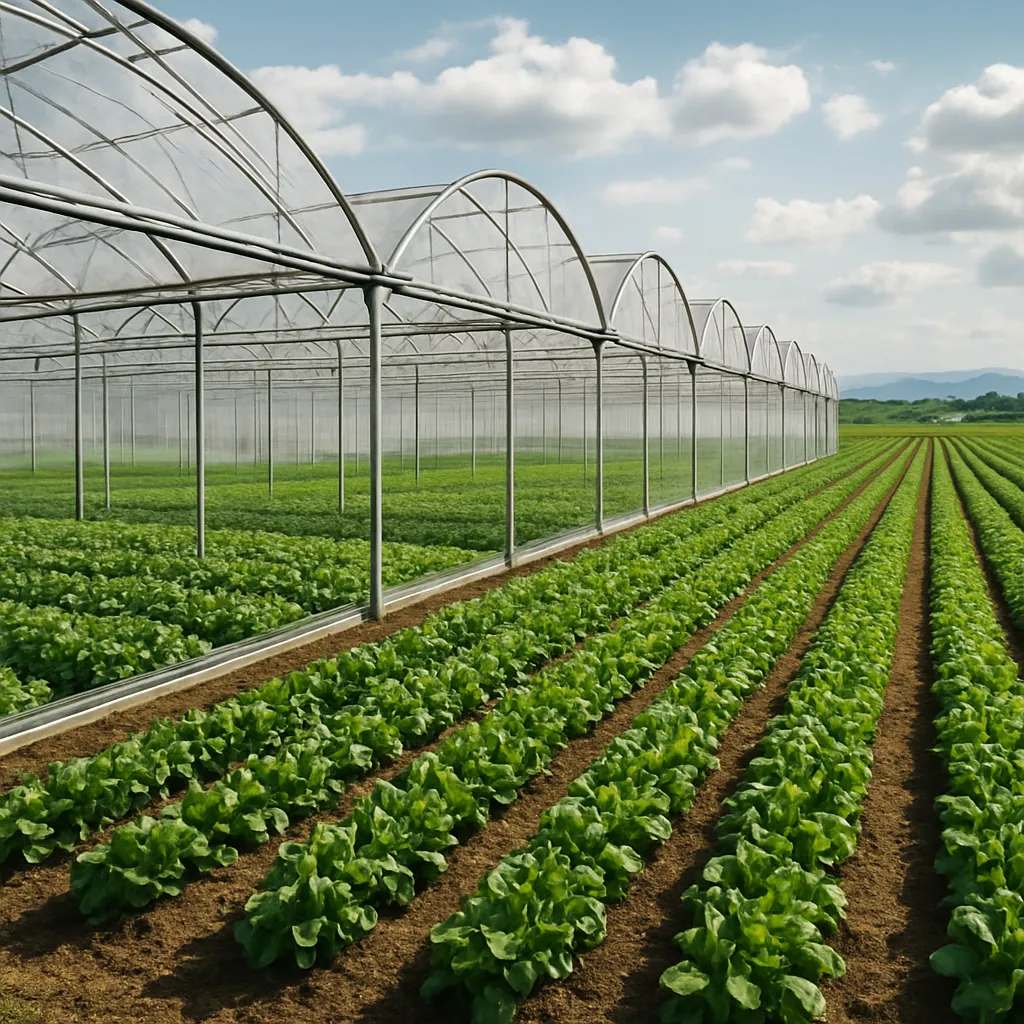
The Role of Sustainable Farming Practices Around the World explores how innovative techniques, community engagement, and policy alignment are reshaping agriculture. This article examines the importance of balancing productivity with environmental stewardship, highlights cutting-edge methods being adopted globally, and addresses the obstacles that stand in the way of a more equitable and **resilient** food system.
Global Perspectives on Sustainable Agriculture
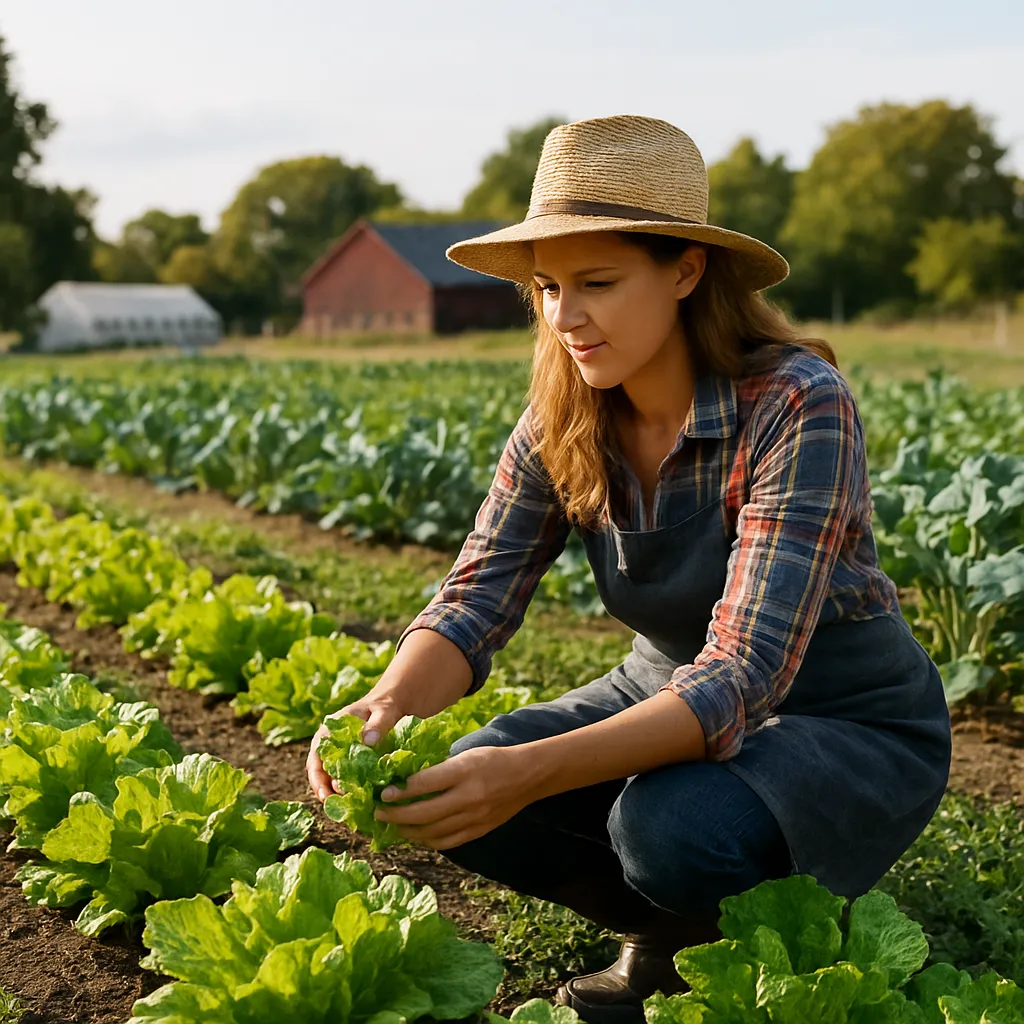
Across continents, farmers are transitioning from conventional methods to systems that prioritize long-term soil health and biodiversity. In regions such as sub-Saharan Africa, South America, and Southeast Asia, communities are embracing agroecology principles to enhance yield without compromising natural resources. Meanwhile, in Europe and North America, regenerative techniques are integrated into large-scale operations to reduce chemical inputs and sequester carbon.
One striking example comes from Brazil’s Cerrado biome, where local cooperatives implement crop rotation and intercropping strategies. By alternating soybean and maize with cover crops like cowpeas and sunn hemp, they maintain soil fertility and limit erosion. Such methods not only protect the ecosystem but also boost farmers’ incomes by diversifying marketable produce.
In India, smallholder rice farmers adopt the System of Rice Intensification (SRI), which emphasizes precise water management, organic fertilization, and younger seedlings planted in square patterns. This approach reduces water usage by up to 30 percent and increases yields by 20 to 50 percent. The success of SRI underscores the impact of low-cost, knowledge-driven innovations on both productivity and environmental footprint.
Key Practices and Innovations
Agroforestry and Polyculture
Combining trees with annual crops, agroforestry systems offer multiple benefits: shade, windbreaks, and nutrient cycling. In Central America, coffee grown under native tree canopies gains flavor complexity while reducing the need for chemical pesticides. Polyculture models mirror natural ecosystems, in which complementary species support each other’s growth and repel pests without synthetic interventions.
Soil Health and Carbon Sequestration
Healthy soil serves as the foundation for sustainable farming. Practices like reduced tillage, cover cropping, and compost application build organic matter, enhance water retention, and foster beneficial microbial communities. By storing carbon in the ground, these techniques contribute to climate change mitigation. For instance:
- Conservation tillage systems can cut greenhouse gas emissions by 20–40 percent.
- Deep-rooted cover crops such as radishes and clovers draw CO2 from the atmosphere and deposit it underground.
- Composting agricultural residues returns vital nutrients to the soil, reducing reliance on synthetic fertilizers.
Precision Agriculture and Digital Tools
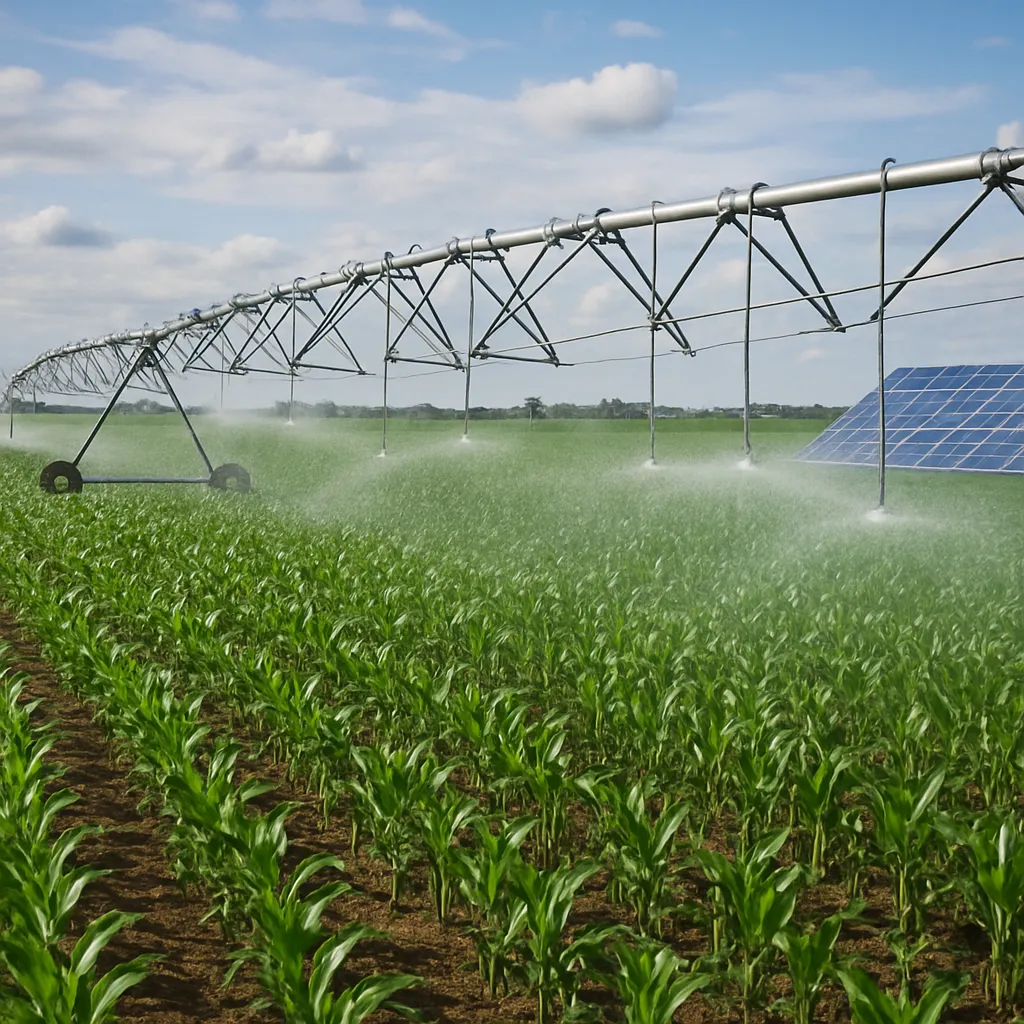
Modern farms leverage drones, satellite imagery, and soil sensors to optimize inputs and monitor crop health. Farmers use GPS-guided machinery to apply water, fertilizers, and pesticides only where needed, minimizing waste. These precision approaches can lower operational costs and environmental impact while preserving yields, illustrating the power of **innovation** in meeting sustainability goals.
Social and Economic Dimensions of Sustainable Farming
Beyond ecological metrics, sustainable agriculture fosters community well-being and economic stability. Empowering smallholders through cooperatives gives them bargaining power and access to fair markets. When farmers receive premium prices for ethically grown products, they can reinvest in improved infrastructure and education.
Gender equity is also central to long-term success. In East Africa, programs that train women in sustainable horticulture and beekeeping have increased household incomes by up to 60 percent. These initiatives boost nutrition, **community** cohesion, and rural resilience against economic shocks.
- Access to microcredit and insurance schemes helps protect farmers from unpredictable weather and market fluctuations.
- Local food networks and farmers’ markets link producers directly to consumers, reducing carbon footprints associated with transportation.
- Educational programs and extension services spread knowledge of best practices, enhancing adoption rates and collective impact.
Challenges and the Path Forward
Despite promising developments, several obstacles hinder widespread adoption of sustainable farming:
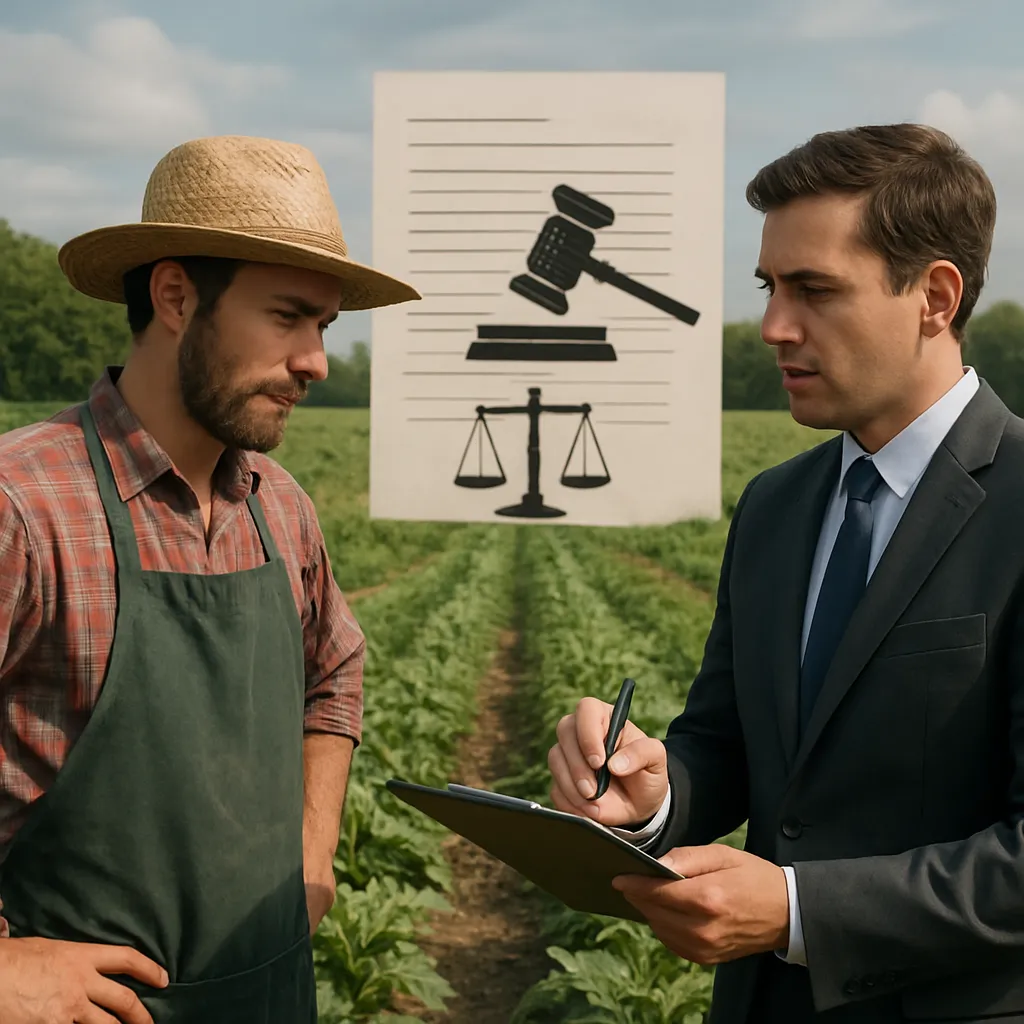
- Policy and subsidy frameworks often favor large-scale, input-intensive agriculture over smaller, regenerative operations.
- Farmers may lack initial capital or training to transition away from established practices.
- Market volatility and climate extremes—such as prolonged droughts or floods—pose ongoing threats to crop viability.
To overcome these barriers, stakeholders from governments, NGOs, and the private sector must collaborate on targeted support programs. Financial incentives for carbon-friendly practices, investment in rural infrastructure, and robust research partnerships can accelerate progress. Additionally, consumer awareness and demand for ethically produced food drive market transformation.
Future Innovations and Emerging Trends
A range of cutting-edge approaches promise to push sustainable agriculture even further:
Vertical Farming and Controlled Environment Agriculture
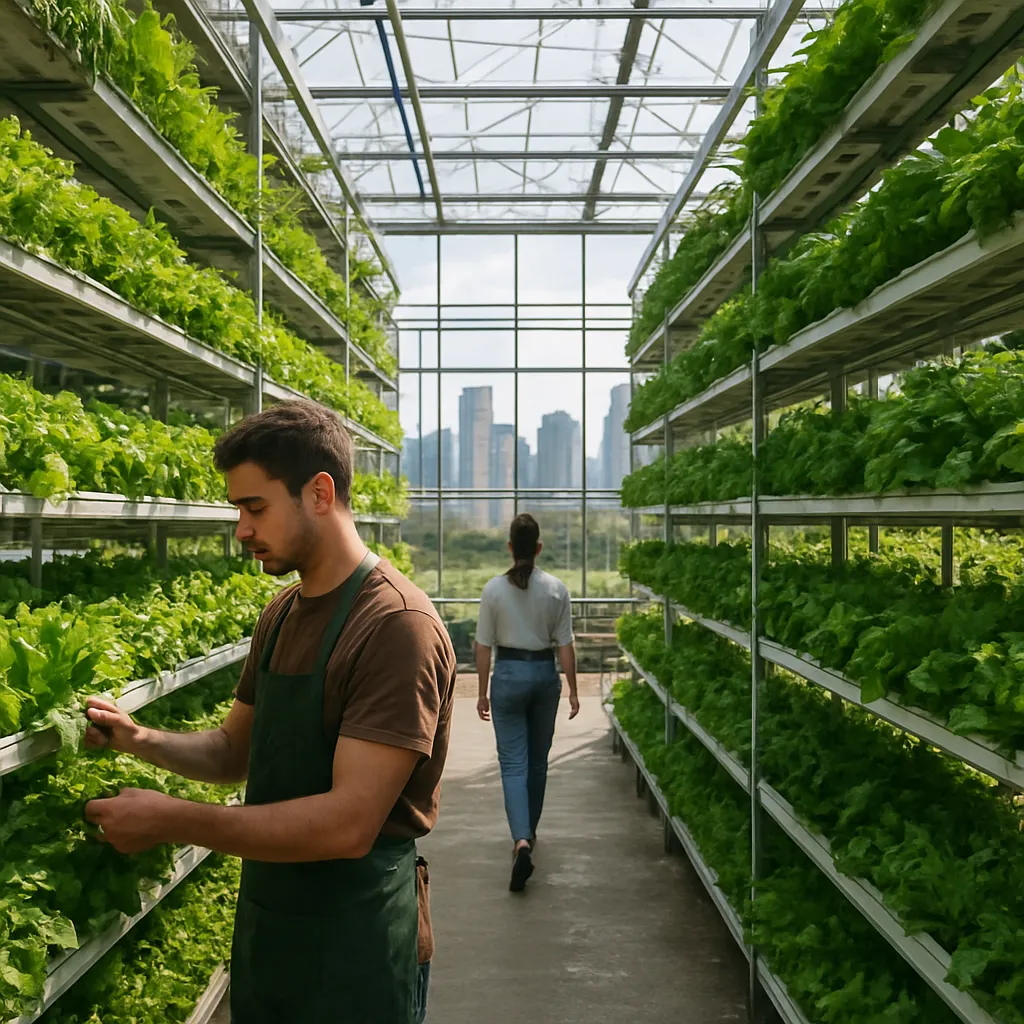
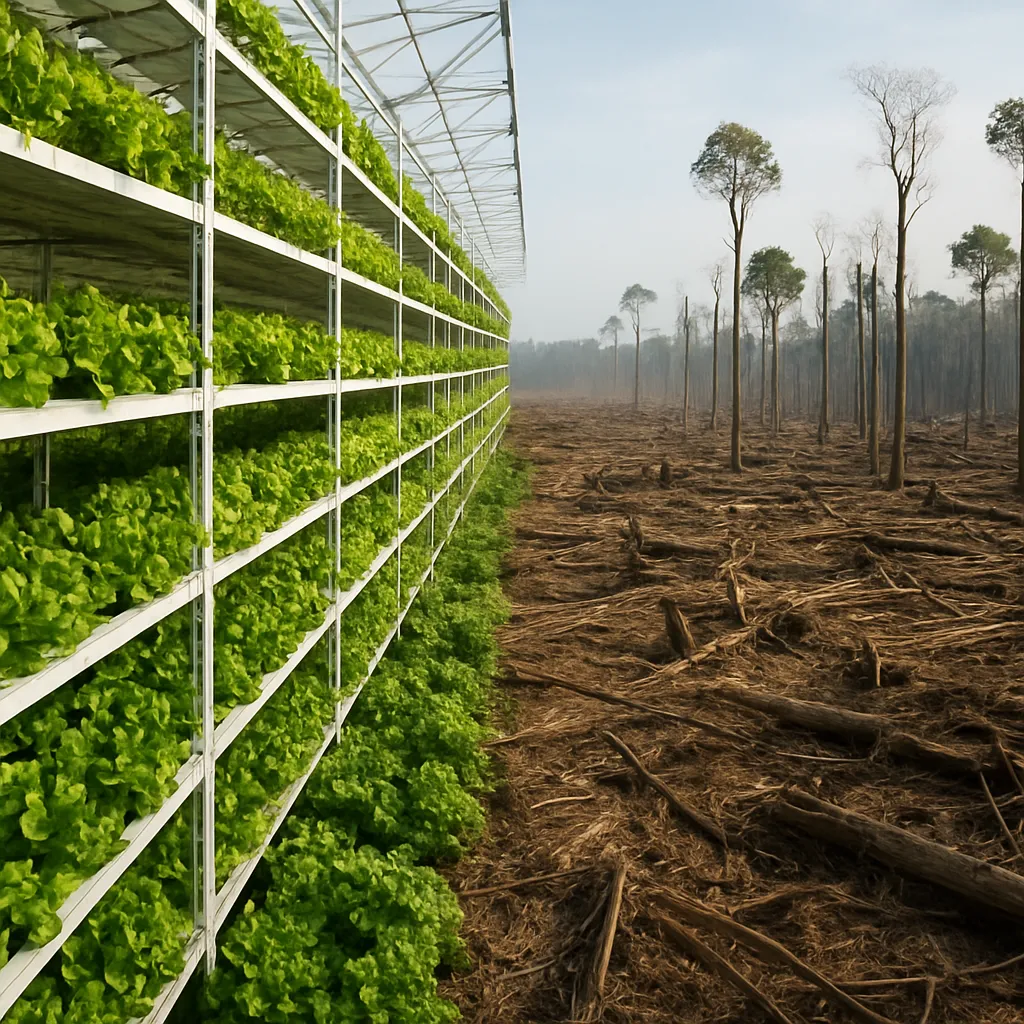
In urban settings, vertical farms use LED lighting and hydroponic or aeroponic systems to grow fresh produce year-round, independent of weather conditions. These closed-loop environments drastically reduce water usage and eliminate pesticide residues.
Biological Pest Control and Biofertilizers
Researchers are developing microbial inoculants that promote plant growth and repel pests naturally. Beneficial bacteria and fungi can enhance nutrient uptake, outcompete harmful pathogens, and reduce dependence on synthetic agrochemicals.
Genomic Selection and Seed Enhancement
Advanced breeding techniques accelerate the development of crop varieties tailored for resilience to climate stressors, such as heat, salinity, and drought. By focusing on genetic diversity and local adaptation, these seeds can secure food supplies in marginal environments.
Blockchain for Supply Chain Transparency
Transparent ledger systems enable traceability from farm to fork, ensuring that consumers and retailers verify the **origins** and production methods of agricultural goods. This bolsters accountability, reduces fraud, and supports premium pricing for sustainable products.
As these trends converge, the agricultural sector is poised for a profound transformation. By integrating ecological principles with technological advances and inclusive policies, global farms can become hubs of innovation that nurture both people and the planet.