The intricate tapestry of global agriculture owes much to the enduring presence of small farms. While large agribusiness operations capture headlines, it is the modest plots of family farmers and community cooperatives that guard the essence of local food traditions. From terraced rice paddies in Southeast Asia to mountain olive groves in the Mediterranean, these farms are living repositories of knowledge, practice and cultural expression. They foster biodiversity, empower rural communities and preserve unique flavors that would otherwise vanish in a world driven by homogenized supply chains.
Significance of Small Farms in Global Food Systems
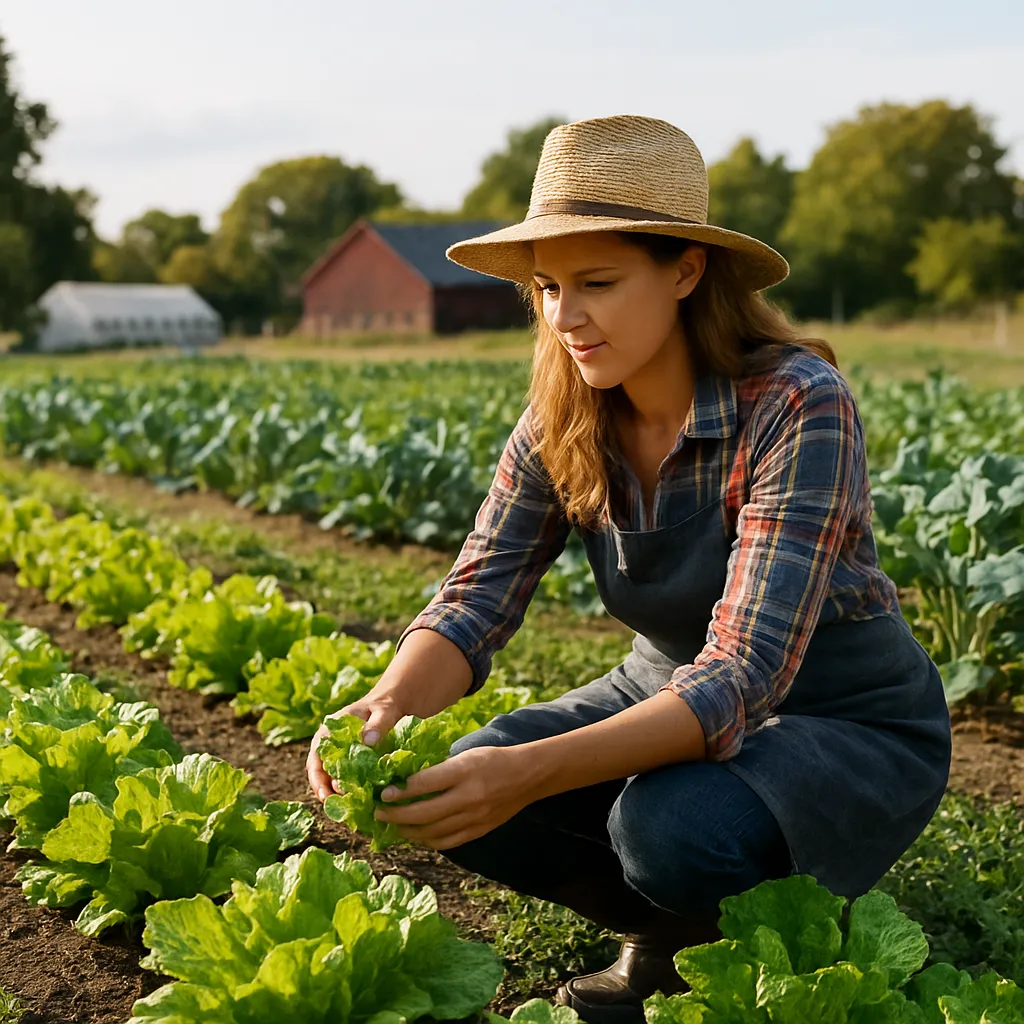
Small-scale producers contribute more than mere volumes of crops. They embody an agroecological ethos rooted in sustainability and respect for natural cycles. By intercropping, practicing crop rotation and relying on organic inputs, smallholders maintain soil health and reduce dependence on synthetic chemicals. Their fields and orchards serve as refuges for pollinators, beneficial insects and heirloom varieties that resist pests and extreme weather.
- Genetic diversity: Traditional seed varieties adapted to local microclimates.
- Ecological balance: Integrated pest management reducing chemical runoff.
- Resource efficiency: Low-energy inputs, rainwater harvesting and composting.
Through these practices, small farms support resilient landscapes capable of withstanding climate uncertainties. Their contributions to global food security are often underestimated, yet they feed millions, supplying fresh produce and dairy products to urban markets and local villages alike.
Cultural Heritage and Culinary Traditions
Food is never just sustenance; it is a narrative of peoples and places. Each region’s signature stews, breads and fermented delights trace back to generations of small-scale cultivation. The techniques for nurturing indigenous grains or fermenting vegetables are passed down through oral traditions and hands-on apprenticeships. In many communities, a grandmother’s recipe uses ingredients grown in nearby plots, forging an unbreakable link between land and palate.
Preserving Regional Identities
From the vibrant spices of Moroccan tagines to the tangy cheeses of Alpine valleys, local delicacies rely on specific soil types, altitudes and climates. When small farms vanish, so too do the unique microorganisms that lend certain cheeses their distinct tang, or the indigenous chili strains that define a region’s heat profile. Protecting these micro-cultures of taste is essential to safeguarding heritage and enriching the global culinary mosaic.
- Artisanal products: Handcrafted breads, cheeses and charcuterie made from local raw materials.
- Seasonal rituals: Harvest festivals and seed-saving ceremonies fortifying social bonds.
- Knowledge transmission: Farm-to-table workshops and rural education programs.
Economic Impact and Community Resilience
In regions where large-scale farming monopolizes land tenure, smallholders often struggle to retain property rights. Yet where supportive policies and cooperatives flourish, these farms become engines of rural development. By selling directly at farmers’ markets or through community-supported agriculture (CSA) schemes, small producers capture a fairer share of consumer dollars. This boosts local economies and reduces reliance on volatile commodity markets.
Community resilience grows as families reinvest earnings in local schools, roads and health services. Small farms frequently embody a cooperative spirit, pooling labor and capital to purchase equipment or process crops. Such solidarity networks foster social cohesion and cultivate a sense of shared responsibility for land stewardship.
Challenges Facing Small Farms Today
Despite their myriad benefits, small-scale producers confront a daunting array of obstacles. Rising land values and speculative development can displace long-established farms. Meanwhile, fluctuating input costs and limited access to credit inhibit investment in infrastructure. Younger generations often migrate to cities in search of reliable incomes, breaking the chain of intergenerational farming knowledge.
- Market access: Competing with industrial food systems and meeting stringent quality regulations.
- Climate pressures: Droughts, floods and shifting growing seasons that strain traditional calendars.
- Policy gaps: Inadequate subsidies and support services favoring large agribusiness.
Confronting these issues requires multi-stakeholder collaboration. Governments, NGOs and consumer coalitions can champion fair-trade mechanisms, bolster farm-to-school programs and integrate smallholders into national agricultural strategies.
Innovations and the Path Forward
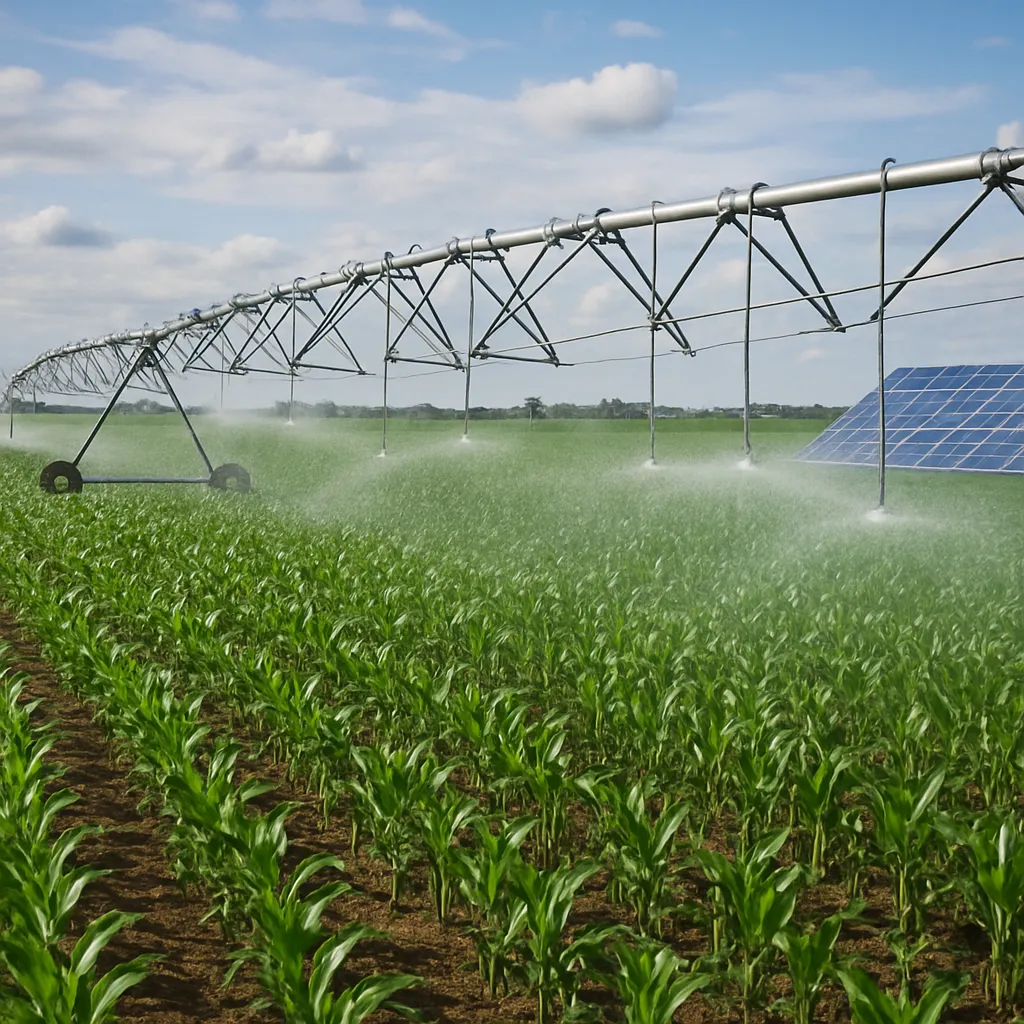
Emerging technologies and community-driven initiatives are transforming the landscape of small-scale agriculture. Mobile apps connect farmers to real-time weather forecasts and market prices, while low-cost sensors optimize irrigation schedules and monitor soil moisture. Participatory breeding programs enable farmers to co-develop crop varieties resilient to pests and capable of thriving under local conditions.
- Agroecology networks: Platforms for sharing best practices in sustainable farming.
- Digital marketplaces: Virtual hubs linking producers with conscious consumers worldwide.
- Regenerative techniques: No-till farming, permaculture design and agroforestry systems.
By embracing innovation without sacrificing tradition, small farms can amplify their impact on food security and cultural preservation. Supporting these initiatives elevates the voices of rural stewards and ensures that the richness of local food cultures endures for future generations.