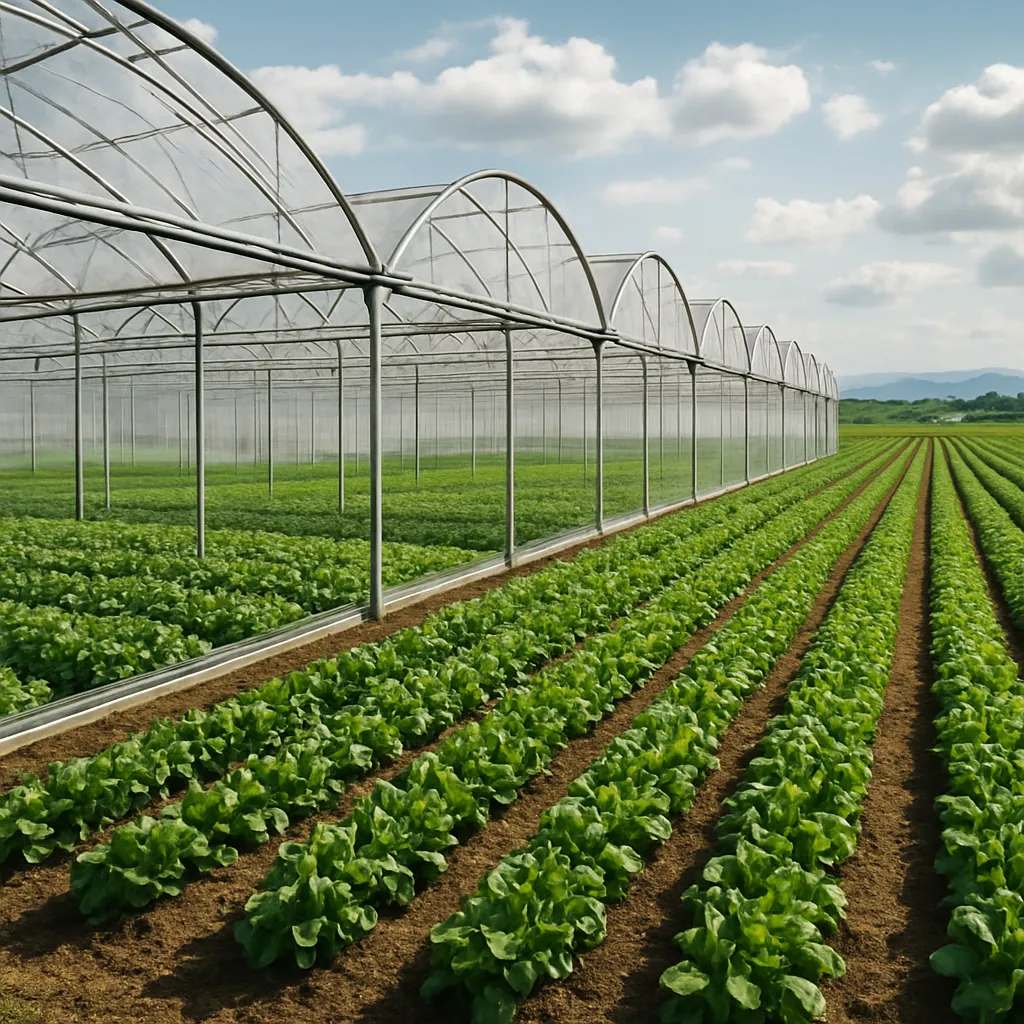
The Role of Seed Banks in Preserving Global Crop Diversity explores how these vital repositories underpin modern agriculture. By safeguarding thousands of plant varieties, seed banks protect our collective biodiversity and promote long-term sustainability. This article examines the significance of seed banks, their operational strategies, the challenges they face, and the innovative pathways that will shape the future of global food security.
Importance of Seed Banks in Global Agriculture
Safeguarding Biodiversity
Every seed carries unique genetic information known as germplasm. Seed banks curate and store this germplasm, ensuring that even rare or endangered crop varieties remain available for future generations. These collections serve as genetic safes, allowing scientists and farmers to reintroduce traits such as pest resistance, drought tolerance, or improved nutrition when environmental pressures or evolving diseases threaten food supplies.
Enhancing Resilience to Climate Change
Climate variability poses a direct threat to crop productivity across diverse regions. By maintaining access to a wide palette of genetic traits, seed banks allow breeders to develop new cultivars that withstand extreme weather events. Enhanced resilience bred from conserved varieties can mitigate yield losses during unexpected freezes, prolonged droughts, or flooding, thus stabilizing food production and livelihoods.
Preserving Cultural and Agricultural Heritage
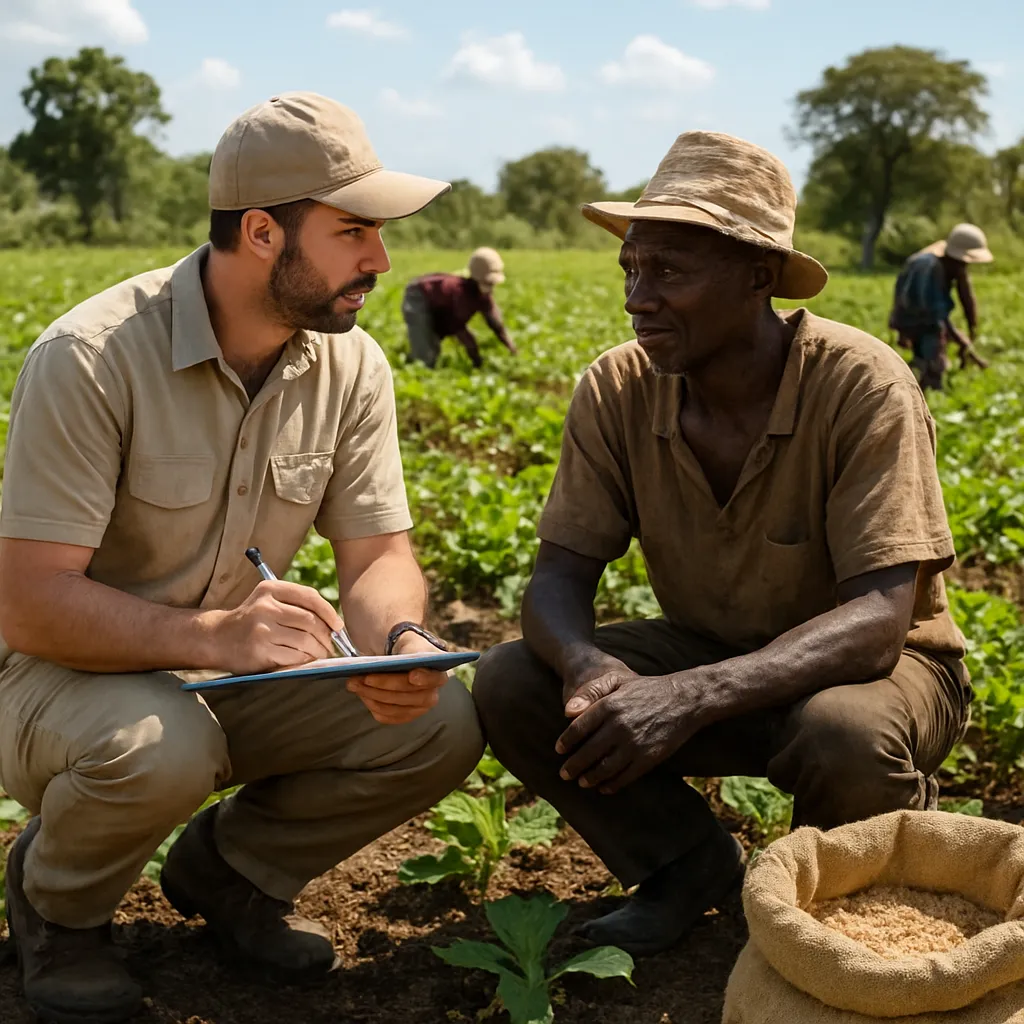
Traditional societies around the world have cultivated landraces for centuries, selecting seeds adapted to local conditions and cultural preferences. Seed banks document this heritage, preserving heirloom beans, ancient grains, and indigenous tubers that embody millennia of agricultural wisdom. Reviving these varieties fosters food diversity in local diets and reinforces cultural identities tied to specific crops.
Key Functions and Operations of Seed Banks
Effective seed banking requires careful coordination of collection, processing, storage, and periodic regeneration. International and regional facilities adhere to stringent standards to guarantee seed viability over decades.
- Collection and Documentation – Field expeditions gather seeds from wild relatives, traditional farms, and community seed networks. Detailed metadata track origin, collection date, and ecological context.
- Seed Processing and Cleaning – Seeds undergo drying, surface sterilization, and size sorting. Proper handling minimizes contamination and preserves germination potential.
- Long-Term Storage – Controlled environments maintain seeds at low temperature and humidity. Cryogenic techniques extend the lifespan of particularly fragile or recalcitrant species.
- Viability Testing and Regeneration – Periodic germination assays identify aging accessions. Regeneration plots produce fresh seeds to replenish the bank’s stocks and maintain genetic integrity.
Legal and Policy Frameworks
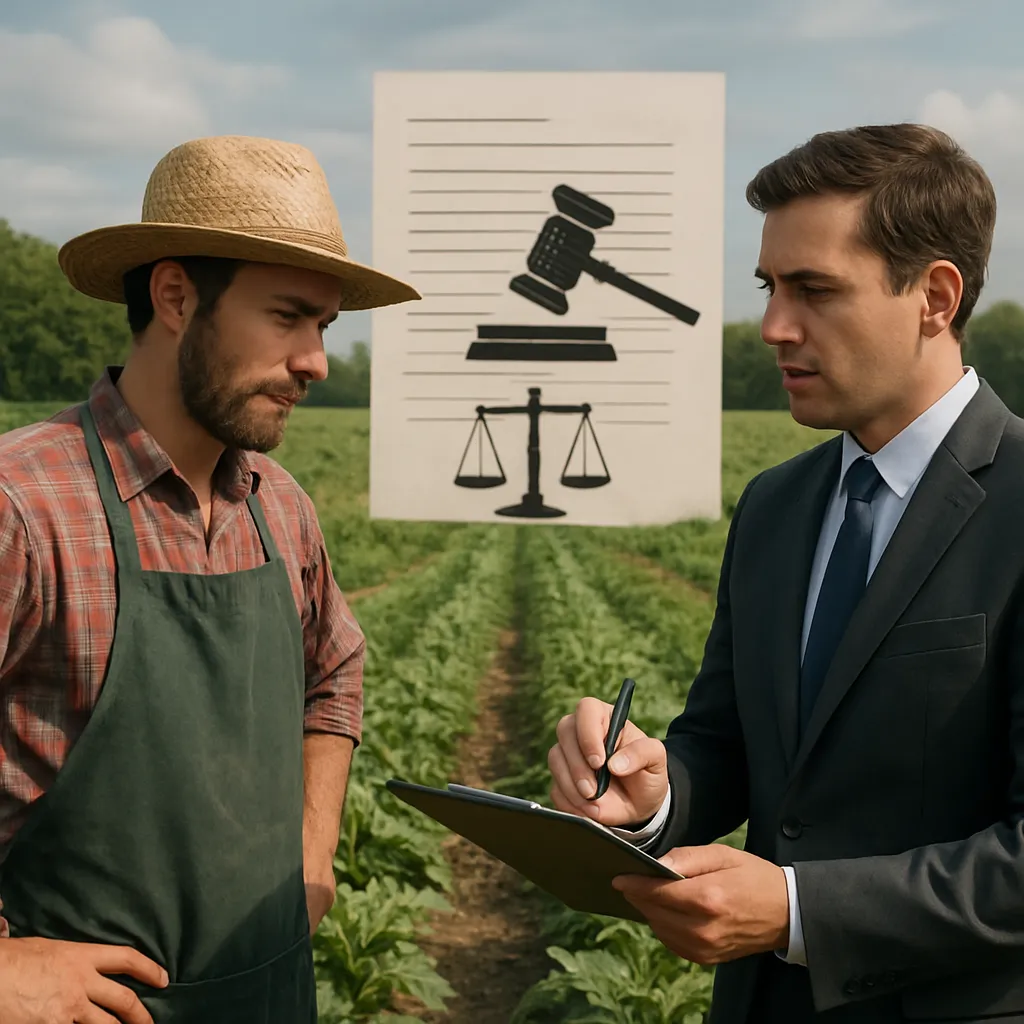
Governance structures such as the International Treaty on Plant Genetic Resources for Food and Agriculture (ITPGRFA) set equitable access rules. Benefit-sharing agreements ensure that communities contributing traditional varieties receive support and recognition for their knowledge.
Challenges Facing Seed Conservation
Funding and Resource Constraints
Maintaining a seed bank demands sustained investment. Storage facilities, specialized personnel, and regular regeneration cycles all incur costs. Insufficient funding can jeopardize long-term conservation efforts, leading to gaps in coverage and potential loss of irreplaceable genetic material.
Technological and Biological Risks
Even under rigorous conditions, seed viability declines over time. Some species exhibit recalcitrant seed behavior, refusing to survive conventional drying and freezing. Developing alternative preservation methods—such as in vitro tissue culture or cryopreservation—poses technical challenges and requires ongoing innovation.
Geopolitical and Ethical Considerations
Seeds cross borders both physically and legally. Issues around intellectual property, farmers’ rights, and benefit-sharing can create friction between nations and institutions. Ethical stewardship demands transparent policies that respect local custodians of crop diversity.
Future Directions and Innovations
Integrating Genomic Technologies
Advances in DNA sequencing allow rapid genotyping of seed bank accessions. Researchers can identify valuable alleles linked to stress tolerance or nutritional enhancement. By cataloging genetic markers, seed banks will prioritize regeneration of high-value lines and facilitate precision breeding.
Digital Seed Vaults and Data Sharing
Beyond physical storage, digital platforms are emerging to share seed bank inventories and genetic profiles. Open-access databases empower breeders, farmers, and policymakers to scout for traits that match regional needs. Harmonized information systems accelerate global collaboration and reduce duplication of efforts.
Community-Based Seed Banking
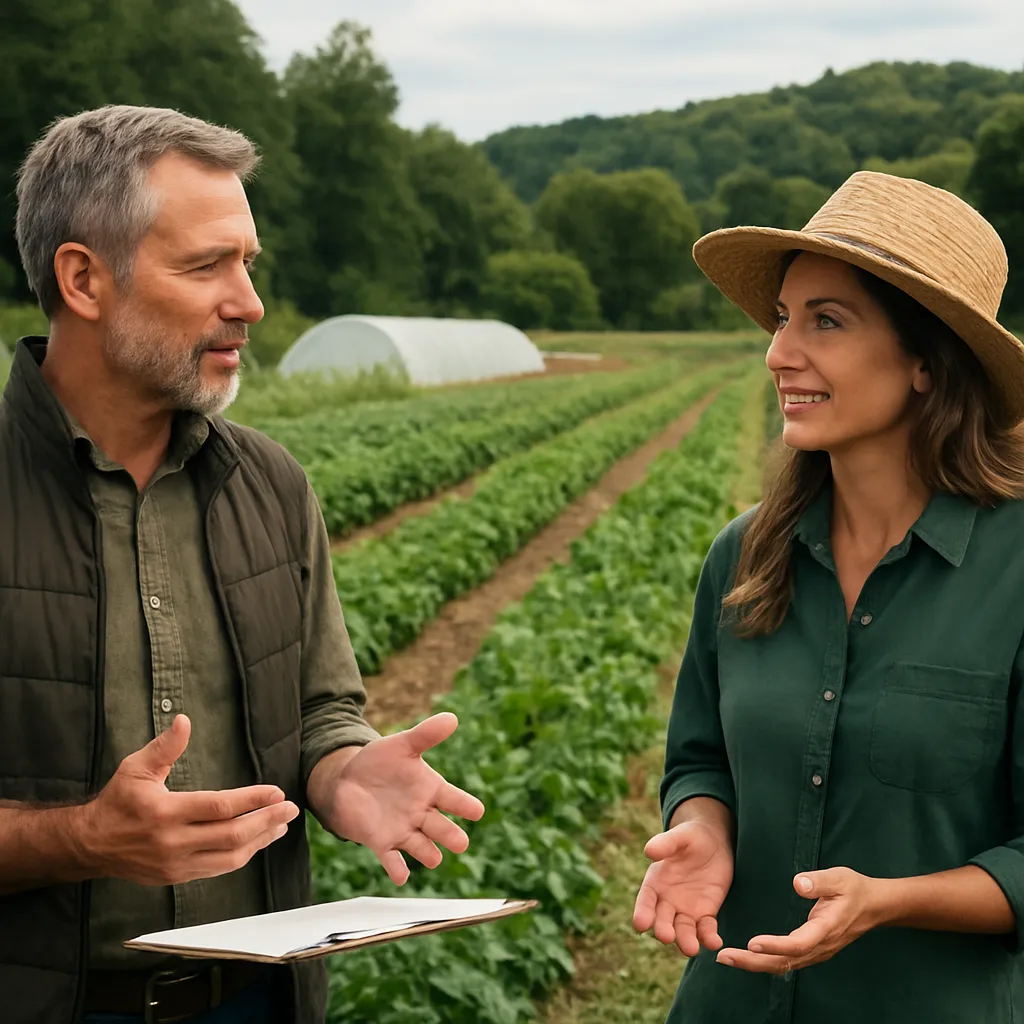
Decentralized, farmer-led seed banks strengthen local resilience by keeping adaptive varieties within reach. Community vaults complement national and international repositories, ensuring that seeds never travel too far from the fields that know them best. Training programs build capacity in seed selection, storage protocols, and participatory breeding.
Public–Private Partnerships
Collaborations between public institutions and biotech firms can inject fresh capital and technical expertise into seed conservation. Joint ventures may develop drought-tolerant hybrids or nutrient-dense crops, while revenue-sharing models ensure that benefits flow back to participating communities. Responsible partnerships prioritize sustainability over short-term profit.
Enhancing Nutritional Security through Crop Diversity
Diverse diets rely on a broad array of staple crops and minor grains. Seed banks hold accessions of ancient cereals like millet, sorghum, and amaranth, which are rich in micronutrients and naturally adapted to marginal soils. By reintroducing these species into modern farming systems, we address hidden hunger and boost human health.
- Promoting biofortification initiatives to increase levels of vitamins and minerals
- Encouraging the cultivation of underutilized species with unique nutritional profiles
- Linking seed diversity projects with public health campaigns and school feeding programs
Toward a Resilient Food System
Seed banks are more than storage facilities; they are dynamic hubs driving agricultural discovery and adaptation. As climatic shifts intensify, the genetic treasures locked within these repositories will become ever more vital for ensuring a resilient, equitable, and nourishing global food supply.