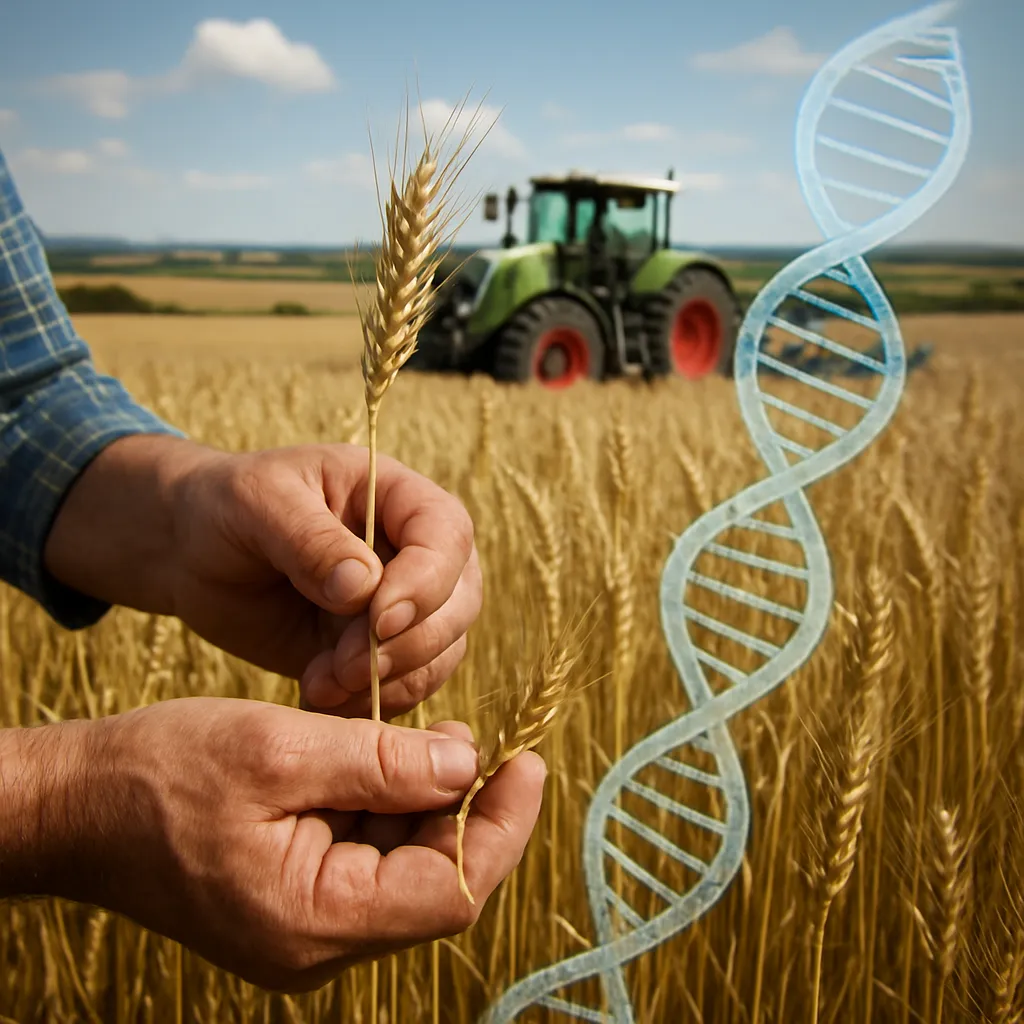
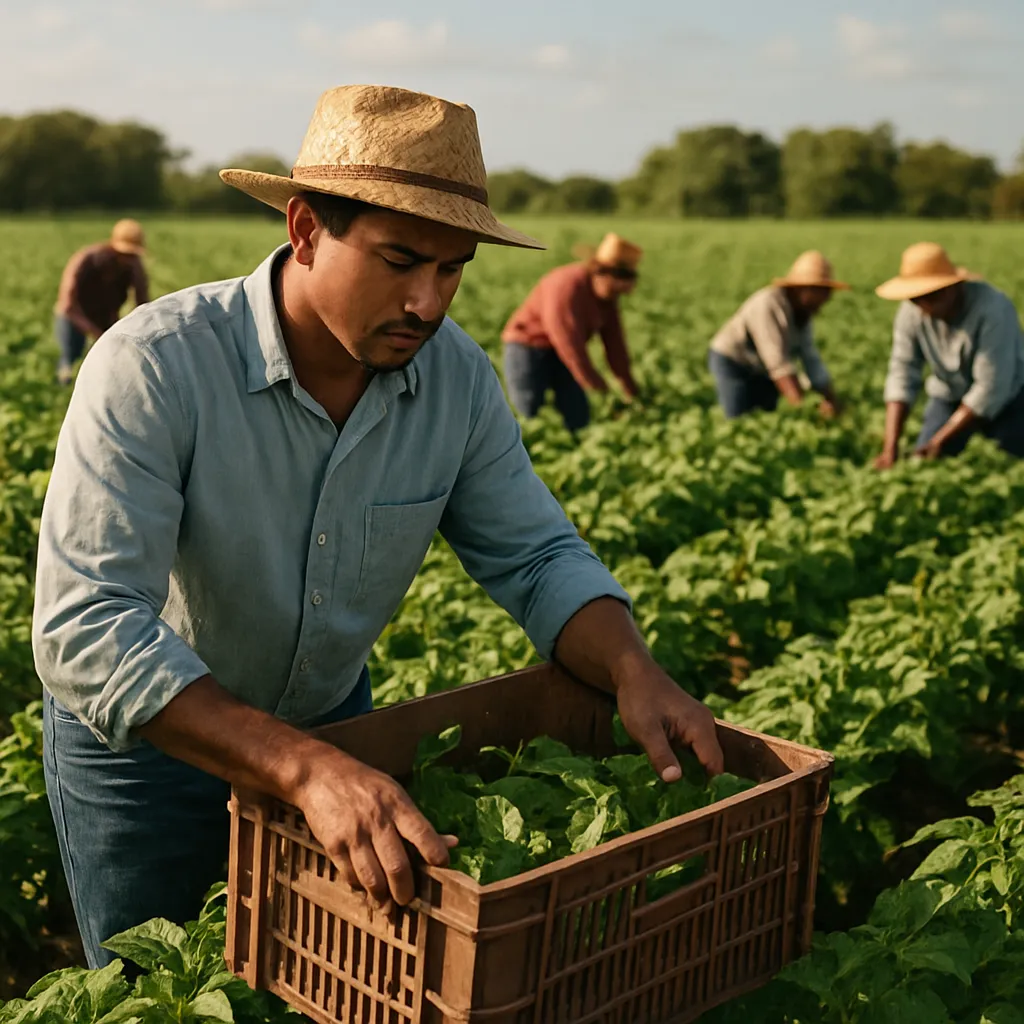
The Role of Public Policy in Shaping Sustainable Farming Practices explores how government interventions, regulations, and incentives can drive the adoption of environmentally friendly methods across world farms. With agricultural systems under pressure from climate change, soil degradation, and market instability, robust policy frameworks are essential for promoting sustainability and ensuring food security. Decision makers at local, national, and international levels must balance economic growth with ecological preservation, fostering resilient systems that benefit both farmers and communities.
Policy Frameworks and Incentive Structures
Regulatory Measures
Effective public policy begins with well-designed regulations. Governments worldwide implement standards on pesticide usage, water management, and land conversion to protect natural resources. For example, the European Union’s Common Agricultural Policy (CAP) includes cross-compliance rules that require farmers to maintain soil health and preserve permanent grassland in order to qualify for payments. Similarly, regulations on nutrient runoff in the United States under the Clean Water Act help curb harmful algal blooms in waterways.
While strict rules can raise production costs, they also encourage farms to transition toward practices that minimize environmental harm. Enforcement mechanisms such as regular inspections, penalties for non-compliance, and mandatory record-keeping ensure that regulations translate into real change. This combination of regulations and scrutiny drives adoption of cover cropping, reduced tillage, and integrated pest management.
Economic Instruments
Beyond mandates, public policy leverages financial incentives to steer farm operations toward greener outcomes. Economic tools include:
- Subsidies for organic farming inputs, conservation tillage equipment, or renewable energy installations on farms.
- Tax breaks and rebates for farmers who install drip irrigation systems or adopt precision agriculture technologies.
- Payments for Ecosystem Services (PES) schemes that reward land stewards for enhancing biodiversity, carbon sequestration, and watershed protection.
- Low-interest loans and credit guarantees to facilitate investment in infrastructure that supports sustainable practices.
By reducing the economic barriers to innovation, these instruments accelerate the uptake of approaches that might otherwise be too costly for individual producers. Coupled with grants from multilateral institutions, such mechanisms help create a pipeline of investments in innovation and rural development.
Integrating Sustainable Practices on Farms
Agroecological Approaches
Policymakers increasingly recognize that holistic, nature-based approaches can deliver multiple benefits. Agroecology integrates traditional knowledge with scientific research to design farming systems that mimic natural ecosystems. Key practices include:
- Crop rotation and intercropping to disrupt pest cycles and improve soil fertility.
- Agroforestry systems that combine trees with annual crops or livestock for carbon storage and microclimate regulation.
- Biological pest control, using beneficial insects and microbial agents instead of synthetic chemicals.
Such methods enhance farm resilience by diversifying income streams and reducing dependence on external inputs. Public policy can support agroecology through extension services, farmer field schools, and participatory research initiatives that validate local innovations.
Technological Innovations
Modern digital tools have the potential to revolutionize resource efficiency on world farms. Precision agriculture technologies—like satellite imagery, soil sensors, and variable-rate applicators—enable farmers to apply water, fertilizers, and pesticides exactly where needed, reducing waste and environmental impact. Governments can facilitate adoption by:
- Funding research and development in high-resolution mapping and data analytics.
- Creating public-private partnerships that lower upfront costs for smallholders.
- Developing open-access platforms for sharing best practices and operational data.
Data-driven decision making not only enhances productivity but also generates evidence for continual policy refinement. As farms become more connected, policymakers gain insights into emerging risks—drought, pest outbreaks, or market volatility—and can respond with targeted incentives or emergency support.
Global Case Studies and Emerging Challenges
Successful Initiatives
- Brazil’s Low-Carbon Agriculture Plan (ABC) offers subsidized credit for no-till cultivation, integrated crop-livestock-forest systems, and biological nitrogen fixation. This program has reduced greenhouse gas emissions while boosting productivity on soy and maize farms.
- In Kenya, government-backed programs support smallholder farmers in adopting drip irrigation and solar-powered water pumps through microfinancing schemes, raising yields and strengthening drought resilience.
- New Zealand’s Emissions Trading Scheme incorporates agriculture by allocating tradable units to farms that implement methane-reduction strategies, incentivizing work on livestock feed and pasture management.
Scaling and Equity
Despite success stories, significant obstacles remain. Many policies are designed for large‐scale operations and may not account for smallholder realities. To achieve equitable outcomes, interventions must:
- Ensure that subsidies and technical assistance reach marginalized communities and indigenous land stewards.
- Address land tenure insecurity, enabling farmers to make long-term investments in soil health and infrastructure.
- Promote gender-inclusive policies that empower women farmers, who represent a substantial share of the agricultural workforce but often face barriers to finance and training.
Moreover, global supply chains can undermine local sustainability efforts when low-cost imports undercut domestic producers who comply with stricter environmental standards. Coordinated international policies—such as border carbon adjustments or eco-labeling—can level the playing field and reward genuine sustainability performance.
Future Directions
Emerging trends in farm policy point toward greater integration of climate objectives and social justice. Carbon markets may expand to cover a broader range of agricultural practices, while climate risk insurance programs shield farmers from extreme weather events. Public policy must evolve to harness digital technologies for real-time monitoring of carbon footprint and water use, ensuring transparency and accountability.
Achieving widespread adoption of sustainable farming hinges on multi-stakeholder collaboration. Policymakers, researchers, private sector actors, and farming communities must co-create solutions that reflect local contexts. By crafting flexible, evidence-based policies, governments can catalyze transformation across world farms and secure a more sustainable future for global agriculture.