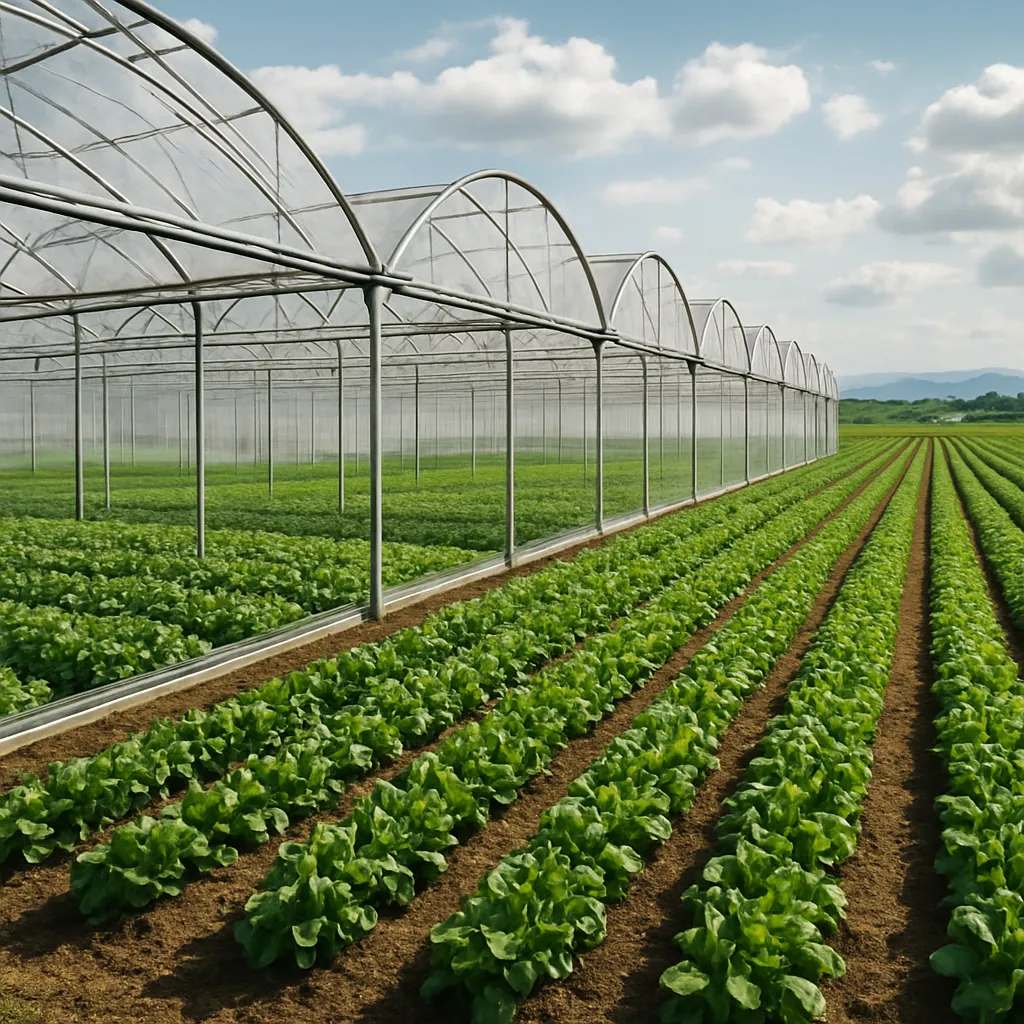
Permaculture offers a holistic approach to farming that emphasizes harmony with nature, fostering resilient systems capable of sustaining both people and the planet. By integrating diverse elements that support one another, permaculture helps create productive landscapes that restore degraded land, enhance biodiversity, and provide secure livelihoods for farming communities around the globe.
Principles of Permaculture
At the core of permaculture lies a set of design principles inspired by natural ecosystems. These guidelines encourage the efficient use of resources, minimal waste, and the creation of self-regulating systems. Key principles include:
- Observation and Interaction: Understanding local climates, soils, and wildlife before planning any intervention.
- Catch and Store Energy: Harvesting solar power and rainwater to reduce reliance on external inputs.
- Obtain a Yield: Ensuring each element produces something valuable—food, fuel, fiber, or ecosystem services.
- Apply Self-Regulation and Feedback: Monitoring outcomes and making adjustments to maintain system health.
- Use and Value Renewable Resources: Prioritizing local, recyclable, and biodegradable materials.
- Produce No Waste: Designing systems where outputs of one element serve as inputs for another.
- Design from Patterns to Details: Mimicking patterns found in nature—spirals, networks, and concentric circles.
- Integrate Rather than Segregate: Placing elements so they support each other’s functions.
- Use Small and Slow Solutions: Favoring gradual changes that are easier to maintain and adapt.
- Creatively Use and Respond to Change: Embracing disturbances as opportunities for innovation.
These principles guide farmers to establish landscapes that enhance biodiversity and foster long-term resilience.
Implementing Permaculture on World Farms
Design Techniques
Effective permaculture design begins with a thorough site analysis. Mapping sun patterns, wind directions, and water flows allows farmers to place elements such as garden beds, water catchments, and animal paddocks in optimal locations. Key techniques include:
- Zone Planning: Organizing the farm into zones from high-intensity (kitchens, herb gardens) to wild zones (food forests, wildlife corridors).
- Sector Analysis: Identifying external energies—sun, wind, noise—and planning barriers or harnessing systems accordingly.
- Layering: Cultivating multiple plant strata (canopy trees, shrubs, herbs, ground covers) to maximize productivity per square meter.
Water Management Strategies
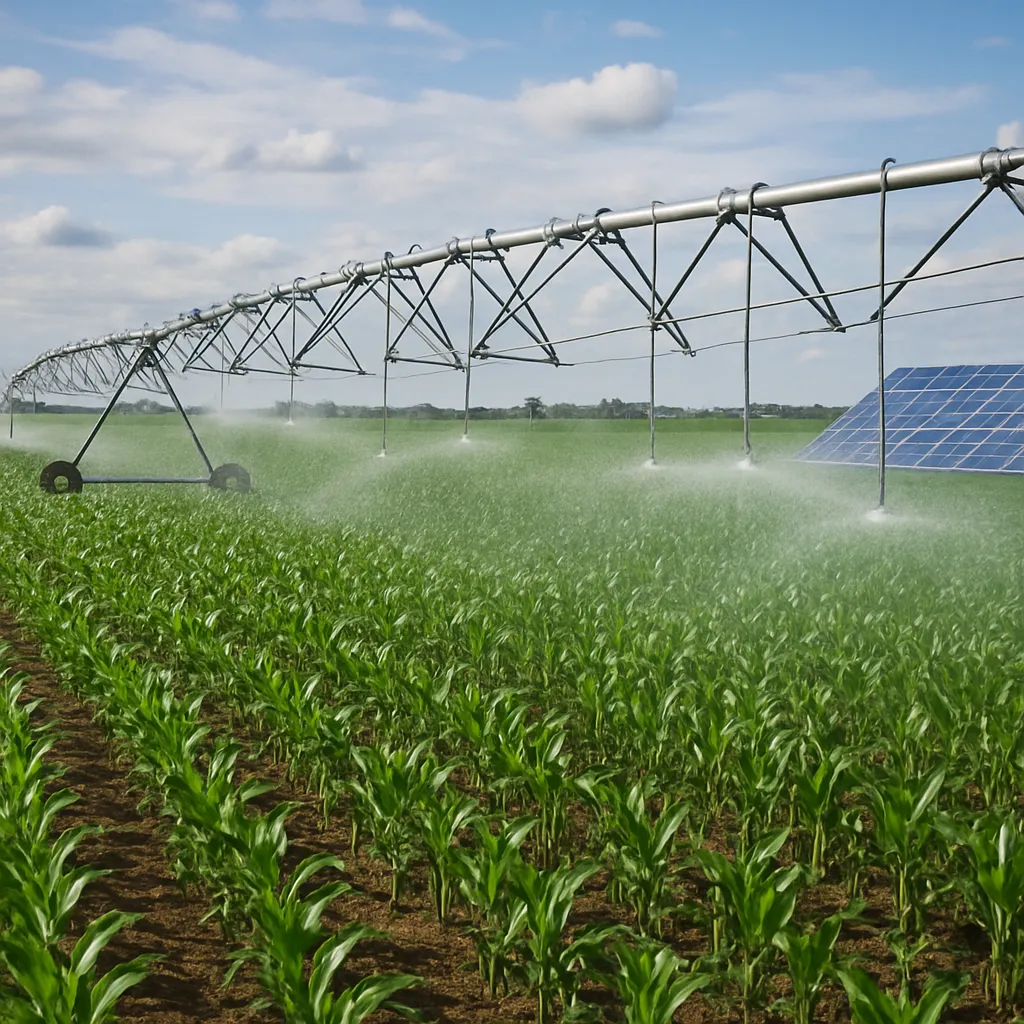
Water scarcity poses a major challenge to agriculture. Permaculture offers several solutions to capture and conserve water:
- Swales and Contour Trenches: Shallow ditches along contour lines that slow runoff and encourage infiltration.
- Rainwater Harvesting: Roof catchments connected to storage tanks or earthworks.
- Keyline Design: Distributing water evenly across slopes using plowing patterns that follow topography.
These methods improve soil health and reduce erosion, ensuring reliable moisture even during dry spells.
Agroforestry and Polycultures
Combining trees with annual and perennial crops can transform a monoculture field into a vibrant ecosystem. Agroforestry systems offer multiple yields—fruit, timber, fodder—and create habitat for beneficial insects and birds. Examples include:
- Alley Cropping: Planting rows of trees with intercrops in between for nutrient cycling and microclimate moderation.
- Food Forests: Layered plantings that replicate natural forests while producing edible goods.
- Silvopasture: Integrating livestock under tree canopies, which provides shade, forage, and manure to the system.
Benefits for Sustainable Farming
Adopting permaculture yields numerous advantages for farms, communities, and the environment:
- Food Security: Diversified systems offer a continuous supply of fruits, vegetables, nuts, and grains.
- Resilience to Climate Change: Water retention features and polycultures buffer farms against extreme weather.
- Soil Regeneration: Organic matter increases through mulching and green manures, restoring degraded lands.
- Biodiversity Enhancement: Mixed plantings support pollinators, beneficial insects, and wildlife.
- Economic Viability: Reduced input costs and multiple income streams from diverse yield types.
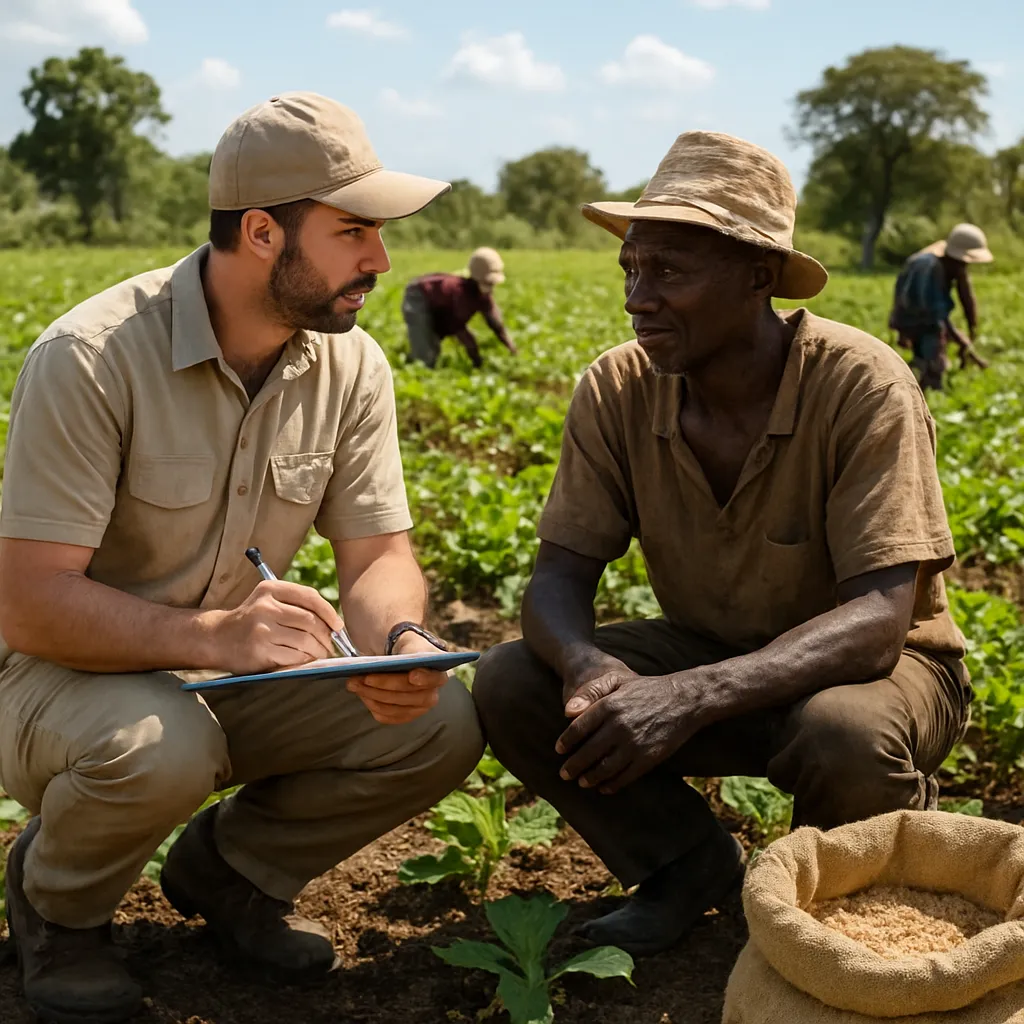
- Community Empowerment: Local knowledge sharing, cooperative gardens, and permaculture training strengthen social ties.
Challenges and Future Directions
Despite its promise, widespread adoption of permaculture faces several obstacles:
- Initial Knowledge Barrier: Farmers need training and hands-on experience to master design concepts.
- Land Tenure Issues: Short-term leases discourage long-term investments like tree planting.
- Market Access: Smallholders may struggle to sell diverse products in conventional supply chains.
- Policy Constraints: Subsidies and regulations often favor industrial monocultures over regenerative approaches.
To address these challenges, stakeholders must collaborate across sectors. Governments can revise policies to support small-scale and regenerative farmers. NGOs and educational institutions can expand training programs, while cooperatives and local initiatives boost access to markets and resources.
By championing permaculture on a global scale, we can transform agricultural landscapes into thriving, self-sustaining systems that nourish both people and the planet for generations to come.