Global agriculture stands at the crossroads of unprecedented demand and evolving challenges. As the world population races toward 10 billion by mid-century, farmers, researchers, and policymakers must collaborate to ensure that crops and livestock not only satisfy caloric needs but also support environmental health and social equity. This article explores the multifaceted role of world farms in feeding a growing population, examining production strategies, cutting-edge technologies, climate adaptation, and cooperative policy frameworks.
Expanding Production and Ensuring Sustainability
Meeting rising food demand hinges on boosting overall output while preserving natural resources. Traditional methods of land clearing and high-input monocultures risk degrading soil quality and depleting water tables. Instead, modern agricultural systems emphasize sustainability and balanced growth. Farmers around the globe are adopting approaches that:
- Enhance soil fertility through crop rotations with legumes, reducing reliance on synthetic fertilizers.
- Utilize precision nutrient management to apply fertilizers only where and when needed, minimizing runoff.
- Implement conservation tillage or no-till practices to retain organic matter and prevent erosion.
- Incorporate agroforestry systems that combine trees with annual or perennial crops, sequestering carbon and diversifying income.
These strategies not only increase the yield per hectare but also safeguard ecosystems. In regions such as the Brazilian Cerrado and the African Sahel, farmers are blending indigenous knowledge with scientific insights to cultivate resilient cropping systems. Water management is also essential: drip and sprinkler irrigation schemes optimize usage, while rainwater harvesting and aquifer recharge bolster resilience against drought.
Innovations in Crop and Livestock Management
Innovation drives productivity gains and efficiency improvements on the world’s farms. Scientific advances ranging from biotechnology to data analytics are revolutionizing how crops and animals are raised.
Precision Farming and Digital Tools
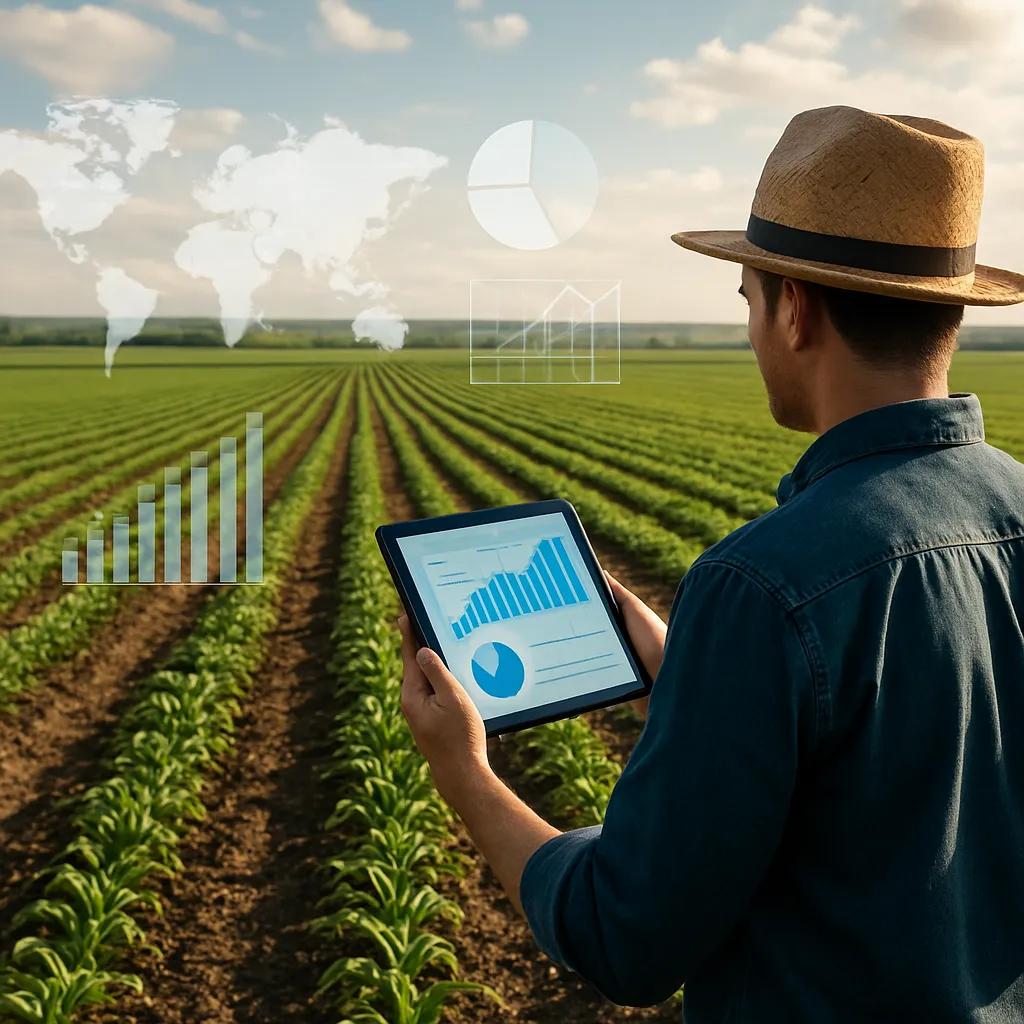
- Satellite imagery and drone-based sensing allow real-time monitoring of plant health and soil moisture.
- Variable-rate applications of water, fertilizers, and pesticides cut waste and environmental impact.
- Machine learning models predict pest outbreaks and optimize planting schedules for maximum efficiency.
Genetic and Biotechnological Advances
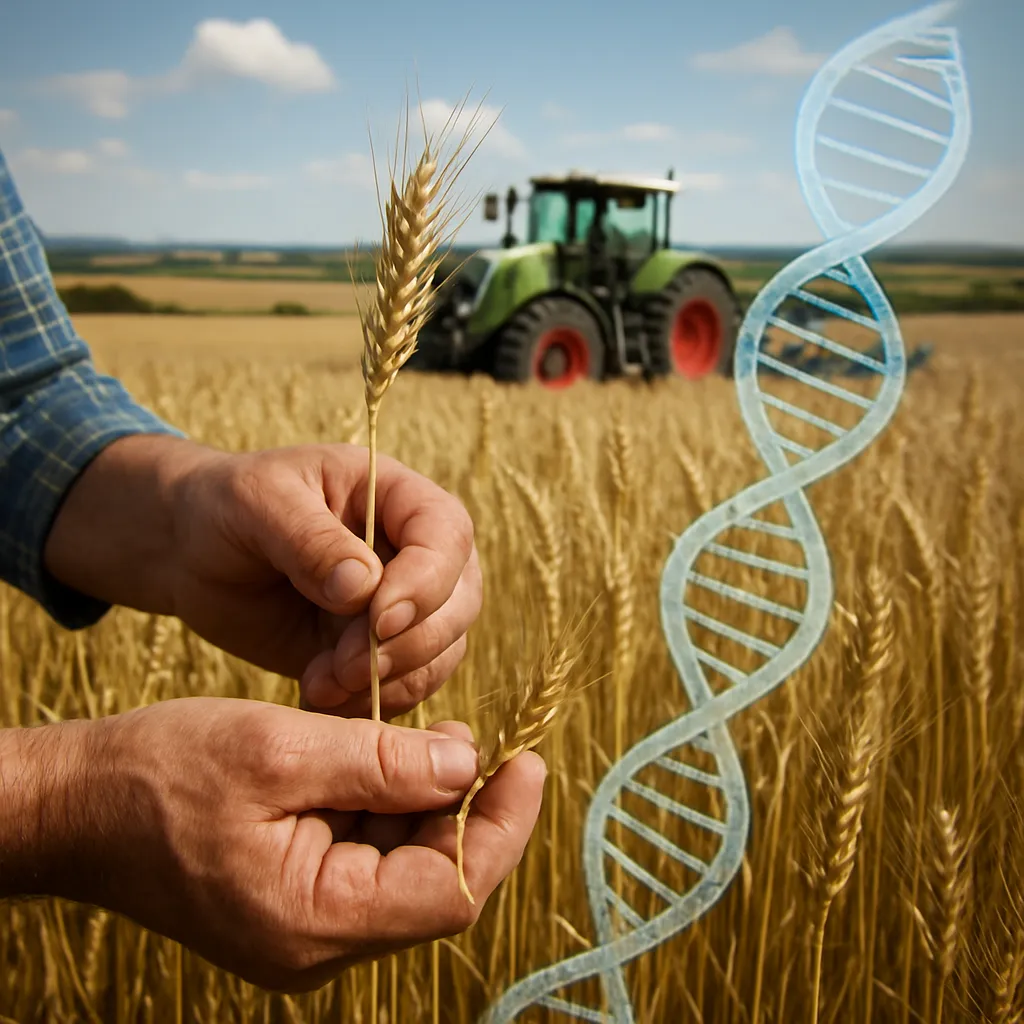
- Gene editing techniques, such as CRISPR-Cas9, accelerate the development of drought-tolerant and disease-resistant crop varieties.
- Biofortified grains and legumes deliver enhanced levels of vitamins and minerals, combating global malnutrition.
- Microbial inoculants improve nitrogen fixation and nutrient uptake, reducing the need for chemical inputs.
On the livestock front, selective breeding programs and health-monitoring wearables enhance animal welfare and feed conversion efficiencies. Precision feeding systems tailor rations to individual animals, minimizing feed waste and greenhouse gas emissions from enteric fermentation. Meanwhile, novel protein sources—such as insect meal and algae-based feeds—offer sustainable alternatives that alleviate pressure on marine and terrestrial ecosystems.
Addressing Climate Change and Resource Constraints
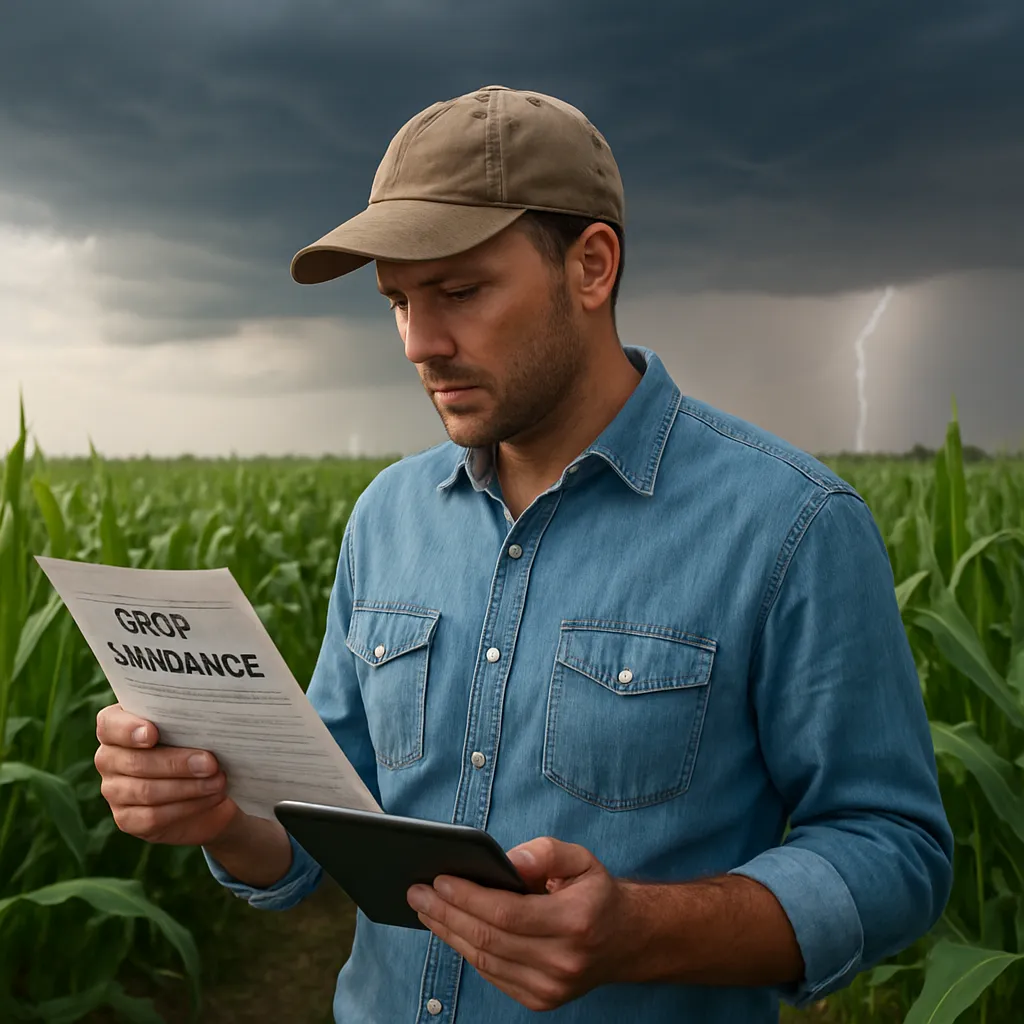
Climate change poses a dual threat to global agriculture, intensifying extreme weather events while altering growing seasons. To secure food supplies, farms must adapt and mitigate simultaneously.
Climate-Smart Practices
- Cover cropping and mulching protect soils from heat stress and moisture loss.
- Integrating livestock with pastures and croplands enhances nutrient cycling and carbon storage.
- Agroecological designs promote biodiversity and natural pest control within farm landscapes.
Water-Saving Technologies
- Subsurface drip irrigation reduces evaporation and targets root zones directly.
- Deficit irrigation tactics maintain yields by supplying water during critical growth stages.
- Saline and treated wastewater reuse expand available water resources without compromising food safety.
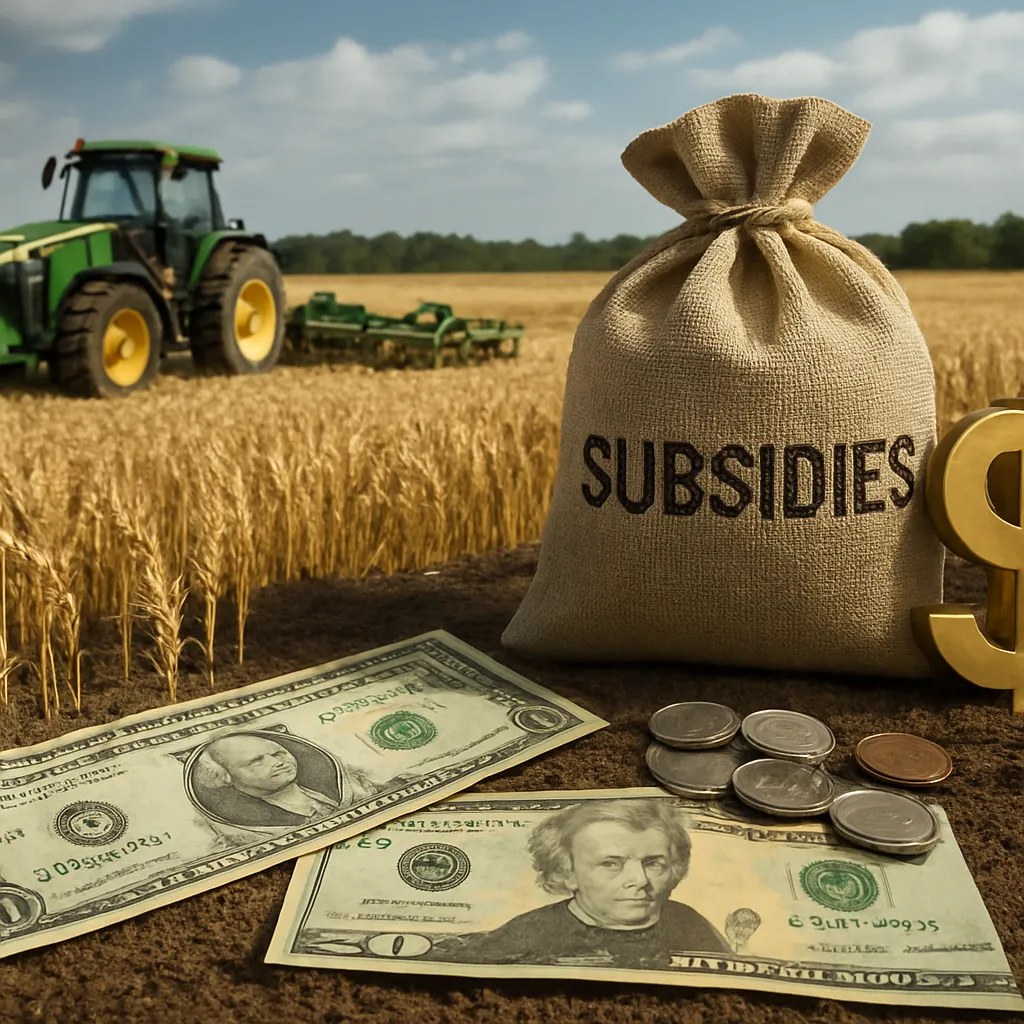
Beyond on-farm measures, carbon markets and payments for ecosystem services provide incentives for farmers to adopt low-emission practices. Reforestation of buffer zones, restoration of wetlands, and the adoption of perennial staple crops, such as millet and sorghum, help to stabilize landscapes and secure the nutrition needs of vulnerable communities.
Global Cooperation and Policy Frameworks
Feeding billions is not solely a technical challenge; it demands an ecosystem of supportive policies, investments, and trade arrangements that encourage equitable access to food and inputs.
- International research consortia, like CGIAR, pool expertise to tackle region-specific constraints and share improved seed varieties.
- Sustainable trade agreements reduce barriers for grain and livestock exports, ensuring surplus production moves to deficit regions.
- Public-private partnerships underpin infrastructure projects—rural roads, cold chains, and storage facilities—minimizing post-harvest losses.
Social dimensions are equally vital. Empowering smallholder and women farmers through microcredit schemes and extension services drives rural livelihoods. Strengthening land tenure rights fosters long-term investments in soil and water conservation. Educational initiatives build local capacity in modern farming techniques and farm management, broadening the adoption of efficiency– boosting practices.
Future Directions and Emerging Opportunities
The path forward for global agriculture is illuminated by emerging technological frontiers and evolving consumer preferences. Vertical farming and controlled-environment agriculture offer high-density production of fresh produce in urban centers, drastically reducing transportation footprints. Artificial intelligence is redefining supply-chain logistics, matching surplus volumes with real-time demand and slashing food waste. Alternative proteins derived from plant, microbial, and cell-culture platforms are carving out new market segments, presenting farmers with diversified income streams.
Integrating these innovations requires a holistic vision—one that balances productivity with planetary boundaries and social justice. By prioritizing technology transfer, shared learning networks, and inclusive governance structures, the global agricultural community can cultivate a future where every person enjoys reliable access to affordable, nutritious food without compromising the health of the planet.