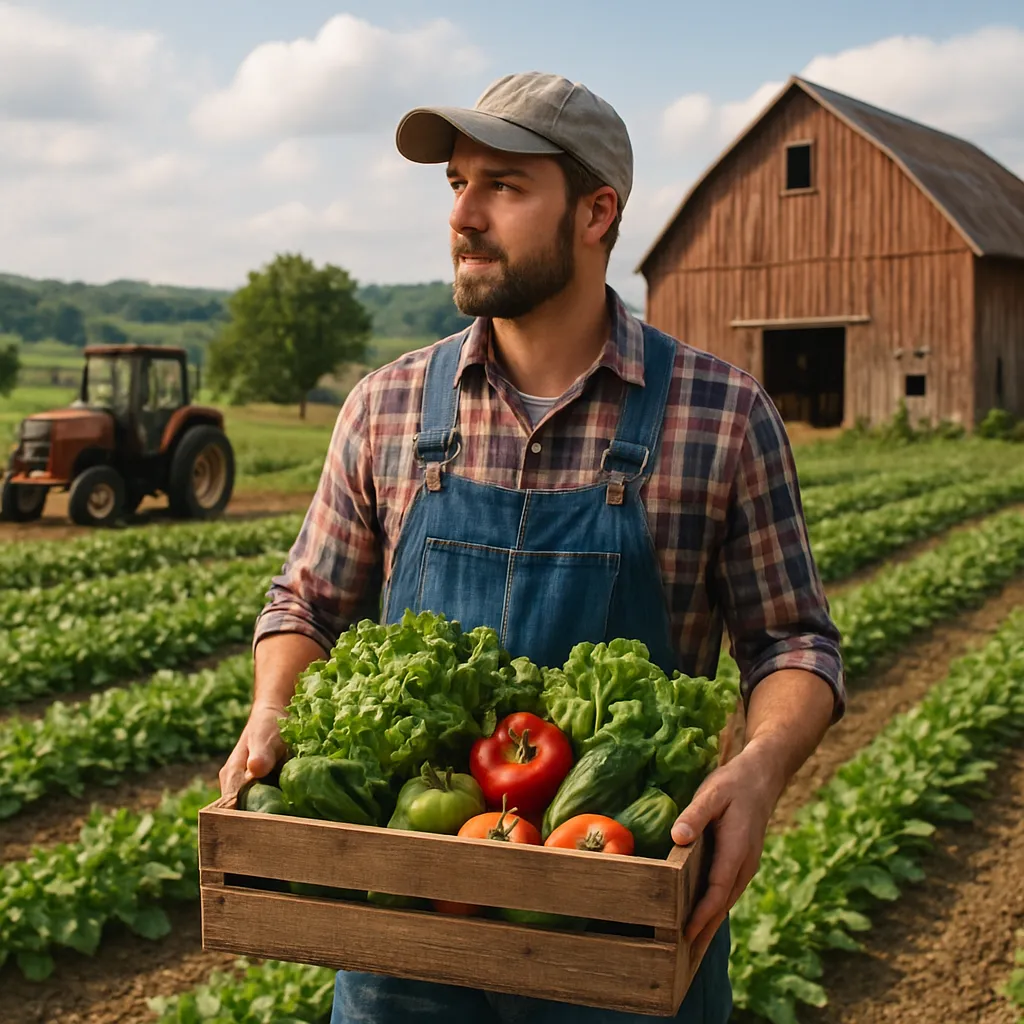
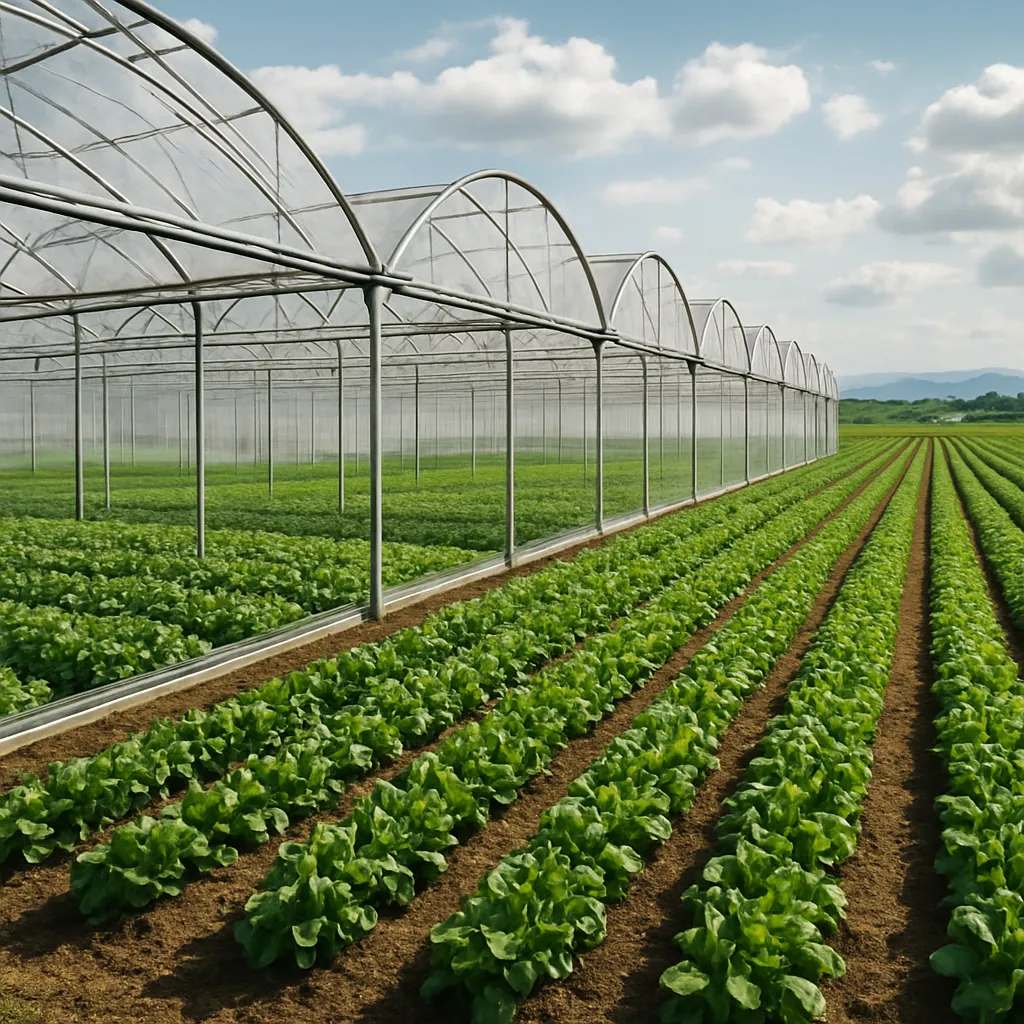
In the vast tapestry of human civilization, the contribution of farmers remains a cornerstone in the fight against global hunger. Their daily efforts on world farms not only produce nourishing food but also drive innovation and social change. From rolling fields of wheat to terraced rice paddies, farmers shoulder the responsibility of feeding billions, all while navigating climatic uncertainties, market fluctuations, and evolving policy landscapes. This article explores the pivotal roles they play, the challenges they face, and the strategies that can amplify their impact on food security.
Challenges of Modern Agriculture
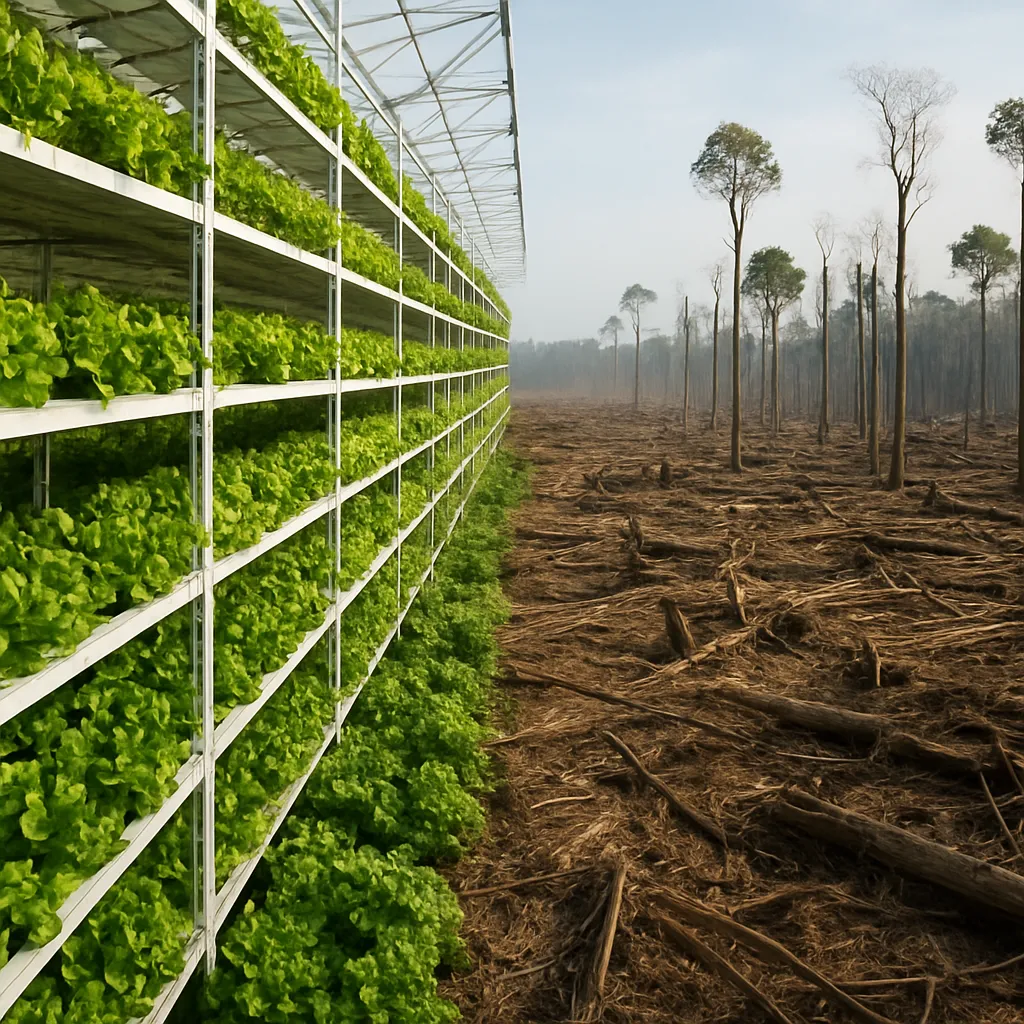
Farmers today confront a constellation of difficulties that test the resilience of entire communities. Unpredictable weather patterns, a consequence of climate change, threaten crop yields and livestock health. Soils exhausted by chemical overuse and monocultures suffer declines in fertility and biodiversity. Meanwhile, global markets impose price volatility that can turn a bountiful harvest into financial ruin overnight. Addressing these issues demands a deep understanding of agroecological principles and a commitment to sustainable intensification.
Environmental Pressures
- Erratic rainfall and prolonged droughts increasing the risk of crop failure.
- Soil erosion and nutrient depletion from over-reliance on synthetic fertilizers.
- Loss of pollinators and beneficial insects due to pesticide use.
Economic Constraints
- Limited access to affordable credit and insurance for small-scale producers.
- High input costs for quality seeds, fertilizers, and machinery.
- Unfair trade practices and barriers that disadvantage developing-country farmers.
Innovations and Sustainable Practices
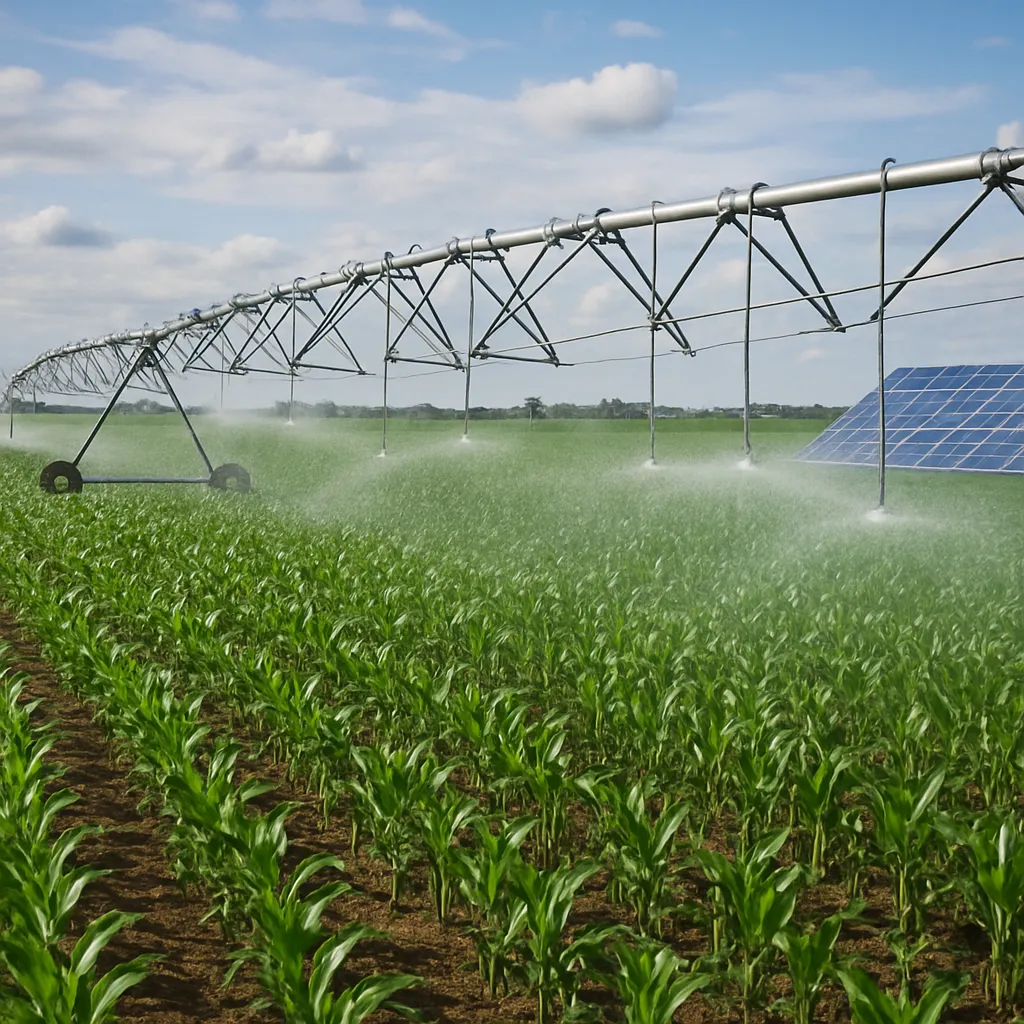
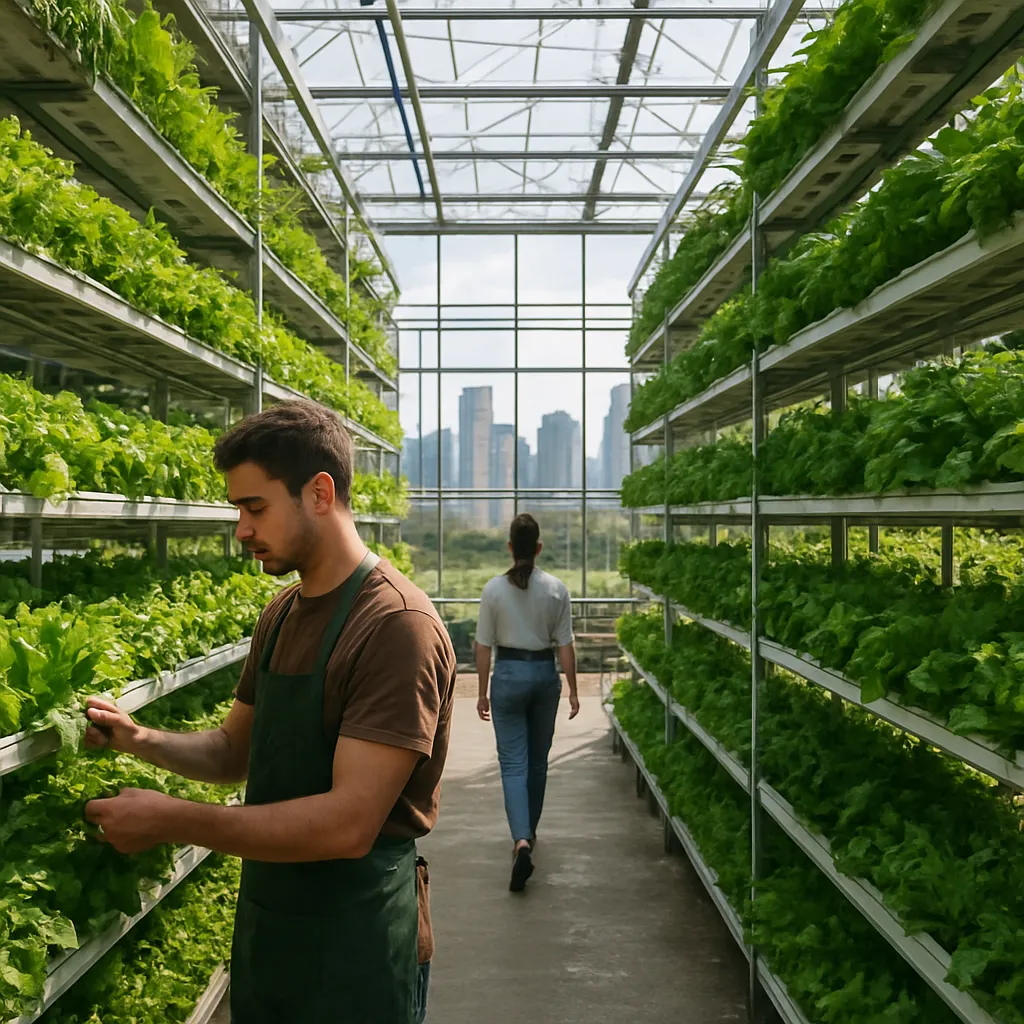
Emerging technologies and traditional wisdom are converging to bolster food production while preserving natural resources. Precision agriculture tools, such as remote sensing drones and soil moisture sensors, enable farmers to apply water and nutrients with pinpoint accuracy, reducing waste and environmental impact. Simultaneously, agroforestry and conservation agriculture integrate trees and cover crops to build soil structure, sequester carbon, and create habitat for wildlife.
Technological Breakthroughs
- Technology-driven irrigation systems that adapt to weather forecasts and soil data.
- Genomic research producing drought-tolerant and pest-resistant crop varieties.
- Mobile platforms connecting farmers to market prices, weather updates, and extension services.
Ecological Approaches
- Crop rotation and intercropping to manage pests and boost sustainability.
- Integration of livestock and crop systems for nutrient cycling.
- Biological control agents that reduce chemical pesticide dependence.
Empowering Smallholder Farmers
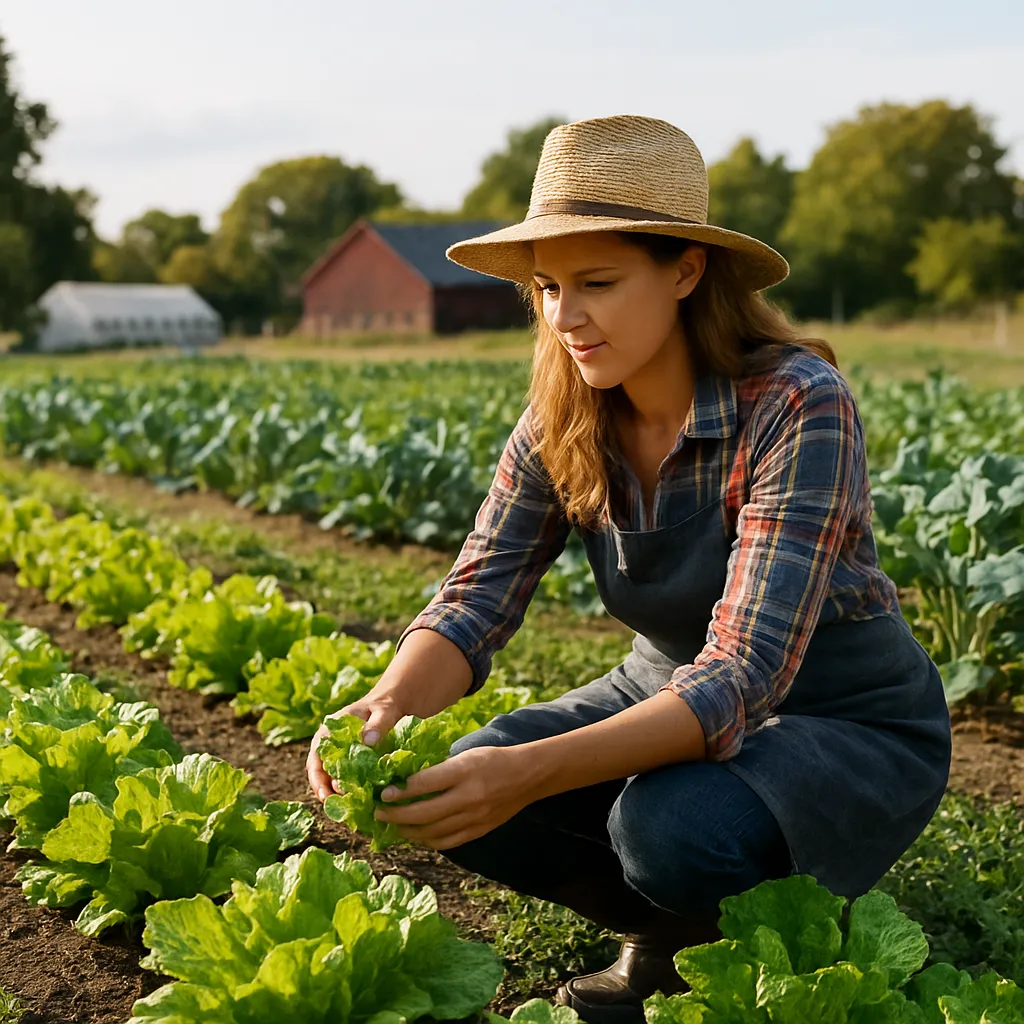
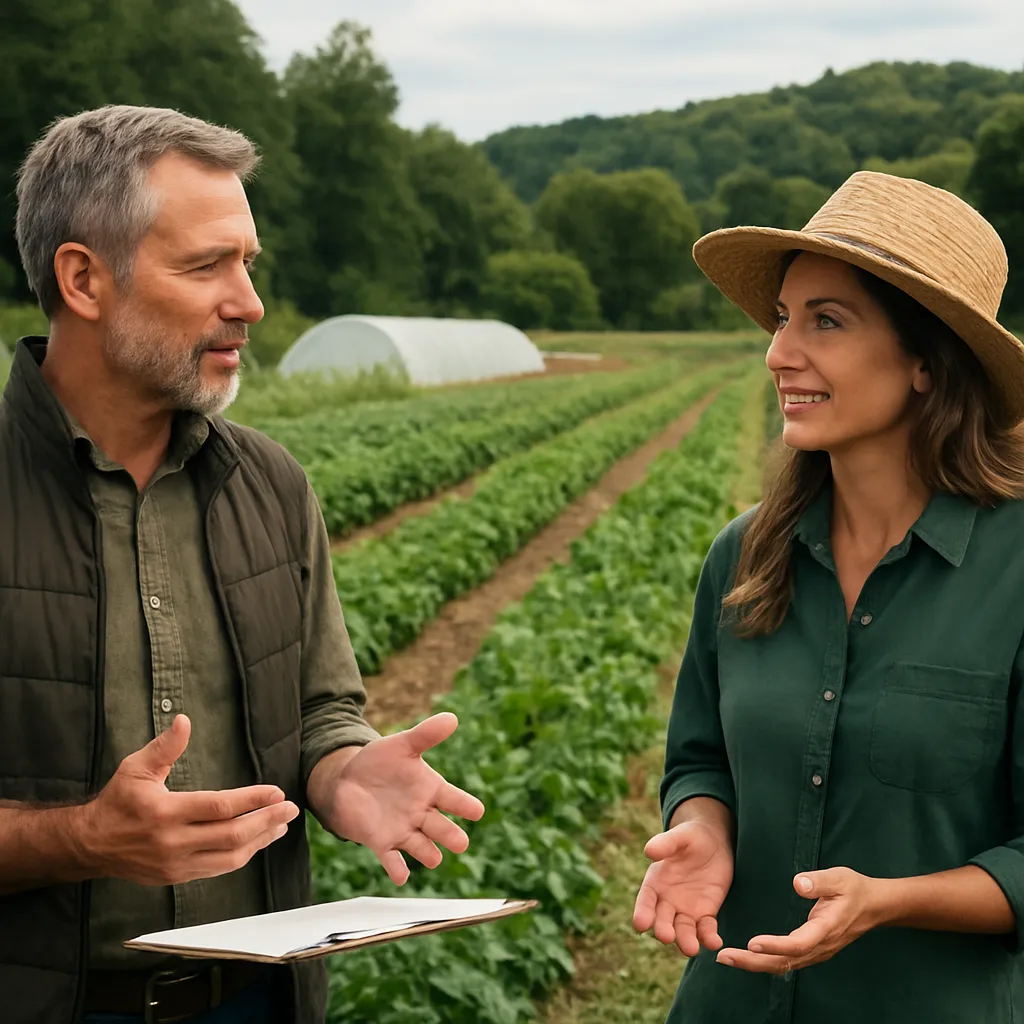
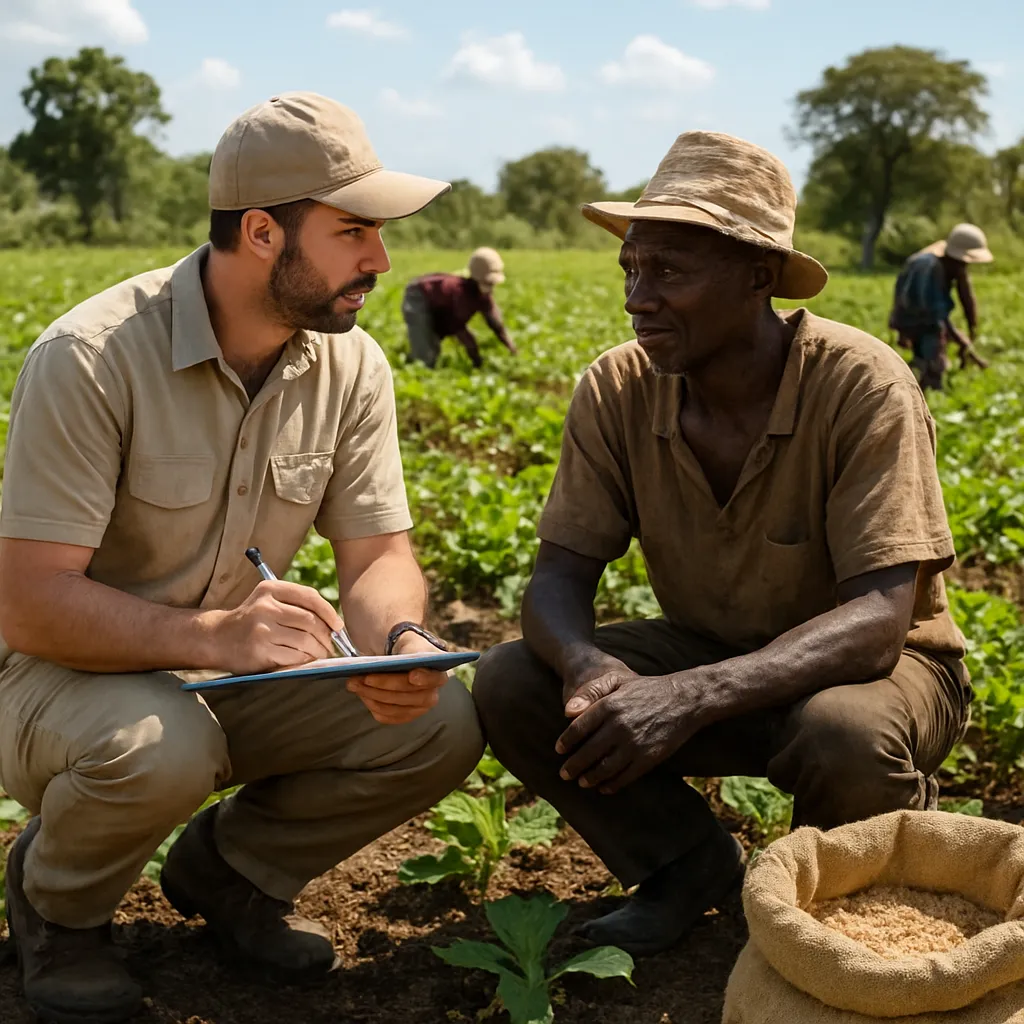
Nearly half of the world’s agricultural output comes from smallholder farms, yet these producers often lack access to essential resources. Empowerment through training, cooperative models, and microfinance can transform their capabilities. By pooling resources, farmers can invest in shared machinery, negotiate fairer prices, and adopt best practices from peer networks. Educational programs tailored to local conditions build competencies in farm management, post-harvest handling, and value addition.
Capacity Building
- Hands-on workshops teaching integrated pest management and soil conservation.
- Peer-to-peer learning circles that foster community-driven innovation.
- Digital literacy courses enabling farmers to leverage e-commerce platforms.
Financial Inclusion
- Microcredit schemes designed to match seasonal income cycles.
- Weather-indexed insurance products shielding farmers from catastrophic losses.
- Local savings cooperatives promoting collective investment in farm infrastructure.
Global Collaboration and Policy Measures
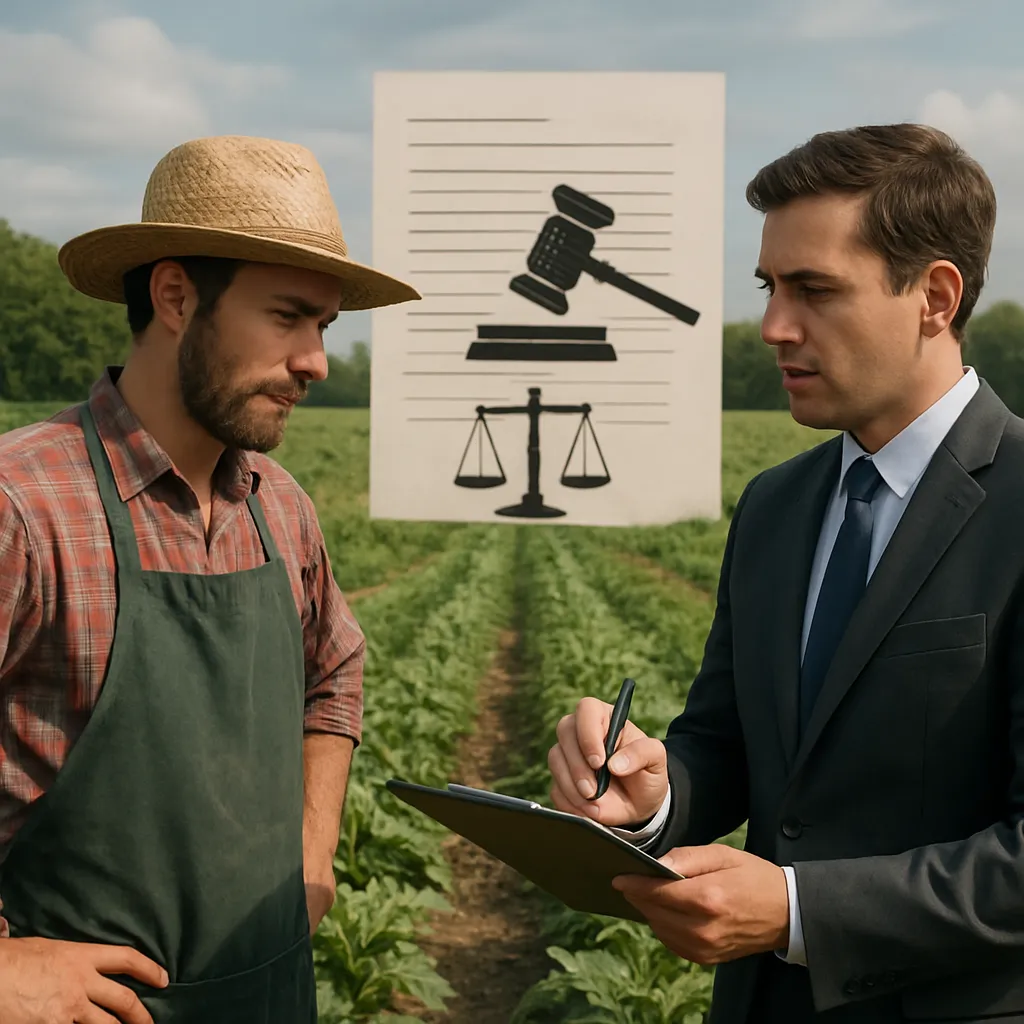
Eradicating hunger on a planetary scale requires coordinated action across governments, NGOs, research institutions, and the private sector. International frameworks like the Sustainable Development Goals and the Global Agriculture and Food Security Program set ambitious targets for food security and nutrition. Policies that incentivize conservation agriculture, subsidize climate-smart inputs, and streamline land tenure reforms can create an enabling environment for farmers to thrive.
Public-Private Partnerships
- Agreements between agribusinesses and farmers to ensure fair trade and stable supply chains.
- Investment in rural infrastructure—roads, storage facilities, and processing centers.
- Collaborative research initiatives to develop resilient crop varieties.
Regulatory Frameworks
- Land rights legislation securing tenure for small-scale producers.
- Incentives for sustainable land-use planning and ecosystem restoration.
- Trade policies that reduce tariff barriers and promote equitable market access.
Building Resilience for the Future
The journey toward ending world hunger hinges on the continuous evolution of farming systems and the unwavering commitment of those who cultivate the land. By championing innovation, fostering social equity, and reinforcing policy support, we unlock the potential of farmers to deliver abundant, nutritious food for generations to come. Their unwavering dedication, combined with strategic investments in capacity and technology, will light the path toward a future free from the scourge of hunger.