The integration of aerial robotics into agricultural systems has reshaped how farmers monitor crops, manage resources, and boost productivity. Across continents, unmanned aerial vehicles (UAVs), commonly known as drones, have emerged as pivotal tools in enabling precision farming. By offering real-time insights into field conditions, these devices facilitate data-driven decision making and contribute to sustainable practices. This article explores the multifaceted role of drones in contemporary farming environments around the world.
Emergence of Drone Technologies
Advancements in electronics, miniaturized sensors, and battery systems have fueled the rapid evolution of agricultural drones. Initially deployed for military reconnaissance, drone platforms have progressively been adapted to meet the unique demands of agriculture. Modern UAVs boast high-resolution cameras, multispectral scanners, and LiDAR instruments, enabling farmers to conduct detailed field surveys with unprecedented accuracy.
Evolution from Hobbyist to Professional Grade
At first, drone use in farming was limited to hobbyists experimenting with photography. However, manufacturers soon recognized the potential to customize airframes and payloads for industry-specific tasks. Today’s commercial-grade drones integrate advanced autopilot systems, collision avoidance sensors, and modular payload bays. Such innovations allow operators to switch between thermal imaging for irrigation analysis and hyperspectral sensors for nutrient mapping in mere minutes.
Key Technological Components
- Multispectral Cameras: Capture data in various light bands for crop health assessment.
- GPS and RTK Modules: Enable centimeter-level positioning accuracy for precise flight paths.
- Onboard AI Algorithms: Process imagery in real time to detect anomalies like disease outbreaks.
- Lightweight Composite Materials: Enhance durability while maximizing flight time.
Applications Across Continents
From the vast wheat plains of North America to the terraced rice paddies of Southeast Asia, drones have found diverse applications tailored to regional farming practices. Their adaptability and scalability make them suitable for both expansive industrial operations and smallholder farms.
North America: Commercial Scale Monitoring
In the United States and Canada, mega-farms leverage drone fleets to monitor thousands of hectares for signs of stress, pests, and nutrient deficiencies. A single flight can cover several square kilometers, generating data-driven maps that highlight zones requiring targeted interventions. Spraying drones fitted with precision nozzles can then deliver fertilizers or pesticides only where needed, reducing chemical usage by up to 40%.
Africa: Enhancing Food Security
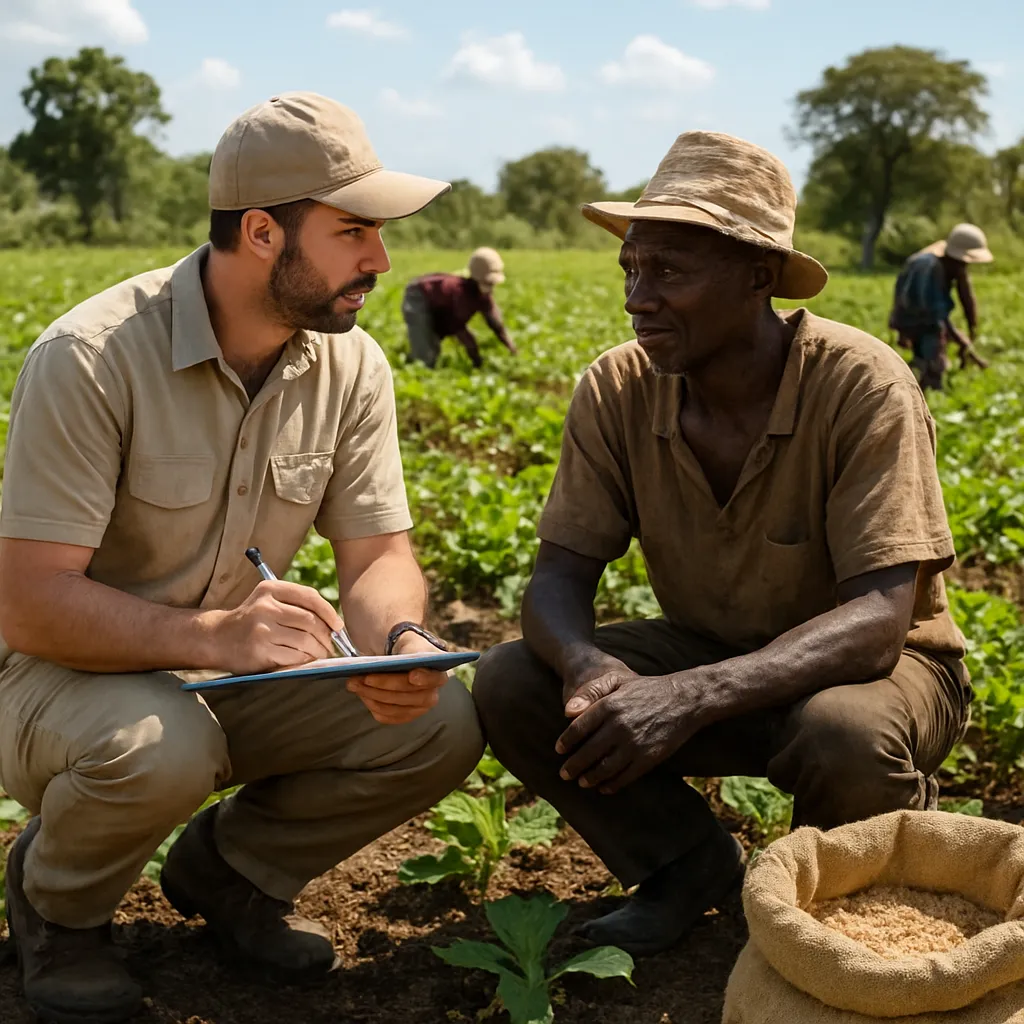
Africa’s developing economies face unique challenges including fragmented landholdings and limited infrastructure. Lightweight, battery-efficient drones offer a cost-effective solution for smallholder farmers. NGOs and cooperatives provide subsidized drone services, enabling communities to detect early signs of crop disease, optimize planting density, and improve yield forecasts. Such initiatives contribute to sustainability and strengthen food security.
Europe: Sustainability and Regulation
European Union policies emphasize eco-friendly practices and rigorous safety standards. Farmers in countries like Spain and Germany use drones not only for aerial surveys but also for pollinator habitat monitoring and precision irrigation scheduling. Strict regulatory frameworks ensure responsible drone operation, while research consortiums pioneer automation in tasks such as real-time weed identification and targeted herbicide application.
Challenges and Prospects
Despite clear benefits, several obstacles hinder universal adoption of drone technology in agriculture. Addressing these barriers will shape the next wave of innovation and determine how effectively drones can support global food production.
Regulatory and Airspace Constraints
Many regions impose strict limits on UAV flight altitudes, line-of-sight requirements, and payload weight. Navigating complex airspace regulations demands specialized training and certification, adding overhead costs. Harmonizing rules across borders remains a challenge, especially for agribusinesses operating in multiple jurisdictions.
Data Management and Interpretation
While drones generate vast quantities of imagery and sensor readings, converting raw information into actionable insights requires robust analytics platforms. Many farmers lack the technical skills or resources to handle large datasets, which underscores the growing demand for user-friendly software and integrated AI tools that streamline analysis.
Economic and Infrastructure Barriers
Upfront costs of drone systems—covering hardware, maintenance, and training—can be prohibitive for small-scale producers. Additionally, reliable power sources and internet connectivity are essential for charging batteries and syncing data with cloud servers. In remote areas, these infrastructures may be underdeveloped, limiting drone utility.
Future Perspectives in Precision Agriculture
Emerging trends point toward greater innovation in autonomous operations, swarming capabilities, and integrated farm management platforms. As technology matures, drones will increasingly collaborate with ground-based robotics, soil sensors, and weather stations to form interconnected networks that optimize every aspect of crop production.
Swarm Technology
Swarm robotics, inspired by social insects, allows multiple drones to coordinate flight patterns and tasks. In large-scale grain farming, swarms can perform simultaneous seeding, spraying, and surveillance missions, significantly reducing operation times. Advanced communication protocols and decentralized control algorithms ensure robust performance even when individual units encounter obstacles.
Integration with Internet of Things (IoT)
When linked with IoT devices, drones contribute to a holistic farm ecosystem. Soil moisture probes, climate sensors, and livestock trackers feed continuous streams of data into a central platform. Drones act as mobile data collectors, bridging connectivity gaps and validating ground-based measurements through aerial cross-checks.
Environmental and Social Impact
By minimizing chemical runoff, optimizing water usage, and reducing greenhouse gas emissions, drone-assisted farming aligns with global sustainability goals. Outreach programs and training initiatives empower rural communities, fostering technological literacy and opening pathways to new revenue streams such as agricultural service provision.
Innovations Driving Global Adoption
- AI-powered disease diagnosis with 95% accuracy
- Hybrid solar-electric drone models extending flight endurance
- User-friendly mobile applications for real-time farm management
- Collaborative platforms linking farmers, researchers, and policymakers
The dynamic interplay between rising food demands, environmental concerns, and rapid technological advancement ensures that drones will remain at the forefront of modern farming. As stakeholders overcome regulatory, economic, and technical hurdles, the dream of fully automated, sustainable agriculture draws ever closer to reality.