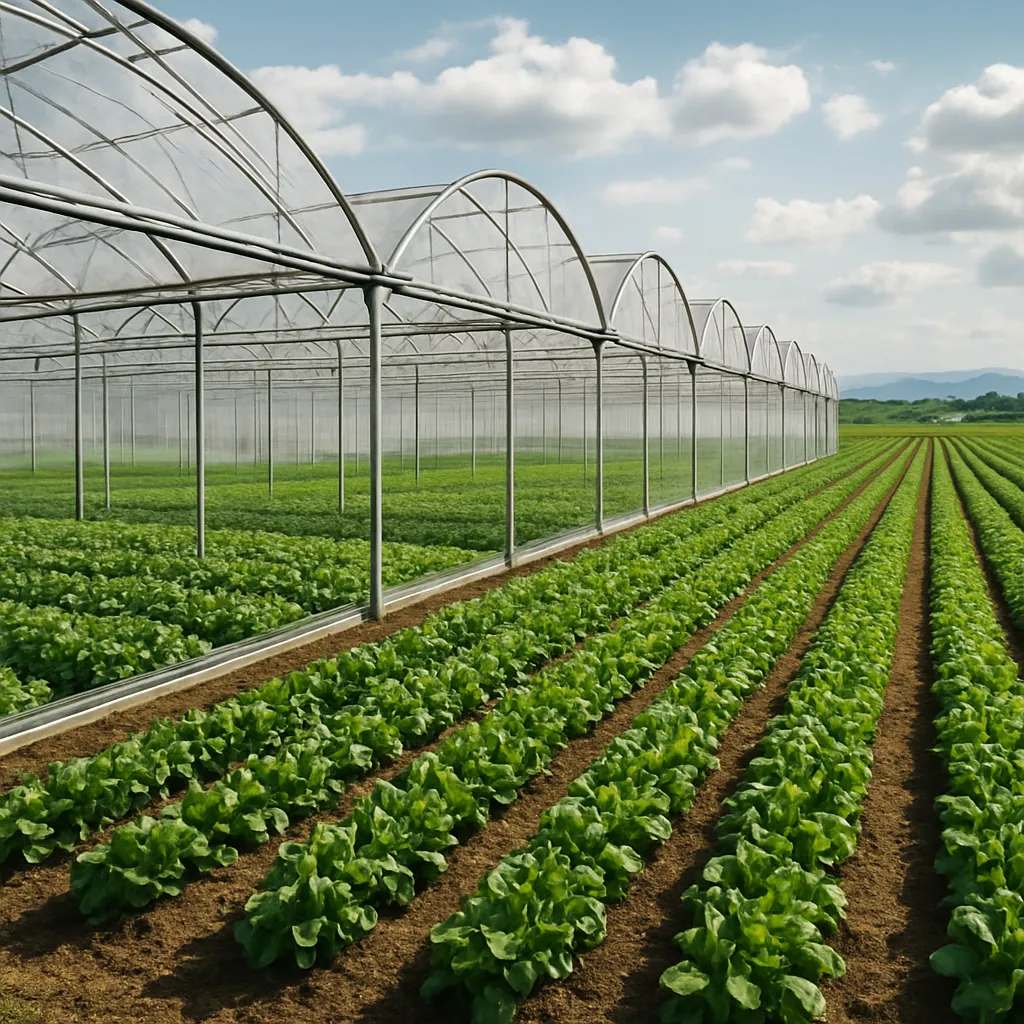
Big Data has emerged as a transformative force reshaping how communities cultivate crops, manage livestock, and sustain ecosystems on a global scale. By leveraging vast datasets, modern agriculture can now operate with unprecedented levels of precision and efficiency, unlocking new pathways to address food security, environmental conservation, and economic viability for farmers worldwide.
Big Data Tools and Technologies Driving Modern Agriculture
The backbone of contemporary farming relies on a diverse array of digital instruments capable of collecting, processing, and analyzing massive streams of information. These technologies form an interconnected ecosystem, enabling stakeholders to make data-driven decisions.
Sensor Networks and IoT Devices
- Soil moisture probes measure hydration levels in real time, guiding irrigation schedules.
- Weather stations and sensor arrays monitor temperature, humidity, and solar radiation to forecast climatic shifts.
- Livestock wearables track movement, health indicators, and grazing patterns across expansive pastures.
Cloud Computing and Data Analytics Platforms
Cloud-based services offer scalability and high-performance computing power needed to run complex models. Platforms such as Hadoop, Spark, and dedicated agricultural analytics suites host terabytes of information, delivering actionable insights on crop performance, pest outbreaks, and supply chain dynamics.
Machine Learning and Predictive Models
Advanced algorithms digest historical yield records, satellite imagery, and market demand trends to generate predictive forecasts. These models help farmers anticipate disease risks, optimize planting schedules, and adjust resource allocation before potential losses occur.
Integration of Data Sources
Synergies between remote sensing, mobile apps, and farm management software converge to produce a holistic picture of operations. Data interoperability standards and APIs ensure seamless exchange among disparate systems, promoting continuous improvement cycles across regions.
Applications in Field Monitoring and Crop Management
Harnessing Big Data has revolutionized daily agronomic tasks, enhancing both productivity and sustainability. Every stage of the crop lifecycle benefits from targeted interventions supported by real-time feedback loops.
Precision Farming and Variable Rate Application
By mapping soil fertility and nutrient distribution at high resolution, farmers can apply fertilizers and agrochemicals at variable rates. This optimization minimizes waste, reduces environmental runoff, and improves long-term soil health.
Remote Sensing and Yield Mapping
- Satellite imagery and drone surveys generate multispectral images, highlighting areas of stress or nutrient deficiency.
- Combined with yield monitors on harvesters, this approach links spatial variations in output to specific management practices.
- Trend analysis over multiple seasons reveals underlying patterns, guiding strategic adjustments in crop rotation or field layout.
Pest and Disease Surveillance
Early warning systems utilize pattern recognition algorithms to detect anomalies in canopy color, shape, or density. By flagging infestations at their onset, farmers can deploy targeted treatments, reducing reliance on broad-spectrum pesticides and slowing resistance development.
Water Management Efficiency
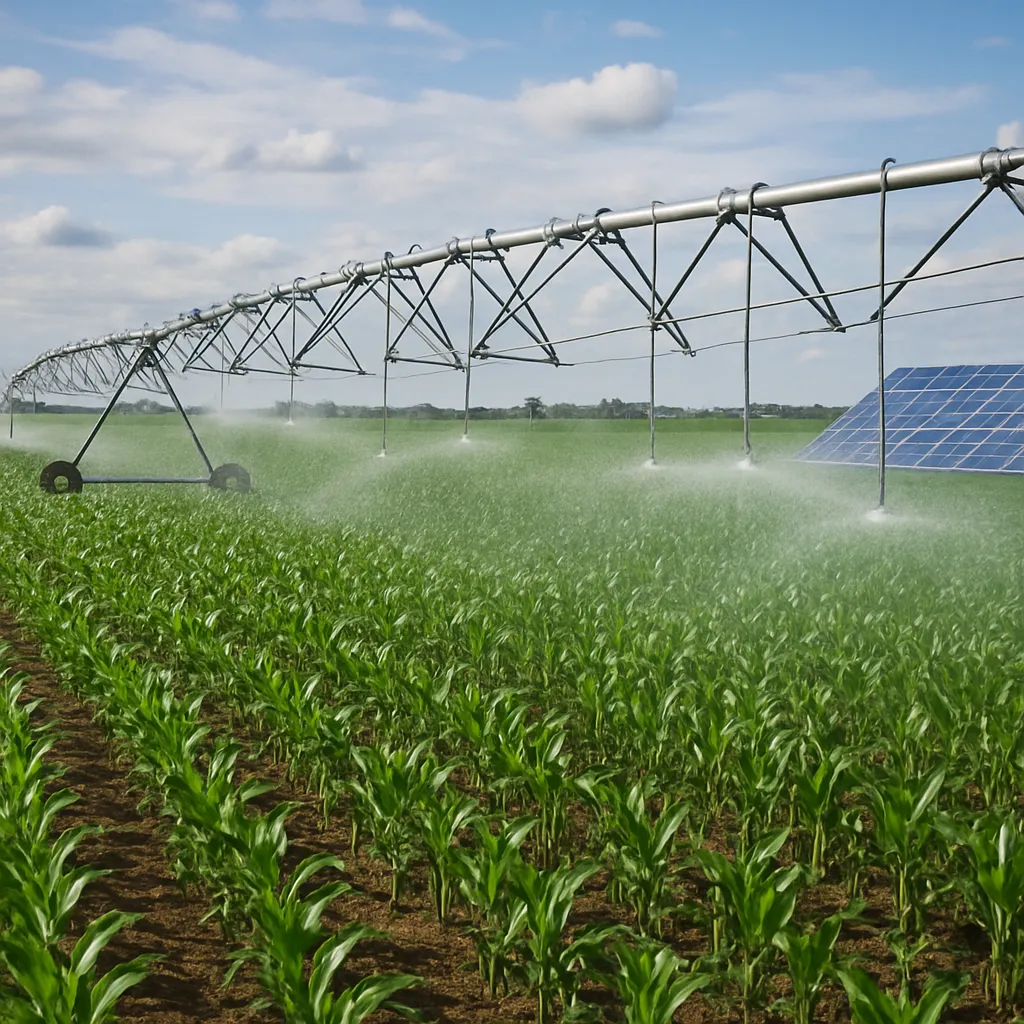
Smart irrigation solutions correlate evapotranspiration data with soil moisture readings. Automated valves and drip systems respond dynamically, preserving a finite resource while preserving crop yield. This is particularly vital in arid regions, where water scarcity poses significant constraints on production.
Global Supply Chains and Market Intelligence
Beyond the field, Big Data analytics extends to logistics, pricing, and consumer demand forecasting. This end-to-end perspective enhances transparency and trust across stakeholders, from growers to retailers.
Blockchain and Traceability
Immutable ledgers record each transaction, shipment, and quality test. By integrating transactional records with geographic and environmental data, consumers gain confidence in product origin and ethical sourcing, while producers comply with regulatory mandates.
Price Forecasting and Demand Planning
Algorithms sift through historical sales figures, weather disruptions, and macroeconomic indicators to anticipate market fluctuations. By adjusting marketing strategies and storage logistics preemptively, producers can maximize revenue and minimize post-harvest losses.
Logistics Optimization
- Route planning tools analyze fuel consumption, traffic patterns, and vehicle capacity to streamline distribution.
- Cold chain sensors track temperature and humidity in real time, safeguarding perishable goods.
- Inventory management systems align procurement, processing, and shipping operations for minimal lead times.
Cross-Border Collaboration
International research networks share datasets on crop genetics, soil mapping, and pest resistance. Such collaborations accelerate the adoption of best practices, fostering resilience in regions vulnerable to climate change and economic volatility.
Challenges and Future Prospects
Despite its promise, Big Data in agriculture confronts several hurdles that must be overcome to achieve widespread adoption and equitable benefits.
Data Privacy and Ownership
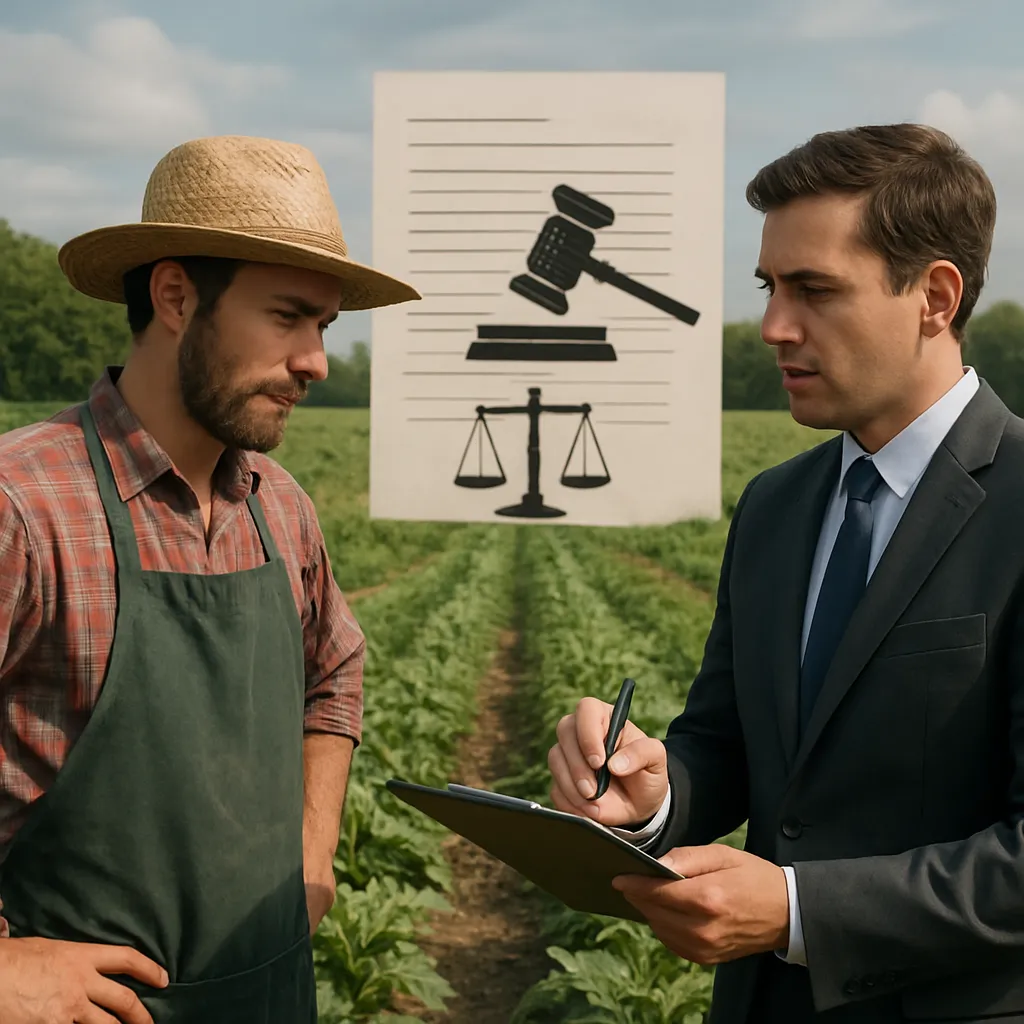
Farmers often hesitate to share proprietary information, fearing misuse or loss of competitive advantage. Clear policies and secure frameworks are essential to establish trust and protect individual rights.
Infrastructure and Connectivity Gaps
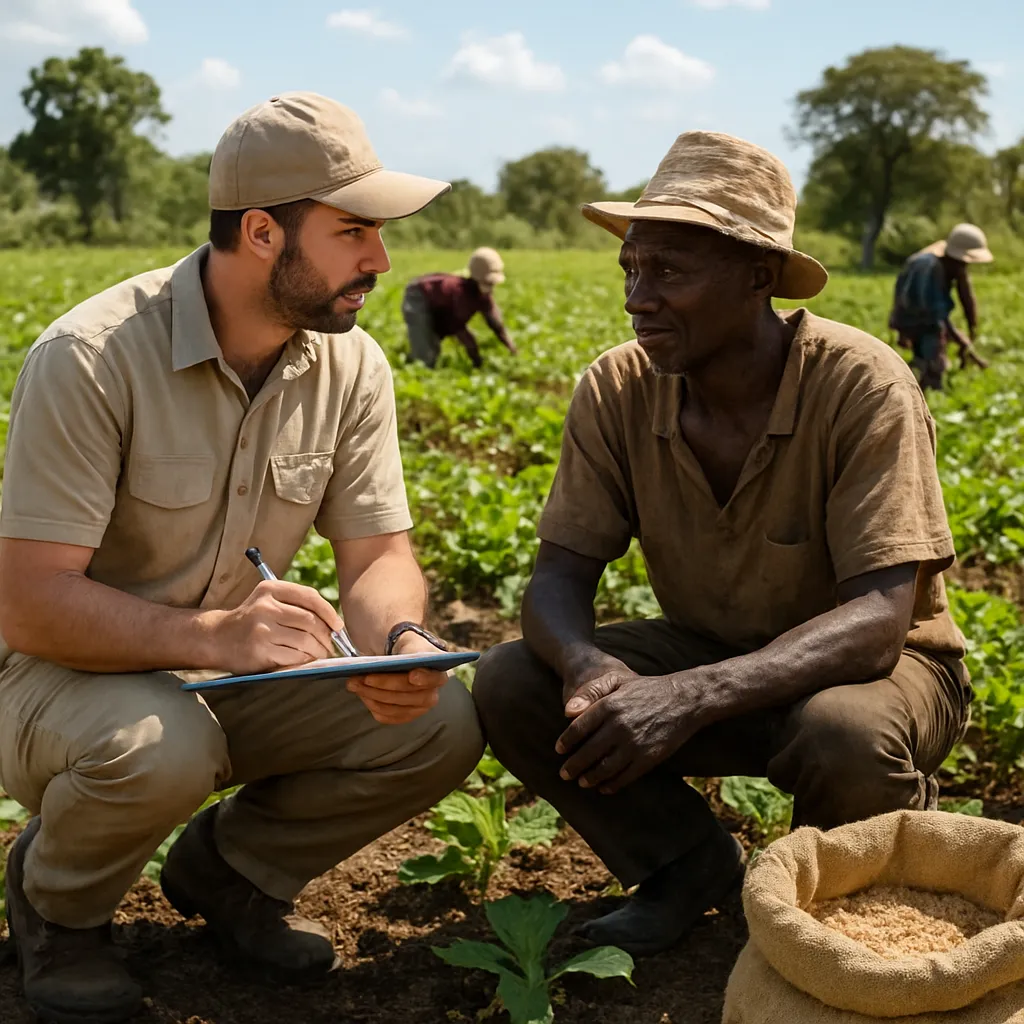
Rural areas in developing nations may lack reliable broadband or mobile networks. Investing in robust telecommunications and affordable devices is critical to bridge the digital divide and empower smallholder farmers.
Capacity Building and Technical Skills
Interpreting complex datasets requires specialized expertise. Training programs, extension services, and user-friendly interfaces must evolve to equip producers with the knowledge to leverage analytical tools effectively.
Emerging Innovations
- Edge computing devices will process data locally on farms, reducing latency and dependence on cloud connectivity.
- AI-driven robotics are poised to handle labor-intensive tasks such as weeding, harvesting, and precision spraying.
- Advanced bioinformatics, combined with environmental data, will expedite the development of resilient crop varieties.
The integration of Big Data within global farming practices represents more than a technological trend—it embodies a paradigm shift toward sustainable, innovative agriculture. By embracing advanced analytics, stakeholders can collaboratively address pressing challenges, optimize resource use, and enhance food security for future generations.