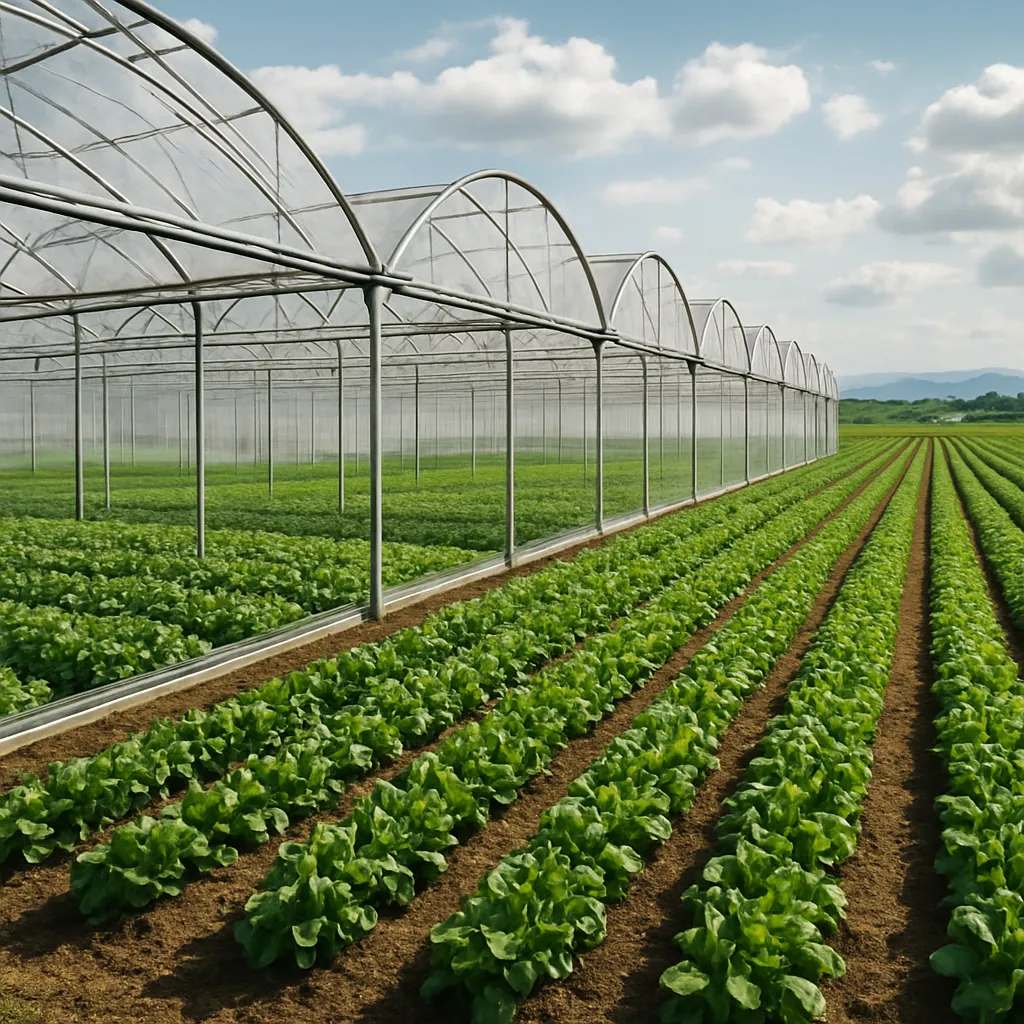
The integration of artificial intelligence into global farming practices is redefining how food is produced, distributed, and consumed. As agricultural systems adapt to growing populations and changing climates, AI-driven technologies provide unprecedented levels of precision and efficiency. From advanced data analytics to autonomous machinery, these innovations are shaping the future of agriculture across continents, enabling farmers to optimize yields, reduce waste, and promote sustainability.
Precision Farming and Data-Driven Decision Making
Precision farming harnesses the power of machine learning algorithms and real-time data to fine-tune cultivation practices at the micro level. By analyzing weather patterns, soil conditions, and crop health indicators, farmers can make informed choices on irrigation, fertilization, and pest control. This targeted approach minimizes resource usage while maximizing productivity.
Predictive Analytics for Yield Optimization
- AI models process historical yield data alongside satellite imagery to forecast harvest volumes.
- Predictive insights guide planting schedules, variety selection, and input allocation.
- Advanced neural networks adapt to regional climate variability, improving forecast accuracy.
Soil Health and Nutrient Management
Monitoring soil properties is critical for crop performance. AI-powered sensors and IoT devices measure moisture, pH levels, and nutrient composition across fields. Combined with predictive models, these tools recommend precise amounts of fertilizer, reducing runoff and environmental impact. Farmers receive alerts when nutrient deficiencies emerge, supporting timely interventions that enhance crop resilience.
Automation, Robotics, and Field Operations
Robotics and automation are transforming labor-intensive tasks into efficient, autonomous processes. Innovations in computer vision and control systems allow machines to operate safely alongside human workers, handling repetitive or physically demanding duties with consistent accuracy.
Autonomous Tractors and Harvesters
- GPS-guided tractors perform seeding, plowing, and weeding with sub-inch accuracy.
- Self-driving harvesters adjust harvesting speed and depth based on crop density data.
- Machine-to-machine communication streamlines cooperative operations, optimizing field coverage.
Drone Technology and Aerial Surveillance
Drones equipped with multispectral and thermal cameras capture high-resolution imagery that reveals plant stress, pest infestations, and water distribution patterns. AI-driven image processing identifies problem zones and generates actionable maps. This aerial perspective enables rapid response to emerging threats, enhancing overall farm productivity.
Supply Chain Optimization and Market Intelligence
Beyond the field, AI enhances the agility and transparency of food supply chains. By analyzing trade data, consumer trends, and logistical variables, farmers, distributors, and retailers can anticipate market shifts and adapt accordingly.
Demand Forecasting and Price Optimization
- Demand prediction models integrate weather forecasts, economic indicators, and social media sentiment.
- Dynamic pricing algorithms adjust rates based on predicted supply and demand fluctuations.
- Real-time dashboards offer stakeholders insights into inventory levels, reducing spoilage risks.
Traceability, Food Safety, and Quality Control
Blockchain-enabled platforms, coupled with AI verification, track produce from farm to consumer. Intelligent systems validate origin, handling conditions, and compliance with safety standards. Automated quality inspections using computer vision ensure consistency in size, color, and blemish detection, instilling consumer confidence and meeting regulatory requirements.
Environmental Impact and Resource Conservation
Sustainability is at the heart of AI-driven agriculture. By optimizing input usage and minimizing waste, these technologies contribute to climate change mitigation and biodiversity preservation.
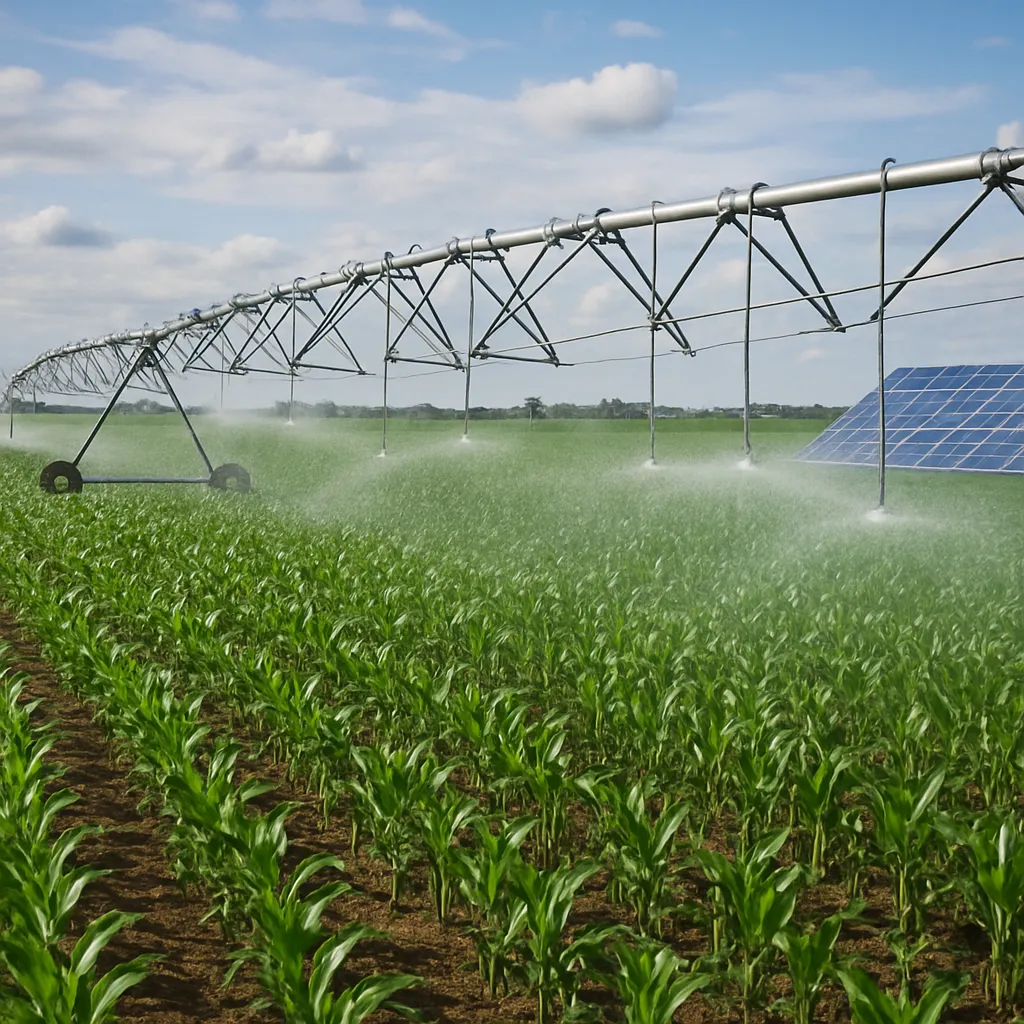
- Precision irrigation systems use AI to deliver water only where and when it’s needed, curbing water waste.
- Integrated pest management platforms predict outbreak probabilities, reducing reliance on chemical pesticides.
- Carbon footprint tracking tools calculate emissions at each production stage, guiding carbon offset strategies.
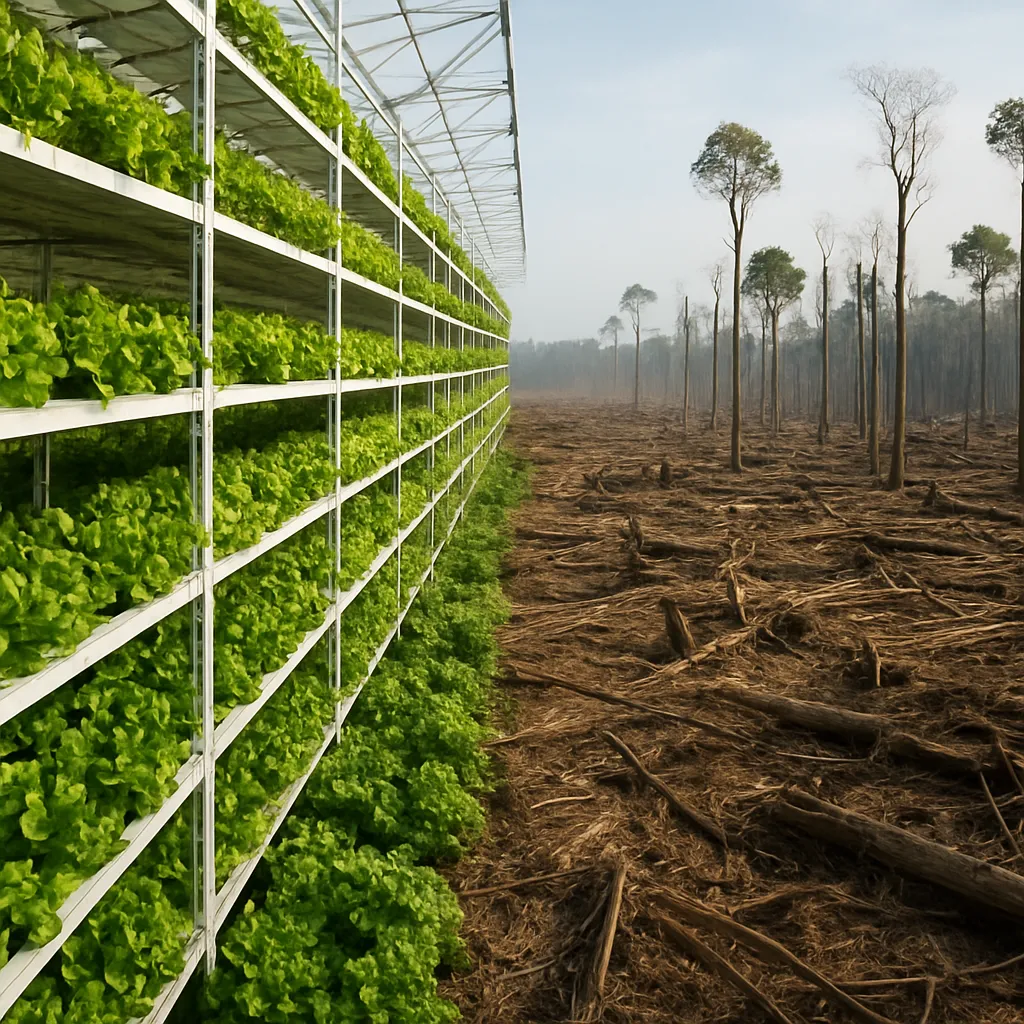
As farmland expands under pressure from population growth, AI-enabled land management tools identify underutilized parcels, promoting sustainable intensification without further deforestation.
Challenges, Ethical Considerations, and Adoption Barriers
While AI holds transformative potential, challenges remain in bridging the digital divide and ensuring equitable access. Smallholder farmers may face hurdles related to infrastructure, cost, and technical expertise. Data privacy and ownership concerns also arise when proprietary platforms collect sensitive operational information.
- Investment in rural broadband and cloud connectivity is essential for real-time data exchange.
- Collaborative extension services can train farmers in AI tool deployment and maintenance.
- Regulatory frameworks must balance innovation incentives with consumer protection and fair competition.
Emerging Trends and Future Innovations
The evolution of AI in agriculture is accelerating, with research focusing on next-generation solutions that integrate robotics, biotechnology, and advanced analytics into cohesive systems.
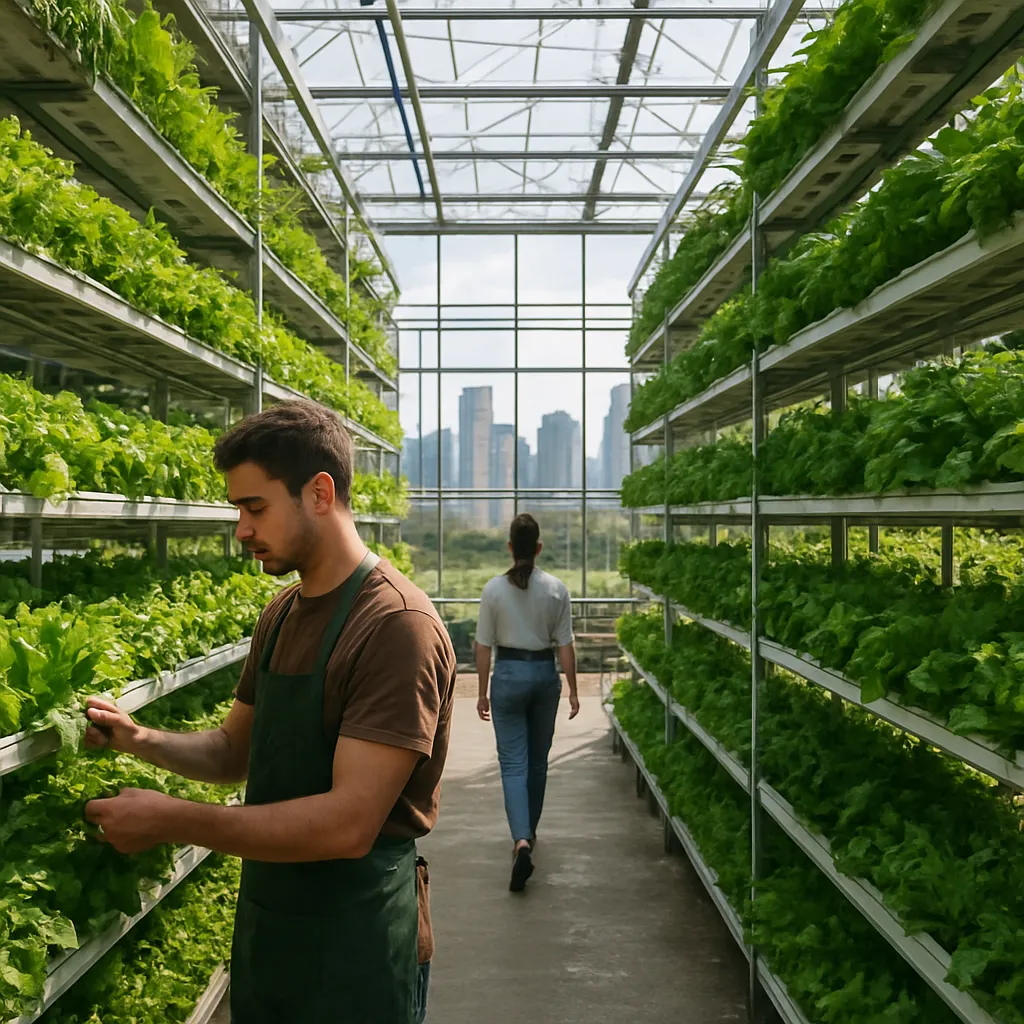
- Robotic pollinators and seeders designed to operate in greenhouses and open fields.
- AI-guided gene editing for crop varieties resilient to drought, disease, and nutrient-poor soils.
- Collaborative swarm robotics enabling fleets of autonomous machines to coordinate complex tasks.
- Edge computing devices processing data on-farm to reduce latency and dependence on centralized servers.
These innovations promise to enhance the scalability of intelligent farming, ensuring food security and resilience amid global challenges. By leveraging AI across the agricultural value chain, the sector is poised to deliver sustainable, high-quality food to a growing world population.