The Role of Agribusinesses in Shaping Global Agricultural Trends examines how large-scale enterprises influence modern farming, drive innovation, and set the stage for future developments across world farms. As these organizations expand their reach from rural communities to bustling export markets, they redefine standards of productivity, integrate cutting-edge technology, and navigate complex supply chain networks. This article explores key areas where agribusinesses shape global agriculture, the challenges they face, and the opportunities they create for farmers, consumers, and policymakers.
Influence on Farming Practices and Productivity
Agribusinesses play a pivotal role in transforming traditional farming methods into organized, efficient operations. By consolidating land, capital, and resources, these enterprises achieve economies of scale that individual farmers often cannot. Their impact spans several dimensions:
- Mechanization: Large companies invest in advanced machinery like GPS-guided tractors, automated harvesters, and drone-based field monitoring. This investment boosts yields and lowers labor costs, setting new benchmarks for productivity.
- Standardization: Uniform planting, irrigation, and fertilization protocols lead to consistent outputs. Agribusinesses establish rigorous quality control measures, ensuring crops meet both domestic and international standards.
- Training Programs: Through workshops and extension services, they disseminate best practices among smaller producers, elevating the overall skill level in rural communities.
- Capital Access: Large firms often secure low-cost financing, which enables them to invest in research and development. Their financial muscle can crowd in private equity and public funding, further accelerating sectoral growth.
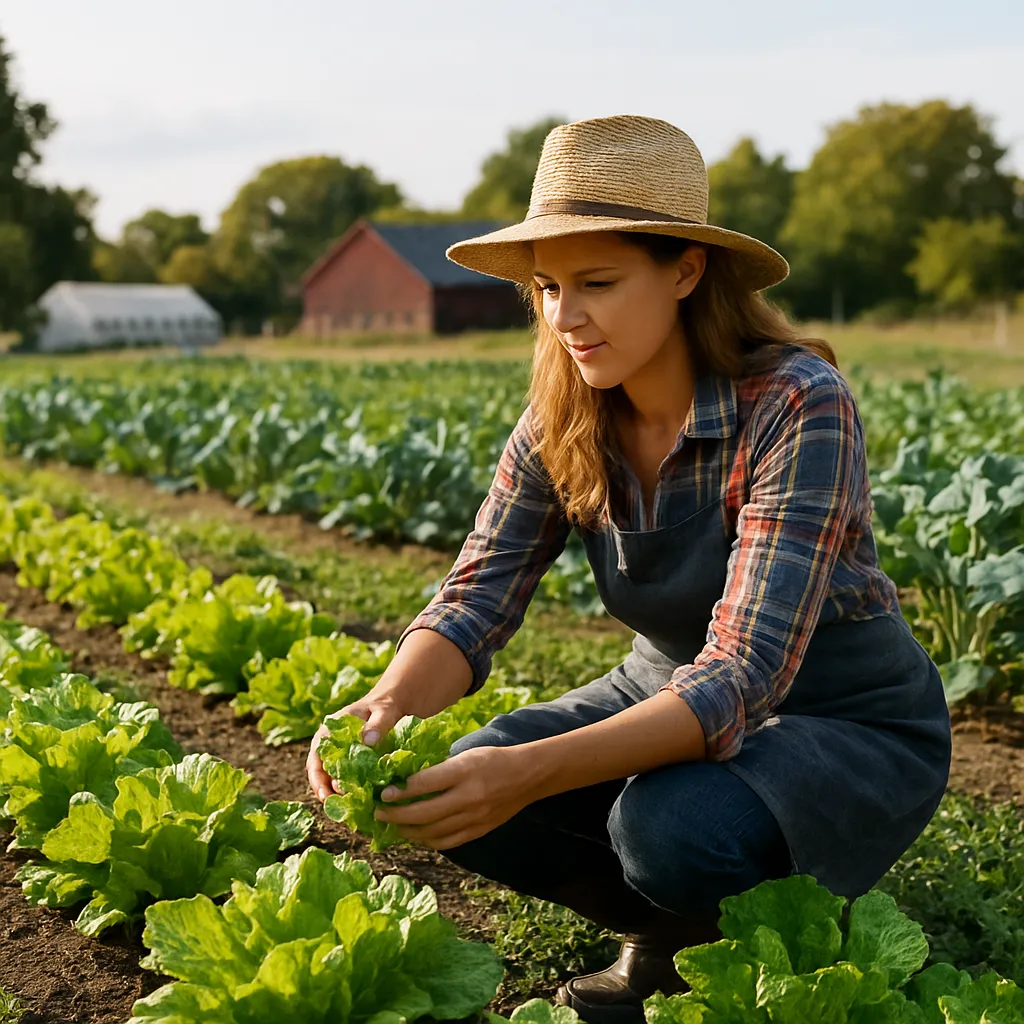
While individual smallholders contribute substantially to local food security, agribusinesses introduce cutting-edge methods that raise output per hectare, helping to meet a growing global demand for staples and specialty crops alike.
Technology and Innovation Driving Growth
The integration of high-end technology within farm operations is perhaps the most visible signature of modern agribusiness. Beyond mechanization, firms are at the forefront of pioneering digital and biological innovations that promise to reshape global agriculture.
Digital Agriculture and Data Analytics
- Precision Farming: Sensors, satellite imagery, and IoT devices gather real-time soil moisture, nutrient levels, and weather data. This enables targeted application of water, fertilizers, and agrochemicals, reducing waste and environmental impact.
- Big Data: Aggregated data from multiple farms helps predict crop performance, identify pest outbreaks, and forecast market prices. Artificial intelligence algorithms transform raw figures into actionable insights.
- Mobile Platforms: Apps connect farmers with extension agents, input suppliers, and buyers. This digital linkage empowers smallholders to adopt advanced methods and gain market intelligence.
Biotechnological Advances
- Genetically Modified Crops: Improved resistance to pests, diseases, and drought has enhanced yield stability. Companies hold intellectual property rights that govern the distribution and licensing of these seeds.
- Gene Editing: Techniques like CRISPR accelerate the development of new varieties with higher nutritional value, shorter growth cycles, and tolerance to climate stressors.
- Biofertilizers and Biopesticides: Microbial solutions reduce dependence on chemical inputs, supporting a shift towards more sustainability-focused production systems.
By embedding innovation into every stage of the crop lifecycle, agribusinesses not only optimize yields but also pave the way for more resilient and adaptive farming systems globally.
Market Dynamics, Trade, and Globalization
Agribusinesses operate across borders, navigating complex regulations, tariffs, and consumer preferences. Their ability to manage vast supply chain networks is critical to feeding a global population that continues to expand and urbanize.
- Export Hubs: Multinational firms establish processing plants and logistics centers in key regions, enabling rapid movement of grains, fruits, and processed foods to world markets.
- Vertical Integration: From seed production to retail distribution, control over multiple stages ensures quality consistency and reduces transaction costs.
- Risk Management: Futures contracts, insurance schemes, and hedging strategies protect against price volatility and weather-related losses.
- Trade Agreements: Agribusiness lobbying influences bilateral and multilateral trade deals, lowering barriers for commodities but sometimes sparking debates on fair competition and smallholder rights.
As a result of these dynamics, agribusinesses both harness and drive globalization in agriculture. While consumers enjoy year-round availability of diverse products at competitive prices, small-scale farmers may face increased competition and pressure to conform to stringent quality requirements.
Sustainability, Social Impact, and Partnerships
Balancing large-scale production with environmental stewardship and social well-being is a pressing challenge. Agribusinesses have begun to embed sustainability into their core strategies to secure long-term viability and stakeholder trust.
Environmental Initiatives
- Regenerative Agriculture: Crop rotation, cover cropping, and reduced tillage techniques restore soil health and sequester carbon.
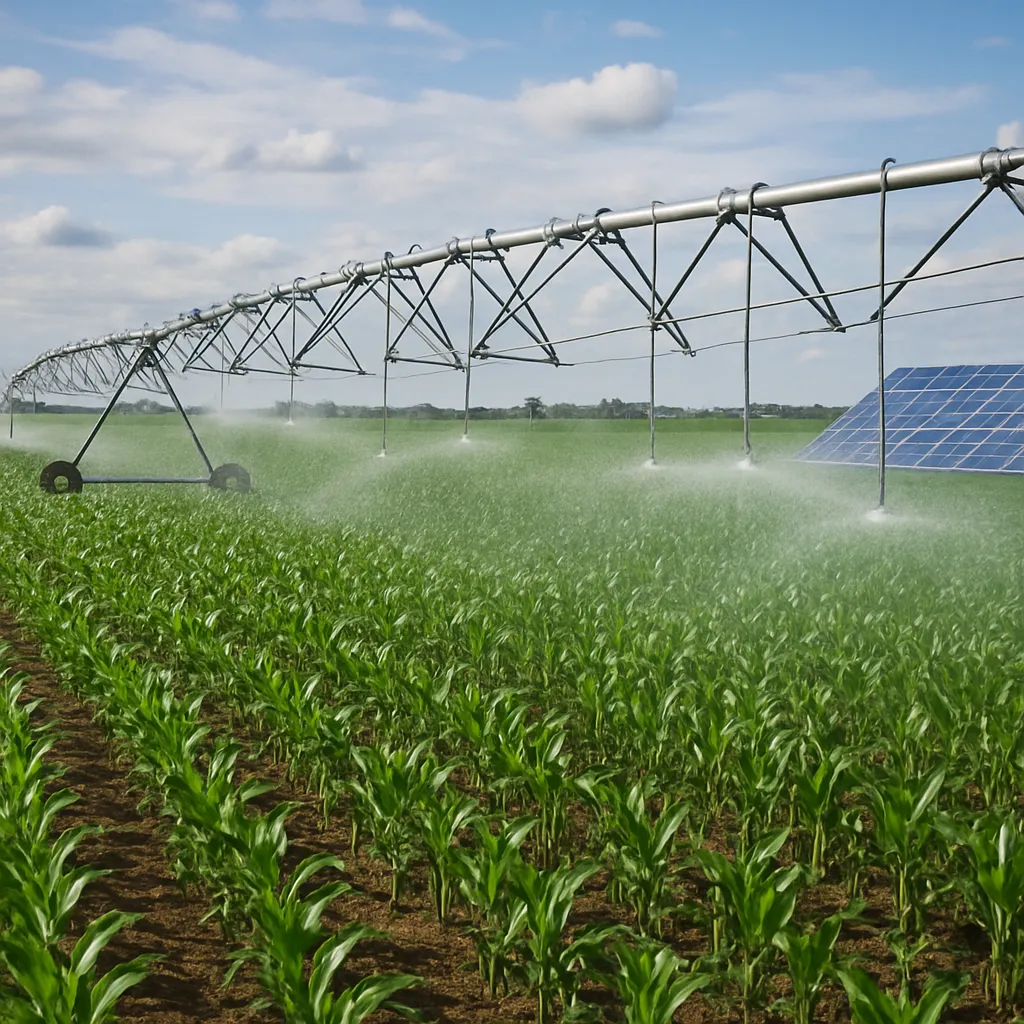
- Water Management: Advanced drip irrigation, rainwater harvesting, and wastewater recycling mitigate water scarcity and reduce runoff.
- Renewable Energy: Solar panels, wind turbines, and biogas digesters lower greenhouse gas emissions and energy costs on farm sites.
Empowering Communities
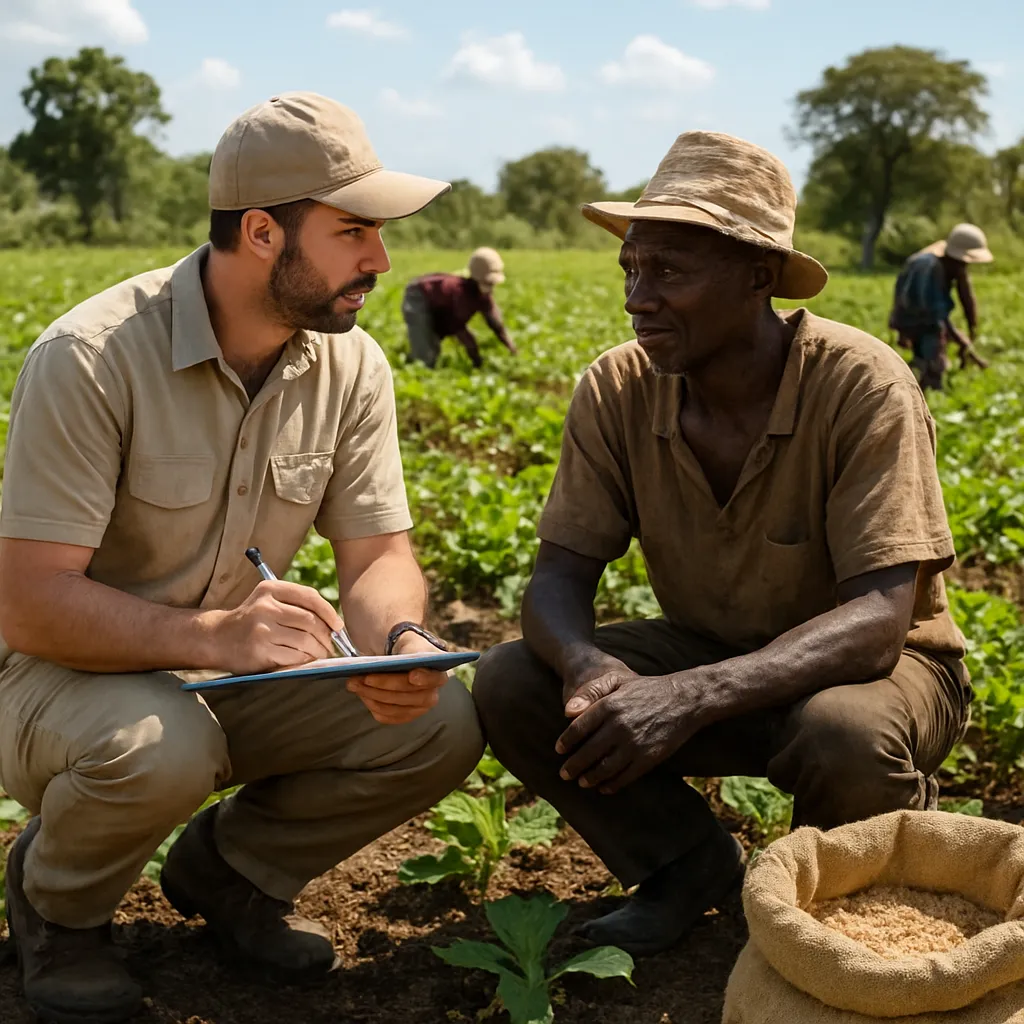
- Smallholder Integration: Contract farming models provide guaranteed off-take, technical assistance, and timely payments, helping to elevate rural incomes.
- Capacity Building: Scholarship programs, vocational training, and community projects enhance local skills and resilience.
- Fair Labor Practices: Initiatives to improve working conditions, fair wages, and gender equality address longstanding social equity concerns.
Collaborative Frameworks
Partnerships among governments, NGOs, and the private sector foster inclusive growth. Public-private alliances often focus on:
- Developing climate-smart varieties through joint research.
- Establishing market access for underserved communities.
- Implementing certification schemes for ethical and environmental standards.
Such partnerships encourage transparency and accountability, ensuring that the benefits of large-scale agribusiness activities extend across the entire value chain.
Future Outlook and Emerging Challenges
Looking ahead, agribusinesses will need to navigate a rapidly evolving landscape marked by climate change, shifting consumer preferences, and geopolitical uncertainties. Key trends include:
- Precision Livestock Farming: Automated feeding systems, health monitoring devices, and genetic selection promise to revolutionize animal husbandry.
- Alternative Proteins: Investments in plant-based and cell-cultured meats reflect growing demand for sustainable protein sources.
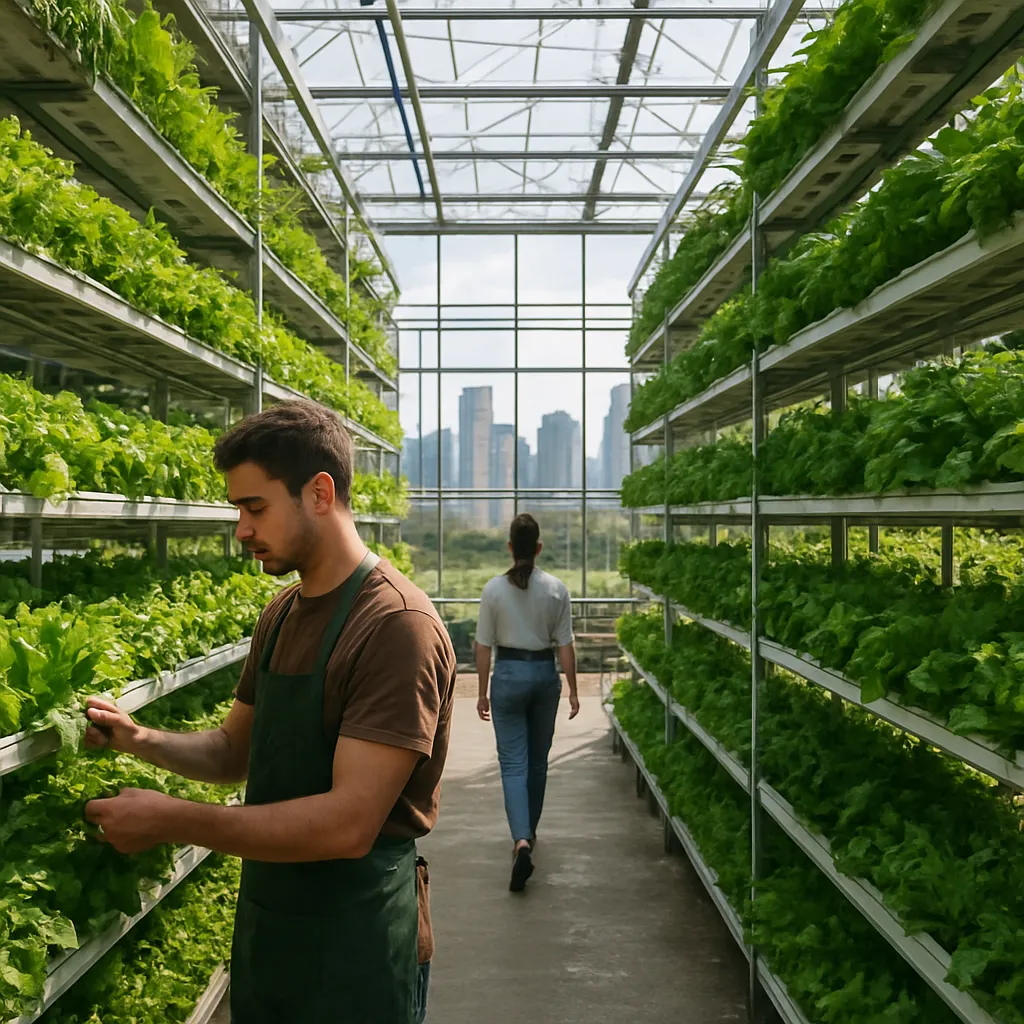
- Urban Agriculture: Vertical farms and rooftop gardens challenge conventional rural-centric models, bringing food production closer to consumers.
- Blockchain Traceability: Distributed ledger technology enhances transparency from farm gate to dinner plate, boosting food safety and consumer confidence.
Adapting to these trends will test the industry’s ability to remain resilient and responsive. Agribusinesses that can combine scale with agility, and innovation with inclusivity, will be best positioned to shape the next era of global agricultural productivity and equity.