Urban centers around the world are redefining the way we think about agriculture. Rooftop gardens, indoor greenhouse facilities, and community plots are sprouting in cities from Tokyo to New York. These developments are more than a passing trend—they represent a fundamental shift in how food is grown, distributed, and consumed. By bringing production closer to the consumer, urban farming addresses pressing challenges such as food security, environmental degradation, and social equity.
Emergence of City-Based Agriculture
The rise of urban farming has been fueled by rapid **urbanization** and the need for more resilient food systems. In megacities where traditional farmland is scarce, innovative solutions are essential. Projects range from backyard vegetable patches to large-scale commercial operations housed in former warehouses. Many stakeholders embrace **sustainability** as a guiding principle, integrating composting, rainwater harvesting, and renewable energy to minimize waste and resource use.
Across continents, different models have emerged:
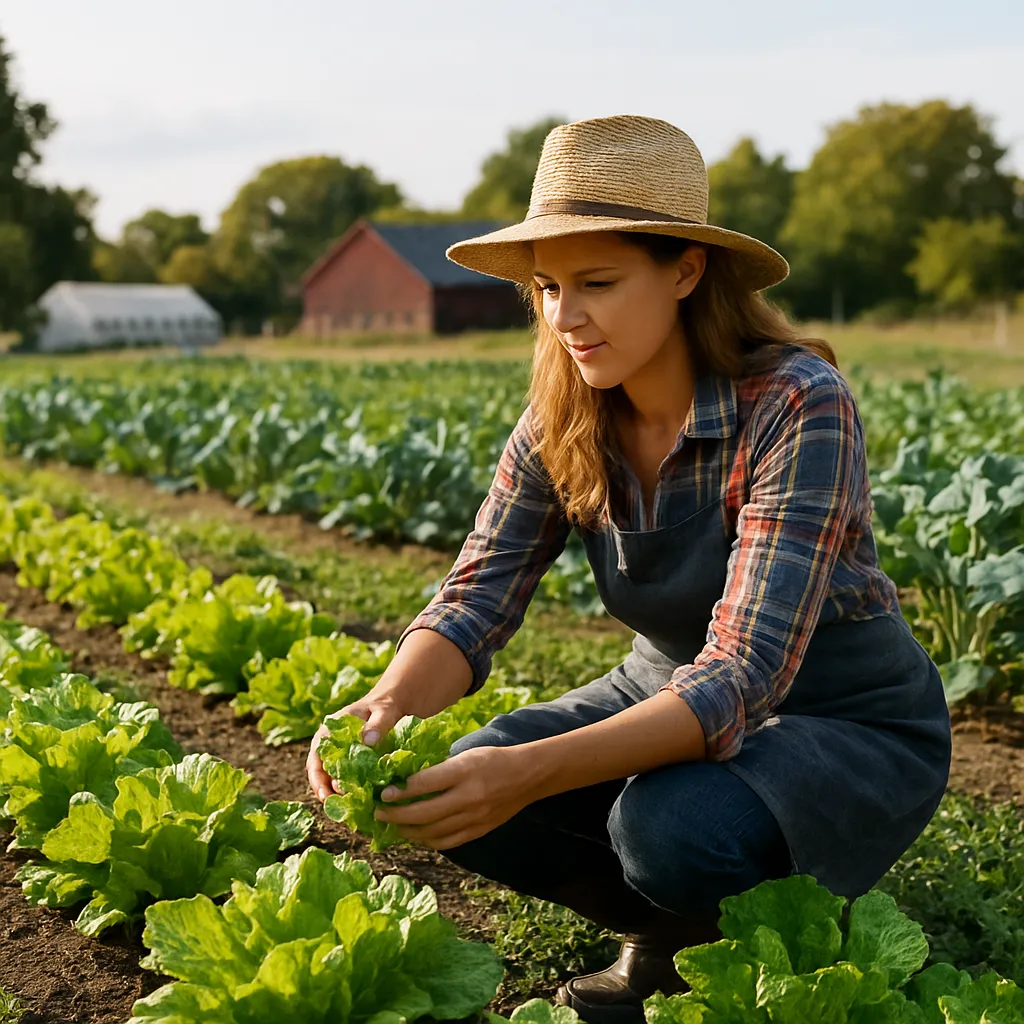
- Community gardens supported by local councils and nonprofits
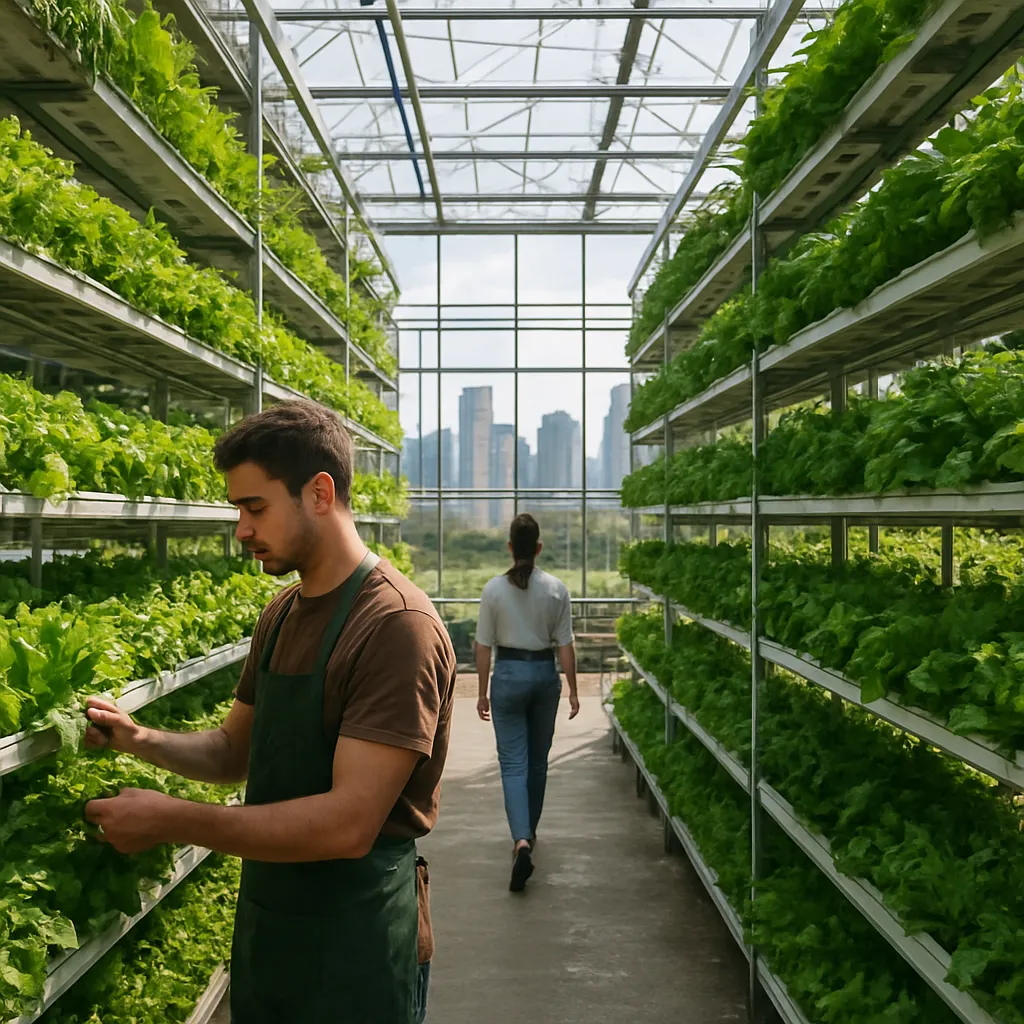
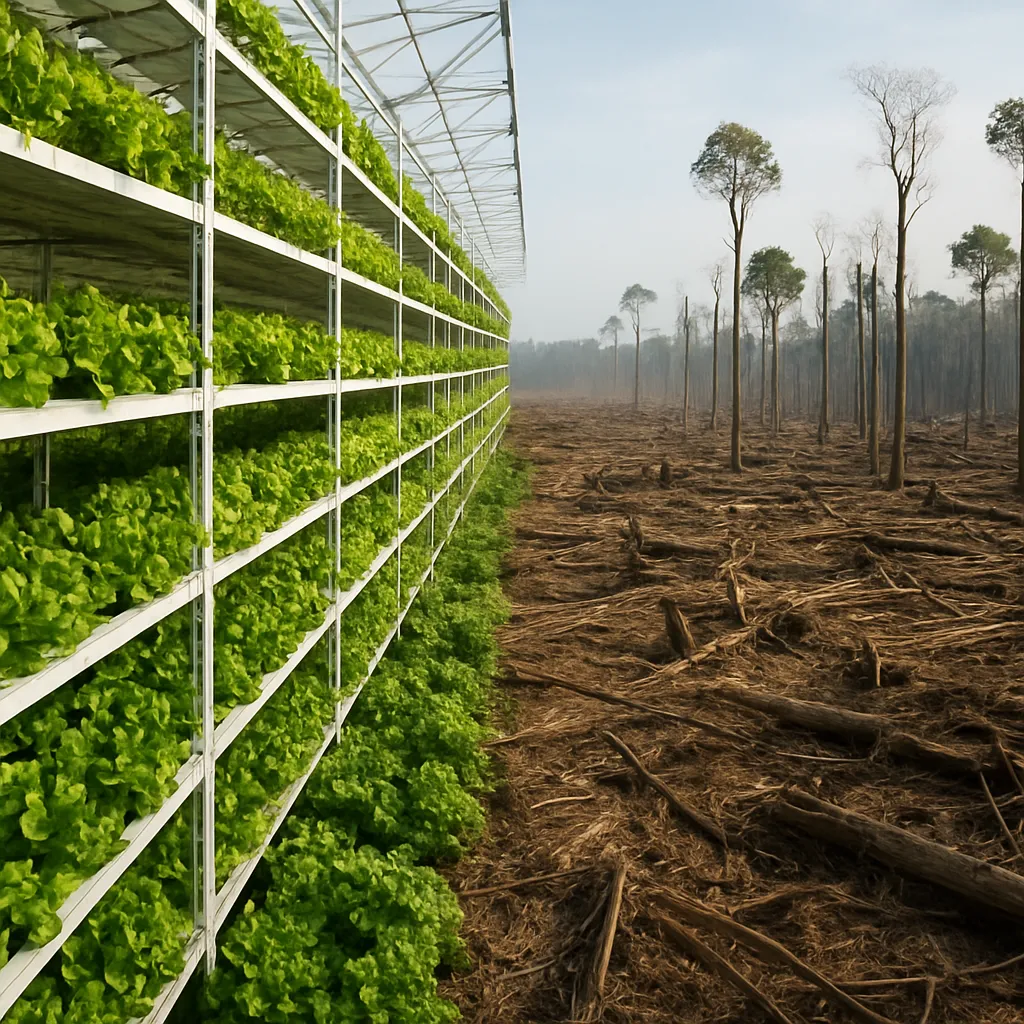
- Commercial vertical farms utilizing multi-tiered cultivation systems
- Hydroponic and aeroponics installations in skyscrapers
- Pop-up farms in shipping containers and vacant lots
This diversity underscores the **innovation** driving urban agriculture. It also highlights the adaptability of these systems, which can be customized to varying climates, resource constraints, and cultural preferences.
Innovative Technologies Transforming Urban Agriculture
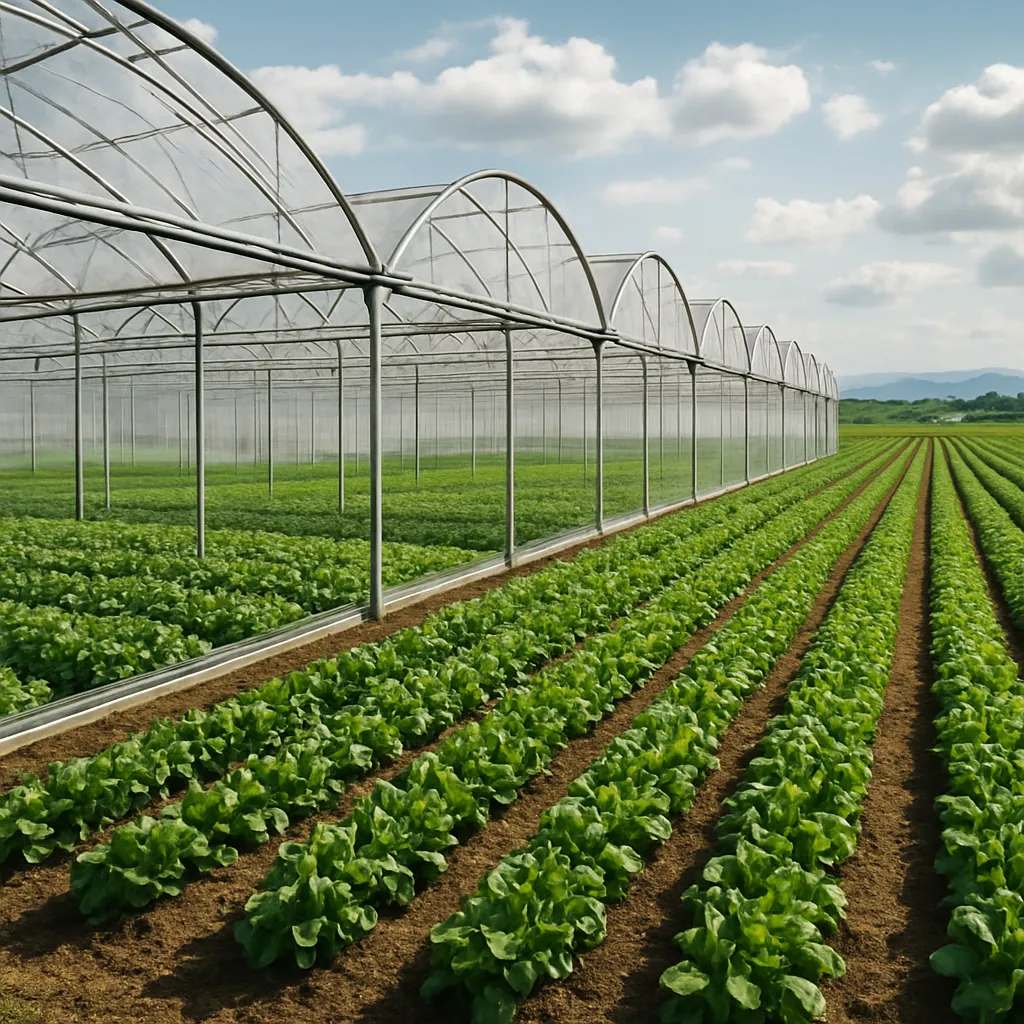
Advancements in agricultural technologies are central to the success of world farms located within city limits. Controlled environment agriculture (CEA) platforms combine smart sensors, automated climate control, and LED lighting to optimize **productivity** and conserve resources. Studies show that CEA can reduce water usage by up to 95% compared to conventional field farming.
Key technologies include:
- Hydroponics: Growing plants in nutrient-rich water rather than soil, which accelerates growth and reduces pests.
- Aeroponics: Suspending roots in air misted with nutrients, maximizing oxygen exposure and speeding up development.
- LED Lighting: Customizable light spectra that enhance photosynthesis and energy **efficiency**.
- Automation: Robotics for planting, harvesting, and monitoring plant health, reducing labor costs and human error.
- Data Analytics: Real-time monitoring systems that adjust environmental parameters for optimum yields.
By integrating these tools, urban farms can operate year-round, free from seasonal constraints. This **resilience** ensures a steady supply of fresh produce, even in the face of extreme weather events or distribution disruptions.
Economic and Environmental Benefits
Urban farming offers compelling economic advantages. Local production shortens supply chains, cutting transportation costs and reducing spoilage. Consumers can enjoy farm-fresh produce at competitive prices, while small-scale entrepreneurs find opportunities in city markets. Some municipalities provide incentives, such as tax breaks or grants, to encourage the conversion of underutilized urban spaces into productive green areas.
On the environmental front, the impact is equally significant. Key benefits include:
- Reduced carbon footprint thanks to lower food miles
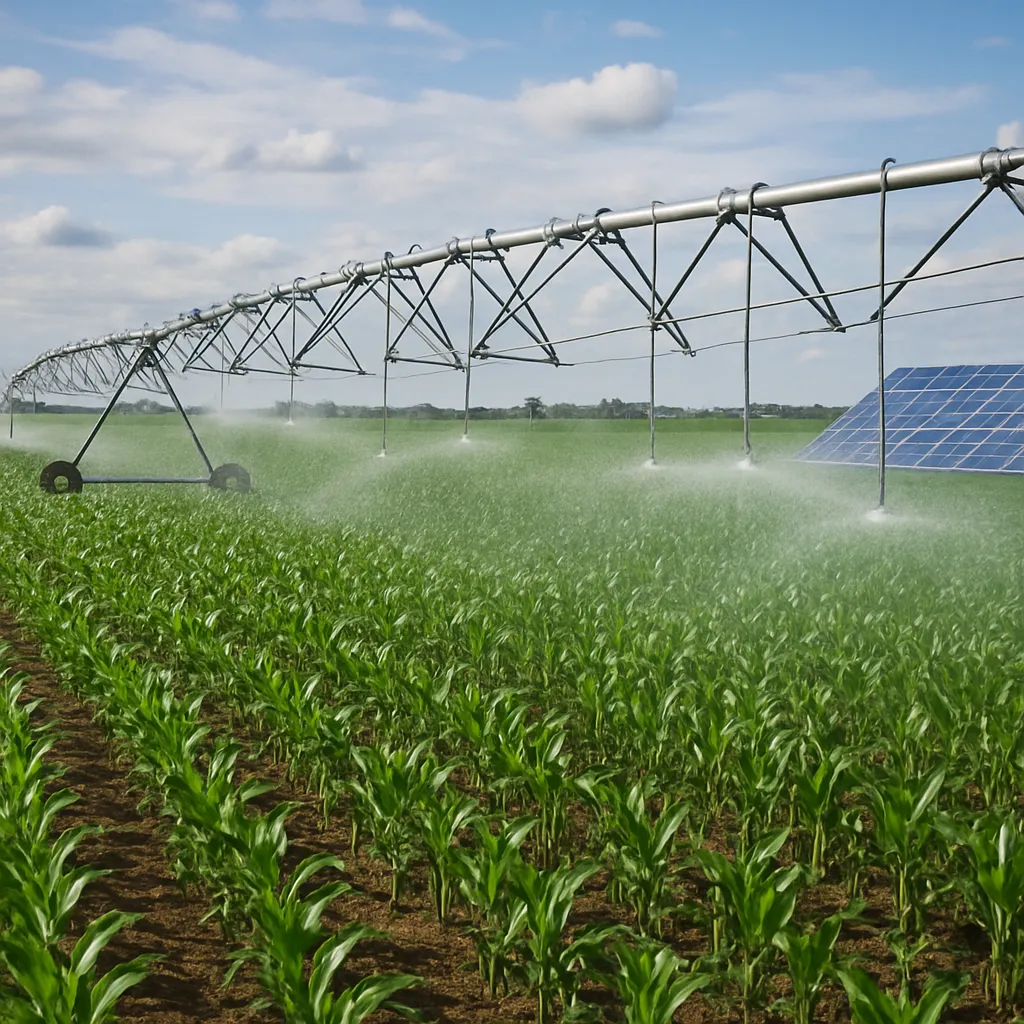
- Lower water consumption through closed-loop irrigation systems
- Improved air quality via additional urban vegetation
- Enhanced biodiversity when native plants and pollinator habitats are included
Moreover, by treating waste streams as resources—composting organic matter and repurposing greywater—urban farms embody a circular economy approach. This shift fosters a more **sustainable** relationship between cities and their food supply.
Community Engagement and Social Impact
Urban agriculture is not solely about technology and yields; it also emphasizes **collaboration** and community development. Neighborhood gardens serve as educational hubs where residents learn about nutrition, gardening skills, and environmental stewardship. These spaces often foster social cohesion, offering volunteer opportunities and communal events.
Youth programs incorporated into urban farms teach children about healthy eating and the origins of their food. Immigrant communities, in particular, use these gardens to cultivate culturally significant crops, maintaining traditions while adapting to city life. Through these initiatives, urban farming strengthens social bonds and promotes equity by granting access to fresh produce in underserved areas.
Universities and research institutions play a vital role, conducting field trials and sharing best practices with practitioners. The synergy between academia, industry, and community groups accelerates knowledge transfer and drives continuous **innovation**.
Global Perspectives and Future Directions
Urban agriculture is a worldwide phenomenon, with models varying by region. In Scandinavia, closed-loop greenhouses harness geothermal energy. In Africa, rooftop gardens address food shortages in rapidly expanding urban slums. Latin American cities experiment with floating farms in flood-prone areas. Each locale adapts the core principles of urban farming—proximity, resource efficiency, and community empowerment—to local challenges.
Looking ahead, the integration of artificial intelligence and machine learning promises to further boost **efficiency**. Predictive analytics can forecast crop yields and detect diseases before they spread. Blockchain technology is also being explored to ensure transparent supply chains and fair compensation for small-scale producers.
As cities grow, the demand for innovative farming solutions will only intensify. Urban agriculture holds the potential to transform food systems, making them more **resilient**, equitable, and environmentally sound. By embracing these practices, urban centers can secure a healthier and more sustainable future for generations to come.