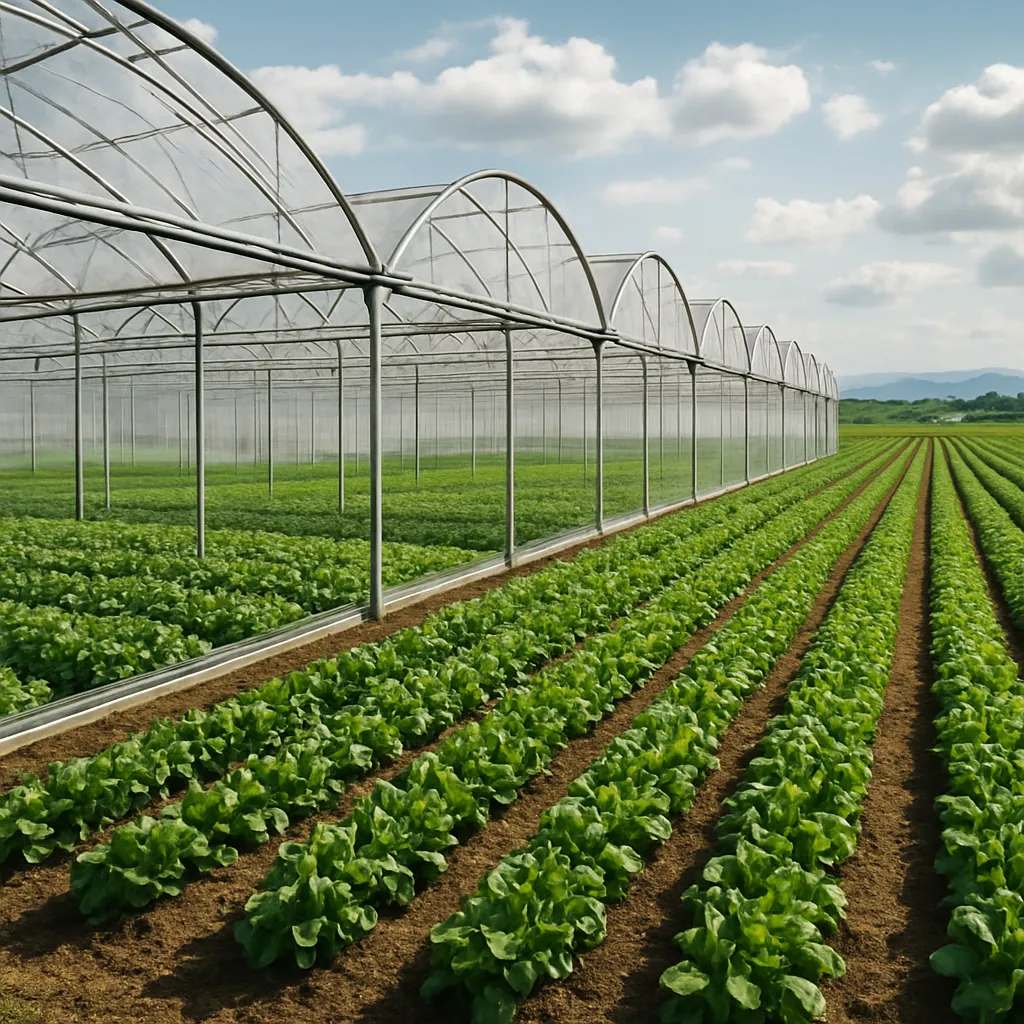
Global agriculture has undergone a remarkable transformation in recent years, driven by the proliferation of mobile farming applications that promise to revolutionize how farmers manage their lands and resources. From smallholder plots in sub-Saharan Africa to expansive estates in North America, these tools are redefining best practices in crop production, livestock monitoring, and resource allocation. As stakeholders across the agricultural value chain embrace this digital wave, traditional challenges are met with innovative solutions, fostering greater productivity and resilience in a sector critical to world food security.
Emergence of Mobile Farming Applications
The launch of smartphone apps tailored to agronomic needs marked a watershed moment in agricultural history. What began as simple weather-forecasting tools has evolved into comprehensive platforms offering soil analysis, market price tracking, and remote equipment control. Key factors accelerating this rise include:
- Proliferation of affordable smartphones in rural areas
- Improved mobile network connectivity even in remote regions
- Integration of satellite imagery and IoT sensor data
- Open-source frameworks enabling rapid innovation by global developer communities
This fusion of ground-level knowledge and cutting-edge technology propels farmers toward more data-driven decisions. Instead of relying on generational wisdom alone, they gain real-time insights into crop health and market trends, bridging the traditional–modern divide.
Integration of Advanced Technologies in Agriculture
Precision Agriculture Tools
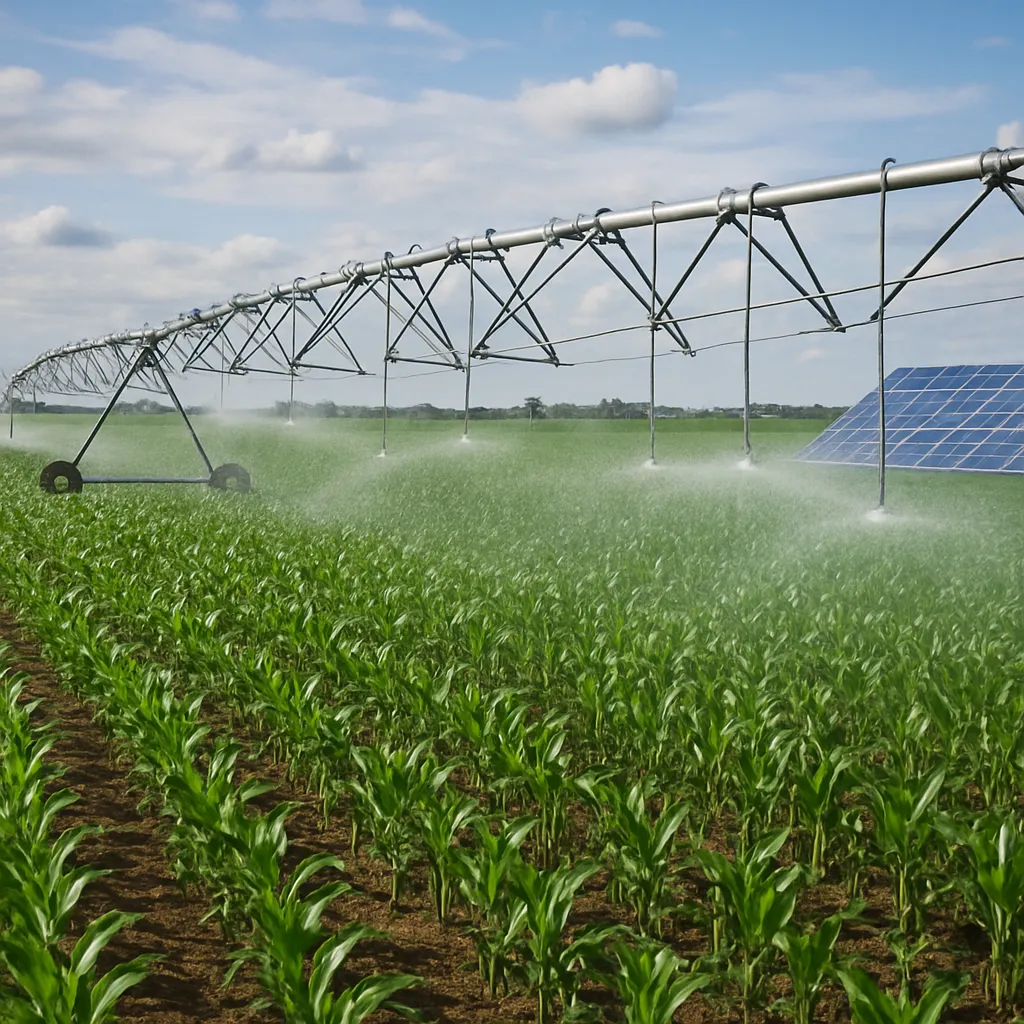
One of the standout features in modern farming apps is their support for precision agriculture. By leveraging GPS-guided tractors, drone imagery, and sensor networks, these platforms enable farmers to:
- Apply fertilizers and pesticides at variable rates across fields
- Detect nutrient deficiencies through multispectral imaging
- Monitor soil moisture and deploy targeted irrigation
Such high-resolution data translates into optimized input usage, reduced environmental impact, and ultimately a higher yield.
Data Analytics and Decision Support
Modern farming apps often incorporate robust analytics engines. Machine learning models sift through historical weather data, soil samples, and crop performance records to forecast:
- Optimal planting and harvesting windows
- Risk assessments for pests and diseases
- Likely market prices for different commodities
By offering predictive insights, these tools shift the paradigm from reactive to proactive management, equipping farmers with a competitive edge in volatile markets.
Global Impact on Productivity and Sustainability
The widespread adoption of mobile farming solutions is reshaping rural communities and national agricultural outputs. Several impacts stand out:
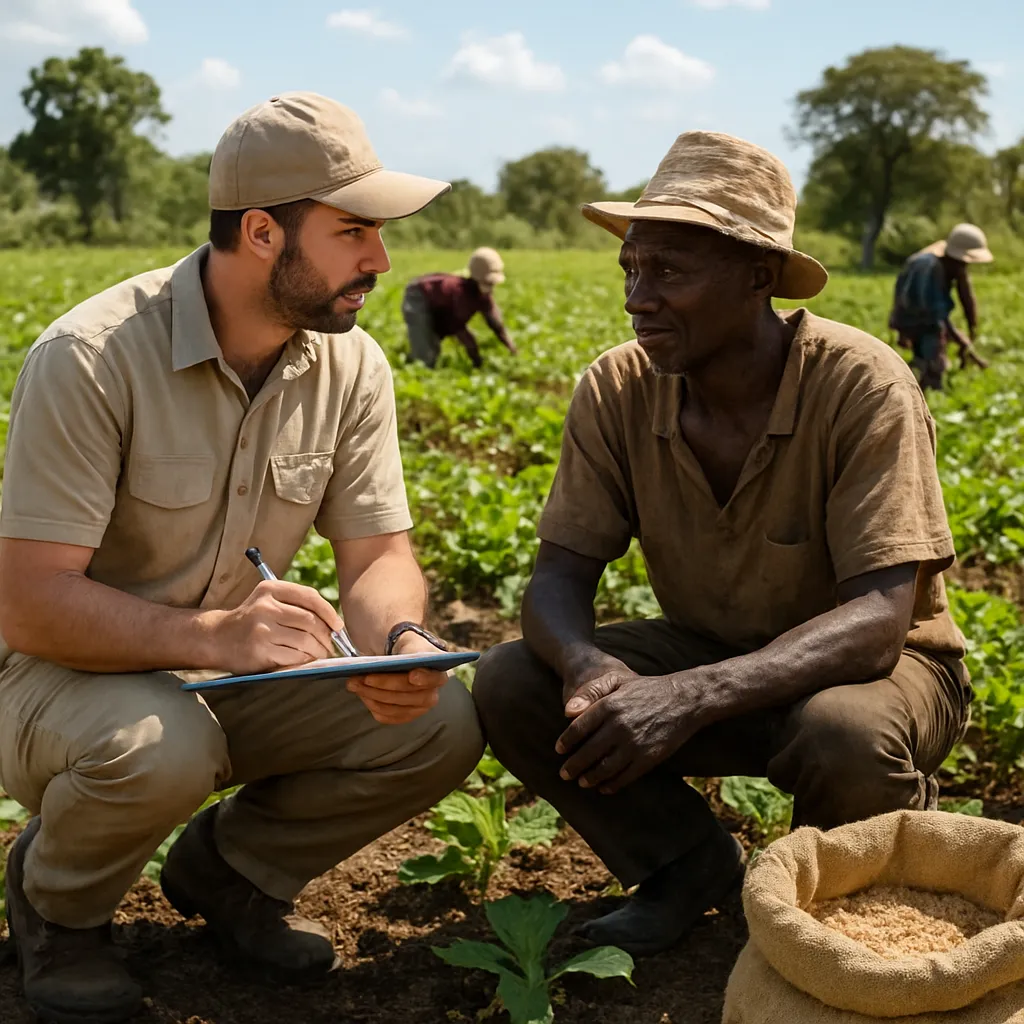
- Empowerment of smallholder farmers through access to market information and extension services
- Reduction of post-harvest losses via better logistics coordination
- Promotion of sustainability through precision input application and resource monitoring
- Improvement in farm labor efficiency via task scheduling and workforce management modules
Case studies from India’s rice belts show yield improvements of up to 20% when farmers adopt app-driven recommendations. In East Africa, community-led digital cooperatives provide real-time price comparisons, enabling producers to negotiate better deals and avoid middlemen exploitation.
Environmental and Social Dimensions
From an environmental perspective, targeted resource usage curbs overwatering and chemical runoff, contributing to healthier soils and waterways. Socially, mobile apps foster knowledge sharing among peer networks, strengthening communal ties and collective bargaining power.
Challenges and Future Outlook
Despite these advances, mobile farming apps face hurdles that must be addressed to ensure equitable benefits worldwide.
- Adaptation challenges among older farmers resistant to new technology
- Data privacy concerns as platforms aggregate sensitive farm-level information
- Variability in regulatory frameworks governing digital agriculture across countries
- Infrastructure gaps, particularly unreliable power and internet access in some rural areas
To overcome these barriers, stakeholders are exploring innovative approaches. Governments and NGOs deploy digital literacy campaigns, while private firms develop offline-capable app versions. Collaborative efforts aim to create standardized data protocols, ensuring interoperability and user trust.
Looking Ahead
The future of mobile farming apps is inextricably linked to advances in artificial intelligence, blockchain for supply chain transparency, and next-generation connectivity such as 5G. As these technologies mature, platforms will offer:
- Full end-to-end traceability from seed to supermarket shelf
- Autonomous equipment coordination via edge-computing networks
- Real-time carbon footprint tracking for sustainable certification
- Scalable models that adjust functionalities based on farm size and crop type
Ultimately, the ongoing digital revolution holds enormous promise for driving resilience in global agriculture while addressing mounting challenges posed by climate change and population growth. By continuing to refine these tools and democratize access, the agricultural sector can deliver food security and prosperity for communities around the world.