The Rise of Aquaponics and Its Global Impact explores a rapidly expanding agricultural method that combines aquaculture with hydroponics to create a mutually beneficial environment for fish and plants. This approach addresses pressing concerns about dwindling natural resources by enabling intensive production on limited land. With growing urban populations and fluctuating climate patterns, aquaponics offers a pathway toward more resilient and decentralized food systems. Stakeholders around the world, from smallholder farmers to large-scale enterprises, are now experimenting with and implementing these systems, driven by the promise of higher yields and reduced environmental footprints.
Unlike traditional farming, aquaponics leverages a closed-loop system where fish waste is converted by beneficial bacteria into plant-available nutrients. Plants, in turn, filter and purify the water, which is recirculated back to the fish tanks. This circular approach not only minimizes water consumption but also drastically reduces the need for synthetic fertilizers and chemical pesticides. As governments, NGOs, and entrepreneurs seek solutions for increasing food production sustainably, aquaponics has emerged as a compelling case study in transforming agricultural practices.
From innovative greenhouse setups in Scandinavia to community-led rooftop farms in Southeast Asia, the adoption of aquaponics spans continents. It integrates cutting-edge monitoring tools, adaptive designs, and local cultural practices, showcasing how technology and tradition can merge to create productive and sustainable systems. In the following sections, we delve into the underlying principles, technological advancements, regional implementations, and future outlook of aquaponics on the global stage.
Background and Principles of Aquaponics
Aquaponics centers on symbiosis. At its core, fish produce ammonia through excretion. Specialized bacteria convert ammonia first into nitrites, then into nitrates—an essential nutrient for plant growth. Through this process, the water becomes a rich solution that sustains a wide variety of vegetable and herb species. This biological cycle removes the need for frequent water replacement, illustrating remarkable efficiency in resource utilization.
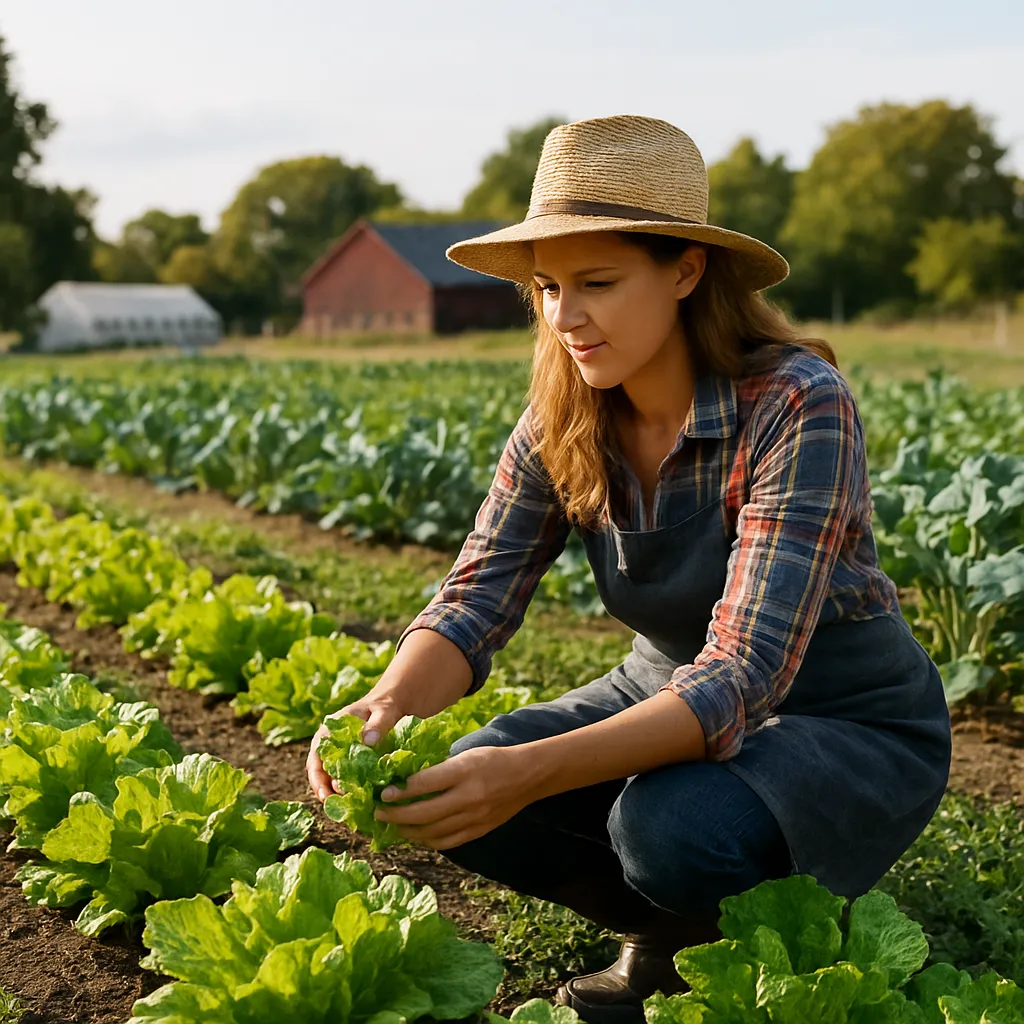
Since its inception in the 1970s, aquaponics has drawn from two established practices: hydroponics and aquaculture. Hydroponics focuses on soilless plant cultivation in water, while aquaculture involves the breeding and raising of aquatic organisms. Combining the two yields synergistic benefits, with each component reinforcing the other. This integration transforms waste streams into a productive growth medium and can achieve plant yields up to three times higher than conventional soil farming.
Key to this synergy are biofilters that house beneficial bacteria. These bacteria establish colonies on media such as gravel, clay pebbles, or specialized foam, facilitating the critical nitrification steps. Operators must monitor pH, temperature, and nutrient concentrations to maintain balanced ecosystems. With proper management, systems can remain stable for years, offering both consistent yields and predictable operating costs.
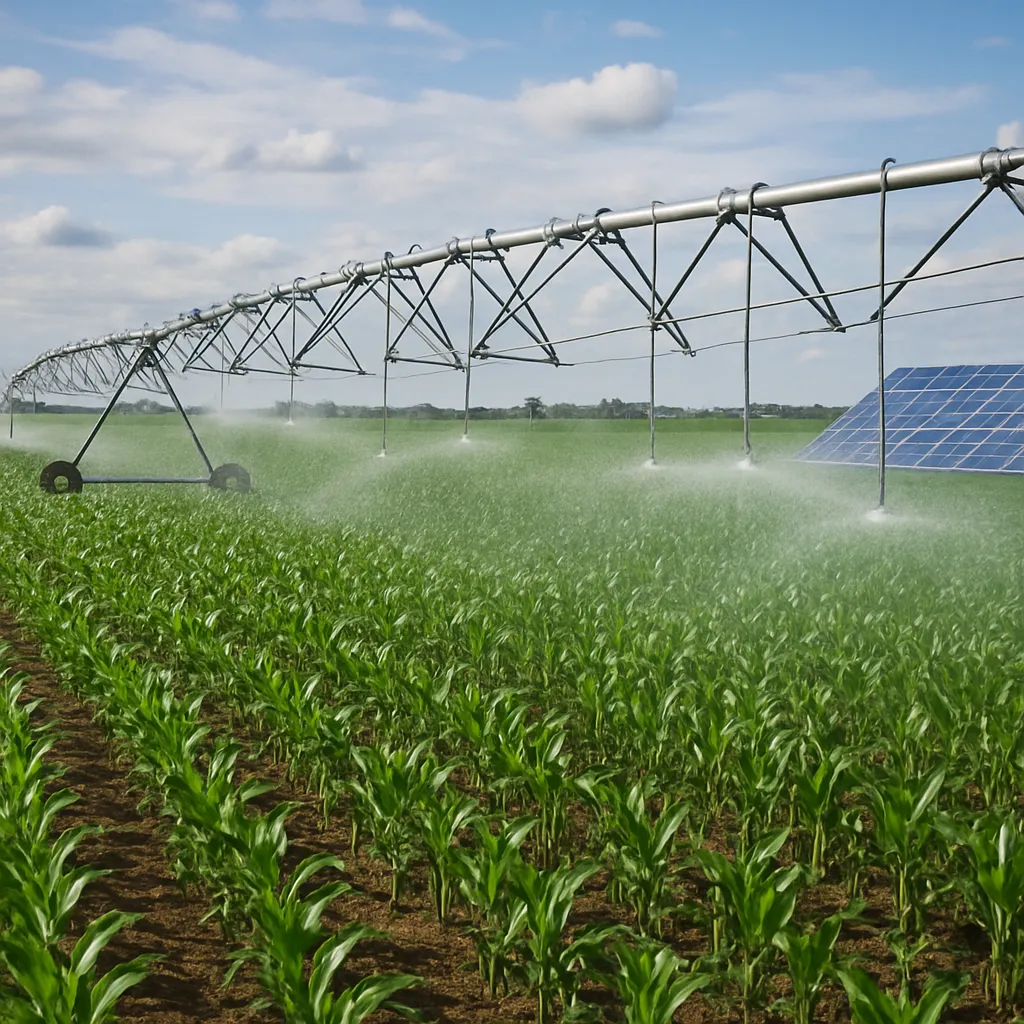
Water usage in aquaponics is often cited as one of its greatest advantages. Far less water evaporates compared to open-field irrigation, and minimal water is lost through drainage or absorption. In arid regions or places facing severe drought, such as parts of Australia and California, aquaponics gardens have demonstrated the capacity to produce fresh vegetables and fish with as little as ten percent of the water required by conventional agriculture.
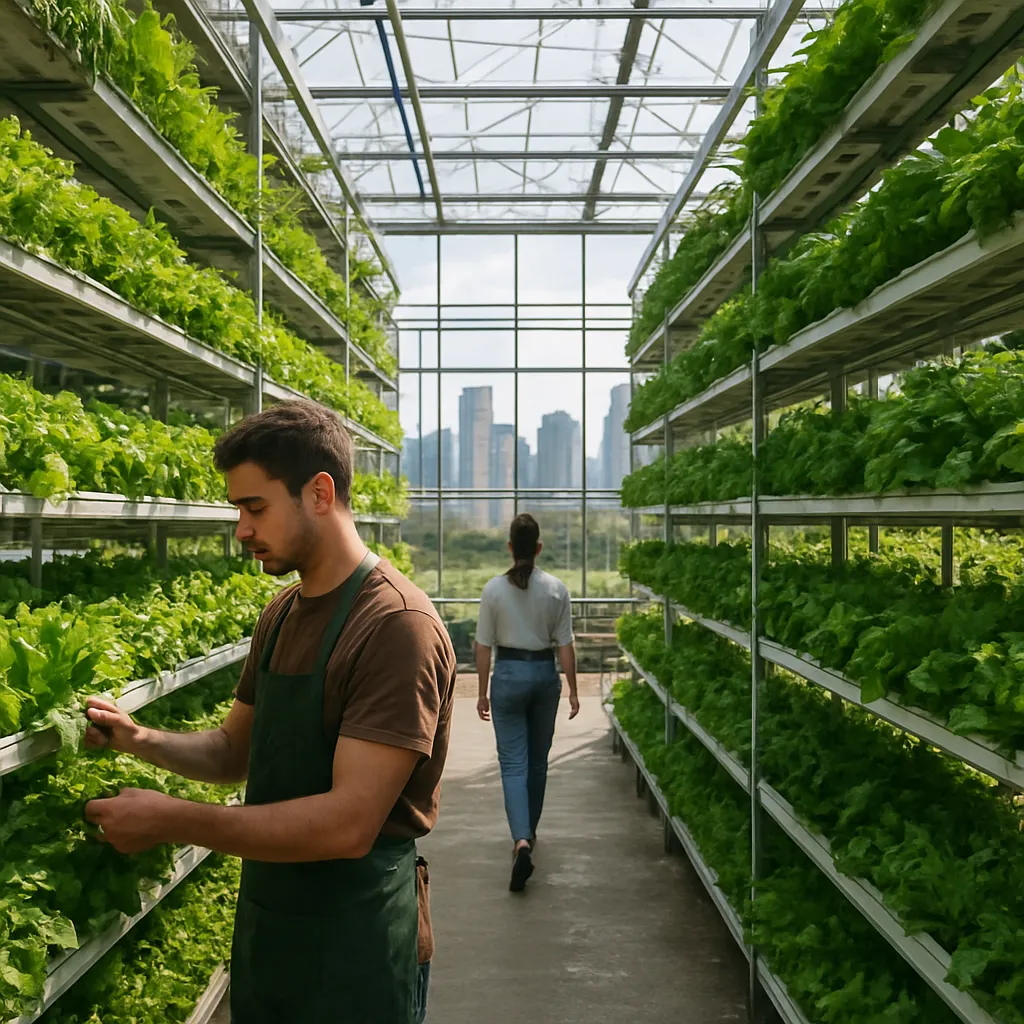
From community gardens to commercial farms, aquaponics appeals to diverse stakeholders. Urban residents appreciate the systems’ scalability and ability to operate on rooftops, balconies, or unused warehouse spaces. Rural farmers adopt larger installations to diversify income streams, sell premium produce, or augment local food supplies. This versatility underpins aquaponics’ rise as a key component in global discussions on sustainable food production.
Technological Innovations and System Design
Modern aquaponic setups incorporate a suite of innovative technologies to optimize performance. Sensors track water quality parameters—dissolved oxygen, ammonia, nitrite, and pH—while automated pumps and valves regulate flow rates. Grow lights with adjustable spectrums enable year-round production in regions with limited sunlight. Such advancements have reduced the labor intensity of legacy systems, making aquaponics increasingly viable for commercial viability.
Researchers have explored various system architectures, including media-based beds, nutrient film technique (NFT), and deep water culture (DWC). Each configuration presents trade-offs between capital costs, maintenance complexity, and footprint. For instance, media-based beds are lauded for their simplicity and robustness but require more physical space. Conversely, NFT channels and raft systems maximize planting density but demand precise control of water flow and nutrient delivery.
Beyond system type, innovations in renewable energy integration are gaining traction. Solar panels, wind turbines, and biogas generators can power pumps, aerators, and lighting, further reducing operational carbon footprints. In some pilot projects, excess biogas generated from decomposed organic matter feeds an internal power grid, enhancing farm resilience during grid outages or fuel shortages.
Automation extends to data analytics platforms, where machine learning algorithms predict nutrient imbalances or disease outbreaks before visible symptoms appear. Early warning systems, combined with remote monitoring apps, allow farmers to adjust conditions in real time, even from thousands of miles away. This digital transformation not only boosts efficiency but also democratizes knowledge, as operators share insights through online forums and open-source repositories.
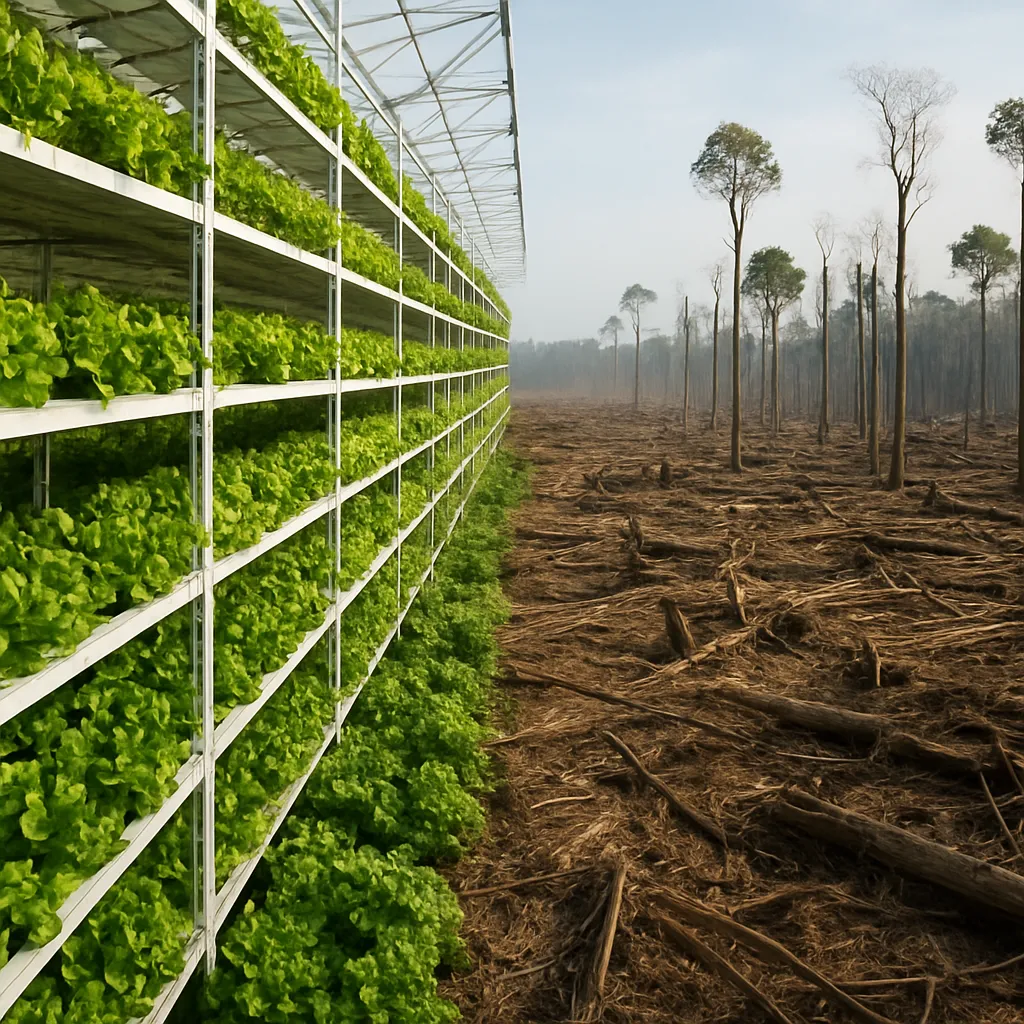
Designers also experiment with modular units that can be stacked vertically, enabling multi-story installations in warehouses or shipping containers. Vertical farms harness technology to reduce land requirements by up to 90 percent compared with conventional methods. Such innovations pave the way for future urban food hubs that supply fresh produce and fish within city limits, drastically cutting transportation emissions and spoilage.
Global Adoption and Regional Case Studies
In North America and Europe, interest in aquaponics has surged among hobbyists, community groups, and entrepreneurs. Community-supported agriculture (CSA) initiatives in the United States now include aquaponically grown lettuce, tomatoes, and tilapia. Local chefs prize the freshness and flavor profiles, creating a premium market niche that supports higher price points.
In South America, nations like Brazil and Colombia deploy aquaponic systems in rural and peri-urban communities. Projects funded by international development agencies focus on enhancing food security and boosting nutritional outcomes. By training local farmers on system construction and maintenance, these programs foster economic self-reliance and skill development.
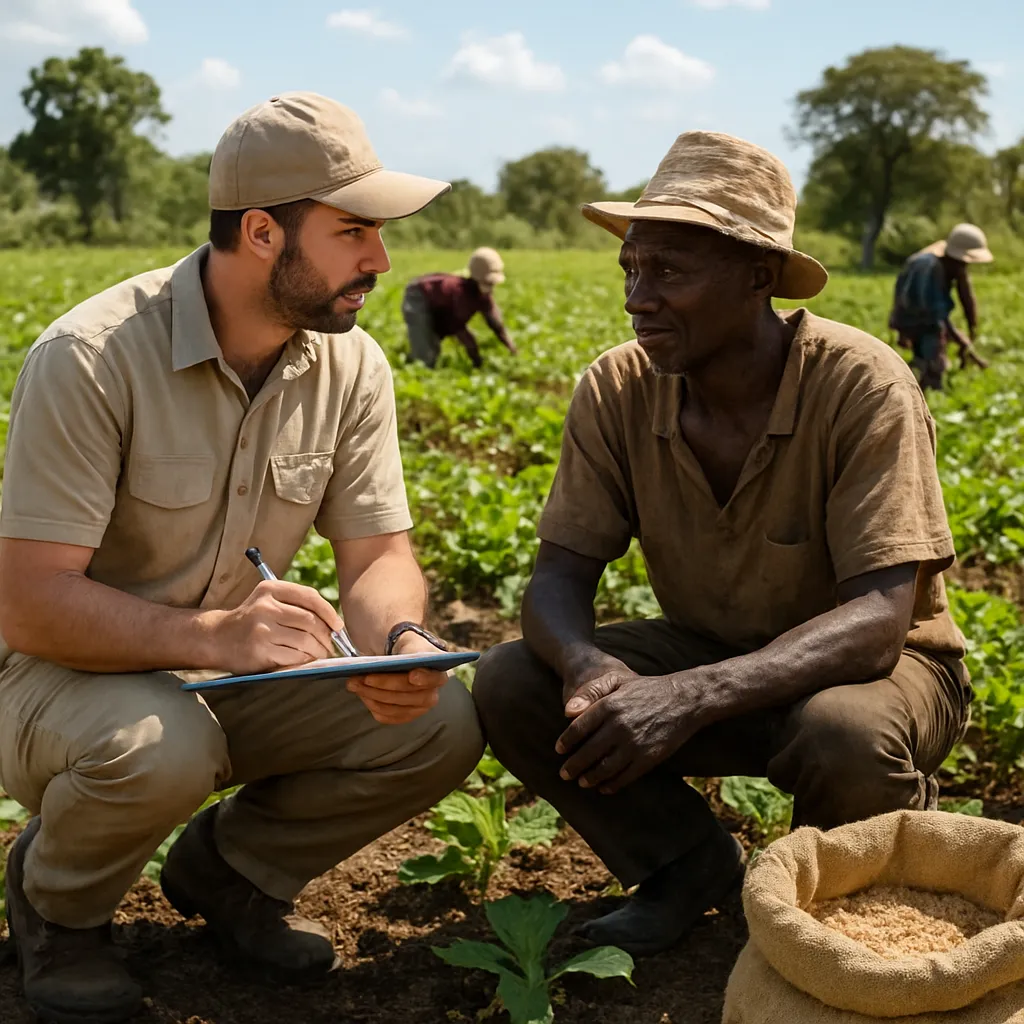
Sub-Saharan Africa presents unique challenges, including limited access to equipment and technical expertise. Nevertheless, grassroots initiatives in Ghana and Kenya have demonstrated how low-cost materials—such as recycled plastic barrels and local gravel—can form the basis for functional setups. These projects underscore aquaponics’ adaptability to different resource environments, promoting both sustainability and entrepreneurship.
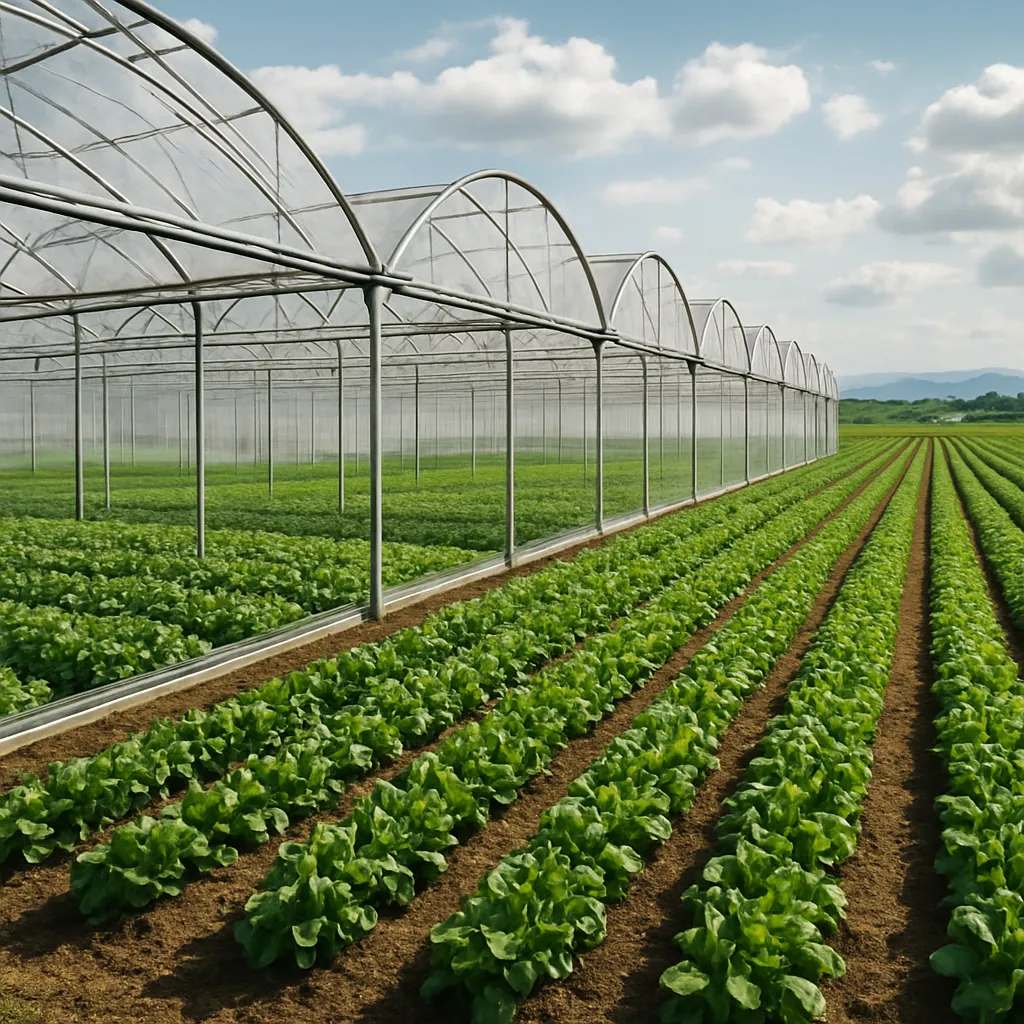
In Asia, aquaponics aligns with centuries-old traditions of rice-fish cultivation, especially in nations like China and Vietnam. By integrating modern greenhouse technologies, farmers have achieved substantial yield increases in leafy greens and freshwater fish species. Urban trials in Singapore and Tokyo employ aquaponics as a means to offset limited arable land and import dependency.
Australia’s pioneering research institutions conduct large-scale trials in desert climates, combining aquaponics with desalination and solar energy. These integrated systems test the feasibility of nutrient recycling on an industrial scale. Preliminary results show promising reductions in both energy use and freshwater demand, offering a blueprint for arid regions facing climate-driven water scarcity.
Challenges and Future Prospects
Despite its advantages, aquaponics faces obstacles that hinder widespread adoption. Initial capital costs for pumps, tanks, and monitoring equipment can be steep. Additionally, technical know-how is required to maintain the delicate balance of microbial populations and water chemistry. Training programs and knowledge-sharing networks are essential to equip farmers and entrepreneurs with the necessary skills.
Economic viability often hinges on market access and consumer education. Many consumers remain unfamiliar with fresh, locally raised fish and greens. Marketing efforts and certification schemes can help build trust, highlighting aquaponics’ eco-friendly credentials and traceability. In regions with underdeveloped cold chains, direct-to-consumer sales through farmers’ markets and online platforms offer viable pathways.
Regulatory frameworks also need to evolve. In some countries, aquaponic operations face inconsistent classifications, being labeled either as agriculture or aquaculture. This ambiguity affects licensing, inspections, and eligibility for government subsidies. Policymakers can support the sector by creating clear guidelines that recognize the unique nature of aquaponics.
Looking ahead, emerging technologies such as artificial intelligence, advanced sensors, and genetic selection of fish and plant varieties promise to enhance system performance. Collaborative research between universities, industry, and governmental bodies will drive breakthroughs in disease resistance, nutrient uptake, and automation. As systems become more sophisticated and accessible, aquaponics is poised to play a vital role in the transformation of global agriculture.
The journey toward a more sustainable, efficient, and global food network hinges on continued innovation, investment, and community engagement. Aquaponics exemplifies how combining biology with engineering can yield robust solutions that meet the demands of a growing population while preserving the planet’s natural resources. Its rise signals a paradigm shift in the way humanity produces and consumes food, offering hope for a more secure and nourishing future.