The rise of industrialized livestock production has scrutinized global food systems. This model, characterized by high-density animal housing and mechanized processes, revolutionizes sustainability and efficiency metrics across continents. Yet, it also triggers profound discussions on ethics, environment, and human health. In this comprehensive overview, we examine the origins, merits, drawbacks, and future pathways of factory farming from a worldwide perspective.
Background and Origins of Factory Farming
The origins of factory farming trace back to the mid-20th century, when rapid industrialization transformed rural landscapes. Rising urban populations demanded reliable sources of meat, eggs, and dairy, while innovations in transportation and refrigeration enabled large-scale distribution. These factors converged to produce specialized confinement systems where thousands of animals could be reared under one roof.
Early operations focused on poultry and swine, employing concrete floors, automated feeders, and climate control to maximize growth rates. Corn and soy-based feed replaced diverse pastures, optimizing conversion ratios and shortening production cycles. Special breeding programs further enhanced yield traits, allowing producers to harvest market-ready animals in record time.
As agriculture consolidated, small family farms gave way to corporate-owned facilities. Transnational agribusinesses acquired land in North and South America, Europe, and Asia, creating a global network of high-output units. This wave of consolidation mirrored wider trends in urbanization, as land previously used for diverse cropping shifted to massive livestock operations.
By the 1970s, this approach was lauded for its capacity to ensure year-round supply at affordable prices. Governments supported expansion through subsidies and research grants, embedding factory farming within national food security policies. The stage was set for an agricultural revolution that prioritized volume over tradition and volume over variation.
Benefits of High-Density Livestock Production
Factory farming offers several perceived advantages that appeal to producers, retailers, and consumers alike. By concentrating animals in controlled environments, operators achieve remarkable productivity gains and cost reductions. Below are some of the key benefits:
- Lower unit costs: Bulk purchasing of feed, medications, and utilities drives down per-animal expenses, translating into cheaper retail prices.
- Stable supply chains: Mechanized feeding, watering, and waste removal systems maintain consistent outputs regardless of season or weather.
- Space efficiency: Vertical stacking of poultry cages or multi-tier pig pens reduces land footprint compared to extensive pasture systems.
- Enhanced biosecurity: Controlled-access facilities limit exposure to external pathogens, reducing disease outbreaks when managed properly.
- Job specialization: Workers focus on discrete tasks (vaccination, feeding, slaughter), boosting overall labor efficiency.
For developing nations, factory farms are often seen as catalysts for rural employment and infrastructure development. They can stimulate local economies by creating demand for processing plants, transport services, and feed mills. Moreover, consistent output supports export markets, helping countries earn foreign exchange and strengthen their economics of scale.
Advocates also point to advancements in environmental control systems—such as air filtration and waste digesters—that mitigate odor and runoff, making intensive operations more palatable to nearby communities. While challenges remain, continuous technical improvements hold promise for reducing the ecological footprint of confined animal agriculture.
Environmental and Ethical Criticisms
Despite measurable benefits, factory farming faces intense scrutiny for its adverse consequences. Critics argue that concentrating vast numbers of animals leads to significant animal welfare issues. Confinement often restricts natural behaviors, causes chronic stress, and increases susceptibility to injury and disease.
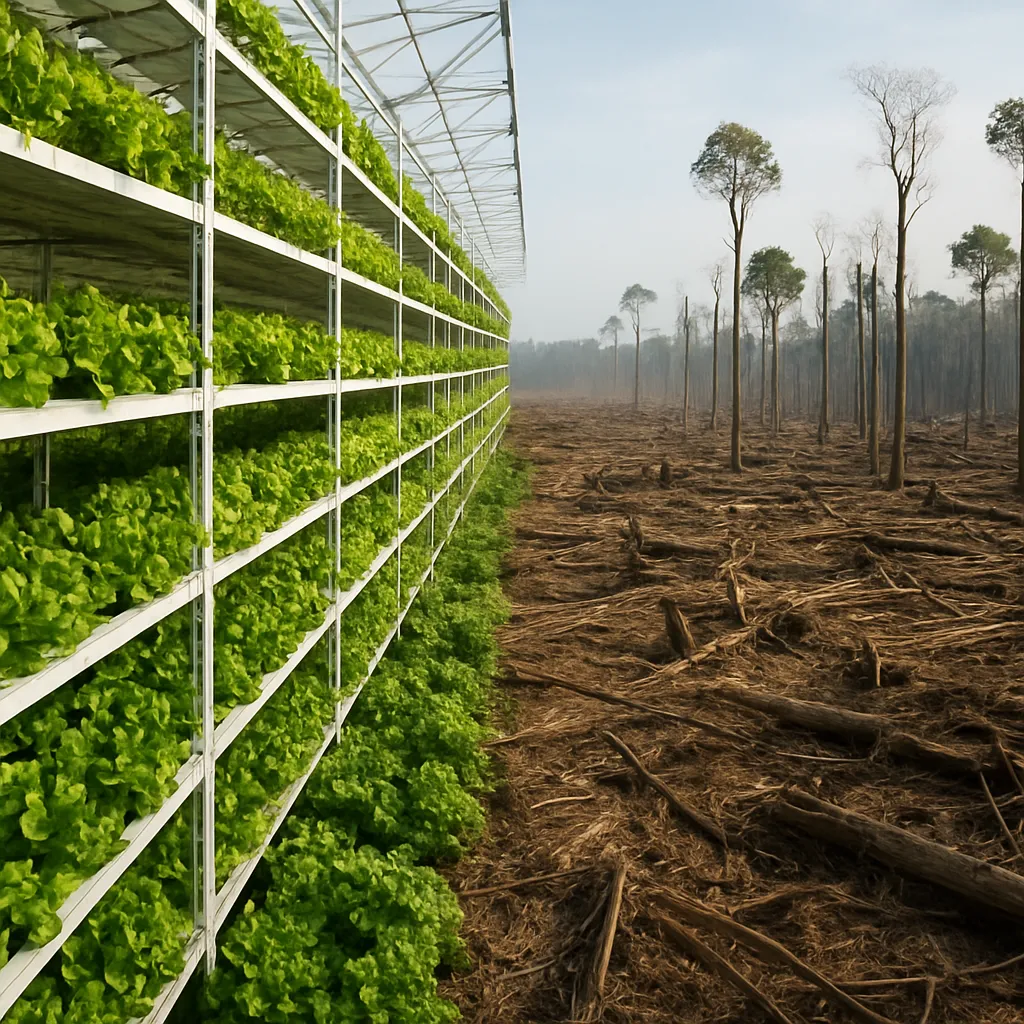
From an ecological standpoint, the environmental impact is equally troubling. Large volumes of manure generate ammonia, methane, and nitrous oxide—potent greenhouse gases that accelerate climate change. Runoff from waste lagoons contaminates water bodies, causing algal blooms and dead zones. Land used to grow monoculture feed crops contributes to soil degradation, deforestation, and biodiversity loss.
Public health concerns also arise when antibiotics are administered prophylactically to crowded herds. This practice fosters the emergence of antibiotic-resistant bacteria, threatening human medical treatments. Moreover, airborne pathogens can jump from farms to neighboring communities, raising the risk of zoonotic disease transmission.
Ethical debates extend to consumer rights and transparency. Many argue that hidden production methods deprive buyers of informed choice, urging clearer labeling and third-party certification. Animal rights groups call for stricter regulations or outright bans on the most intensive confinement systems, citing moral obligations toward sentient creatures.
Global Policies and Regulatory Frameworks
Regulatory approaches to factory farming vary widely across regions. In the European Union, stringent directives cap stocking densities and require welfare-friendly housing systems. The “Five Freedoms” principle guides legislation, ensuring animals can express normal behaviors. Violations may lead to fines or facility closures.
Across North America, standards often depend on a mix of federal oversight and voluntary certifications. Agencies like the USDA and FDA govern food safety and drug approvals but leave housing conditions largely to industry self-regulation. Consumer-driven programs—such as Certified Humane or Animal Welfare Approved—fill gaps by auditing farms and awarding recognitions.
In emerging economies, regulatory capacity is frequently limited. Rapid expansion outpaces inspections, allowing substandard facilities to proliferate. International trade agreements sometimes mandate sanitary and phytosanitary measures, indirectly influencing farming practices by imposing health and safety benchmarks.
Calls for global cooperation have grown louder, with organizations like the FAO and World Animal Protection promoting harmonized welfare guidelines. Cross-border initiatives tackle antibiotic usage and greenhouse gas reporting, aiming to align environmental goals with industry growth. Yet, political will and resource constraints often slow meaningful progress.
Emerging Trends and Future Outlook
As awareness of factory farming’s drawbacks intensifies, innovators pursue alternatives to traditional confinement models. Innovation in feed efficiency, such as algae-based proteins or insect meals, could reduce reliance on soy and fishmeal. Precision livestock farming employs sensors and AI to monitor health and optimize resource use, potentially lowering stress and emissions.
The rise of plant-based and cell-cultured proteins presents a direct challenge to conventional systems. Companies scaling lab-grown meat foresee a future where animal cells cultivated in bioreactors offer comparable taste without the ethical dilemmas or large-scale waste. Governments and investors are increasingly funding research in this space.
On-farm, integrated agroecological approaches blend confined rearing with rotational grazing and crop diversification. Such hybrid models aim to recapture soil fertility, sequester carbon, and foster technology transfers between industrial and regenerative practices. Stakeholders believe that marrying intensive production with ecological principles can deliver balanced outcomes.
Ultimately, the global debate over factory farming is far from settled. Consumers, producers, policymakers, and activists continue to negotiate a path that balances affordable protein with environmental stewardship and humane treatment. As pressures mount from climate goals and ethical consumers, the future of large-scale animal agriculture will likely hinge on our collective capacity to innovate and adapt.