As global populations expand and environmental pressures intensify, sustainable agriculture has become a critical pursuit. Farmers, researchers, policy makers, and communities worldwide must embrace collaboration to cultivate resilient food systems that support both people and the planet. By forging cross-border alliances, stakeholders can pool resources, share innovations, and address complex challenges more effectively than in isolation.
Global Challenges in Modern Agriculture
Climate Variability and Resource Scarcity
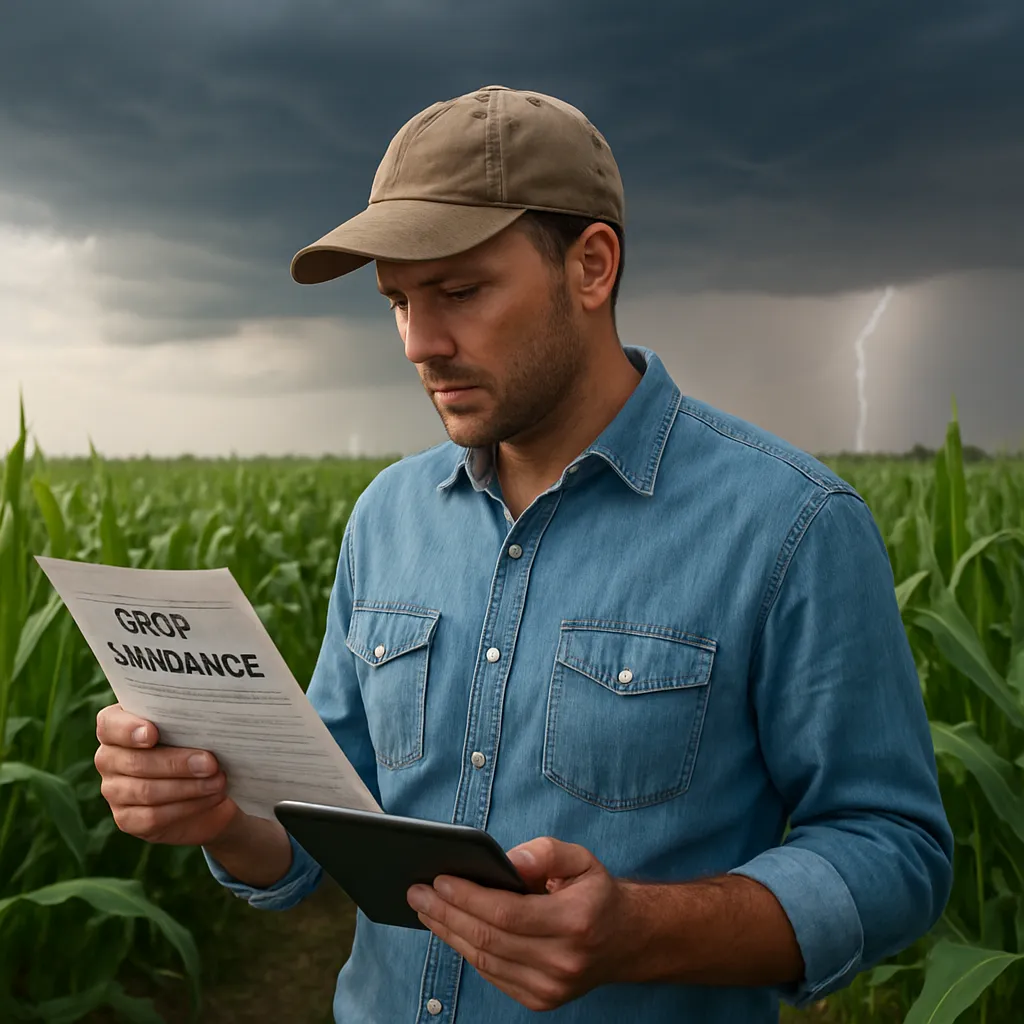
Shifts in weather patterns, prolonged droughts, and extreme storms undermine traditional farming methods. Regions that once relied on predictable rainfall now face unpredictable water availability, forcing smallholder producers to adapt or perish. Promoting resilience through drought-resistant crops, improved irrigation, and soil conservation techniques demands joint research efforts and knowledge exchange between temperate and tropical zones.
Maintaining Biodiversity and Ecosystem Health
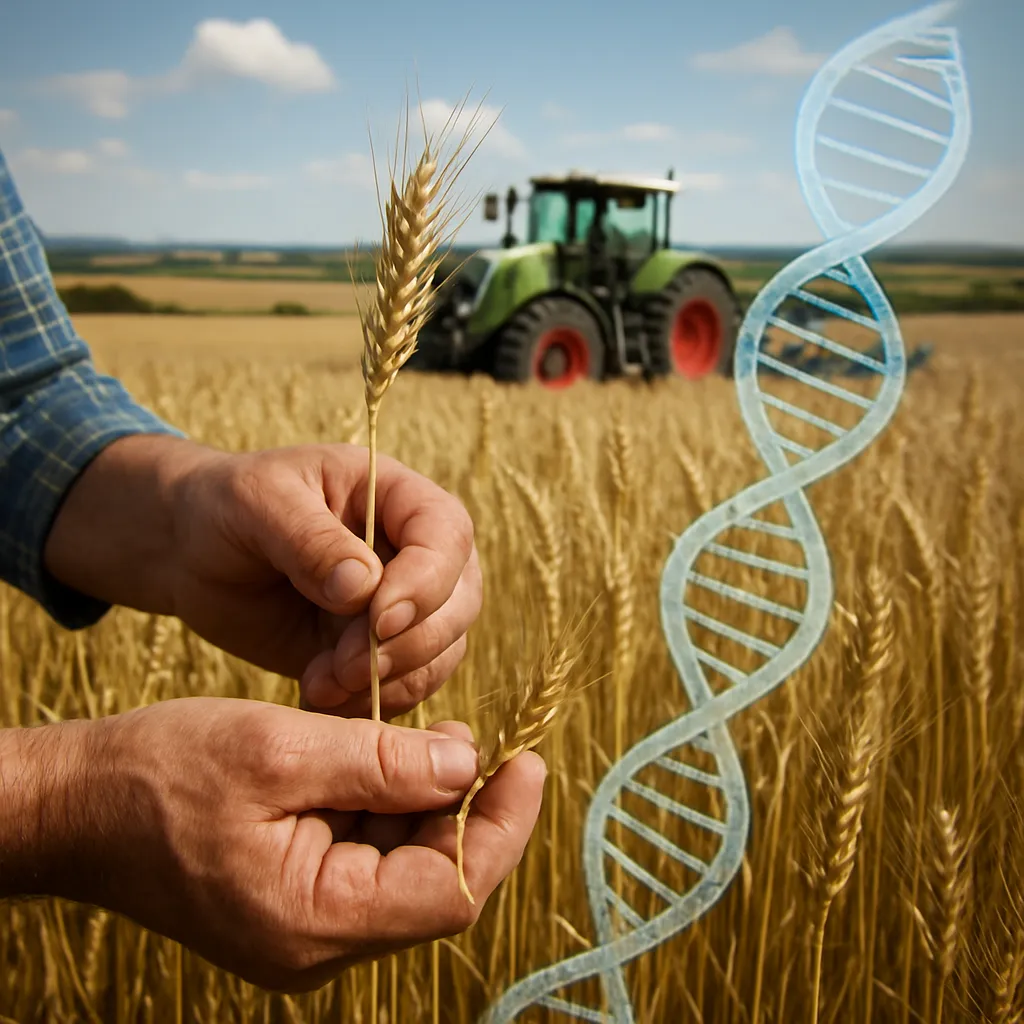
Monoculture practices deplete soils and threaten the genetic diversity of crops. Preserving heirloom seeds and wild relatives of staple cereals safeguards future breeding efforts, enhancing global food security. International seed banks and gene vaults exemplify how collaborative networks protect biodiversity, enabling breeders to tap into diverse traits that meet local needs.
Economic Inequalities and Trade Barriers
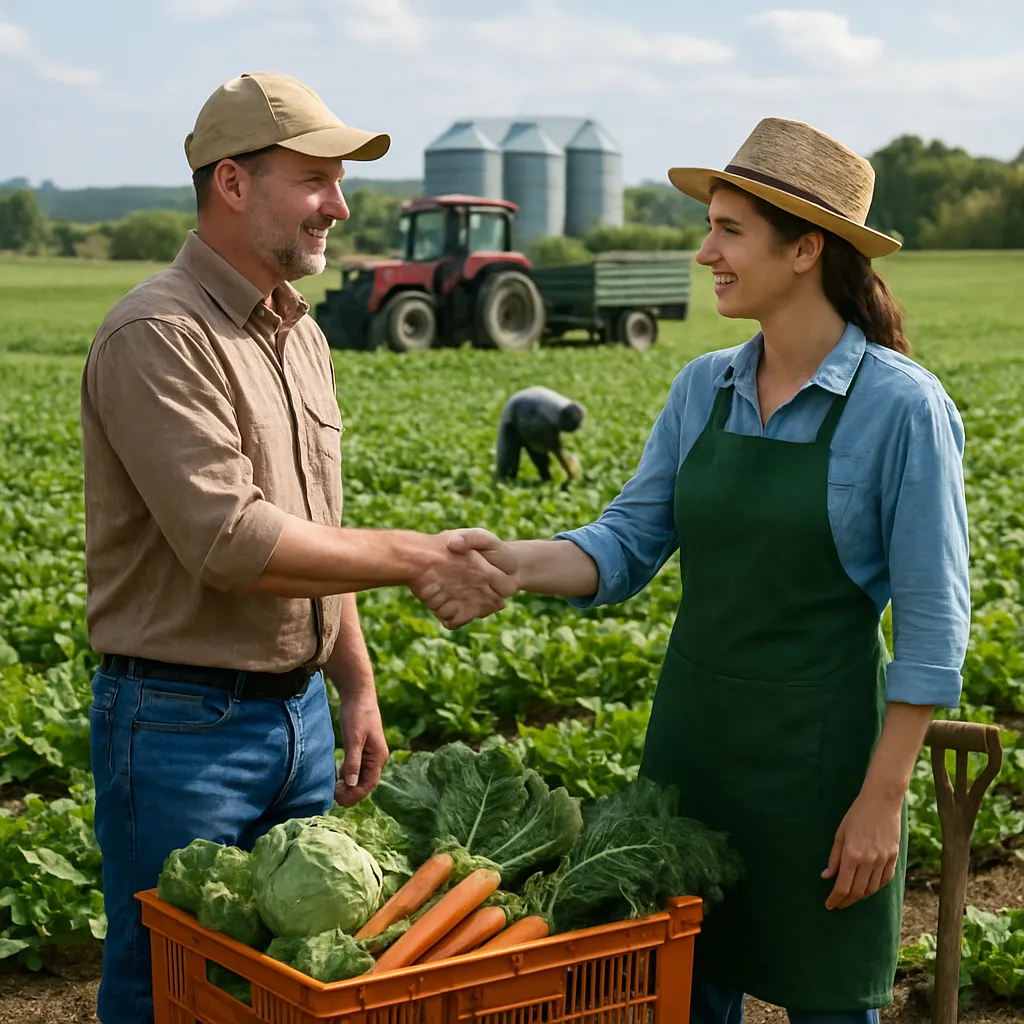
Small-scale farmers often lack market access, capital, and bargaining power, leading to persistent poverty in many rural areas. Tariffs and non-tariff barriers distort fair trade, reducing the potential for equitable growth. Multilateral agreements and regional partnerships that streamline regulations can boost efficiency in supply chains, ensuring farmers receive a greater share of profits.
Benefits of International Partnerships
Sharing Knowledge and Best Practices
Collaborative research institutions, such as international agricultural research centers, enable rapid dissemination of breakthroughs in crop genetics, pest management, and conservation agriculture. Virtual platforms and exchange programs encourage extension agents and farmers to adopt sustainable technologies and refine planting calendars. Through these efforts, global innovation accelerates, reaching remote communities.
Enhancing Access to Technology and Finance
Partnerships between development banks, governments, and private investors unlock funding for mechanization, cold-chain logistics, and renewable energy on farms. Mobile banking initiatives and microcredit schemes empower entrepreneurs to invest in greenhouses, solar pumps, and sensors. Collaborative funding models strengthen local technology adoption and foster greater farmer empowerment.
Case Studies: Successful Collaborative Models
Examining real-world examples illustrates the transformative impact of global synergy:
- CGIAR’s network of 15 research centers unites experts from over 100 countries to develop improved rice, wheat, and cassava varieties that thrive under heat and water stress, bolstering food security in vulnerable regions.
- The African Plant Breeding Academy partners with local universities and seed companies to train breeders, accelerating the release of climate-smart varieties and promoting local seed enterprises that strengthen regional community livelihoods.
- A public-private coalition in Southeast Asia integrates blockchain traceability with smallholder coffee cooperatives, ensuring fair trade premiums reach farmers while preserving forest ecosystems along the supply chain.
Strategies for Enhancing Cooperation
Building lasting alliances requires inclusive governance structures that value all voices, especially indigenous communities and women farmers. Establishing multi-stakeholder platforms at national and regional levels encourages dialogue on regulations, resource sharing, and ethical standards. Formalizing intellectual property arrangements can balance incentives for private innovation with the public good, fostering sustained sustainability efforts.
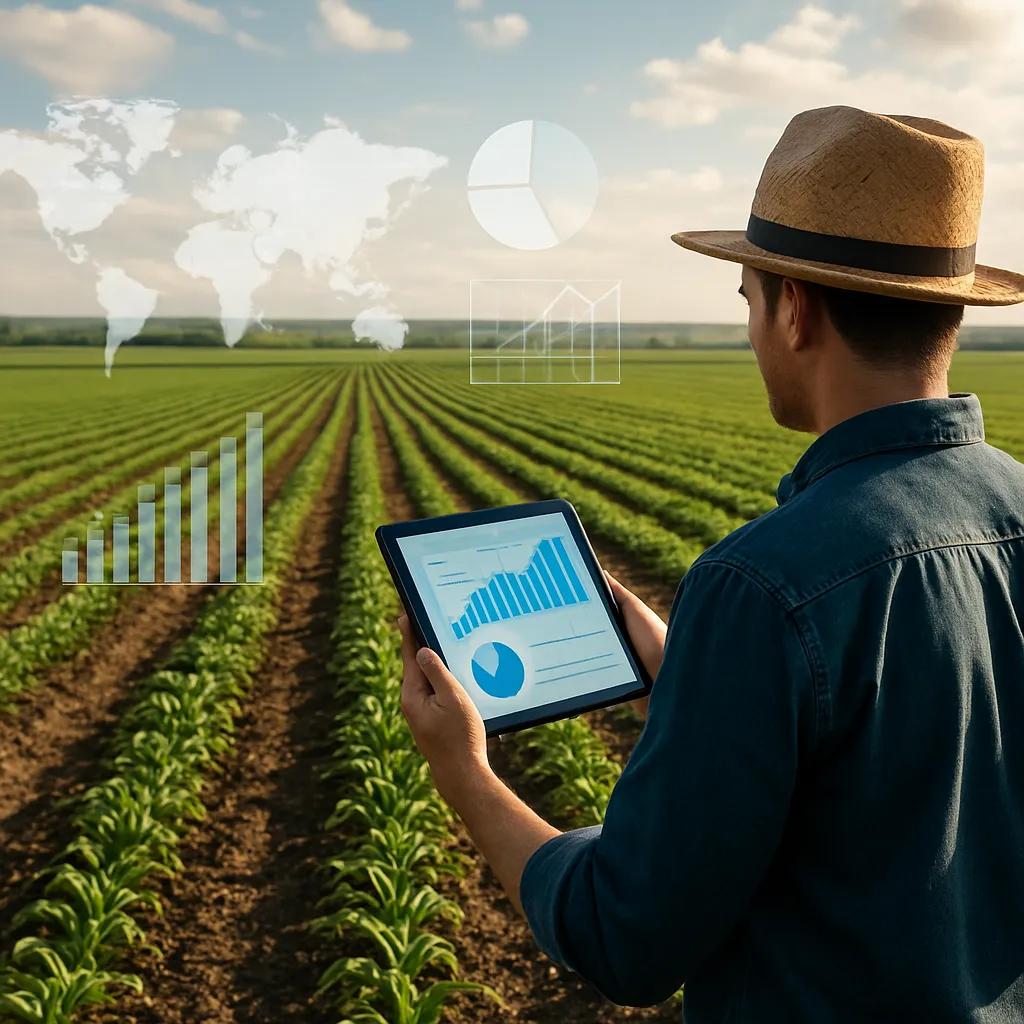
Leveraging digital tools—such as open-access databases, remote sensing, and AI-driven analytics—connects researchers, extension workers, and farmers in real time. Virtual workshops and cross-border incubators strengthen learning networks, while joint certification schemes promote transparent supply chains. By aligning incentives through targeted subsidies and outcome-based financing, governments can drive measurable impacts and scale successful pilots to global reach.
Ultimately, the quest for sustainable agriculture transcends national boundaries. Only by weaving together diverse experiences, traditional knowledge, and cutting-edge science can humanity build food systems that nourish all, preserve natural resources, and withstand the uncertainties of tomorrow.