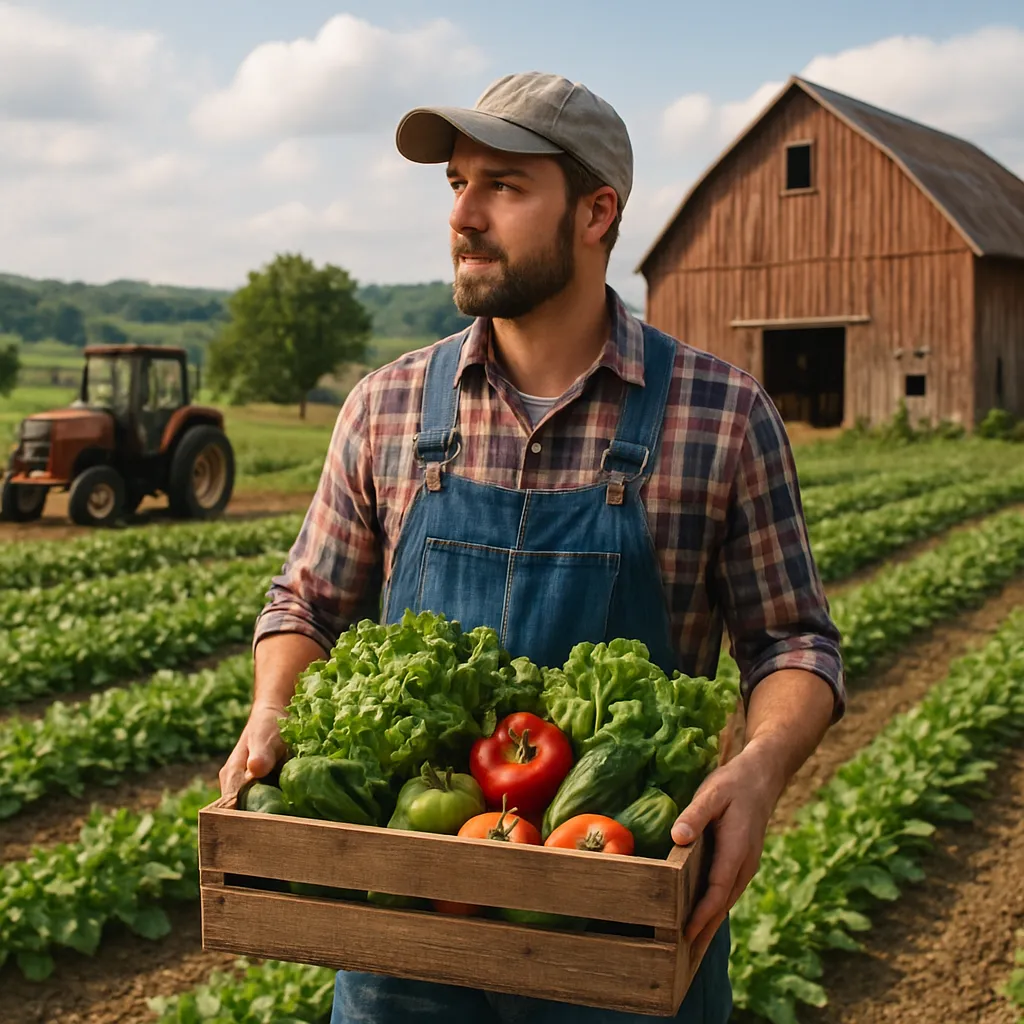
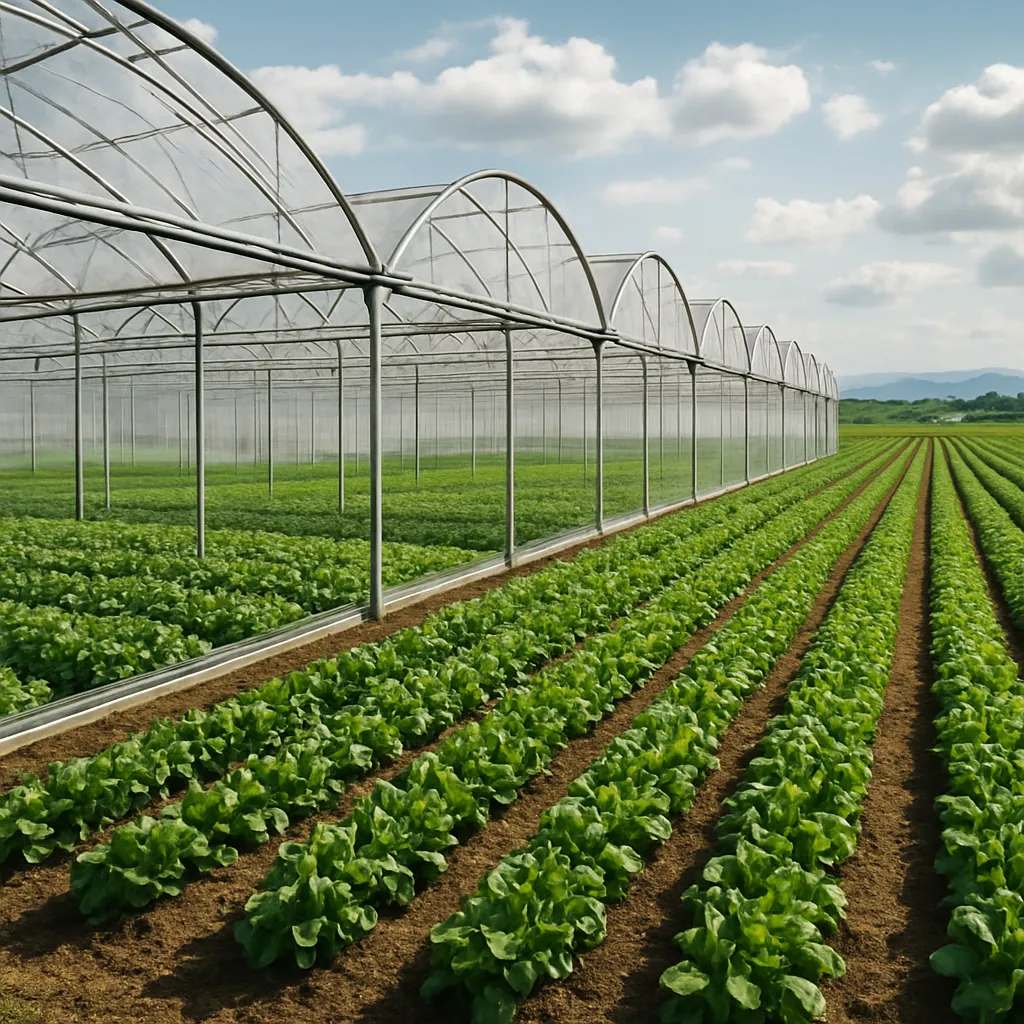
Preparing the next generation of farmers requires a transformative blend of practical fieldwork, modern academic knowledge, and real-world exposure. Aspiring cultivators must navigate a rapidly changing agricultural landscape shaped by climate shifts, market demands, and technological breakthroughs. By equipping students with comprehensive programs, mentorship opportunities, and hands-on experiences, educators can foster a resilient network of professionals ready to sustain and advance global food systems.
Global Perspectives on Agricultural Education
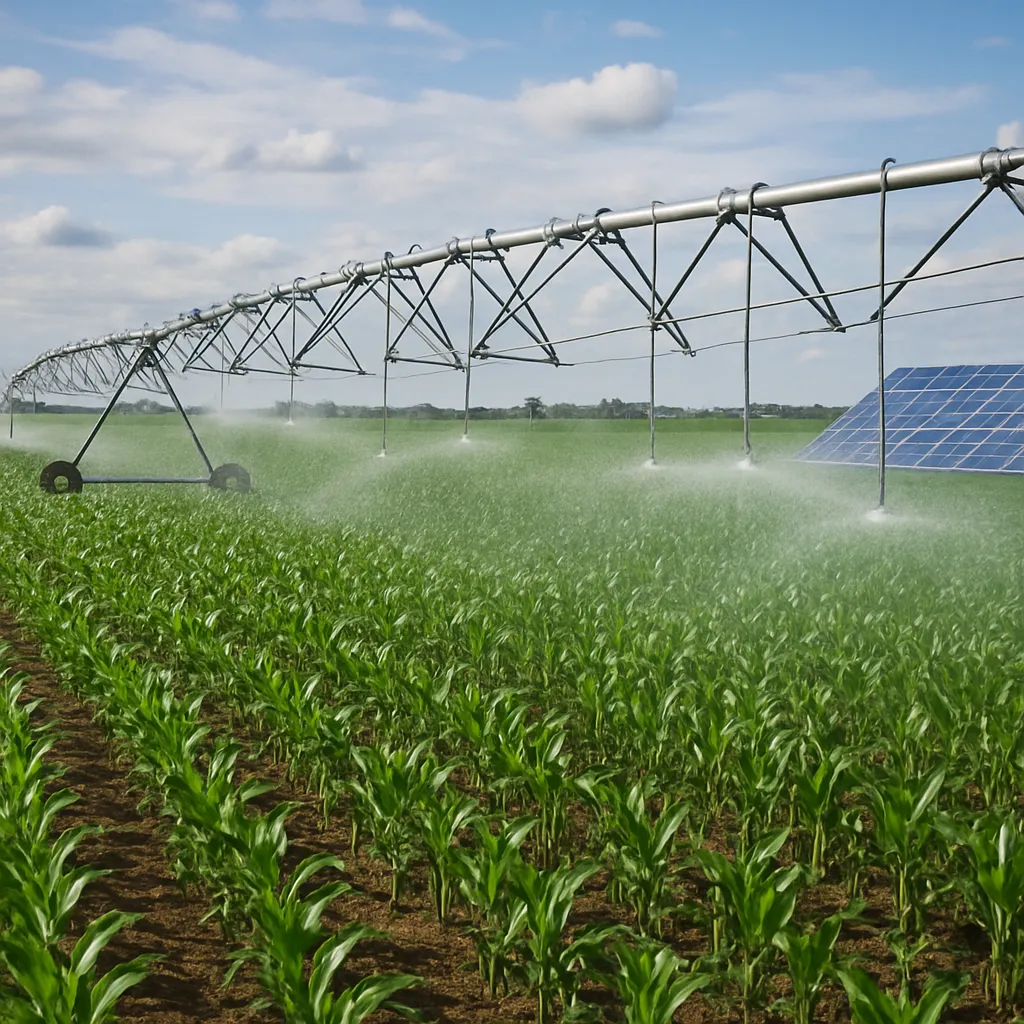
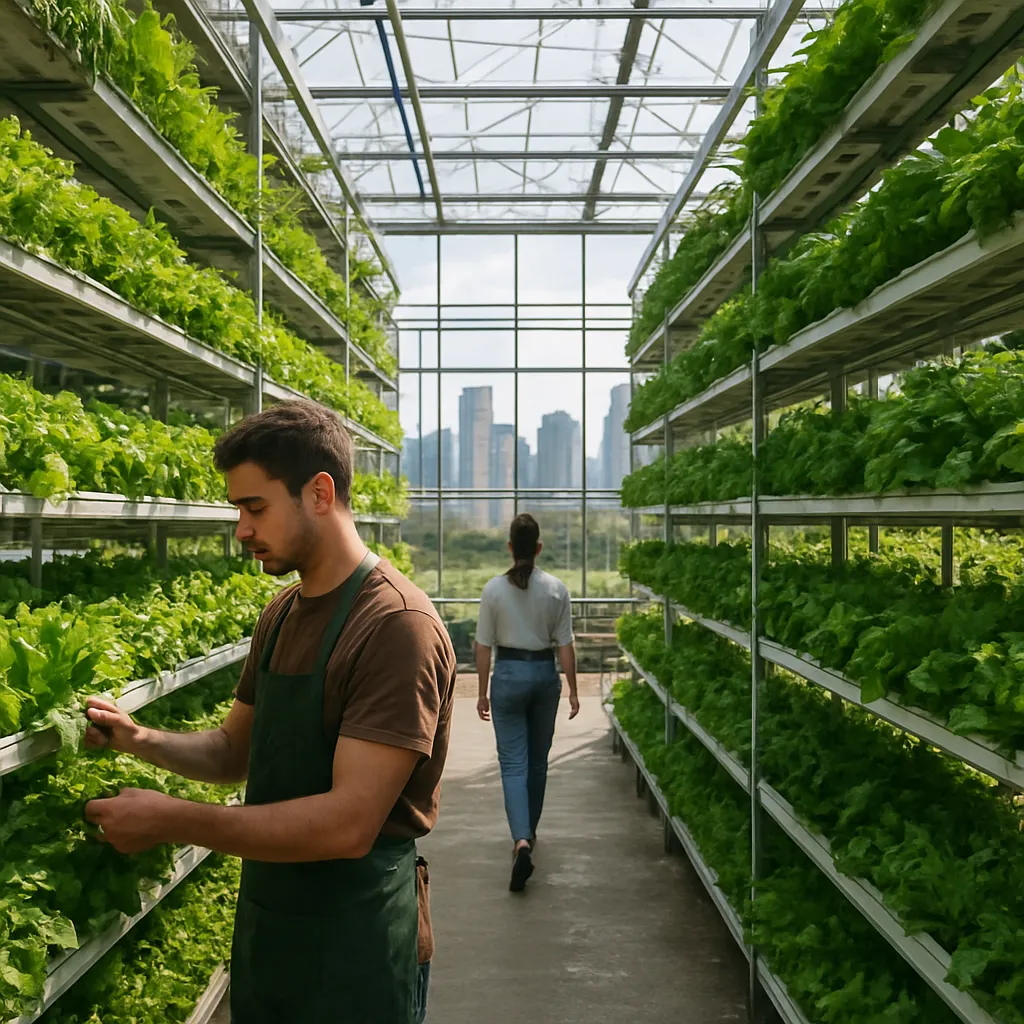
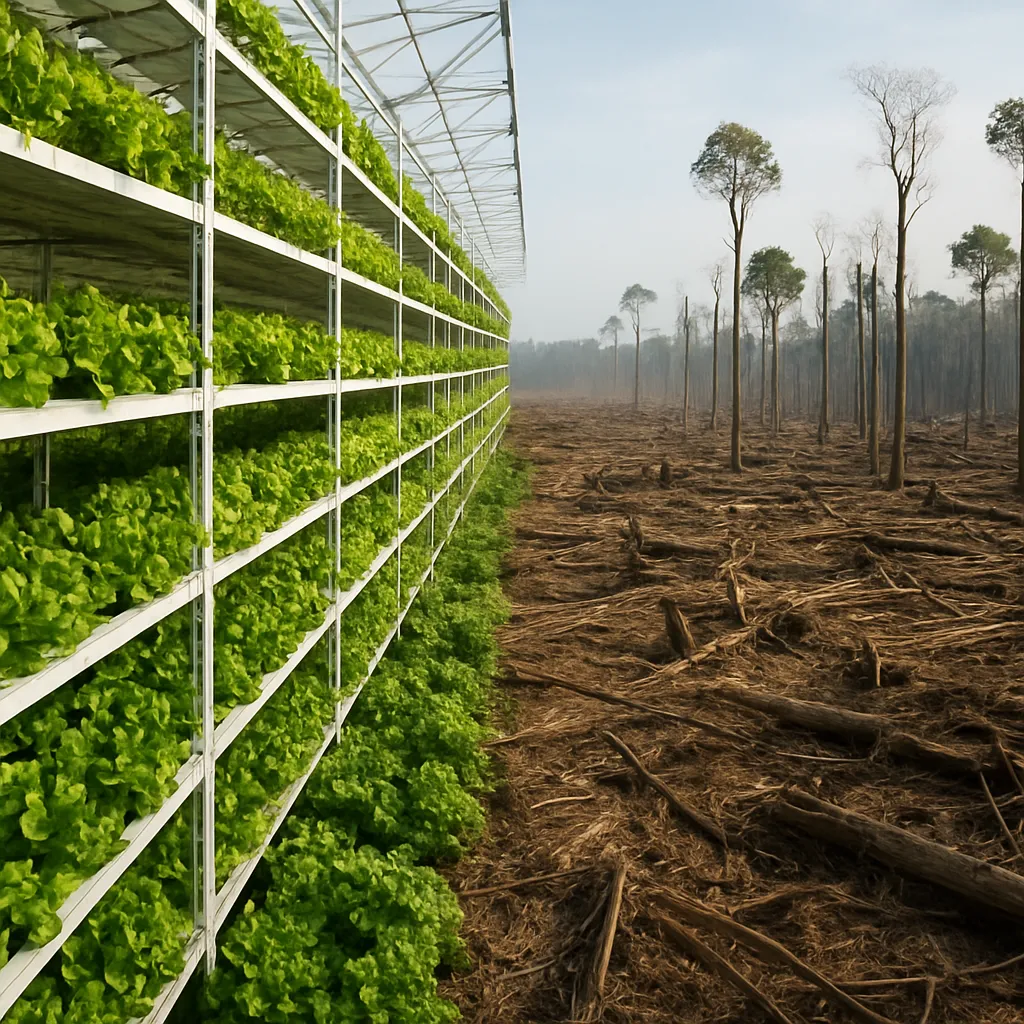
Across continents, educational institutions are tailoring curricula to address local challenges while sharing a common goal: building a workforce skilled in sustainable production methods. In regions facing water scarcity, students learn advanced irrigation and soil moisture management. Elsewhere, research universities lead pioneering trials in vertical farming, controlled-environment agriculture, and drone-assisted crop monitoring.
Collaborative Networks
- International universities partner through exchange programs, enabling future farmers to experience diverse ecozones and climatic conditions.
- Non-governmental organizations facilitate workshops on agroecology and regenerative practices, emphasizing soil health and agroforestry.
- Industry alliances sponsor internship placements at cutting-edge facilities, where trainees apply technology driven solutions such as remote sensing and data analytics.
Cultural and Social Contexts
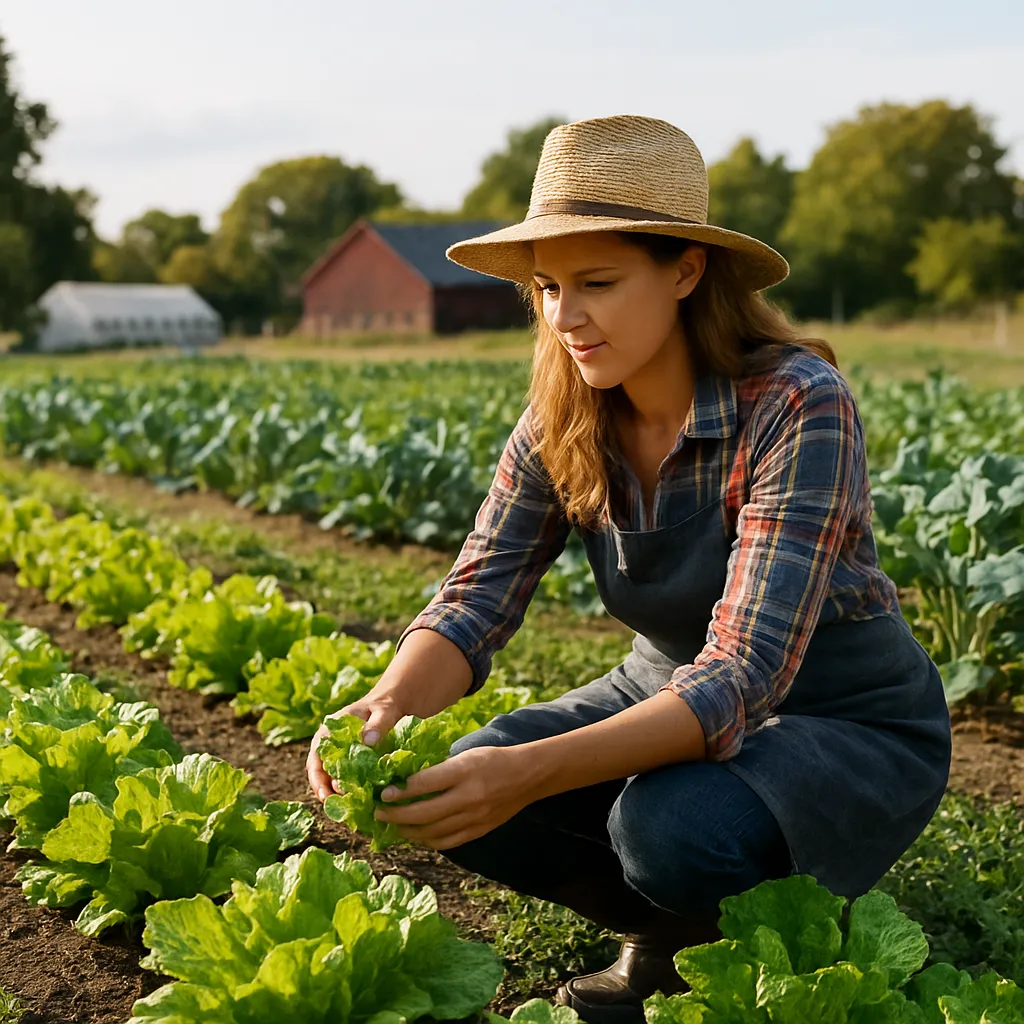
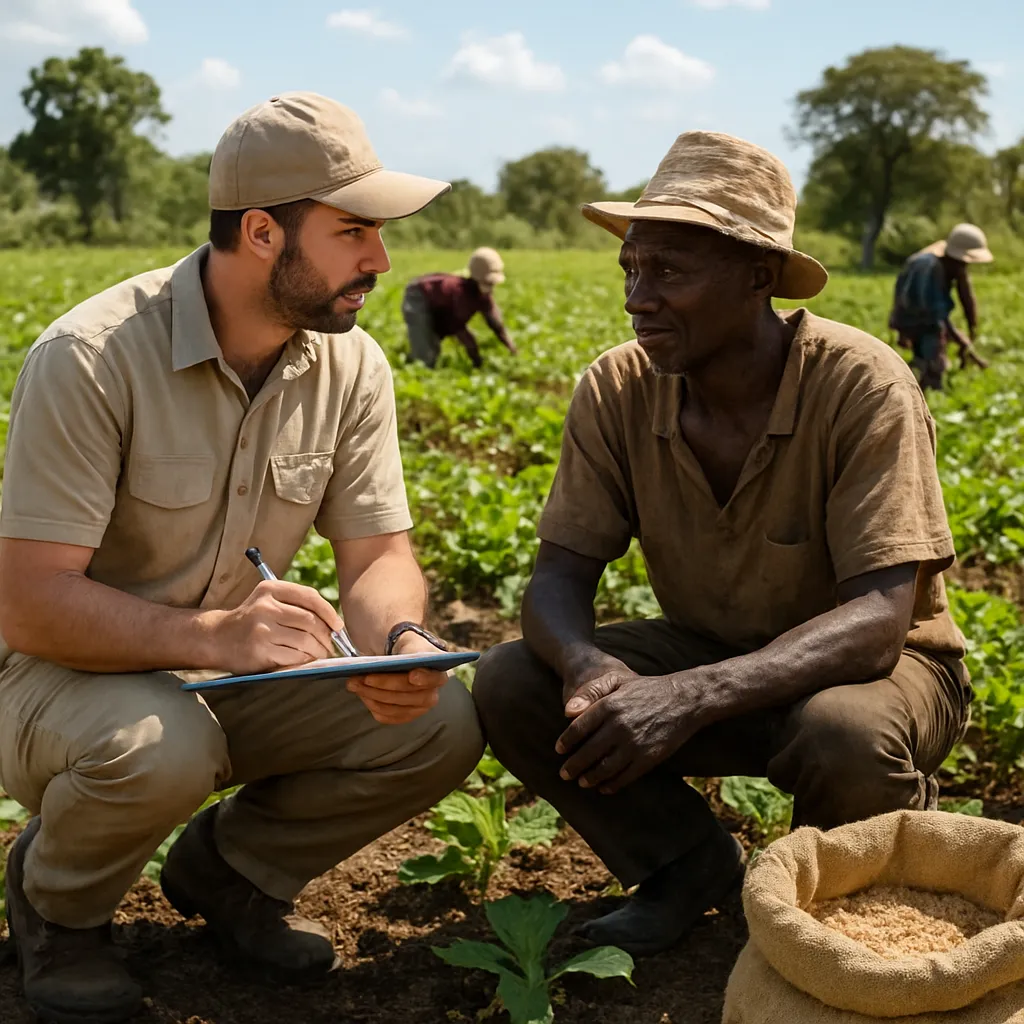
Successful education respects traditional knowledge systems. In many communities, elder farmers share time-honored methods for pest control and crop rotation. Blending these insights with modern research enriches learning and secures heritage practices. Such integration promotes biodiversity by preserving heirloom varieties alongside genetically improved strains.
Essential Skills and Training for Modern Farms
To excel in today’s agricultural sector, trainees must develop a versatile skill set encompassing both technical competencies and soft skills. This holistic approach empowers graduates to make informed decisions, manage resources efficiently, and respond proactively to unforeseen challenges.
Technical Proficiencies
- Precision planting and harvesting techniques, guided by GPS and sensor networks, maximize yield while minimizing waste.
- Understanding soil chemistry, nutrient cycles, and organic amendments fosters long-term productivity and sustainable land management.
- Familiarity with automated machinery and robotics streamlines labor-intensive operations, raising overall efficiency.
Business and Management
- Entrepreneurial workshops teach budgeting, risk assessment, and market analysis, essential for profitable farm enterprises.
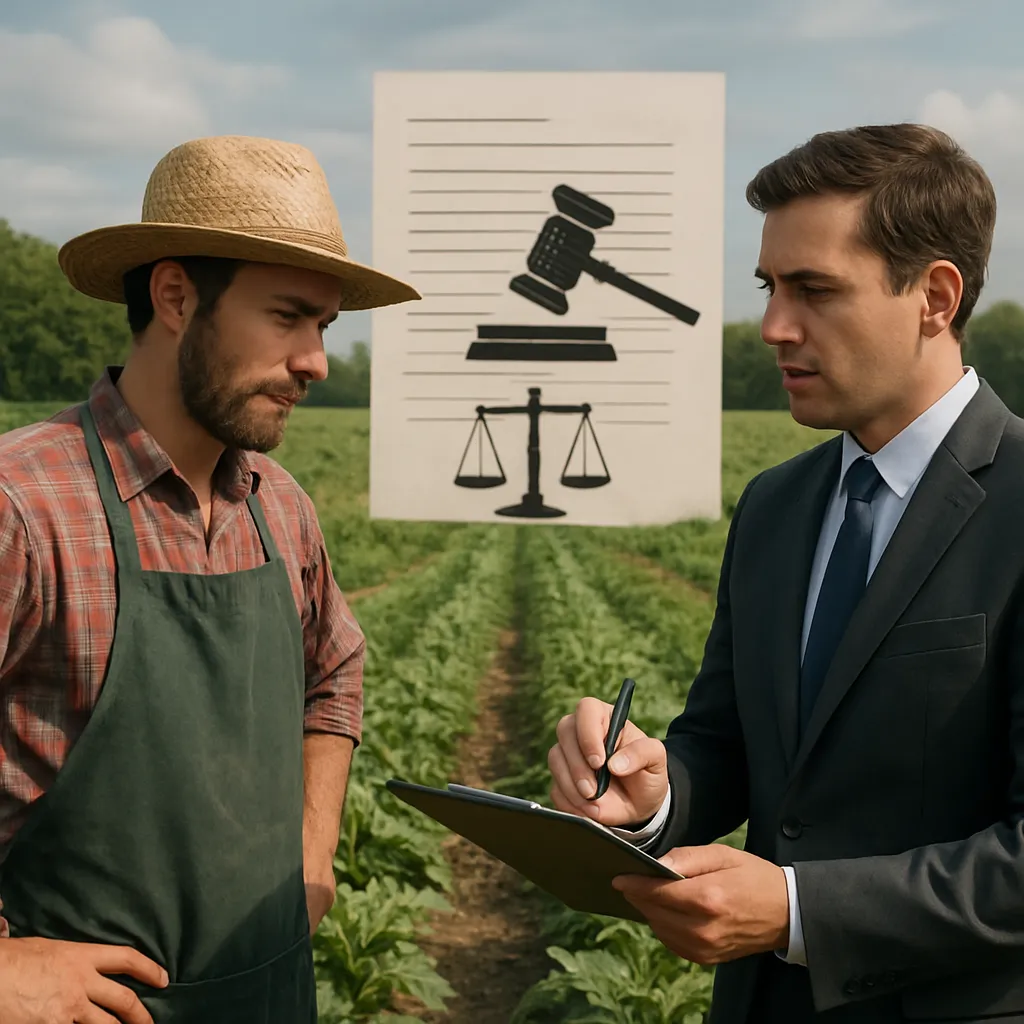
- Farmers learn regulatory compliance, food safety standards, and certification processes to access global markets.
- Leadership modules strengthen communication and conflict-resolution skills, fostering a collaborative farm environment.
Equally important are modules on climate adaptation strategies. By studying weather patterns, water conservation practices, and crop diversification, trainees build resilience to extreme conditions. Case studies of community-supported agriculture offer real-world examples of how local stakeholders can share risks and rewards.
Innovation and Sustainability in Future Farming
Embracing ongoing research and emerging technologies is vital for the next wave of agricultural professionals. Cutting-edge developments are reshaping how food is grown, processed, and distributed, offering both opportunities and responsibilities for young farmers.
Technological Integration
- Sensor arrays and Internet of Things (IoT) devices monitor soil moisture, nutrient levels, and pest populations in real time.
- Artificial intelligence algorithms analyze vast datasets to predict crop performance, optimize resource allocation, and reduce environmental impact.
- Drones and satellite imagery enable precise mapping of field conditions, guiding targeted interventions that conserve inputs and protect ecosystems.
Environmental Stewardship
Future farmers must champion practices that safeguard natural habitats and water sources. Training programs emphasize rotational grazing, integrated pest management, and renewable energy integration. By investing in solar-powered irrigation systems and bio-based fertilizers, graduates demonstrate a commitment to community welfare and planetary health.
Pathways to Leadership
Beyond technical mastery, tomorrow’s agricultural leaders will drive policy dialogues, advocate for rural development, and engage with policy-makers. Students participate in forums on food security, land tenure, and trade regulations, laying the groundwork for informed advocacy. Such experiences inspire a sense of entrepreneurship and social responsibility essential for guiding global agriculture toward equitable growth.
Fostering Lifelong Learning and Connectivity
Given the pace of innovation, ongoing education is paramount. Alumni networks, online platforms, and extension services provide continuous learning opportunities. Farmers can attend webinars on cutting-edge research, join peer-led study groups, and access digital libraries offering the latest findings.
- Mobile apps deliver tailored recommendations on crop management and disease prevention, bridging geographical gaps.
- Virtual reality simulations allow trainees to practice equipment handling and emergency response in a risk-free environment.
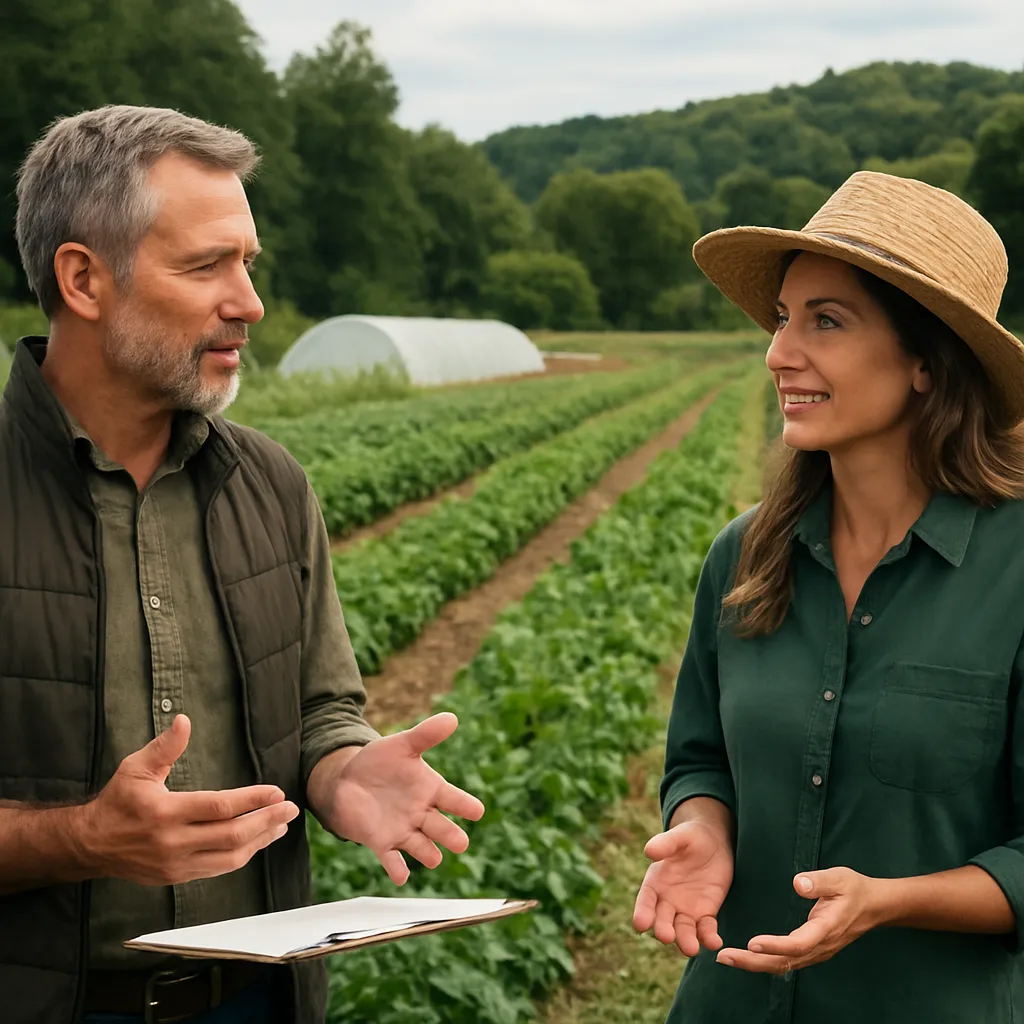
- Peer-to-peer mentorship encourages knowledge exchange, reinforcing a global spirit of cooperation and mutual support.
By maintaining a culture of curiosity and collaboration, future farmers will be well-equipped to navigate market fluctuations, climate unpredictability, and evolving consumer preferences. Through dedicated education and training, they will uphold the highest standards of production while championing equitable access to nutritious food worldwide.