Crop diversity serves as the backbone of robust and resilient agricultural landscapes across the globe. By cultivating a wide array of plant species and varieties, farmers not only safeguard against pests and diseases but also enhance soil fertility and adapt to changing climates. This exploration highlights the multifaceted benefits of diversified cropping systems, demonstrating why global food security depends on maintaining and expanding the variety of crops grown in fields, gardens, and orchards.
The Role of Crop Diversity in Modern Agriculture
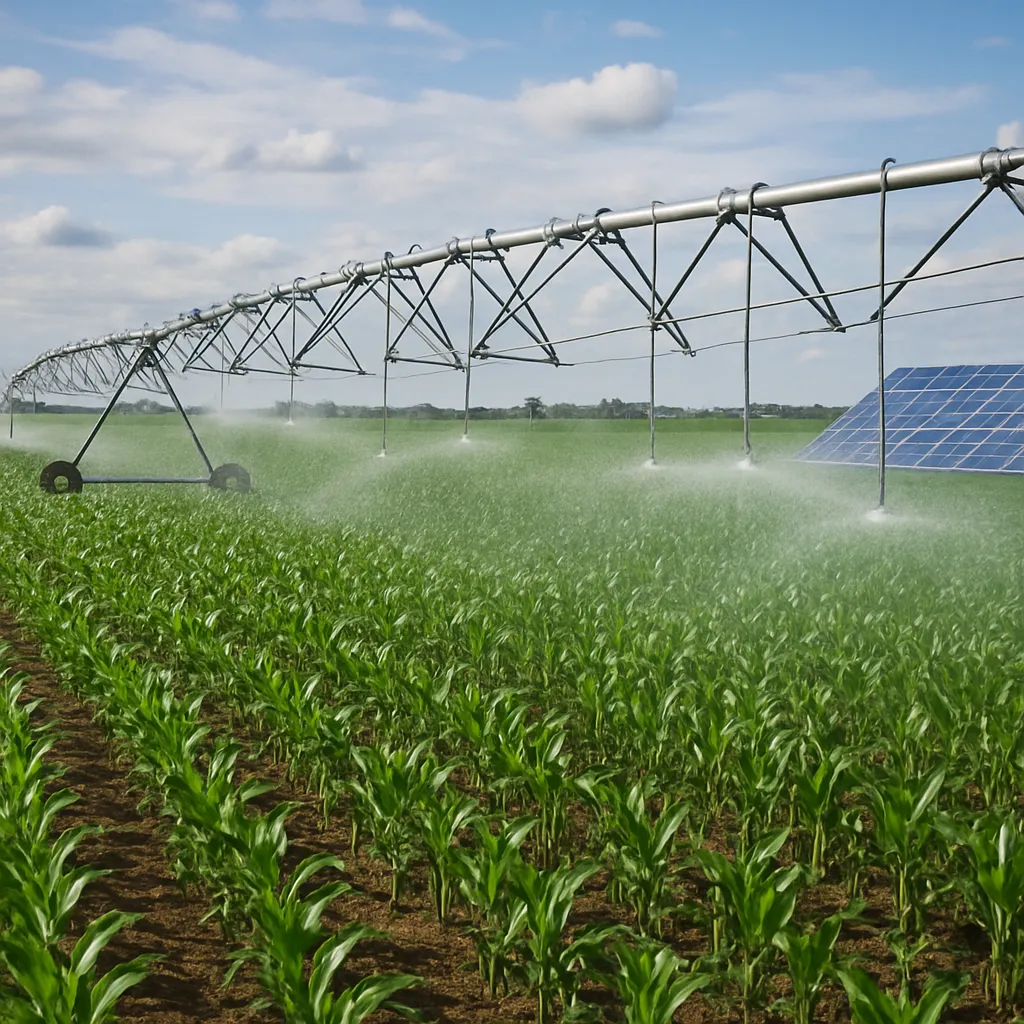
A diverse cropping system can mitigate the risks associated with monocultures, where a single crop occupies vast tracts of land. Monocultures often suffer from outbreaks of pests or pathogens, leading to significant yield losses. In contrast, integrating multiple species or cultivars disrupts pest life cycles and reduces disease transmission. Moreover, different crops have varying root structures and nutrient requirements, which fosters balanced soil health and minimizes the need for synthetic fertilizers. A well-designed rotation or intercropping scheme exemplifies how biodiversity functions as a natural insurance policy against unexpected shocks.
Environmental Benefits of Diverse Farming Systems
Broadening the range of species in agricultural settings contributes to improved ecosystem services. Diverse landscapes support pollinator habitats, curtail erosion, and sequester carbon more effectively than simplified fields. For instance, integrating cover crops such as legumes or brassicas can reduce nitrogen runoff and enhance water retention. This, in turn, bolsters resilience to drought and flood events triggered by climate change. By prioritizing mixed-species plantings, farmers create more robust landscapes that are less prone to collapse under environmental stressors.
- Enhanced pollination and beneficial insect presence
- Improved nutrient cycling through complementary root systems
- Greater carbon capture and reduced greenhouse gas emissions
- Lower reliance on chemical inputs thanks to natural pest suppression
Economic and Social Impacts of Crop Diversity
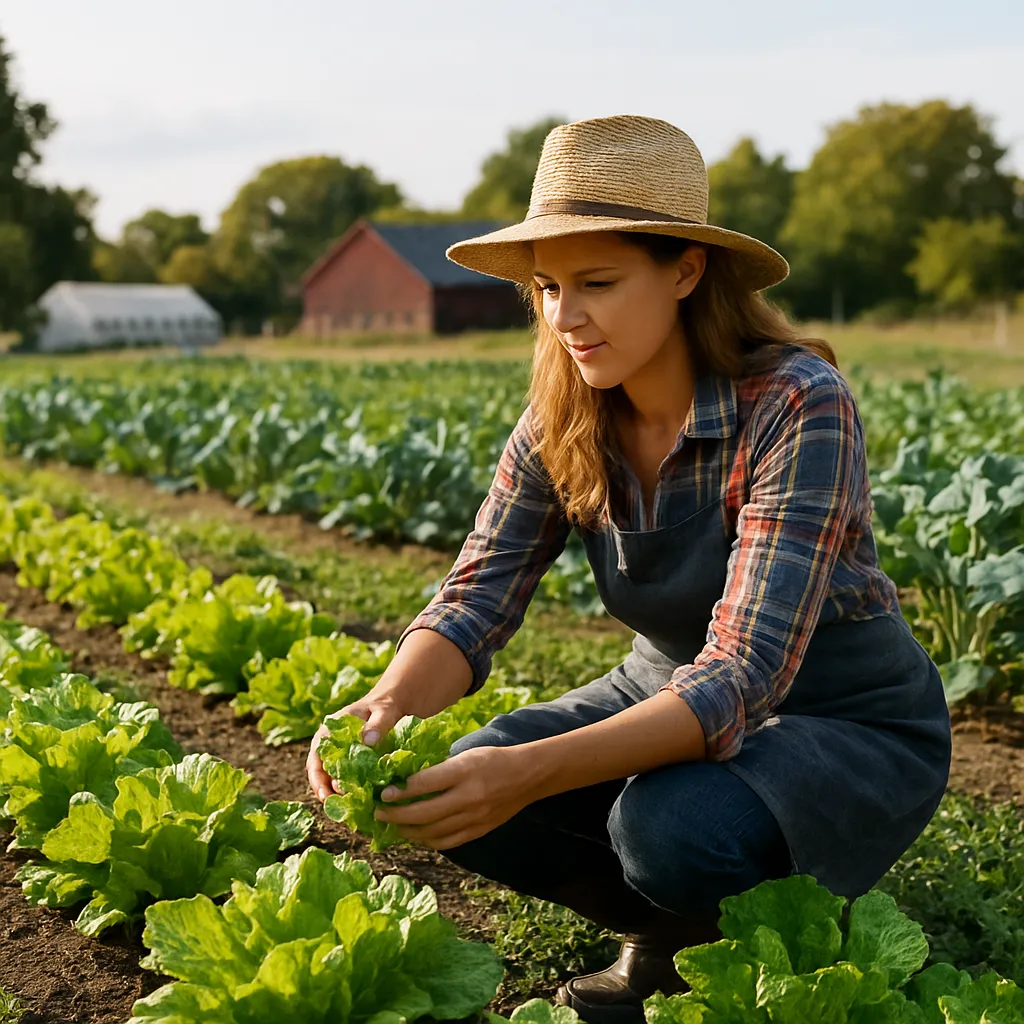
Diverse farms often enjoy more stable revenues compared to single-crop operations. When a single market price collapses or a crop fails, farmers with varied outputs can compensate with other products. This financial resilience empowers rural communities, reducing vulnerability to economic shocks. On a regional scale, a mosaic of crops supports local agro-industries such as seed cleaning, processing, and marketing. By nurturing an interconnected network of producers, processors, and consumers, crop diversity underpins rural livelihoods and fosters social cohesion among small-scale growers.
Value-Added Opportunities
- Specialty grains or heirloom vegetables for niche markets
- On-farm processing facilities for oils, flours, or preserves
- Agritourism experiences showcasing local plant varieties
- Direct-to-consumer sales strengthening community ties
Cultural and Nutritional Significance of Diverse Crops
A rich portfolio of crops preserves traditional foodways and culinary heritage while enhancing dietary health. Nutrient-dense varieties like millet, sorghum, and various legumes offer essential vitamins and minerals often lacking in staple-driven diets. By maintaining a spectrum of colors, textures, and flavors, farmers support balanced nutrition, combatting malnutrition in vulnerable populations. Furthermore, indigenous and heirloom crops embody centuries of selective breeding and local knowledge, offering unique traits for disease resistance, drought tolerance, and taste.
Communities that value a broad crop spectrum also retain cultural rituals tied to planting, harvesting, and seed saving. These practices strengthen identity and intergenerational ties, ensuring that valuable genetic resources are not lost. In a world where agricultural homogenization threatens both nutrition and heritage, celebrating the innovation embedded in traditional varieties is pivotal for future generations.
Strategies to Foster Crop Diversity
Promoting diversified farming systems requires coordinated efforts at multiple scales. Research institutions can develop participatory breeding programs, collaborating with farmers to select varieties best suited to local conditions. Extension services should provide training on polyculture design, cover crop selection, and integrated pest management techniques. At the policy level, incentives such as seed subsidies, crop insurance tailored for mixed systems, and grants for on-farm research can motivate adoption. Consumer awareness campaigns can further drive demand for products that support diversified agriculture.
- Participatory plant breeding to enhance local adaptation
- Financial incentives for rotating and intercropping schemes
- Market development for underutilized and heritage crops
- Education on soil conservation and adaptation methods
Challenges and Future Directions
Despite clear advantages, widespread implementation of crop diversity faces obstacles. Supply chains are often optimized for large-scale monocultures, making processing and storage of diverse outputs more complex. Farmer access to a broad array of high-quality seeds can also be constrained by intellectual property laws or market monopolies. Addressing these barriers requires investments in decentralized seed banks and cooperative marketing structures. Technology platforms can connect growers with buyers seeking unique or resilient varieties, fostering a digital marketplace that values innovation and equity.
Research must continue exploring the synergies between different crop species, focusing on root microbiomes, allelopathy, and nutrient exchanges. By deepening our understanding of plant interactions, scientists and growers can refine agroecological models that maximize yields while preserving ecosystem integrity. Ultimately, the future of agriculture hinges on harmonizing productivity with stewardship—an endeavor where crop diversity plays a starring role.