Biodiversity plays a vital role in shaping the productivity and long-term health of farms around the world. Diverse species of plants, animals, insects, and microorganisms interact in complex ways to support soil fertility, control pests, and maintain ecological balance. As global agriculture faces mounting challenges—from changing climates to diminishing resources—understanding and preserving on-farm biodiversity has never been more important.
Understanding Biodiversity in Agricultural Systems
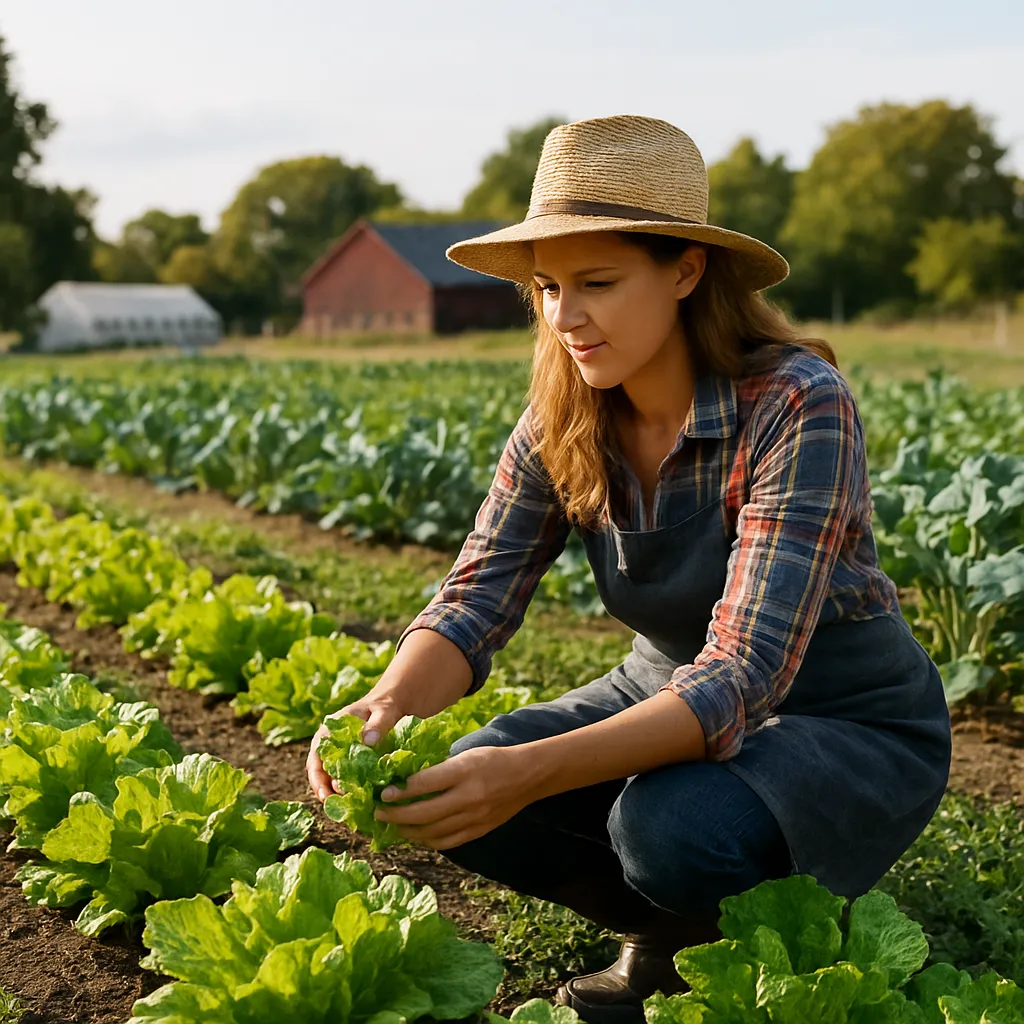
Agricultural biodiversity, often called agrobiodiversity, refers to the variety of life found on farms, encompassing all living organisms that contribute to ecosystem functioning. This includes crops and their wild relatives, livestock breeds, soil microorganisms, beneficial insects, and surrounding wildlife. Such a rich tapestry of life forms underpins essential ecosystem processes. Soil microbes cycle nutrients, pollinators ensure fruit set and seed production, and diverse vegetation buffers extreme weather and suppresses weeds. Traditional farming systems, particularly those practiced by indigenous communities, have long harnessed local biodiversity to cultivate resilient landscapes tailored to specific environments.
Benefits of Biodiversity on Farms
- Pest Management: A mosaic of crops and habitats supports natural enemies of pests, reducing dependence on chemical pesticides and lowering production costs.
- Soil Health: Cover crops, green manures, and diverse root structures enhance soil structure, water retention, and organic matter content.
- Pollination Services: Wild bees, butterflies, and other pollinators boost yields in fruits, vegetables, and oilseeds.
- Climate Resilience: Varied species assemblages can better withstand drought, floods, and temperature extremes by spreading risk across multiple genotypes.
- Yield Stability: Mixed cropping and intercropping help stabilize food production under uncertain environmental conditions.
- Conservation: Maintaining habitat corridors and field margins supports wildlife and fosters gene pools crucial for future breeding efforts.
Strategies to Enhance On-Farm Biodiversity
Crop Diversification and Rotation
Rotating different crops seasonally and integrating a variety of species within the same field disrupts pest cycles and minimizes soil nutrient depletion. Including legumes in rotations improves nitrogen availability naturally, reducing reliance on synthetic fertilizers. Implementing crop rotation schemes tailored to local conditions can elevate yield potential while safeguarding ecosystem health.
Agroforestry and Hedgerows
Integrating trees and shrubs into farmlands—known as agroforestry—yields multiple benefits. Roots stabilize slopes, leaf litter feeds soil organisms, and canopy cover moderates microclimates. Hedgerows and shelterbelts provide corridors for birds, bats, and insects, enhancing pollination and controlling pests. Fruit and nut trees within these systems also supply additional sources of income.
Cover Cropping and Green Manures
Planting cover crops during fallow periods prevents erosion, suppresses weeds, and captures residual nutrients. When incorporated into soils as green manures, these plants decompose to boost organic matter and foster diverse microbial communities. Cover crop mixes designed to attract pollinators and predators elevate the farm’s natural self-regulation capacity.
Habitat Restoration and Conservation Areas
Setting aside field margins, riparian buffers, and small wetlands creates essential refuges for beneficial species. Such conservation zones harbor pollinators, predatory insects, and wildlife that contribute to ecosystem stability. Collaborative landscape planning among neighboring farmers can link these patches, forming networks that sustain genetic diversity and migration pathways.
Challenges and Future Directions
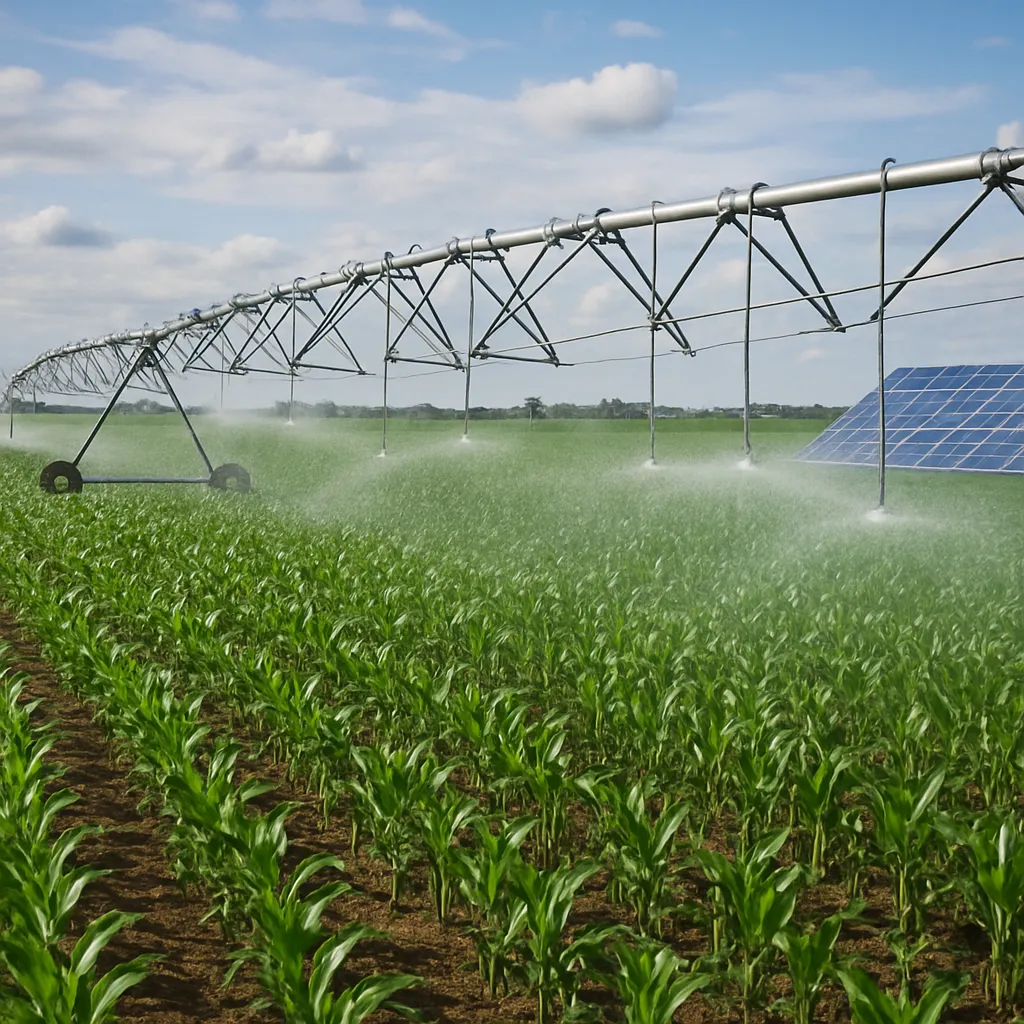
Expanding biodiversity on farms faces economic, social, and policy hurdles. Many smallholder producers lack technical resources or market incentives to adopt diversified systems. Meanwhile, global trade often rewards high-yield monocultures over multifunctional landscapes. Monocultures may offer short-term gains but erode resilience, leaving systems vulnerable to disease outbreaks and climatic shocks. Bridging the gap requires integrated policies, research, and outreach to promote best practices and equitable value chains.
Investing in on-farm biodiversity research is essential. Scientists must develop locally adapted varieties, pest-resistant cultivars, and climate-smart cropping models. Extension services and training programs can empower farmers with knowledge on ecosystem-based approaches. Public and private sector collaboration can create economic frameworks that reward sustainable practices—through premiums for diversified produce, payment for ecosystem services programs, or insurance schemes that recognize risk reduction from biodiversity.
Emerging technologies, such as precision agriculture and remote sensing, offer tools to monitor and manage biodiversity at landscape scales. Data-driven decision-making can optimize resource use while protecting critical habitats. Citizen science initiatives further engage communities in biodiversity monitoring, fostering stewardship and enhancing local capacity.
Maintaining and enhancing farm biodiversity transcends production goals; it safeguards cultural heritage, supports livelihoods, and underpins global food security. By embracing complexity and fostering collaboration across sectors, the agricultural community can nurture resilient systems that endure for generations to come.