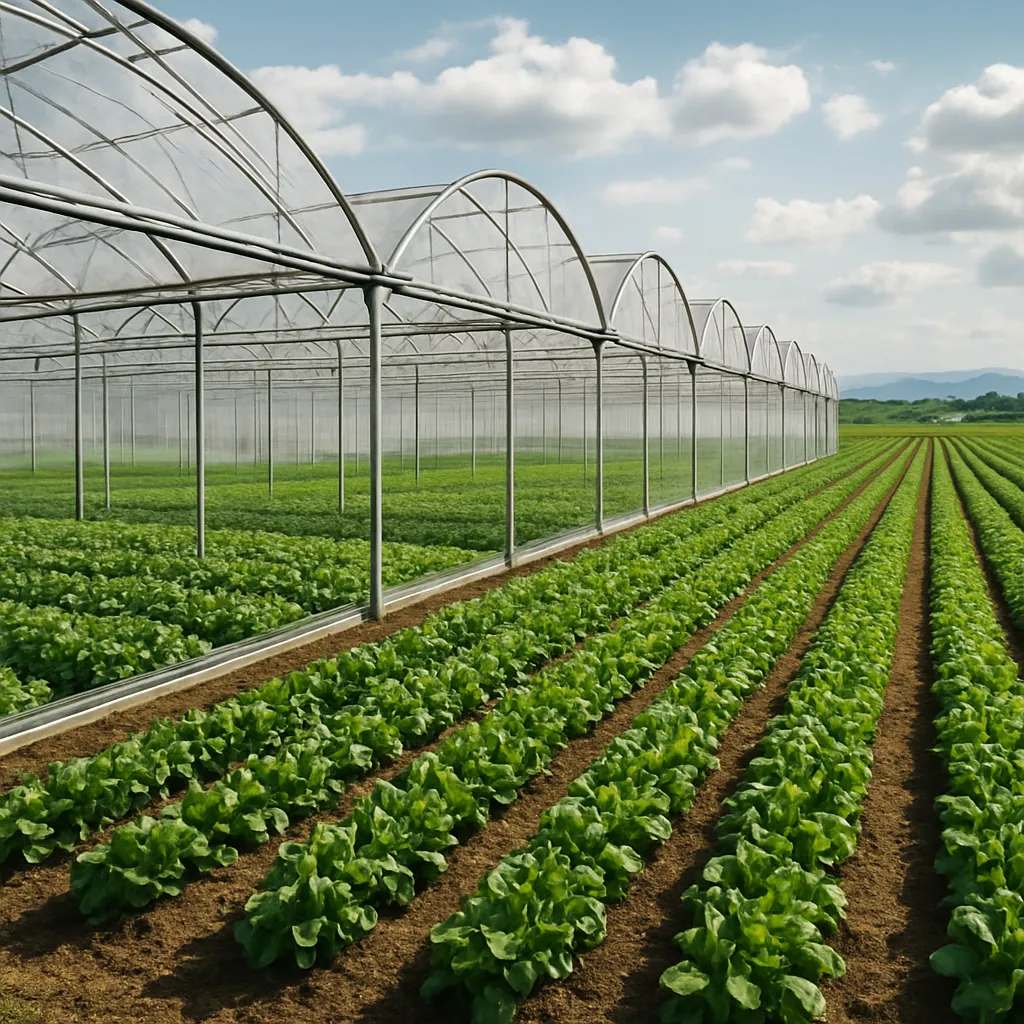
Agroforestry has emerged as a transformative approach for **sustainable** agriculture, integrating trees and shrubs with crops and livestock to foster resilient **ecosystems**. This synergy not only enhances **productivity** but also plays a pivotal role in mitigating **deforestation** and preserving vital natural resources. By examining innovative practices from world farms, this article explores how agroforestry strategies can shape a greener, more equitable future.
Agroforestry’s Role in Restoring Ecosystems
Agricultural expansion remains one of the leading drivers of forest loss worldwide. Traditional land management often relies on **monoculture**, which depletes soil nutrients, increases vulnerability to pests, and accelerates habitat destruction. Agroforestry, by contrast, emphasizes diversification:
- Alley Cropping: Cultivating rows of crops between lines of trees to improve soil structure and microclimate.
- Silvopasture: Integrating livestock grazing with tree planting to enhance nutrient cycling and animal welfare.
- Forest Farming: Growing high-value understory crops like mushrooms or medicinal plants beneath a managed forest canopy.
These systems offer multiple ecological benefits. Trees sequester **carbon**, reducing greenhouse gas concentrations. Deep roots enhance water infiltration, reducing runoff and preventing erosion. Increased plant diversity supports richer wildlife habitats, bolstering **biodiversity** and ecosystem resilience.
Carbon Sequestration and Climate Mitigation
One of the strongest arguments for agroforestry is its capacity to trap atmospheric carbon. Trees absorb CO₂ during photosynthesis and store it as biomass. On world farms from Latin America to Southeast Asia, farmers are adopting mixed-species plantations that can capture up to 50 tons of carbon per hectare over two decades. Such systems complement global climate goals, augmenting commitments under international agreements like the Paris Accord.
Socio-Economic Benefits for Smallholders
Beyond ecological gains, agroforestry can deliver tangible socio-economic improvements. Smallholder farmers often face volatile commodity markets and climatic uncertainties. By diversifying production, families secure multiple income streams and reduce risk. Key advantages include:
- Enhanced Livelihoods: Income from timber, fruits, nuts, and fodder supplements staple crop sales.
- Food Security: Diverse on-farm production ensures year-round access to nutritious foods.
- Capacity Building: Knowledge exchange through cooperatives and farmer field schools strengthens local expertise.
For many communities in Sub-Saharan Africa, integrating fast-growing shrubs like Gliricidia sepium with maize has improved soil fertility and boosted yields by up to 60%. Similarly, in Central America, coffee growers interplant shade trees to produce premium beans while regenerating degraded lands. These examples underscore agroforestry’s potential to foster economic **resilience** and social well-being.
Market Access and Value Chains
Accessing premium markets for agroforestry products often requires certification schemes like Rainforest Alliance or Fair Trade. These programs incentivize sustainable practices, offering price premiums and stable contracts. Strengthening value chains through processing facilities, cooperatives, and digital platforms can also help farmers capture more value, driving rural development and poverty alleviation.
Implementation Challenges and Strategic Solutions
Despite promising benefits, scaling up agroforestry faces obstacles. Common challenges include limited land tenure security, insufficient technical support, and upfront establishment costs. Addressing these issues requires coordinated action:
Policy and Institutional Support
Governments can enable agroforestry by:
- Reforming land tenure laws to grant farmers long-term use rights.
- Allocating subsidies or low-interest loans for tree seedlings and planting materials.
- Integrating agroforestry targets into national forestry and agricultural strategies.
In Brazil, the National Agroforestry Policy has mobilized millions of dollars to support family farmers, resulting in the restoration of degraded pasturelands and expansion of **sustainable** production.
Capacity Building and Knowledge Exchange
Successful adoption hinges on farmer training and peer-to-peer learning. Initiatives like Farmer Field Schools and demonstration plots showcase best practices in pruning, species selection, and multi-tiered cropping. Collaboration with universities and NGOs can tailor agroforestry models to local agroecological zones, ensuring adaptability and long-term viability.
Financing and Incentives
Innovative financing mechanisms are emerging to support agroforestry:
- Green Bonds earmarked for sustainable land-use projects.
- Results-based Payments rewarding carbon sequestration or biodiversity gains.
- Public-Private Partnerships that leverage corporate investment for smallholder outreach.
By blending public funds with private capital, these approaches reduce risks and create scalable business models.
Global Impact and Future Directions
The cumulative effect of widespread agroforestry adoption is profound. Restored tree cover can reconnect fragmented habitats, facilitate wildlife corridors, and reinforce ecological networks at landscape scales. On the economic front, diversified farms can withstand market shocks and extreme weather events, contributing to global food security.
Innovations in digital agriculture, such as remote sensing for tree growth monitoring and mobile apps for extension services, will further streamline implementation. Meanwhile, collaborative platforms among governments, research institutions, and community organizations will be essential to share **restoration** successes and lessons learned.
In the quest to curb deforestation and build climate-resilient food systems, agroforestry stands out as an integrated solution. By combining the strengths of trees, crops, and livestock, world farms can pave the way toward a future where economic development and environmental stewardship go hand in hand.