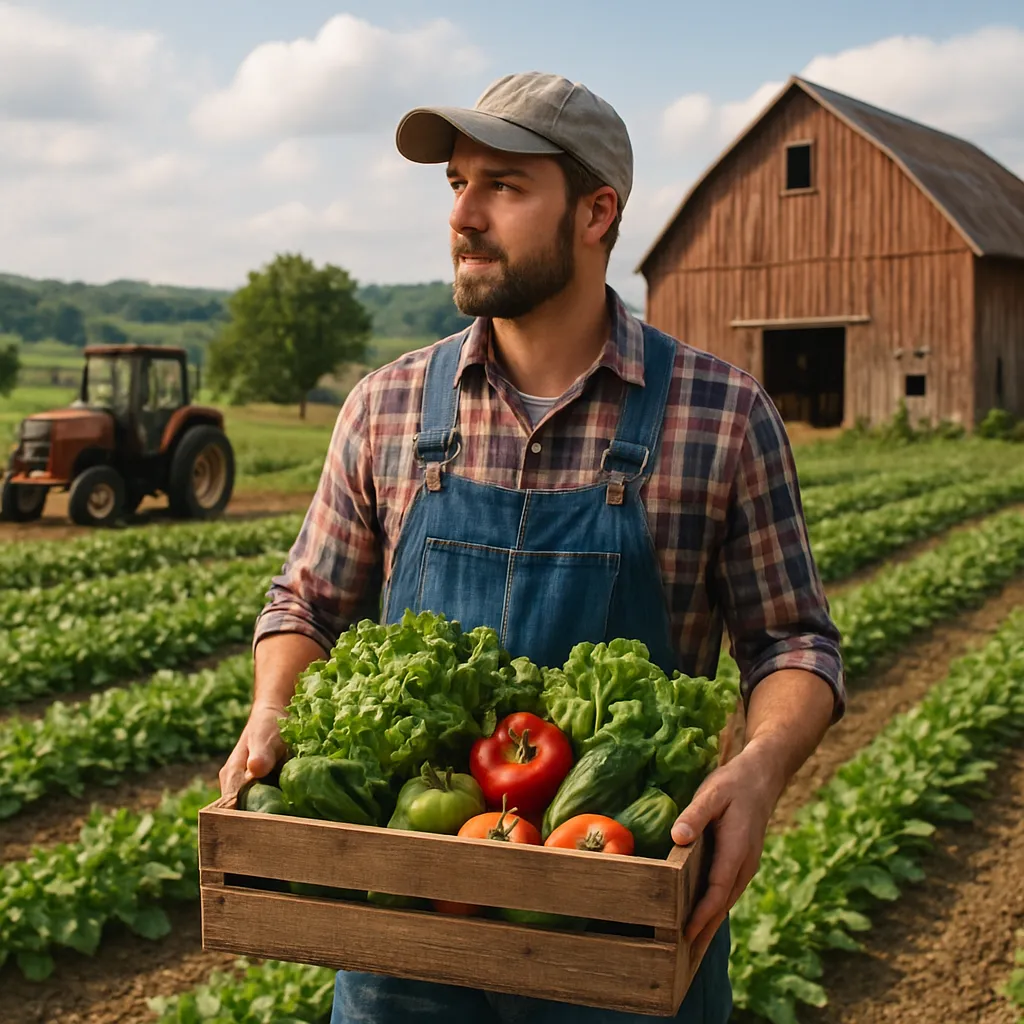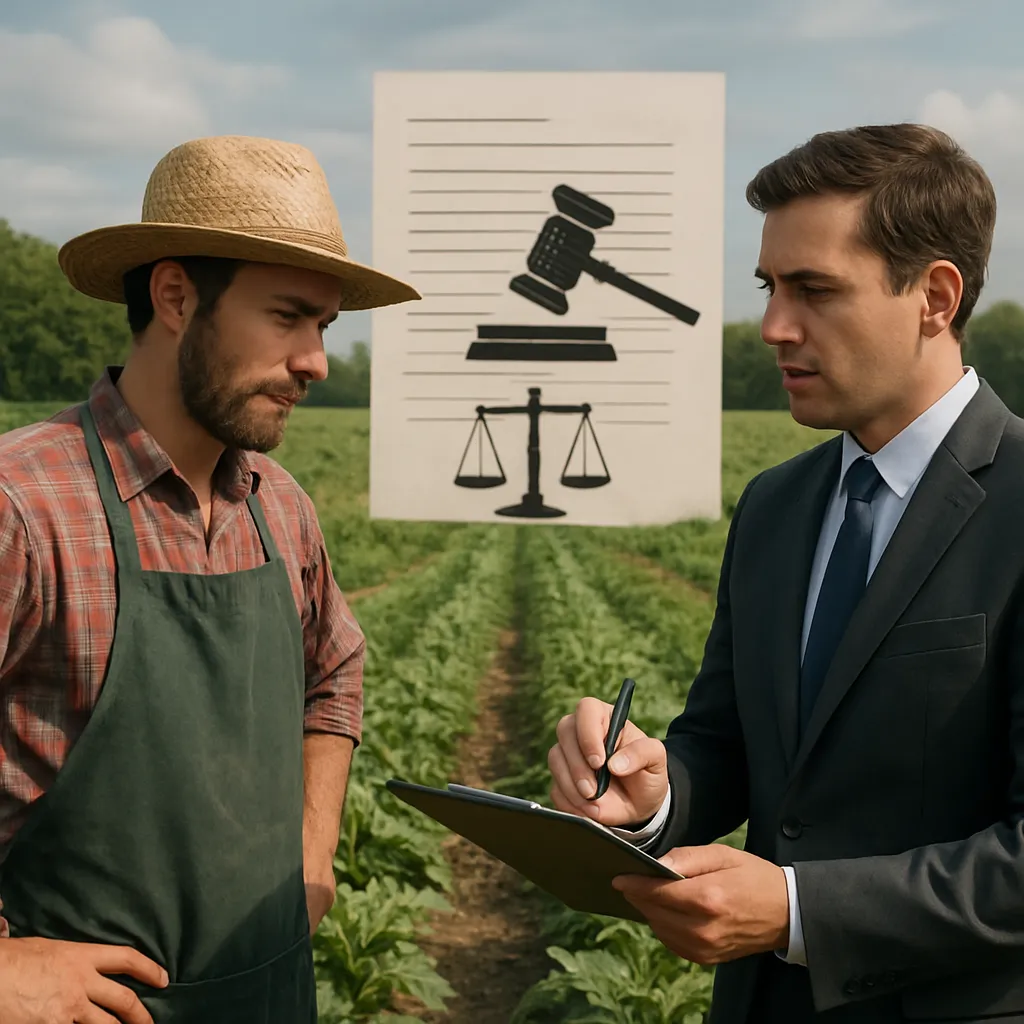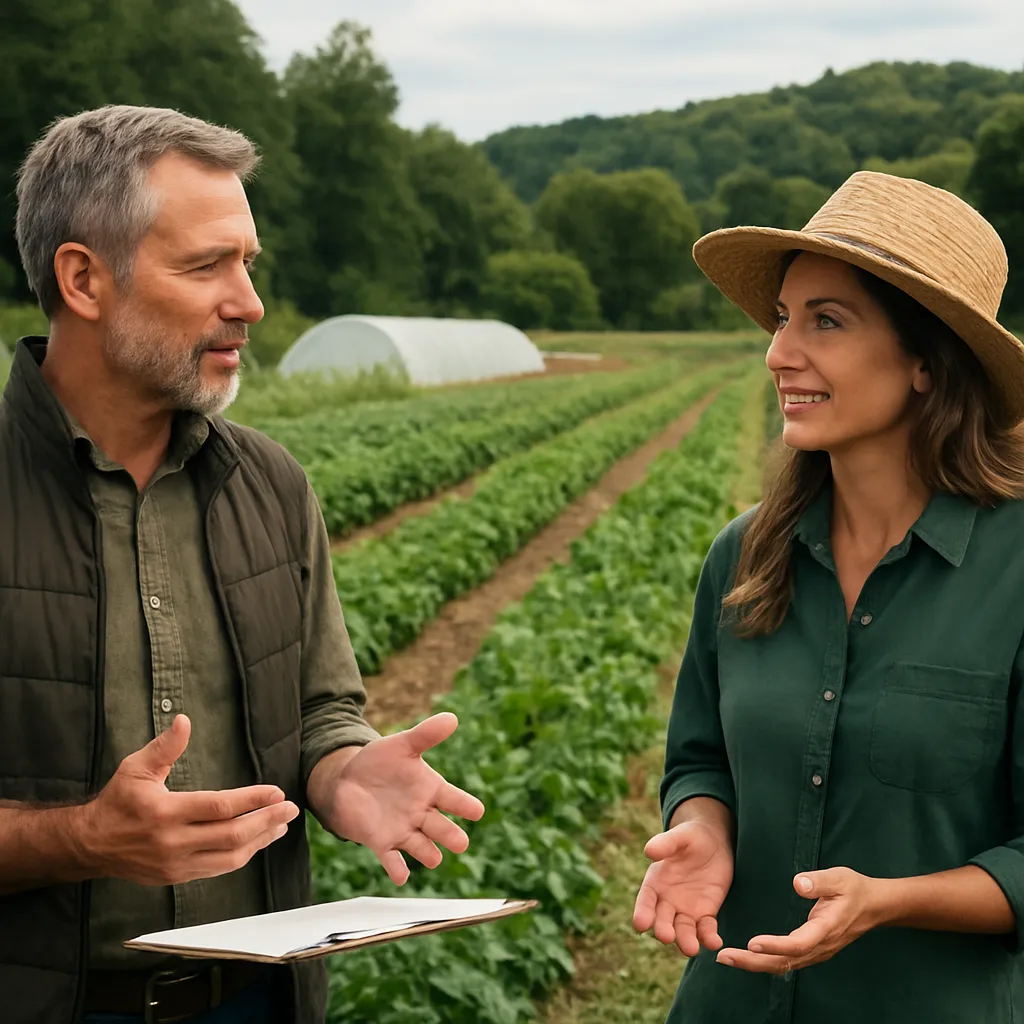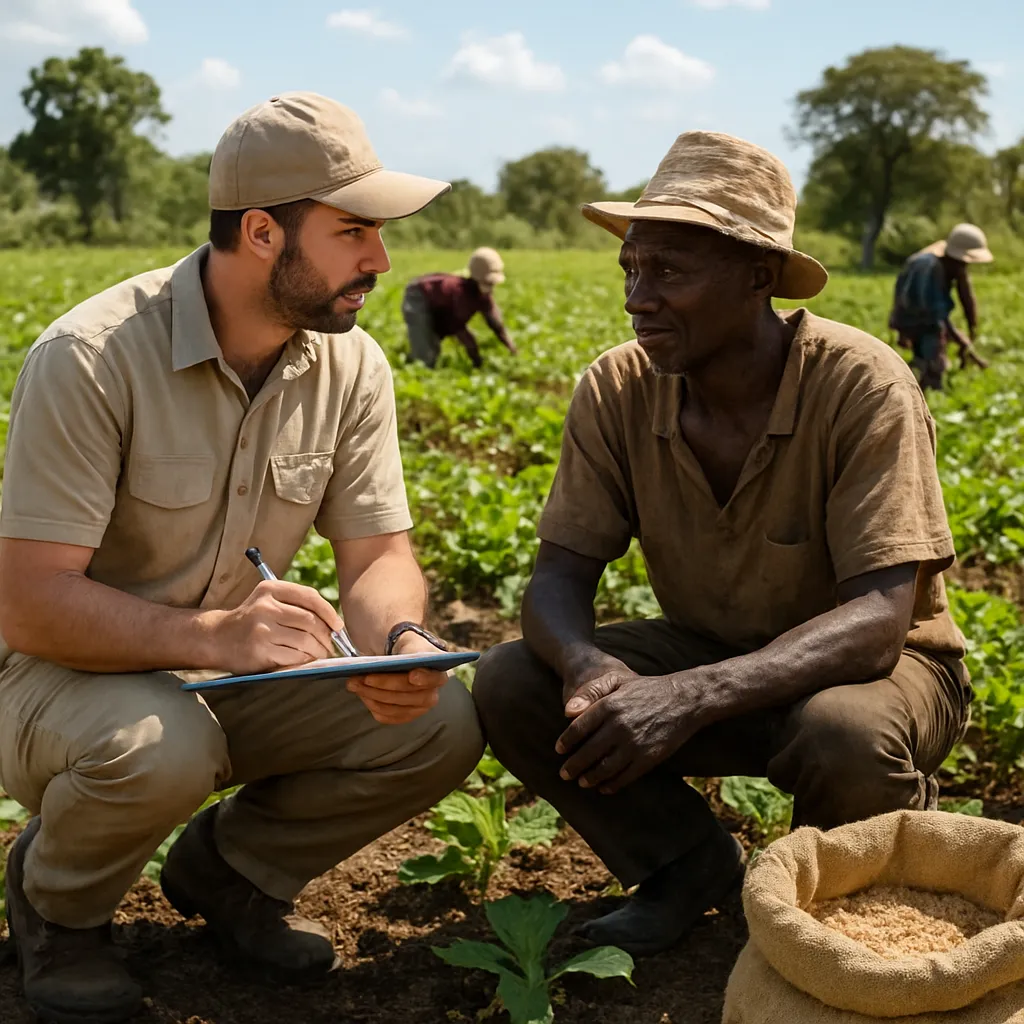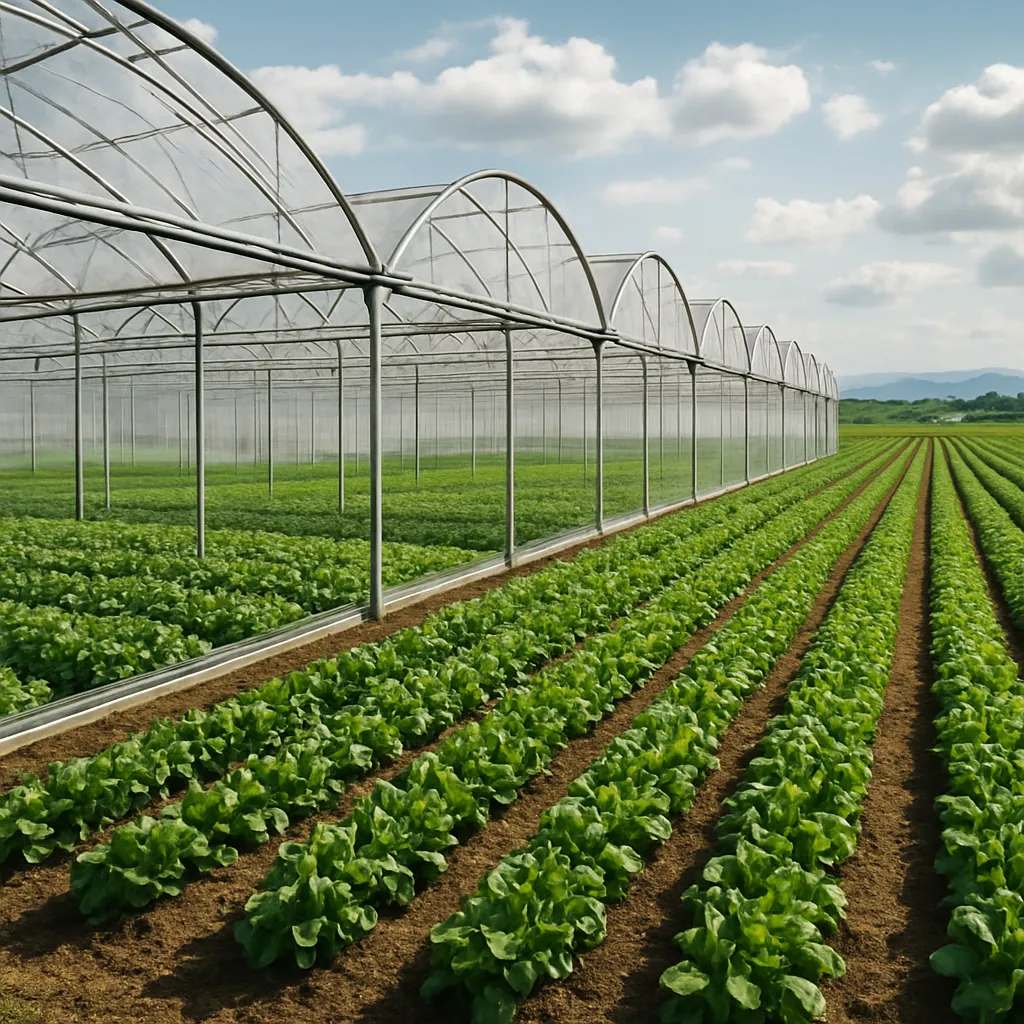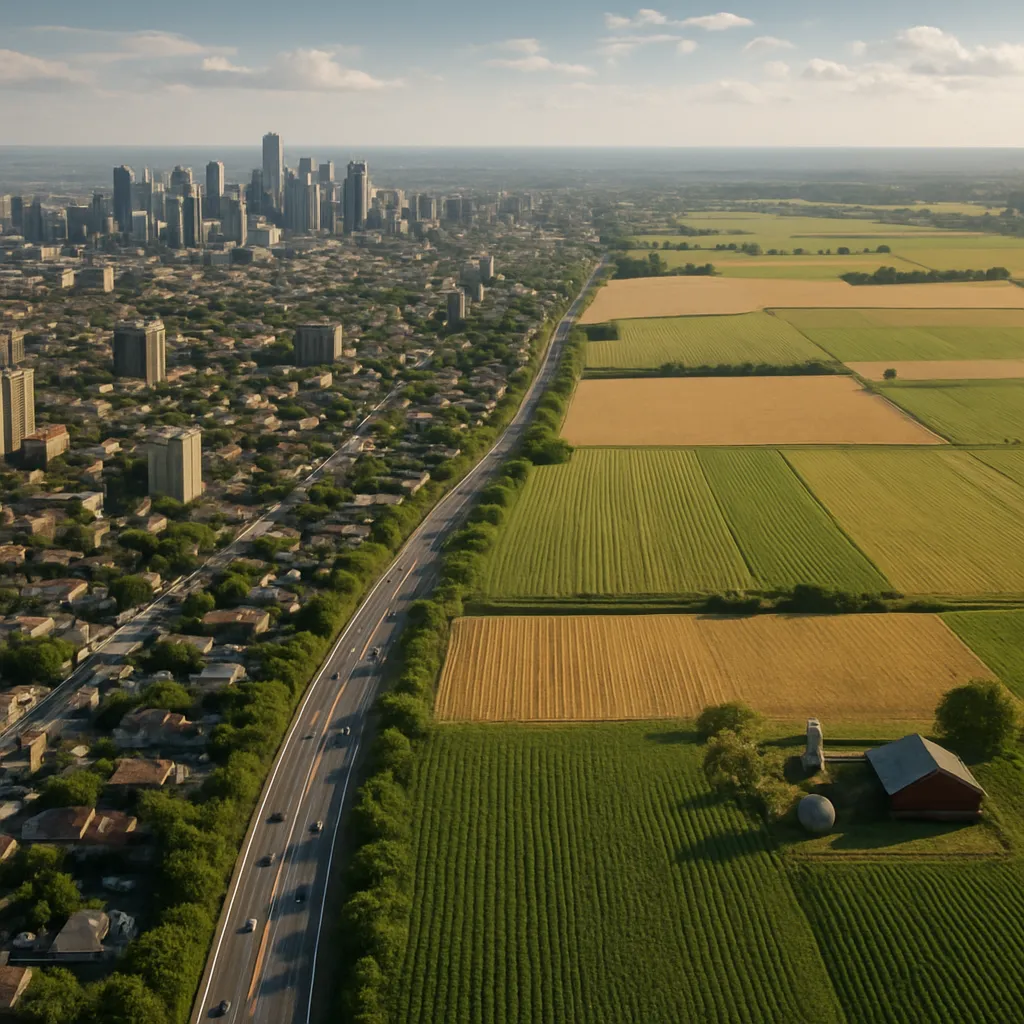
The expanding footprint of urban sprawl has profound implications for global farming communities, reshaping traditional agriculture systems and challenging food production networks. As cities push beyond their historic limits, once-fertile fields give way to housing developments and commercial zones, disrupting ecological balance and resource distribution. This transformation compels stakeholders—from smallholder farmers to multinational agribusinesses—to reevaluate practices in the name of sustainability and efficiency. The following analysis explores the complex intersections between urban expansion and farming, assessing environmental impacts, adaptive strategies, and emerging policy frameworks designed to secure food security and bolster climate resilience worldwide.
Urban Expansion and Agricultural Land Loss
Rapid population growth and economic development drive cities into peri-urban and rural territories. The process often entails converting prime farmland into residential subdivisions, industrial parks, and transport arteries. Consequently, many farming regions struggle to maintain contiguous tracts of land necessary for mechanized planting and efficient harvest cycles.
Patterns of Sprawl
Typical manifestations of urban sprawl include:
- Leapfrog development, where non-adjacent parcels of agricultural land are developed ahead of inner-city infill.
- Low-density housing, increasing the per capita land consumption and fragmenting croplands.
- Infrastructure corridors—roads, pipelines, power lines—that bisect fields and complicate farm operations.
Fragmentation reduces yield potential by isolating plots, increasing travel time for equipment, and limiting economies of scale. Moreover, developers often target the most fertile soils, amplifying the loss of high-quality farmland.
Environmental Consequences for Farms
As urban areas encroach, agricultural practices face mounting ecological pressures. Land-use change undermines soil health, water quality, and local wildlife habitats crucial for maintaining crop pollination and pest control services.
Soil and Water Challenges
Construction activities disturb topsoil, leading to heightened soil erosion and sedimentation in waterways. Urban runoff carries pollutants—heavy metals, oils, and nutrients—into irrigation networks, degrading water quality and raising treatment costs for farmers.
Biodiversity Loss
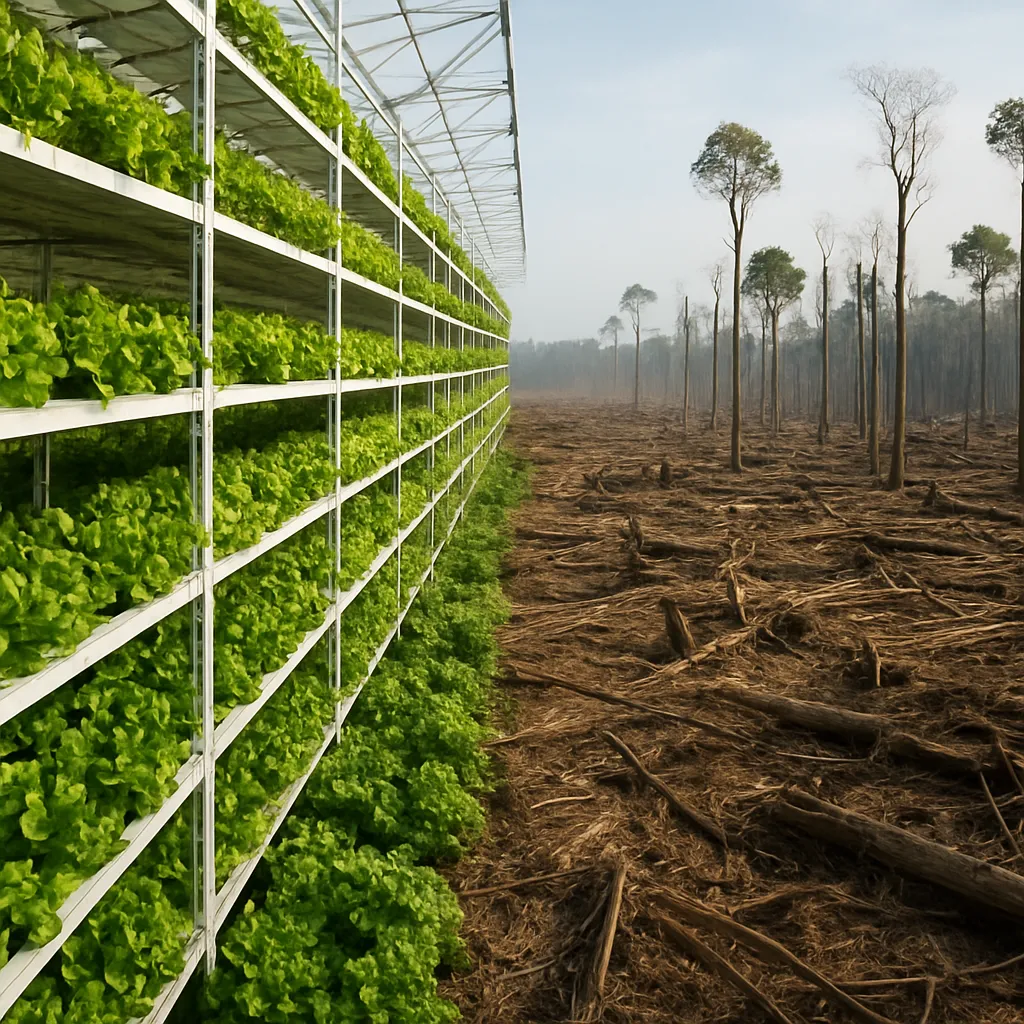
The removal of hedgerows and wetlands for development diminishes habitats for beneficial insects, birds, and native plants. Reduced biodiversity compromises natural pest regulation and pollinator populations, forcing some producers to rely more heavily on chemical inputs into their cropping systems.
Adaptive Strategies in Global Farming
Farmers and researchers are pioneering innovative approaches to mitigate the impact of urbanization on production systems. Emphasis has shifted toward optimizing resource use, harnessing new technologies, and integrating agricultural tasks more effectively within shrinking land parcels.
Precision Agriculture and Technology
- Use of drones and satellite imaging to monitor crop health on irregular plots.
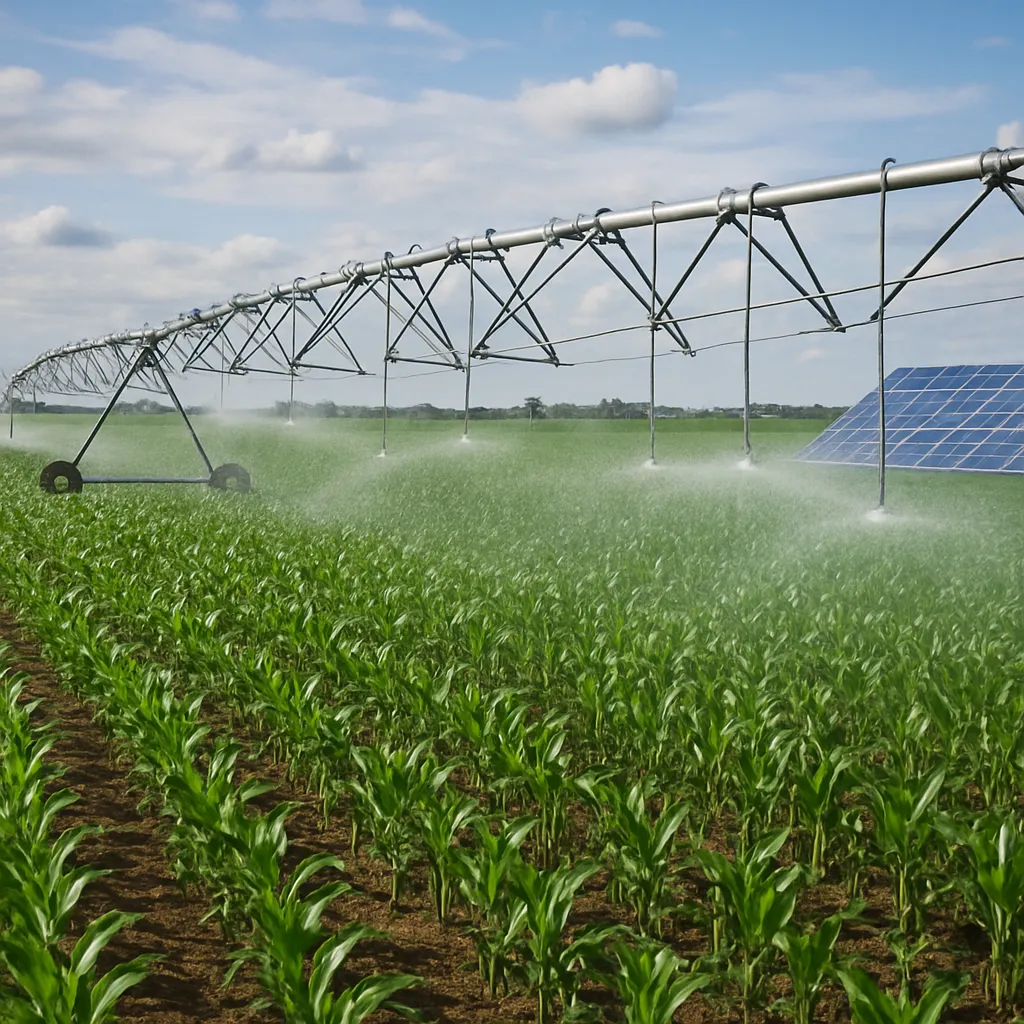
- Automated irrigation systems that adjust water delivery based on real-time soil moisture data.
- Soil sensors to detect nutrient deficiencies and reduce wasteful fertilizer application.
Such innovations enhance yields, lower input costs, and promote environmentally friendly practices by tailoring interventions to specific field conditions.
Agroecological Practices
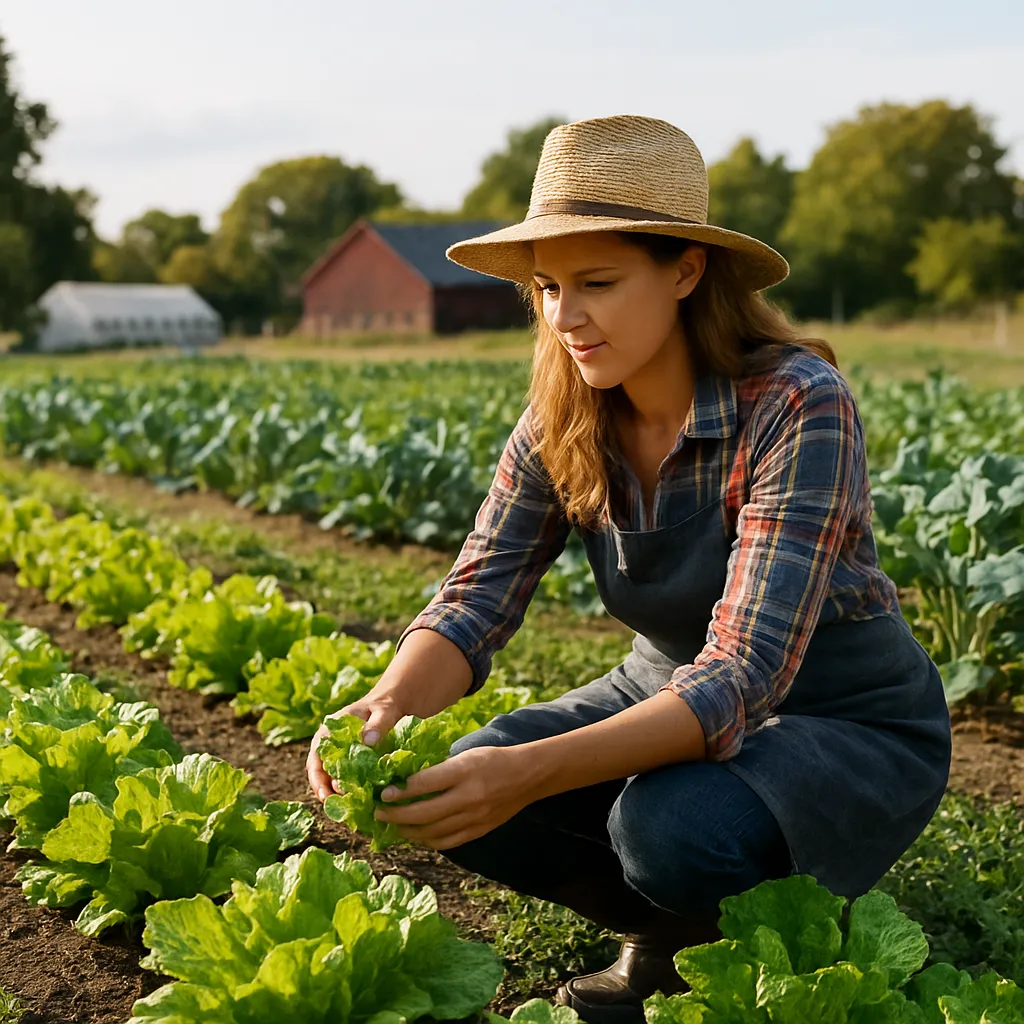
Integrating agroforestry, cover cropping, and rotational grazing bolsters soil structure while preserving vital ecoservices. These methods support more resilient landscapes capable of withstanding extreme weather events, thereby reinforcing climate resilience across farming regions.
Policy Initiatives and Future Outlook
Governments and international bodies are increasingly aware of the need to balance urban growth with agricultural preservation. Effective regulations and incentives can guide development toward less productive lands while safeguarding essential farm areas.
Zoning and Land-Use Planning
Strategic zoning restricts high-density development on prime farmland, redirecting building permits toward brownfield sites and areas of lower ecological value. By prioritizing infill over outward expansion, municipalities can curb unnecessary conversion of productive lands.
Financial Mechanisms
- Tax credits and subsidies for farmers who adopt conservation easements, preventing future land sales for development.
- Grant programs supporting farm-to-city supply chains, reducing transportation emissions and strengthening urban food systems.
- Investment in rural infrastructure—roads, storage facilities, water distribution—to improve farm viability without encroaching on new terrains.
Such measures encourage collaboration between urban planners and agricultural stakeholders, creating integrated solutions that address both housing demands and the necessity of robust farming operations.