Global agricultural landscapes are experiencing a profound transformation as the Internet of Things brings unprecedented levels of precision and insight into every stage of crop production. From smallholder farms to sprawling commercial operations, connected devices enable growers to respond rapidly to environmental fluctuations, optimize resource allocation, and unlock new productivity gains.
Enhancing Precision Agriculture with IoT
Sensors and Real-Time Monitoring
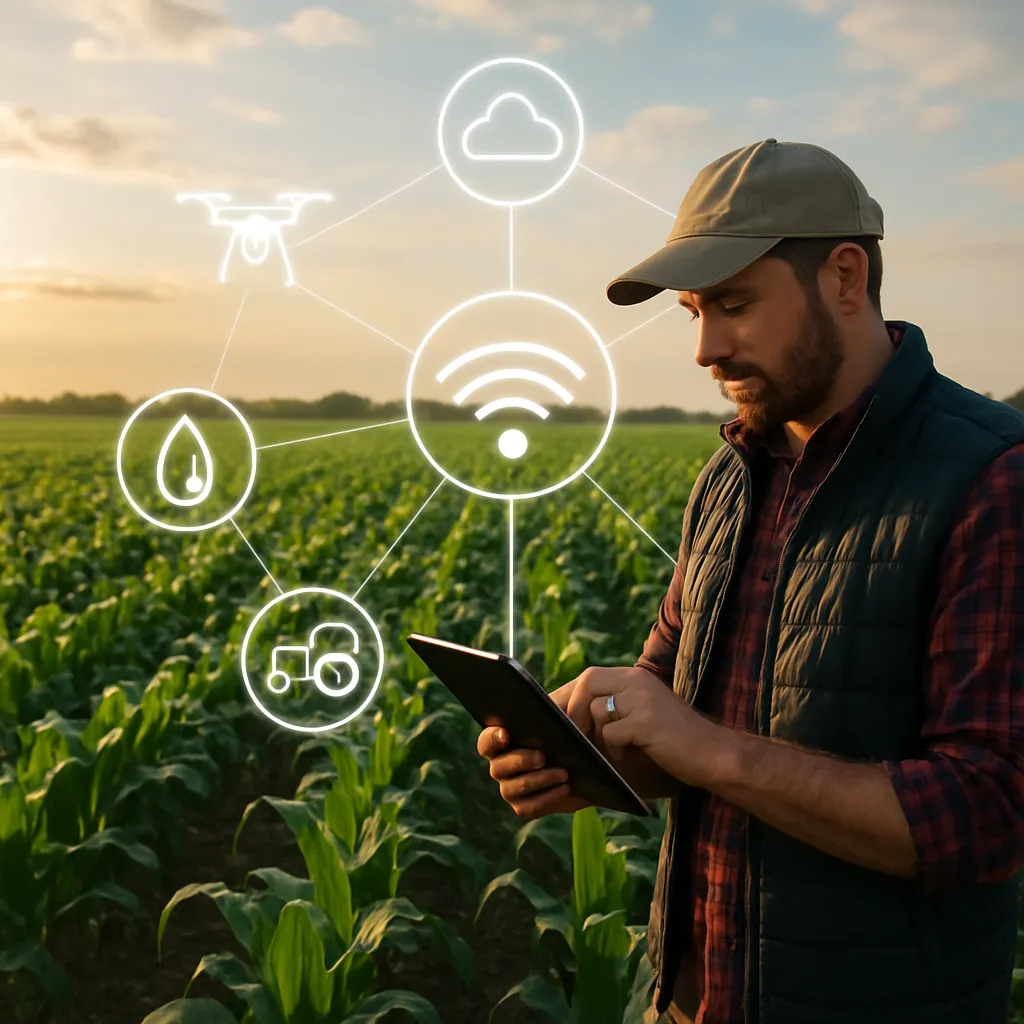
Distributed networks of soil moisture probes, weather stations and aerial drones deliver continuous feedback on field conditions. Farmers receive alerts when moisture drops below optimal thresholds or when temperature anomalies threaten emerging seedlings. Advanced soil sensors measure pH levels, nutrient content and electrical conductivity, allowing targeted fertilizer application and minimizing runoff. By leveraging connectivity, these devices feed data into central dashboards, empowering managers to make timely decisions that boost efficiency and sustainability.
Automated Machinery and Robotics
Tractors and harvesters equipped with GPS-guided steering, adaptive tillage tools and robotic arms are changing the face of large-scale operations. Autonomous vehicles navigate fields using machine vision and LiDAR, performing seeding, weeding and harvesting tasks with remarkable accuracy. This level of automation reduces labor shortages, lowers operational costs and ensures consistent application of inputs. As these machines communicate over low-power wide-area networks, fleets can be coordinated in real time to respond to shifting priorities across multiple plots.
Sustainable Water and Soil Management
Smart Irrigation Systems
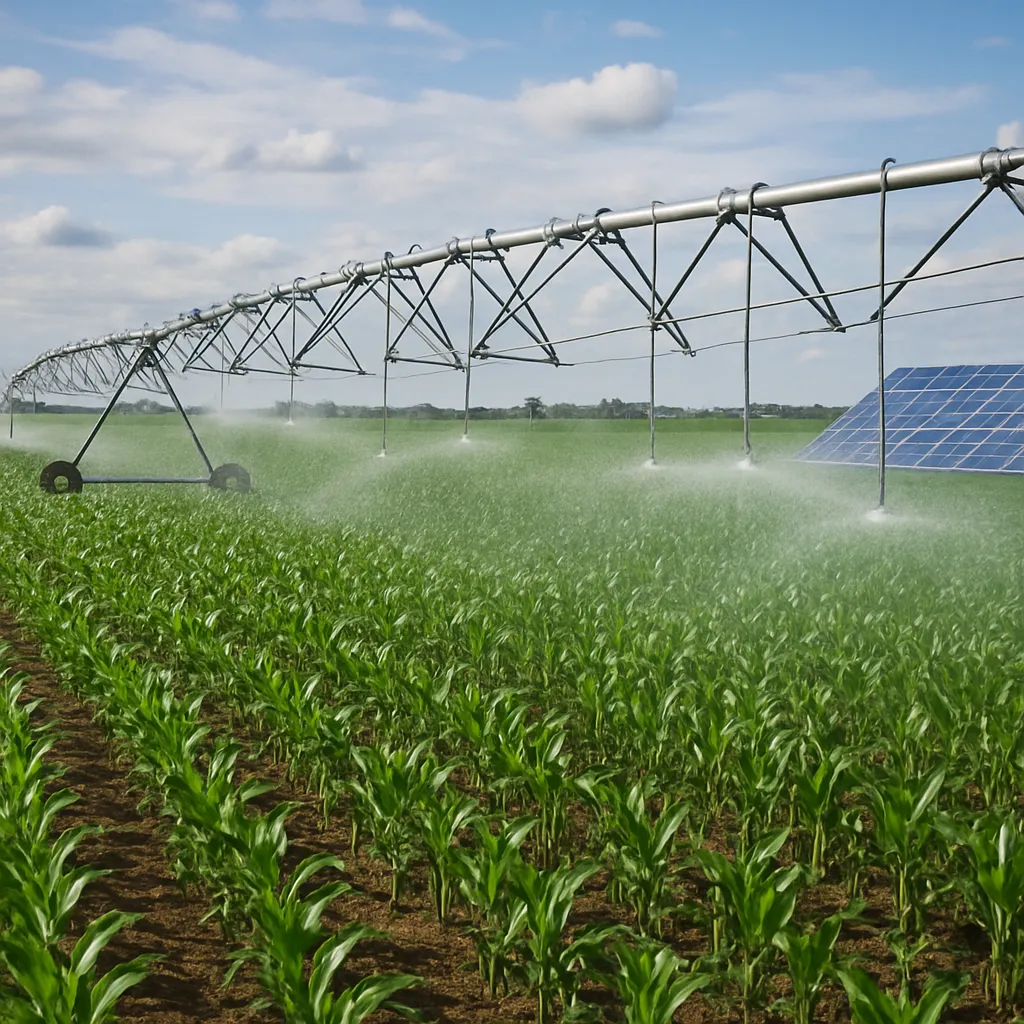
IoT-enabled irrigation controllers integrate weather forecasts, soil moisture readings and crop evapotranspiration rates to fine-tune water delivery. Through predictive algorithms, growers can schedule watering events tailored to actual plant needs rather than fixed timetables. Remote valves and sprinklers automatically adjust flow rates and coverage zones, ensuring every drop contributes to healthy growth. In arid regions, this precision combats water scarcity while preserving aquifers and protecting local ecosystems.
Soil Health Monitoring
Maintaining soil vitality is vital for long-term farm productivity. Connected probes measure organic matter content, compaction levels and microbial activity, informing crop rotation and cover cropping strategies. Data collected over seasons reveals trends in nutrient depletion and soil structure changes, guiding regenerative practices that restore biodiversity. These insights foster resilient growing environments and align with global efforts to reduce agricultural carbon footprints.
Supply Chain Optimization and Market Access
Cold Chain Monitoring
From harvest to retail shelf, perishable goods travel through temperature-controlled logistics networks. IoT trackers affixed to crates and pallets monitor temperature, humidity and shock events throughout transit. Alerts are triggered if conditions deviate from predefined ranges, enabling corrective action to prevent spoilage. This level of oversight reduces food waste, safeguards consumer health and strengthens brand reputation.
Traceability and Food Safety
Consumers increasingly demand transparency regarding the origin and handling of food. IoT-based RFID tags and blockchain integrations create immutable records for each batch. Stakeholders can trace produce from field to fork, verifying compliance with safety standards and ethical sourcing policies. Enhanced traceability systems deter fraud, streamline recalls and elevate trust across global supply chains.
- Sensor networks for early disease detection
- Blockchain-enabled traceability platforms
- Automated sorting and grading machinery
- Predictive analytics for demand forecasting
Data Analytics, AI and Future Challenges
Integrating Big Data and Machine Learning
Vast streams of data generated by IoT devices require robust analytics to extract actionable knowledge. Cloud-based platforms apply machine learning models to identify patterns in yield variability, pest outbreaks and market trends. By combining satellite imagery, drone surveys and ground sensors, predictive tools forecast optimal planting windows and harvest dates. This synergy of data sources paves the way for hyper-personalized recommendations at the field level.
Connectivity and Infrastructure Gaps
Rural connectivity remains a significant barrier in many developing regions. Expanding coverage via low-earth orbit satellites, mesh networks and low-power wide-area technologies is critical. Investments in reliable power supplies, maintenance services and local training ensure long-term viability of IoT solutions. Overcoming these infrastructure challenges will democratize access to digital farming tools and empower small-scale producers to compete globally.
Interoperability and Data Governance
As the ecosystem of agricultural devices diversifies, establishing common communication protocols and open standards is paramount. Seamless data exchange between sensors, machinery and software platforms prevents vendor lock-in and fosters innovation. At the same time, robust data governance frameworks must address privacy, ownership and cybersecurity. Farmers should retain control over their proprietary information while benefiting from collaborative research and marketplace insights.
Environmental and Social Impacts
IoT-driven farming has the potential to reduce greenhouse gas emissions, conserve water and promote biodiversity through precise interventions. However, equitable adoption is essential to avoid widening the gap between large agribusinesses and resource-poor farmers. Public-private partnerships, extension services and microfinancing programs can support inclusive technology transfer. By aligning economic incentives with environmental stewardship, connected agriculture can contribute to food security and rural livelihoods worldwide.