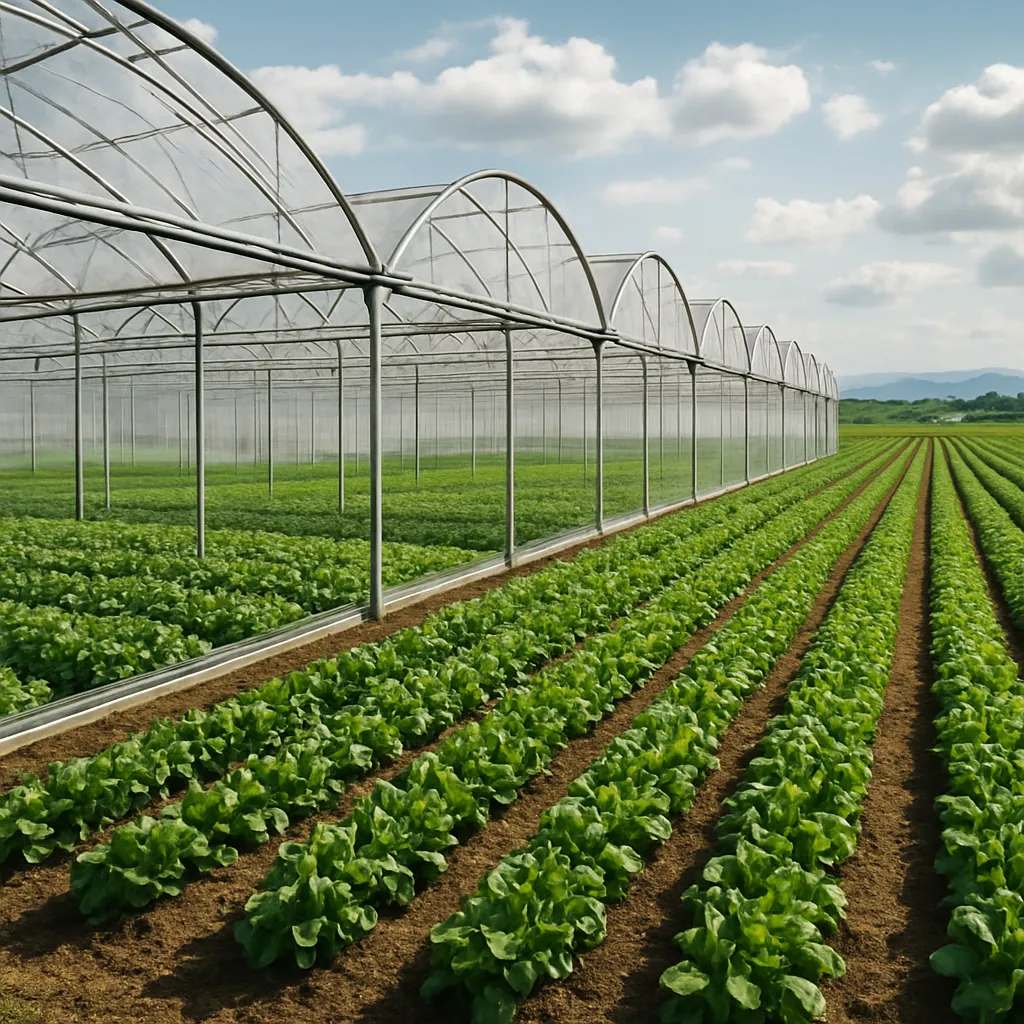
The Impact of Global Trade on Farming Practices explores how cross-border exchanges shape the methods, economies, and environments of agricultural communities. As the world becomes ever more connected, farmers must navigate shifting demands, emerging opportunities, and mounting pressures to balance sustainability with profitability. This article delves into key areas where international commerce intersects with food production, examining economic drivers, technological advances, ecological consequences, and prospects for future growth in a rapidly changing landscape.
Influence of Trade Flows on Farming Economies
Over recent decades, expanding trade agreements and supply chain integration have redefined the scale and scope of farm operations worldwide. Producers in developing regions often see a surge in export opportunities for commodities such as coffee, cocoa, and fresh produce. Access to lucrative market channels can boost incomes, yet it also introduces volatility. Price fluctuations on international exchanges may force farmers to specialize in a narrow range of cash crops, raising concerns about long-term financial stability.
Key factors shaping economic outcomes include:
- Tariff policies and import/export duties that affect profit margins
- Currency exchange rates influencing the competitiveness of farm goods
- Contract farming arrangements that tie smallholders to multinational buyers
- Infrastructure investments—ports, roads, storage facilities—that facilitate or hinder access to markets
While lucrative export deals can stimulate rural development, overreliance on a few commodities risks undermining resilience in the face of climatic shocks or geopolitical tensions. Diversification strategies, such as value-added processing or blended crop rotations, help mitigate these vulnerabilities. Some regions are experimenting with regional trading blocs to create more equitable terms for farmers and reduce dependency on distant consumers.
Technological Advancements and Sustainable Practices
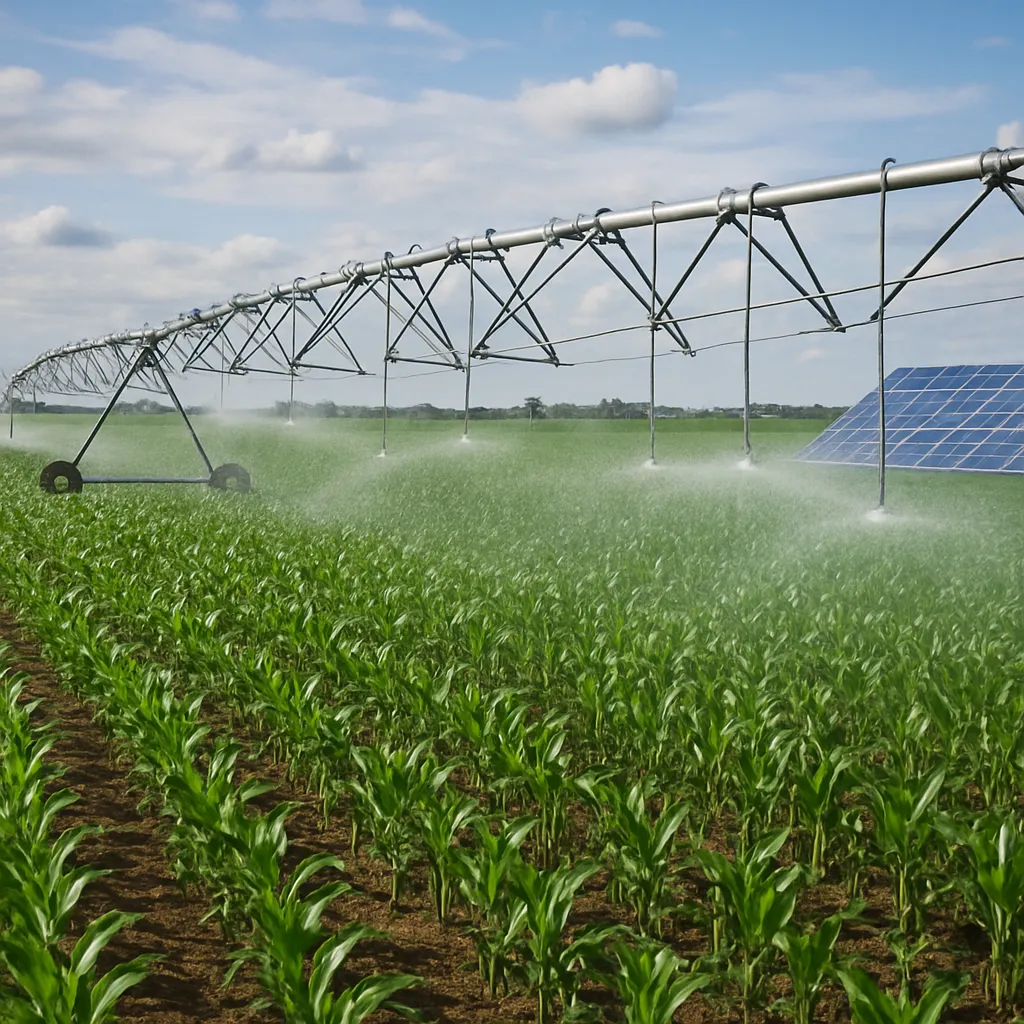
Innovations in technology—from precision agriculture sensors to drone-based field mapping—are revolutionizing traditional farming. These tools optimize resource use, improve crop yields, and enable real-time monitoring of soil health. Global knowledge networks allow farmers to adopt best practices developed thousands of miles away, accelerating the spread of climate-smart techniques.
- Soil moisture sensors send alerts when irrigation is needed, saving water in arid zones.
- Genetically improved seeds tailored to resist local pests and diseases reduce pesticide reliance.
- Data analytics platforms forecast weather patterns, guiding planting schedules and harvest timing.
- Mobile apps connect farmers with suppliers, enabling bulk purchases and collective bargaining power.
These technological shifts bolster productivity and contribute to biodiversity conservation by promoting precision rather than blanket chemical applications. Practices like agroforestry integrate trees and shrubs into crop fields, enhancing carbon sequestration and habitat diversity. By linking global research institutions with on-the-ground cooperatives, knowledge-sharing platforms foster a community-driven approach to sustainability.
Environmental and Social Impacts of International Farming
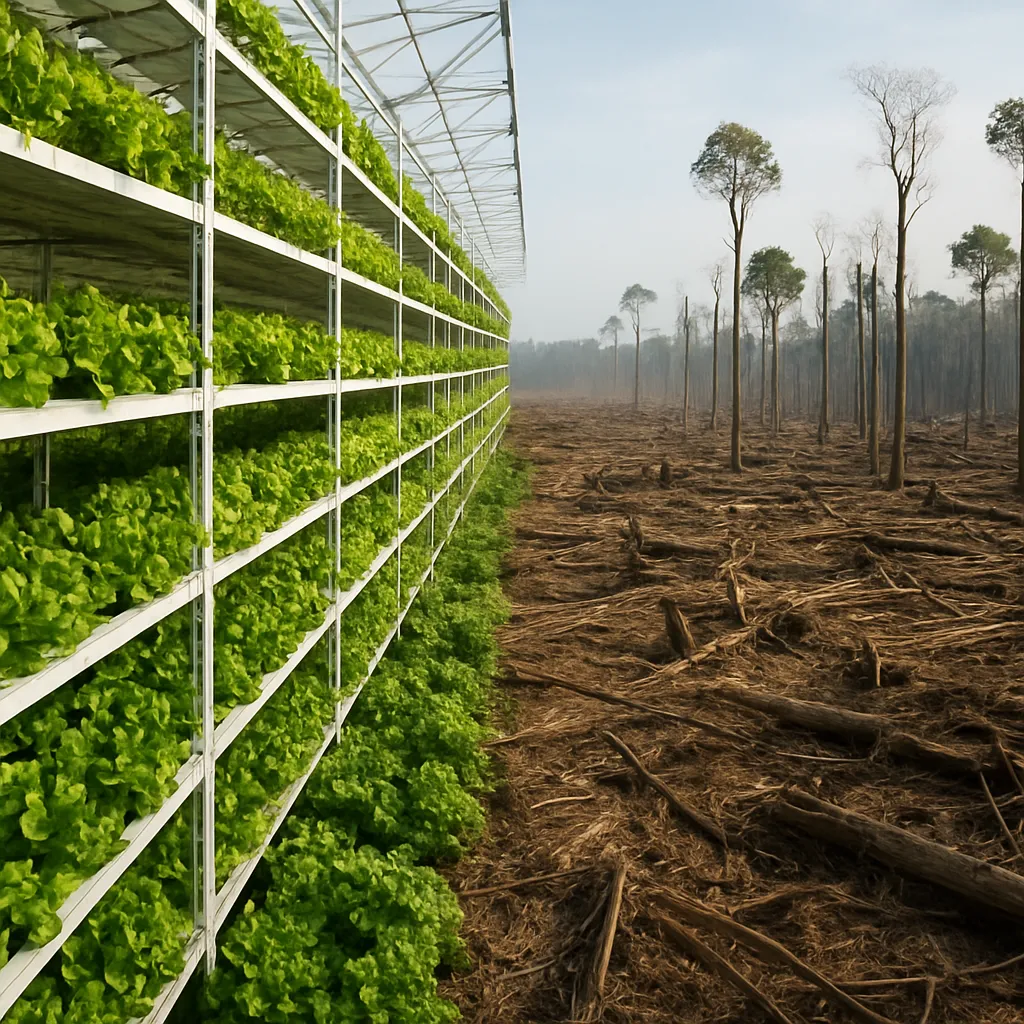
Expanding agricultural frontiers to meet global demand often comes at the cost of natural landscapes. Tropical deforestation for soybean and palm oil cultivation, intensive water withdrawal for cotton irrigation, and monoculture plantations pose serious threats to local ecosystems. These land-use changes contribute to soil erosion, decreased groundwater recharge, and loss of native flora and fauna.
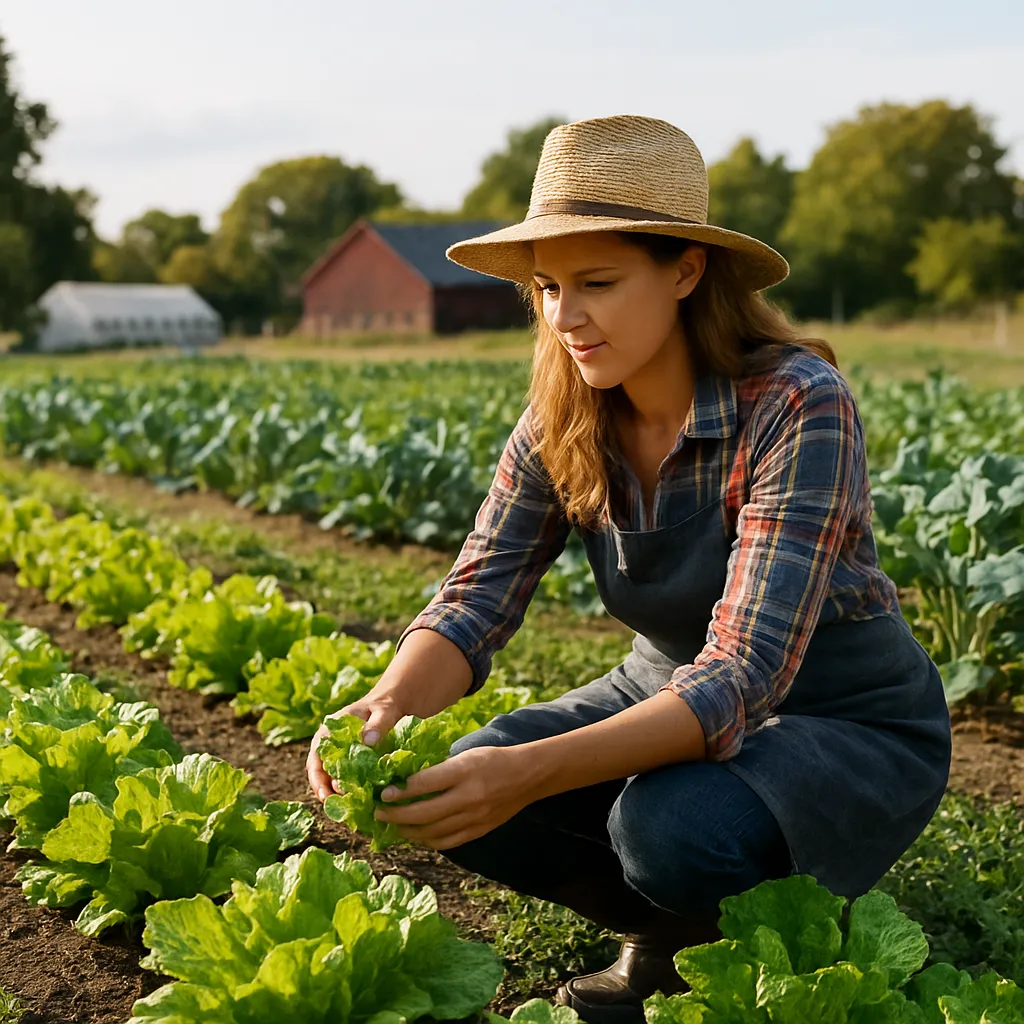
Moreover, social dimensions cannot be overlooked. Migration from rural areas to urban centers intensifies as small-scale family farms struggle against large agribusiness competition. In some regions, this shift erodes traditional knowledge systems and communal land tenure practices. On the other hand, fair-trade certification programs aim to improve working conditions, uphold labor rights, and ensure that farmers receive a just share of profits.
- Environmental certification standards encourage reduced chemical inputs and habitat preservation.
- Community-led monitoring initiatives document biodiversity impacts and advocate for conservation.
- Microfinance schemes empower women and youth to invest in sustainable agricultural ventures.
By understanding these intertwined challenges, policymakers and private actors can develop frameworks that prioritize ecological integrity alongside economic growth. Regional assessments of carbon footprints and water usage metrics help align agricultural expansion with global climate goals.
Challenges and Future Directions in Global Agriculture
The agricultural sector faces a myriad of emerging obstacles: climate change-driven weather extremes, resource depletion, and shifting consumer preferences toward organic or locally sourced foods. Meeting future food needs requires innovative solutions that harmonize innovation with resource conservation.
Potential pathways include:
- Genomic editing tools to create stress-tolerant crops without compromising nutritional value.
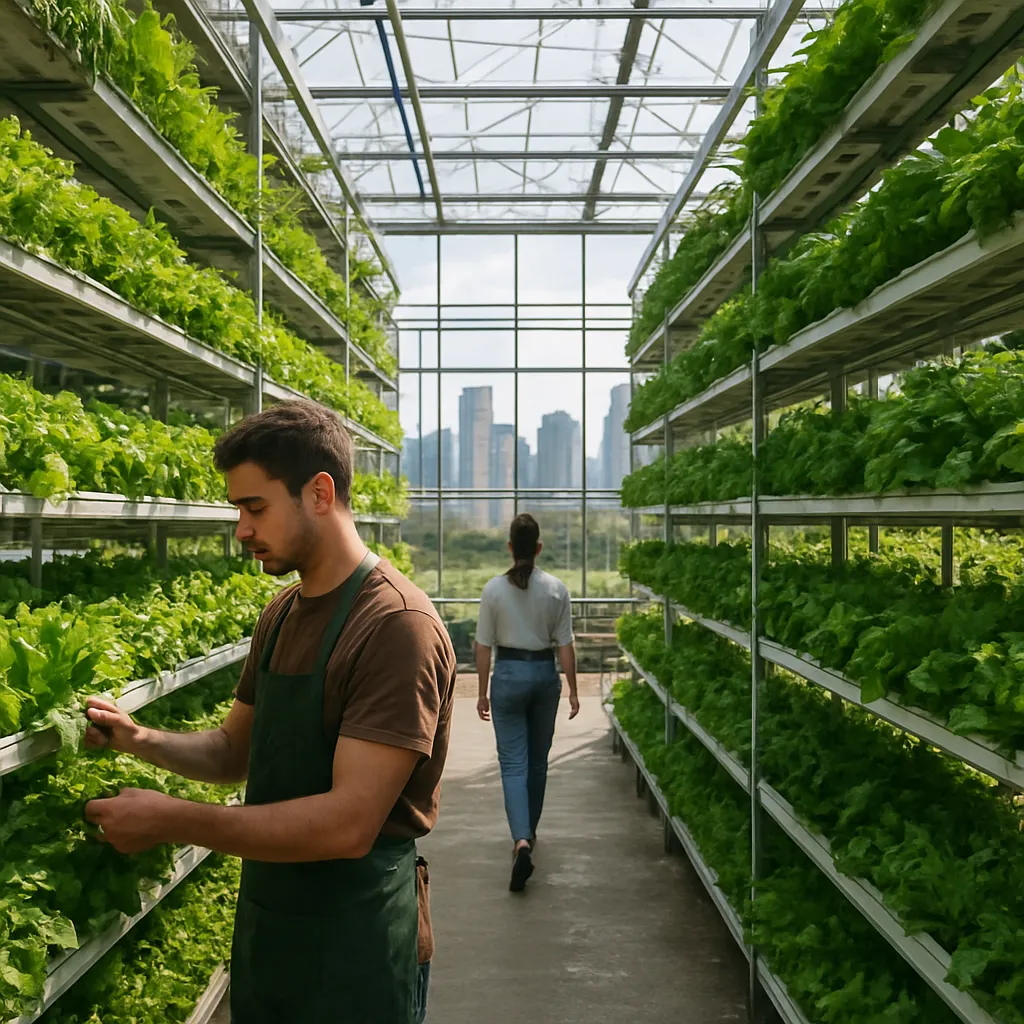
- Vertical farming and controlled environment agriculture to reduce land pressures.
- Blockchain traceability systems that ensure supply chain transparency and food safety.
- Payment for ecosystem services (PES) programs that reward farmers for carbon sequestration, watershed protection, and habitat maintenance.
International cooperation is essential to scale these initiatives. Collaboration between governments, research institutes, and agribusinesses can fund pilot projects that demonstrate scalable, context-specific solutions. Capacity-building programs should focus on equipping farmers with digital literacy and climate adaptation skills.
Ultimately, the ongoing evolution of global trade will continue to shape farming practices. By embracing sustainability, harnessing technological advancements, and promoting equitable economic models, the agricultural community can strive toward a resilient, inclusive future.