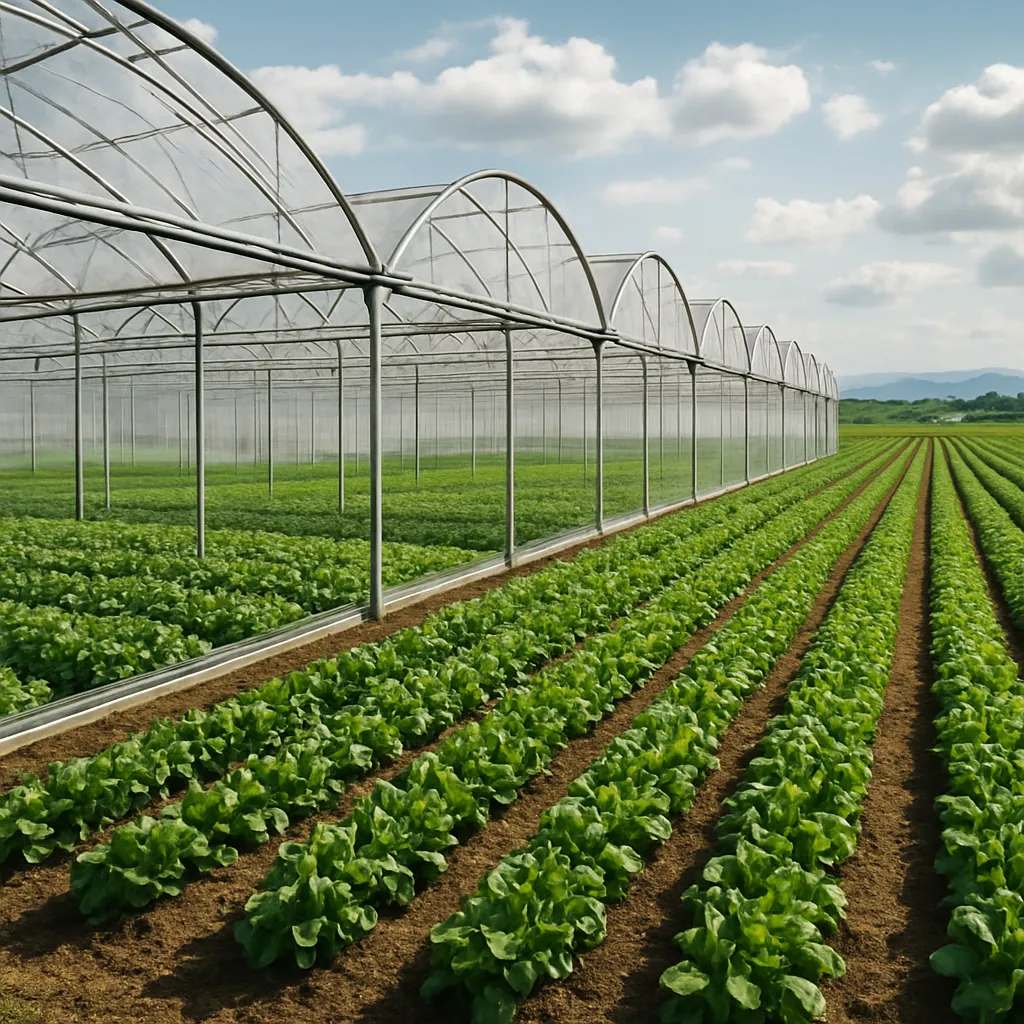
The interplay between **global supply chains** and **local farms** has far-reaching consequences for economies, communities, and ecosystems around the world. Understanding how the integration of small-scale agricultural producers into expansive trade networks affects rural livelihoods is essential for crafting policies that balance competitiveness with social and environmental justice. This article delves into economic, environmental, and cultural dimensions of that dynamic, while exploring strategies to bolster resilience and foster meaningful localization.
Economic Dynamics between Global Chains and Local Farms
Agricultural commodities now crisscross continents, driven by innovation in logistics, digital traceability systems, and economies of scale. While some farmers gain new market access, others struggle to compete with low-cost imports. Key factors include:
- Market Access: Large retailers and exporters often dictate pricing structures, forcing smallholders to accept razor-thin margins.
- Supply Volatility: Price swings in international commodity markets can leave local producers exposed to unpredictable income streams.
- Investment Pressures: To meet export-grade standards, farmers may invest heavily in certified inputs, straining limited capital.
Yet global linkages can also lead to sustainability premiums, where eco-conscious consumers pay higher prices for ethically sourced produce. Farmer cooperatives that achieve fair-trade or organic certification can leverage global demand to reinvest in infrastructure, training, and community projects.
Environmental Impacts and Sustainability Challenges
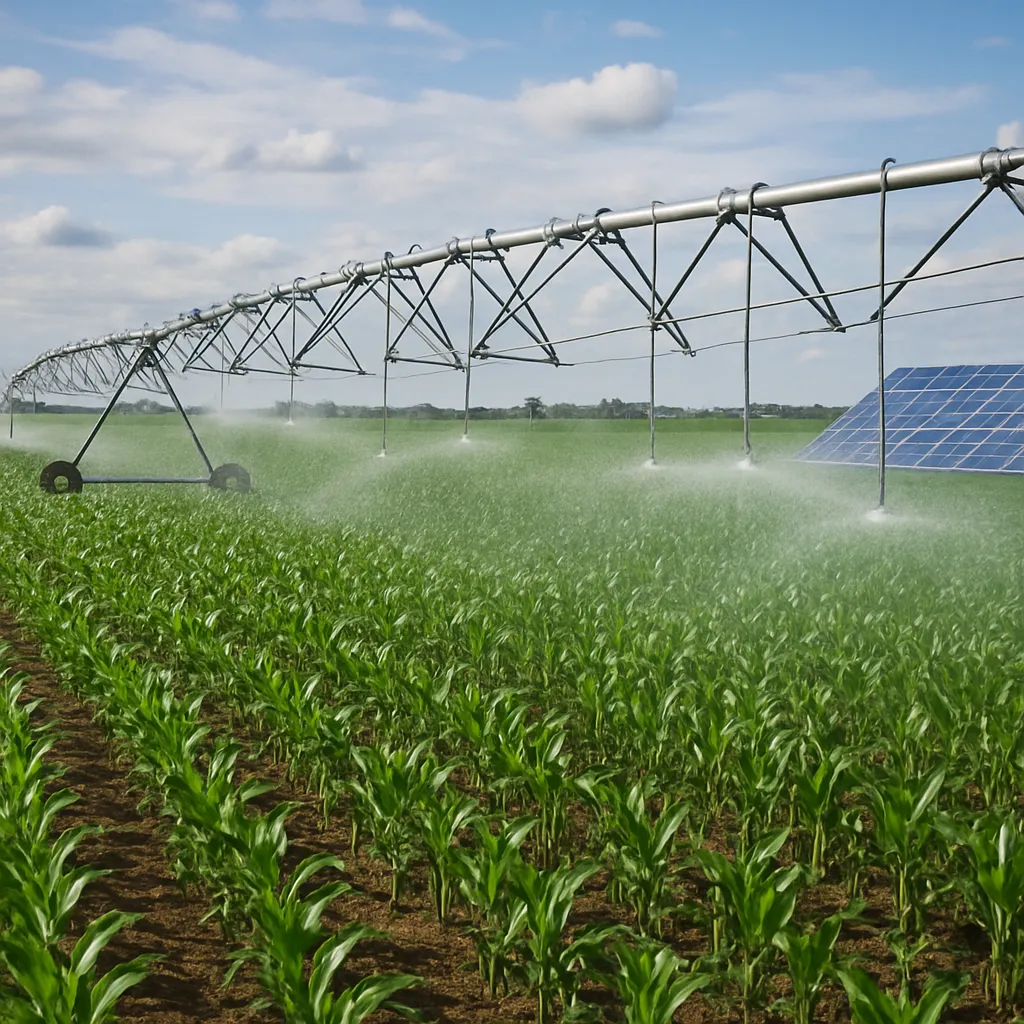
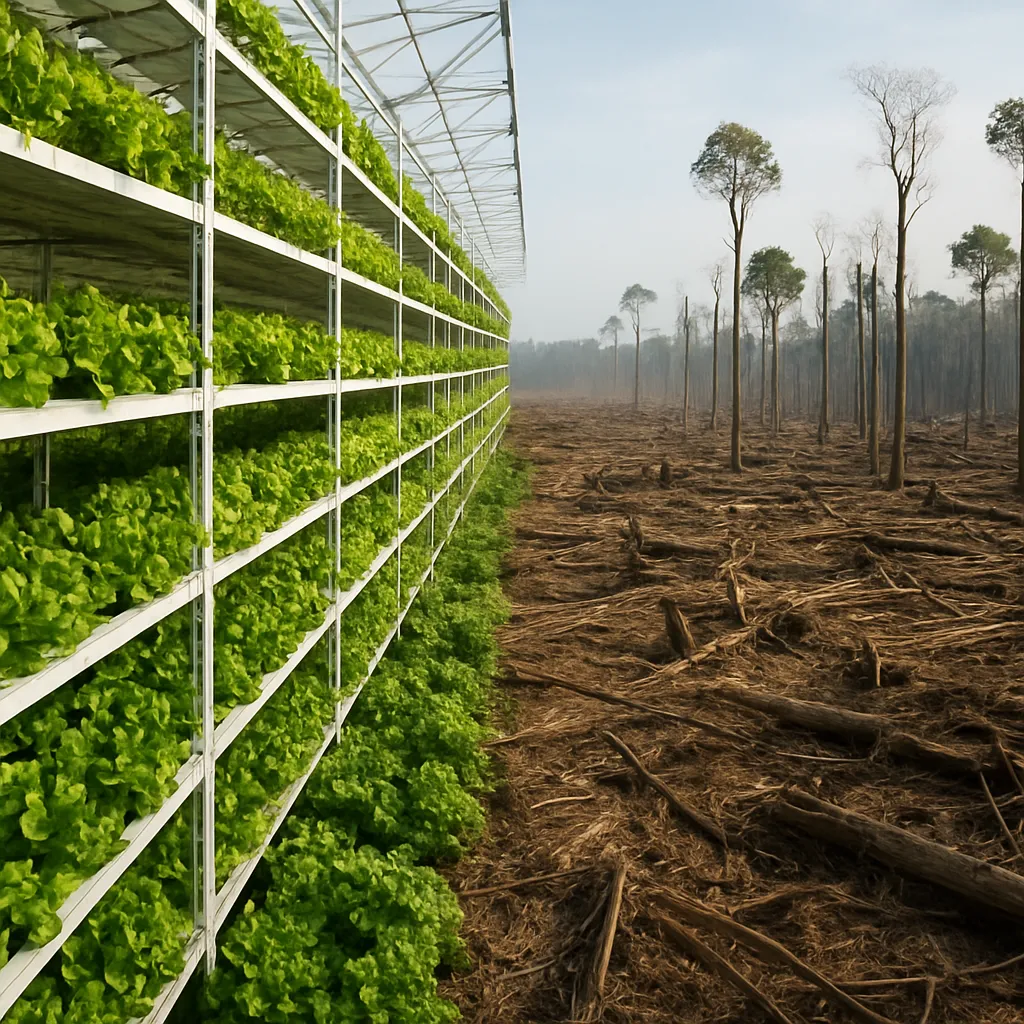
Integration into global supply chains often intensifies pressures on land, water, and biodiversity. Large-scale monocultures replace diverse smallholdings, increasing chemical inputs and depleting natural resources. Environmental concerns center on:
- Biodiversity Loss: Uniform crop systems reduce habitat variety and disrupt local ecosystems.
- Carbon Footprint: Long-distance transport, refrigeration, and associated packaging drive greenhouse gas emissions upward.
- Water Scarcity: Export-driven production models can overexploit aquifers, leaving communities with insufficient clean water.
Conversely, global supply chains can disseminate best practices in land management and agroecology when certification schemes reward sustainable stewardship. Partnerships between multinational buyers and local growers may introduce ecologically sound techniques, such as integrated pest management, crop rotation, and soil restoration protocols.
Social and Cultural Implications
The shift from subsistence farming to export-oriented models often entails profound social transformation. Traditional knowledge systems confront new rules dictated by distant stakeholders, while rural demographics evolve under migration trends. Notable social effects include:
- Labor Rights: Increased demand for seasonal labor can lead to exploitative working conditions without clear regulation.
- Cultural Erosion: Indigenous seed varieties and heritage practices may vanish as farmers streamline operations for global standards.
- Equity Challenges: Smallholders without access to credit, education, or infrastructure may be marginalized, widening rural inequality.
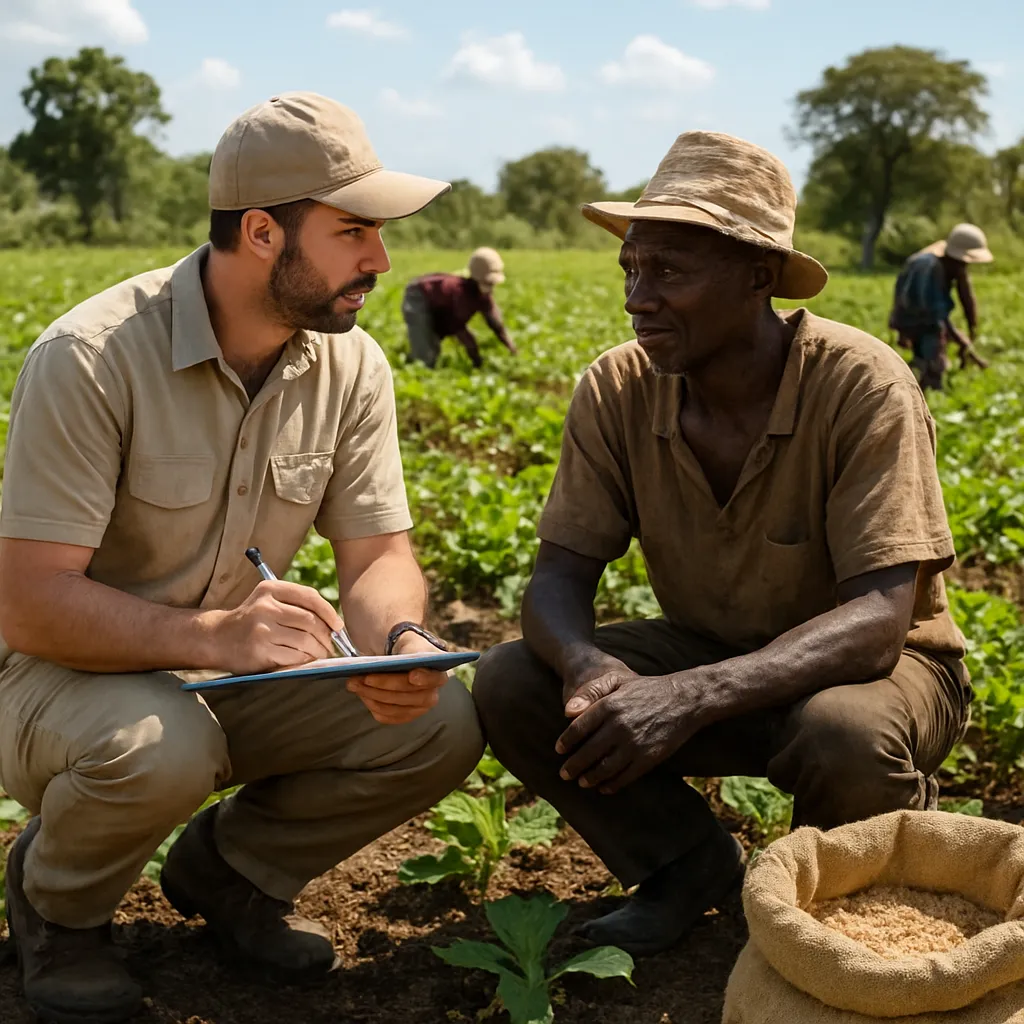
Nevertheless, collaborative initiatives exist where agribusinesses promote community engagement, technical training, and fair wage policies. Embedding equity and social safeguards into contracts can ensure that local stakeholders share in the benefits of expanded trade.
Strategies for Resilience and Localization
Amid mounting concerns about climate change, geopolitical instability, and supply chain disruptions, a growing movement urges reinforcement of farm-to-fork circuits. Key approaches include:
- Short Supply Chains: Direct sales through farmers’ markets, community-supported agriculture (CSA) programs, and online platforms can reduce intermediaries.
- Value Addition: Processing, packaging, and branding at the local level retain more revenue within rural communities.
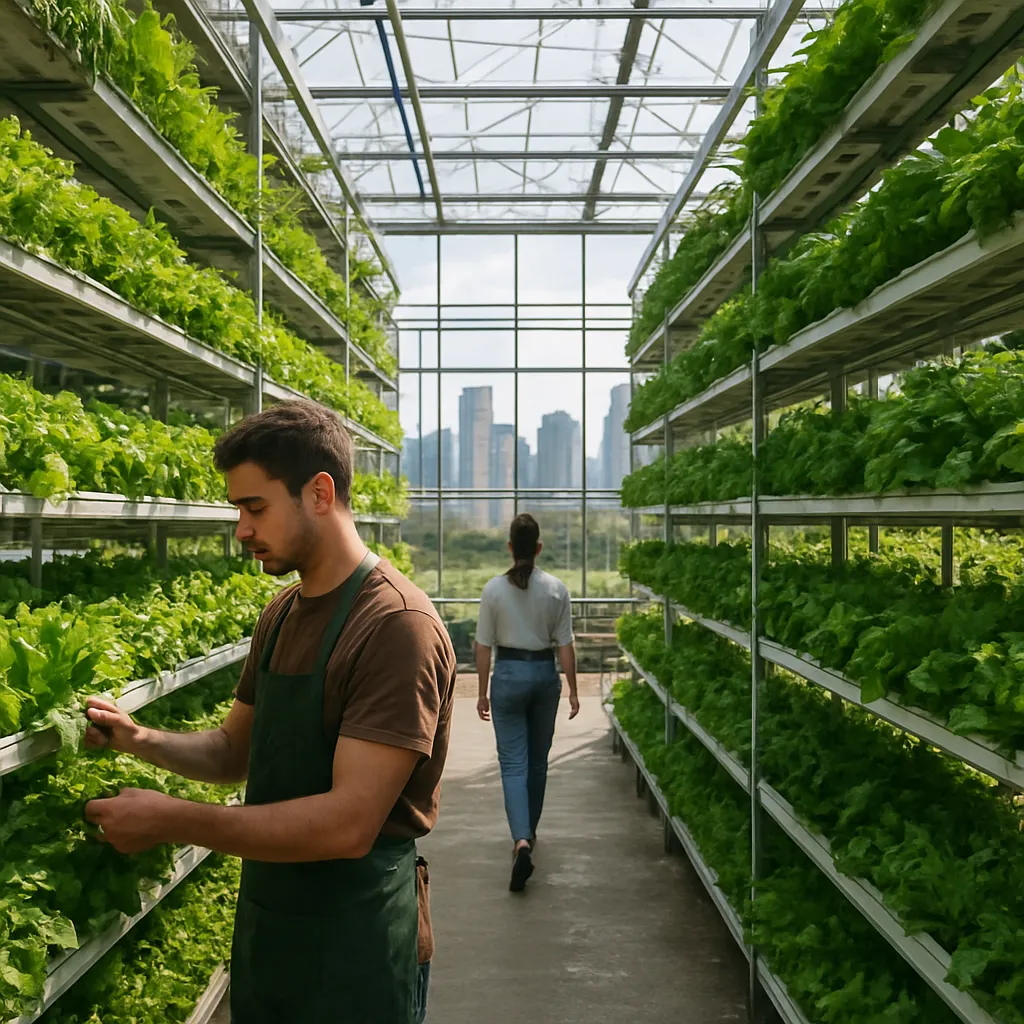
- Digital Tools: Smartphones and blockchain platforms enable smallholders to certify quality, trace origins, and access real-time market information.
- Collaborative Cooperatives: Shared warehousing, transportation, and marketing efforts empower farmers to negotiate collectively with larger buyers.
By marrying global standards with local knowledge, these strategies can bolster resilience and reduce the vulnerability of farms to international price shocks. Emphasizing sustainability and social responsibility will help forge a more equitable relationship between global supply chains and the communities that feed the world.