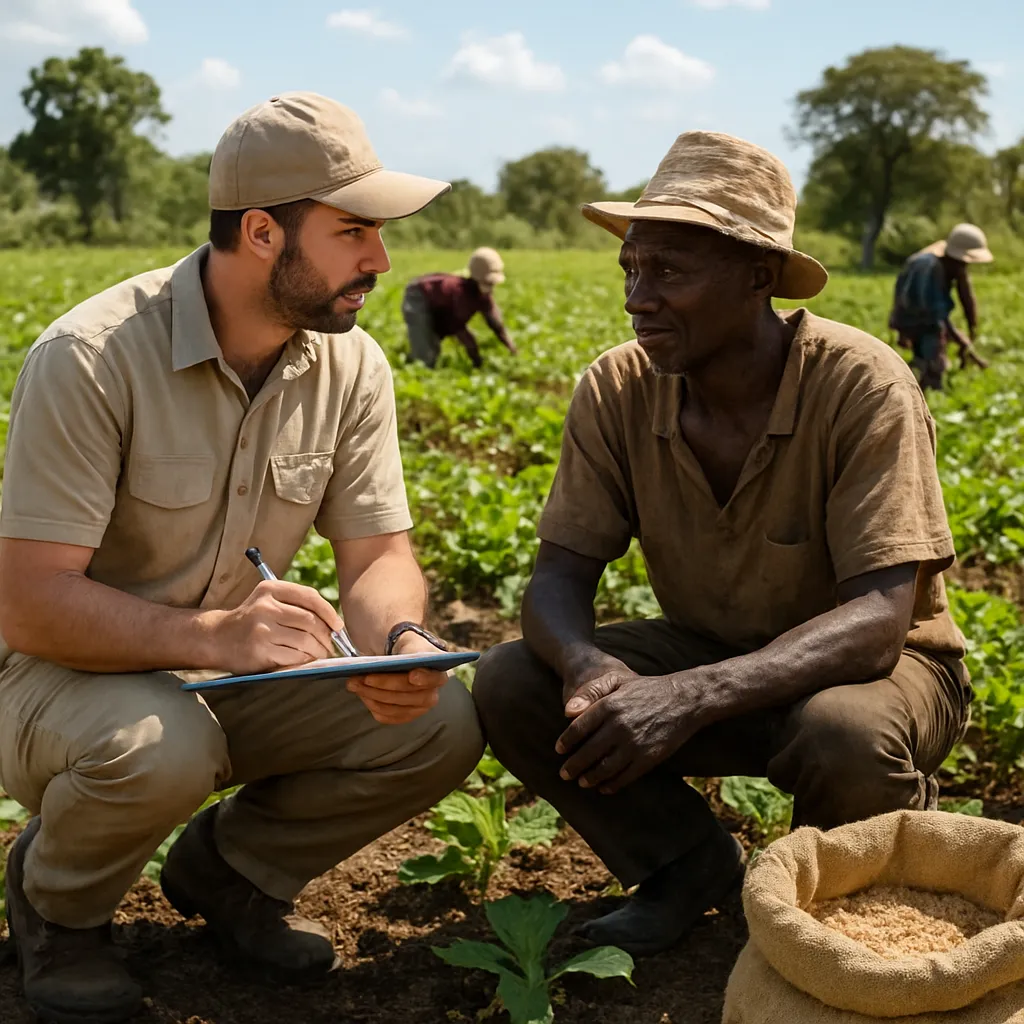
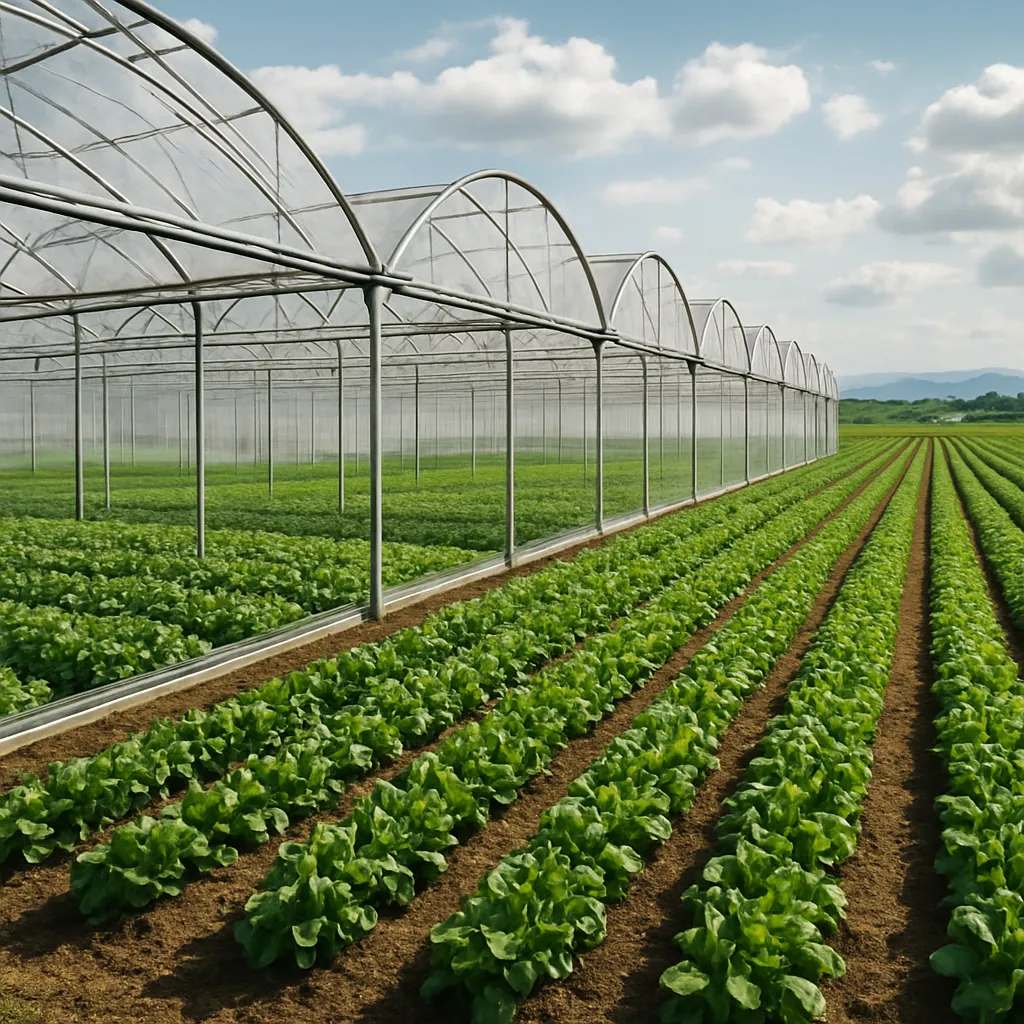
The global movement of agricultural commodities, shifting weather patterns, and evolving land use practices have collectively intensified the threat of invasive pests in farm systems. As farms across continents grapple with these relentless invaders, the consequences span from diminished crop yield to disrupted rural livelihoods. A comprehensive understanding of the pathways, impacts, and countermeasures for pest invasions is vital to safeguard the world’s food security and preserve fragile agroecosystems.
Mechanisms of Pest Spread in a Globalized World
The acceleration of international trade and travel has transformed once-isolated farms into nodes in an intricate web of biological exchange. Invasive insects, plant pathogens, and weed species hitch rides on shipping containers, nursery stock, and passenger luggage. Several key drivers underpin this phenomenon:
- Globalization: Increased cargo volumes and relaxed phytosanitary checks enable pests to cross borders undetected.
- Climate shifts: Warmer temperatures at higher latitudes expand the habitable range for tropical pests, blurring historical geographic barriers.
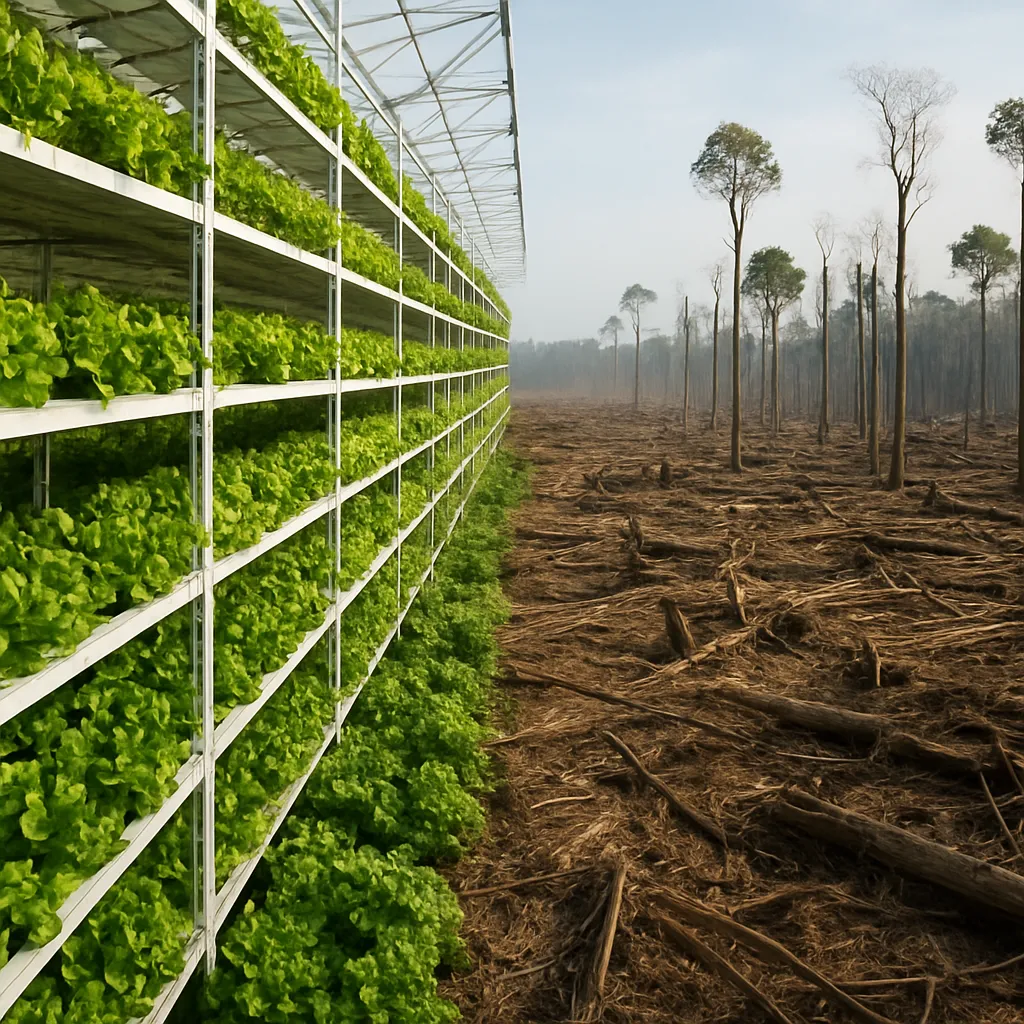
- Land conversion: Deforestation and monoculture plantations reduce natural defenses by eliminating predator species and shrinking buffer zones.
- Human migration: Seasonal workers carry biological material in personal belongings, providing new entry points for pathogens.
Once established, invasive species exploit novel niches. A single female insect can lay hundreds of eggs, while fungal spores travel on wind currents, leading to rapid, self-sustaining outbreaks. The absence of natural enemies in new environments amplifies reproductive success and accelerates territory colonization.
Ecological and Economic Consequences for Farms
Invasion events inflict multifaceted damage on agricultural landscapes. Pest infestations erode soil health, strain water resources, and undermine ecosystem integrity. Farms that once thrived on crop diversity now resort to intensive chemical applications, further compromising beneficial insect populations and pollinators. Key impacts include:
- Biodiversity loss: Non-native species outcompete indigenous flora and fauna, leading to reduced habitat complexity and food web collapse.
- Soil degradation: Repeated tillage and pesticide use disrupt soil microbial communities, diminishing nutrient cycling and water retention.
- Yield volatility: Infestations cause uneven harvests, forcing farmers to unpredictably adjust planting schedules and market contracts.
- Economic burden: Treatment costs, quarantine measures, and trade restrictions can amount to billions of dollars in global losses each year.
For example, the fall armyworm, originating from the Americas, has invaded Africa and Asia, ravaging maize fields. Smallholder farmers, lacking access to advanced machinery, resort to manual controls that are labor-intensive but often ineffective. Meanwhile, exotic fungal diseases such as Panama wilt in bananas and wheat stem rust (Ug99) threaten staple crops, endangering both commercial plantations and subsistence plots.
Strategies for Management and Mitigation
Addressing global pest invasions requires a layered defense that combines technology, policy, and traditional knowledge. Integrated pest management (IPM) frameworks emphasize ecological balance rather than sterile monocultures. Core components of effective strategies include:
- Surveillance systems: Real-time monitoring through remote sensing, pheromone traps, and citizen science networks enables early detection and rapid response.
- Biological controls: Introduction of natural enemies—parasitoids, predators, or antagonistic microbes—can restore ecosystem stability without harmful residues.
- Host resistance: Breeding or genetically engineering crop cultivars with innate resistance to specific pathogens reduces reliance on chemical pesticides.
- Biosecurity protocols: Stringent sanitation measures at ports of entry, mandatory inspection of plant shipments, and certified seed programs help prevent new introductions.
- Farmer education: Workshops and extension services equip agricultural communities with sustainable practices, from crop rotation to habitat refuges for beneficial insects.
Advanced data analytics and machine learning models forecast pest migration patterns under various climate scenarios, informing targeted interventions. Digital platforms connect stakeholders across continents, facilitating knowledge exchange and collaborative troubleshooting.
Challenges and Future Directions
Despite significant progress, persistent obstacles hinder global coordination. Divergent regulatory frameworks, uneven resource allocation, and political instability in vulnerable regions impede cohesive action. In many developing countries, limited infrastructure makes large-scale surveillance cost-prohibitive. Additionally, the constant evolution of pesticide resistance among pests demands continuous innovation in treatment methods.
Moving forward, cross-disciplinary efforts must prioritize:
- Investment in resilient agricultural systems that blend modern science with indigenous practices, enhancing overall resilience.
- Strengthening regional alliances to harmonize phytosanitary standards and share critical data on emerging threats.
- Decentralized research hubs that focus on locally prevalent pests while contributing to a global knowledge base.
- Policies that incentivize reduced chemical application, promoting ecological integrity and farmer health.
- Public–private partnerships to fund rapid response teams equipped for containment and eradication missions.
By leveraging innovation, community engagement, and adaptive management, the agricultural sector can confront the evolving menace of invasive pests. The fusion of ecological insights and cutting-edge technology offers a pathway to sustainable food production—a prerequisite for meeting the needs of a growing global population.