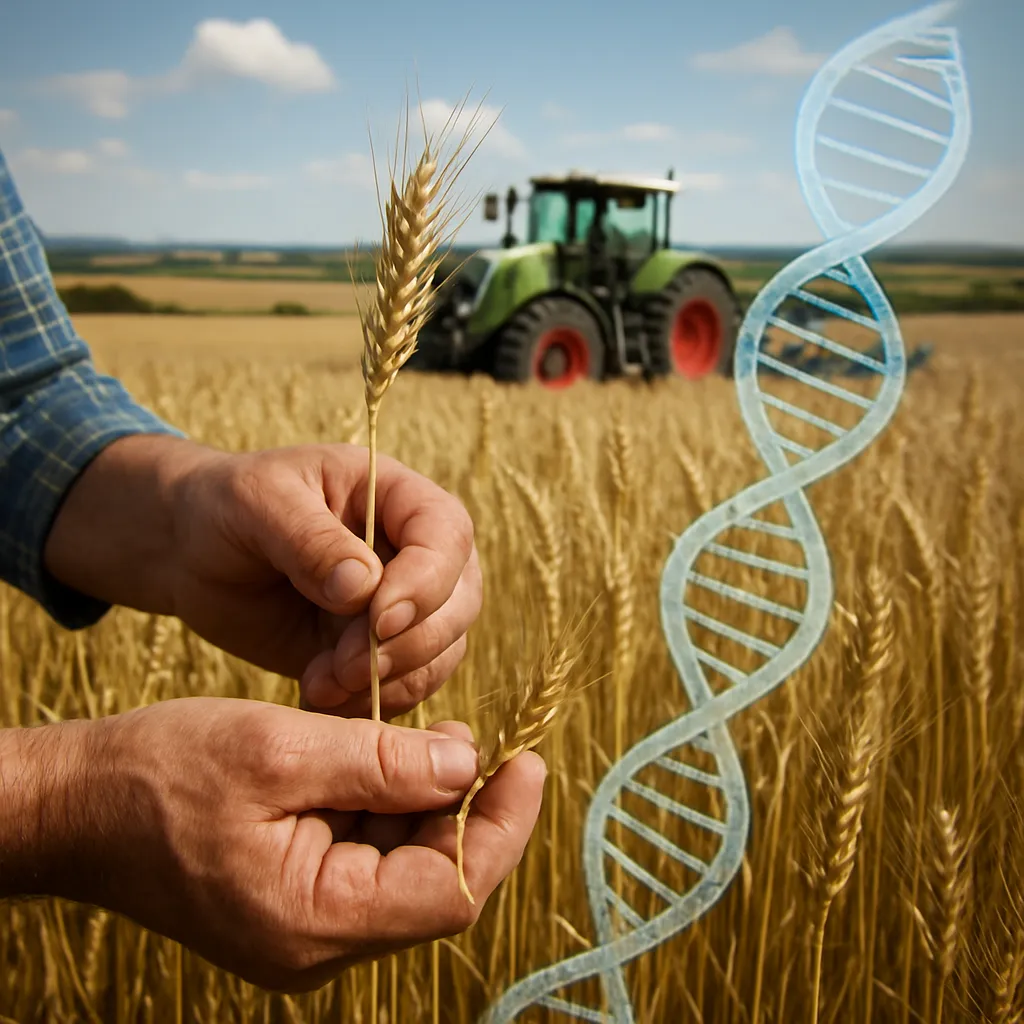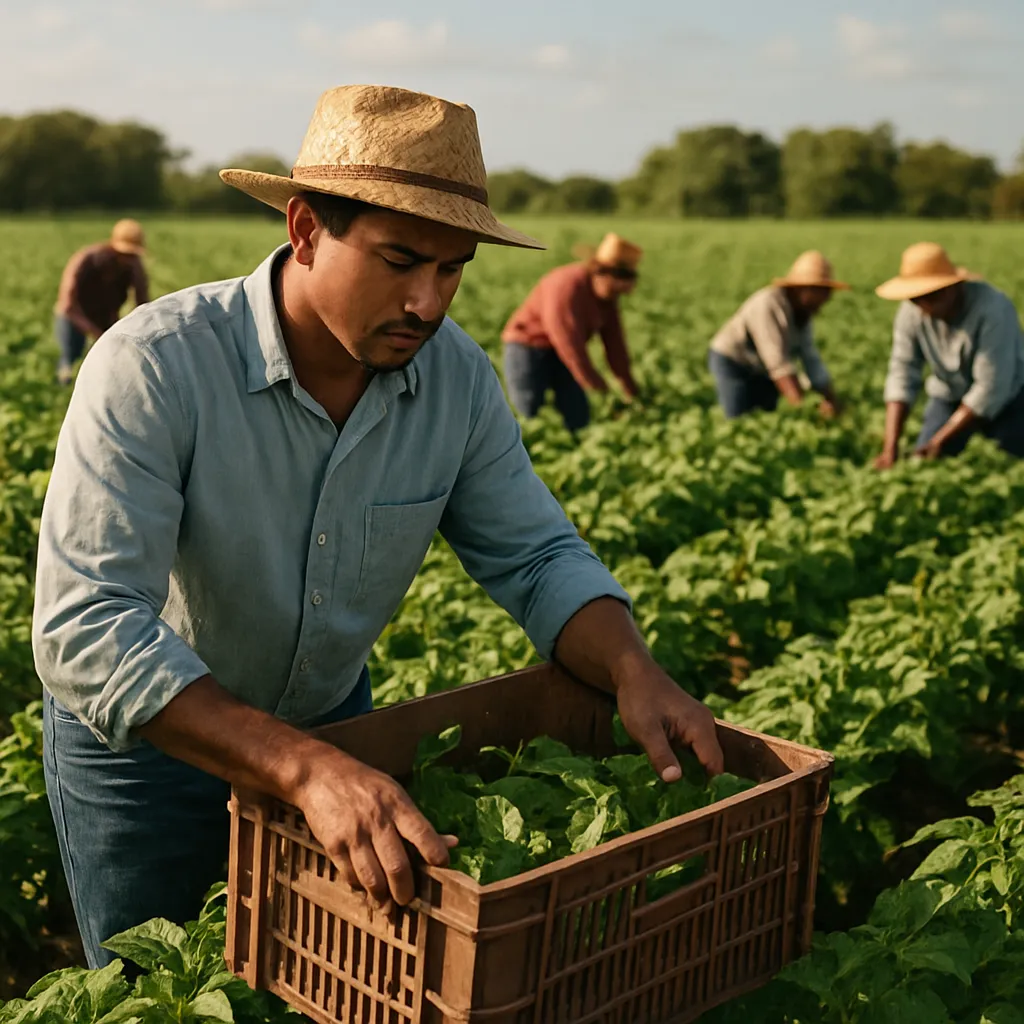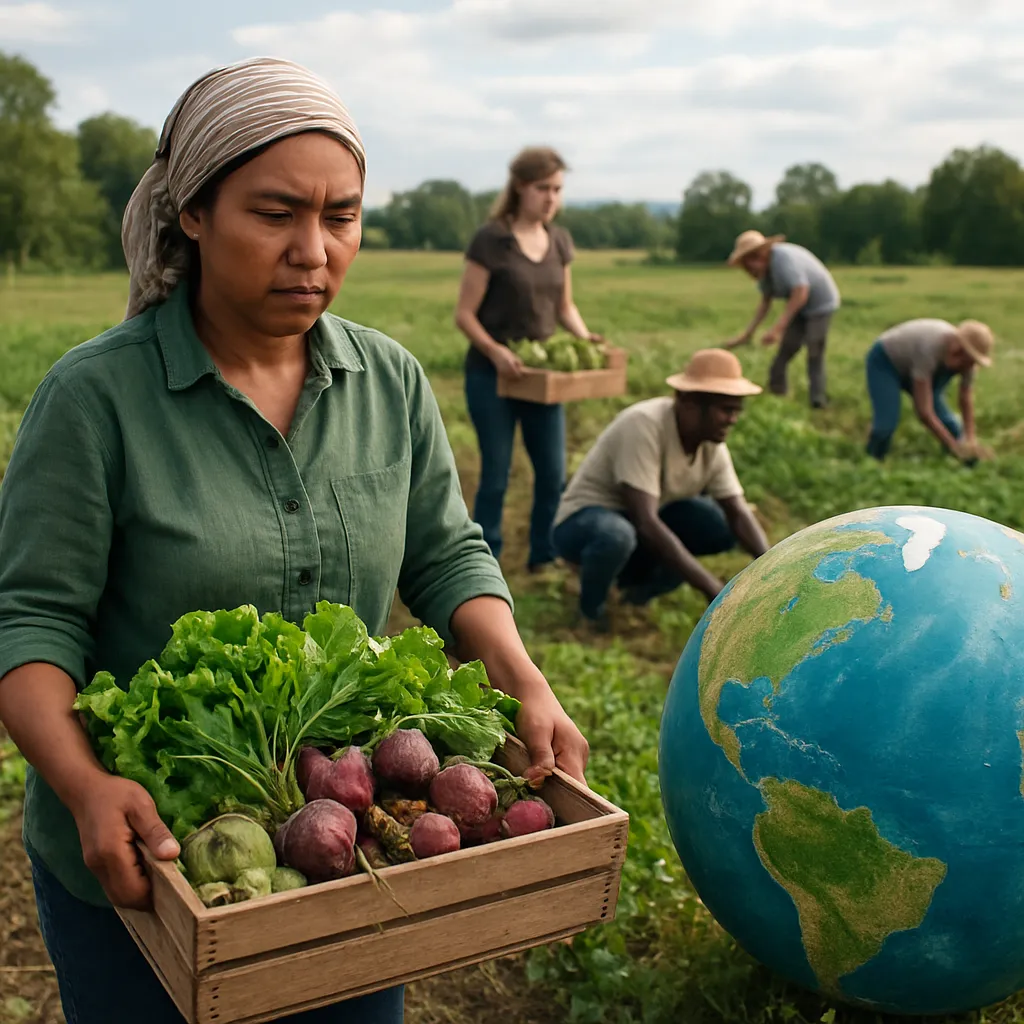
The global movement for food sovereignty has sparked a profound transformation in how communities approach agriculture, placing empowerment and resilience at its heart. Far beyond a simple call for local control over food systems, food sovereignty champions the rights of small-scale farmers, indigenous peoples, and rural communities to determine their own agricultural policies and practices. This movement challenges the dominance of industrialized agriculture by advocating for sustainability, agroecology, and equitable access to resources. As millions wrest control of seeds, land, and markets, the ripple effects are reshaping global farming practices—from revitalizing traditional knowledge to contesting multinational agribusiness models. The following chapters explore the foundational principles of food sovereignty, examine its real-world impact across diverse regions, and consider the challenges and opportunities that lie ahead.
Defining Food Sovereignty and Its Core Principles
Food sovereignty emerged in 1996 when La Via Campesina, a global peasant movement, articulated a vision that prioritizes the dignity and rights of farming communities over profit-driven agendas. At its essence, food sovereignty insists that local populations must have the authority to:
- Control the production, distribution, and consumption of food;
- Preserve and exchange traditional seeds and livestock breeds;
- Access land, water, and natural resources in a fair and equitable manner;
- Adopt agricultural practices that respect biodiversity and ecological balance;
- Benefit from democratic decision-making in food policies.
These principles contrast sharply with the industrial model, which often relies on monocultures, heavy chemical use, and centralized supply chains. By emphasizing agroecology—the integration of ecological concepts into farming—food sovereignty advocates foster farming systems that regenerate soil health, conserve water, and promote diverse cropping patterns.
Transformation of Agricultural Systems Worldwide
Across Africa, Asia, Latin America, and parts of Europe, local groups have implemented food sovereignty frameworks, tailoring strategies to their unique cultural and environmental contexts. Key transformations include:
- Seed Sovereignty Networks: Farmers in India, Mexico, and West Africa are creating community seed banks to preserve heirloom varieties. These networks protect genetic heritage and reduce dependence on expensive, patented seeds.
- Agroforestry and Permaculture Design: In Brazil’s Atlantic Forest region, smallholders integrate trees with crop rows, enhancing carbon sequestration and yielding fruits, nuts, and firewood alongside staple grains.
- Water Harvesting Innovations: Communities in Ethiopia practice zai pits and terracing techniques to capture rainfall, enabling productive cultivation on degraded lands.
- Fair Trade Cooperatives: Coffee and cocoa farmers in Central America have formed cooperatives that negotiate equitable prices, invest in local infrastructure, and guarantee living wages.
These initiatives have demonstrated measurable benefits. Studies show that agroecological farms often exhibit higher resilience to climate extremes, reduced greenhouse gas emissions, and improved household nutrition. Furthermore, local markets flourish as farmers retain a larger share of profits, fueling rural development and staving off urban migration.
Building Community and Political Alliances
Food sovereignty cannot thrive in isolation. Movement leaders emphasize forging alliances between farmers, consumers, NGOs, and sympathetic policymakers. Notable approaches include:
- Urban-Rural Partnerships: City-based organizations purchase hyperlocal produce through community-supported agriculture (CSA) schemes, bridging gaps between denizens and growers.
- Policy Advocacy Campaigns: Grassroots coalitions lobby national governments to enact land reform, ban harmful agrochemicals, and support public procurement of local food for schools and hospitals.
- Knowledge Exchange Platforms: Digital forums and farmer-to-farmer exchanges disseminate best practices in soil regeneration, integrated pest management, and cooperative governance.
- Solidarity Economies: Alternative financial models such as local currencies and community credit unions empower small producers with affordable loans.
By cultivating broad-based support, food sovereignty movements amplify their voice in international negotiations, such as those at the United Nations Committee on World Food Security (CFS). This inclusive approach asserts that tackling hunger and malnutrition requires attention to power imbalances in global food chains.
Challenges and Future Outlook
Despite inspiring successes, food sovereignty faces formidable obstacles. Corporate agribusiness continues to lobby for trade agreements that prioritize intellectual property rights over traditional seed saving. Land grabbing by investors and climate-induced resource scarcity threaten smallholder livelihoods. Moreover, securing sustained funding for decentralized, community-led projects remains an ongoing struggle.
To address these challenges, movements are exploring innovative solutions:
- Resilience Funds: Pooled resources from donor agencies and social impact investors support agroecological transitions in vulnerable regions.
- Youth and Women’s Empowerment: Training programs focus on equipping young and female farmers with technical skills, leadership training, and market access.
- Scientific Collaborations: Partnerships with universities blend indigenous knowledge with rigorous research to optimize organic pest control and soil amendment techniques.
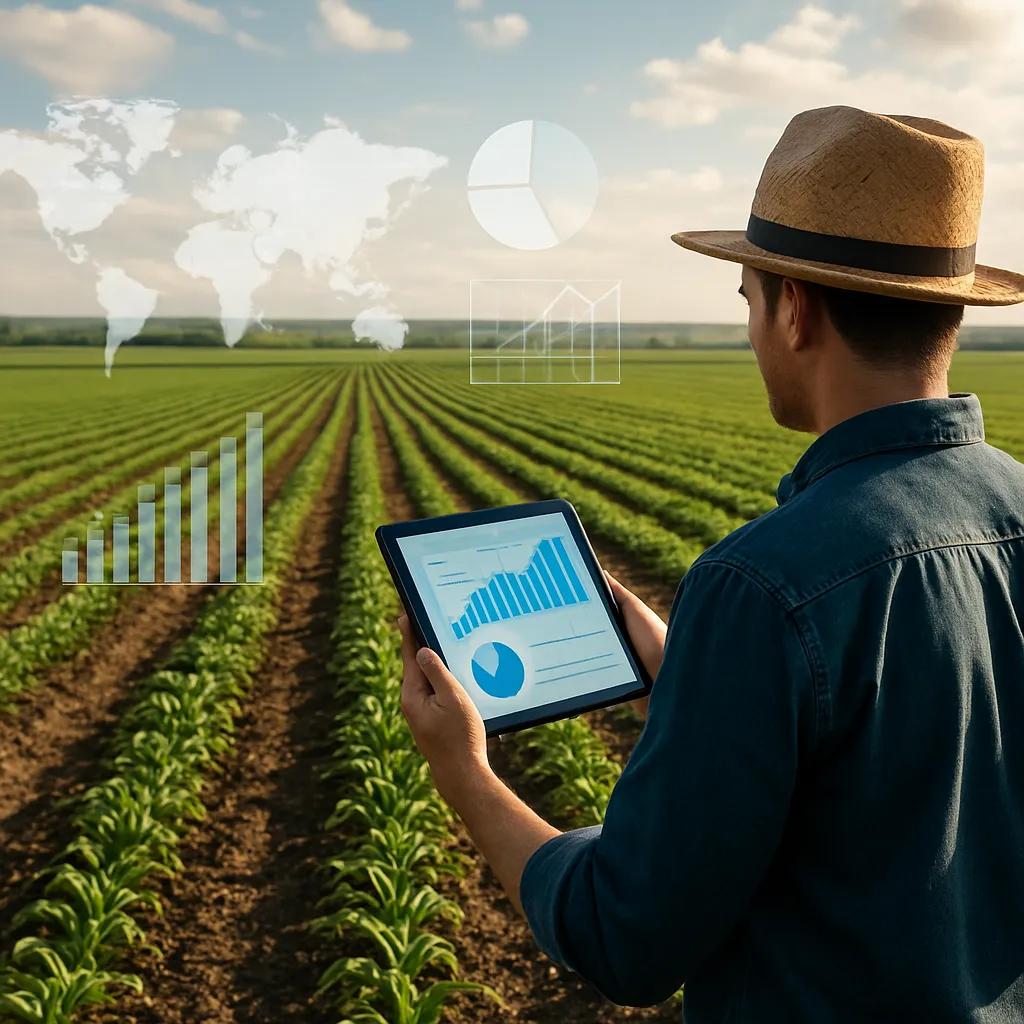
- Digital Agriculture Tools: Mobile apps map local biodiversity hotspots, track weather patterns, and facilitate direct-to-consumer sales.
As food sovereignty continues to gather momentum, it challenges the global community to redefine success in agriculture—not by volume of output alone, but by the health of ecosystems and the well-being of producers and consumers alike. By centering principles of fairness and ecological harmony, this movement illuminates a path toward more just, sustainable, and culturally vibrant food systems worldwide.