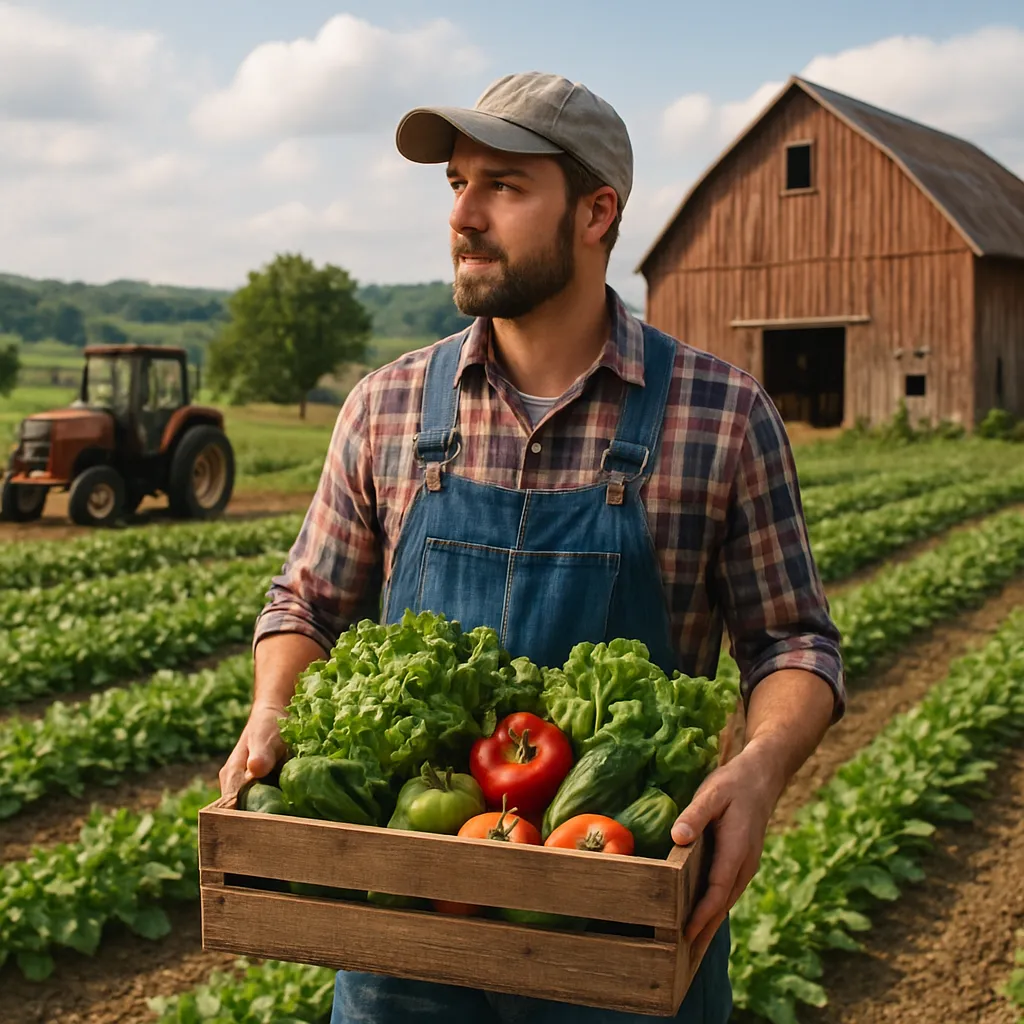
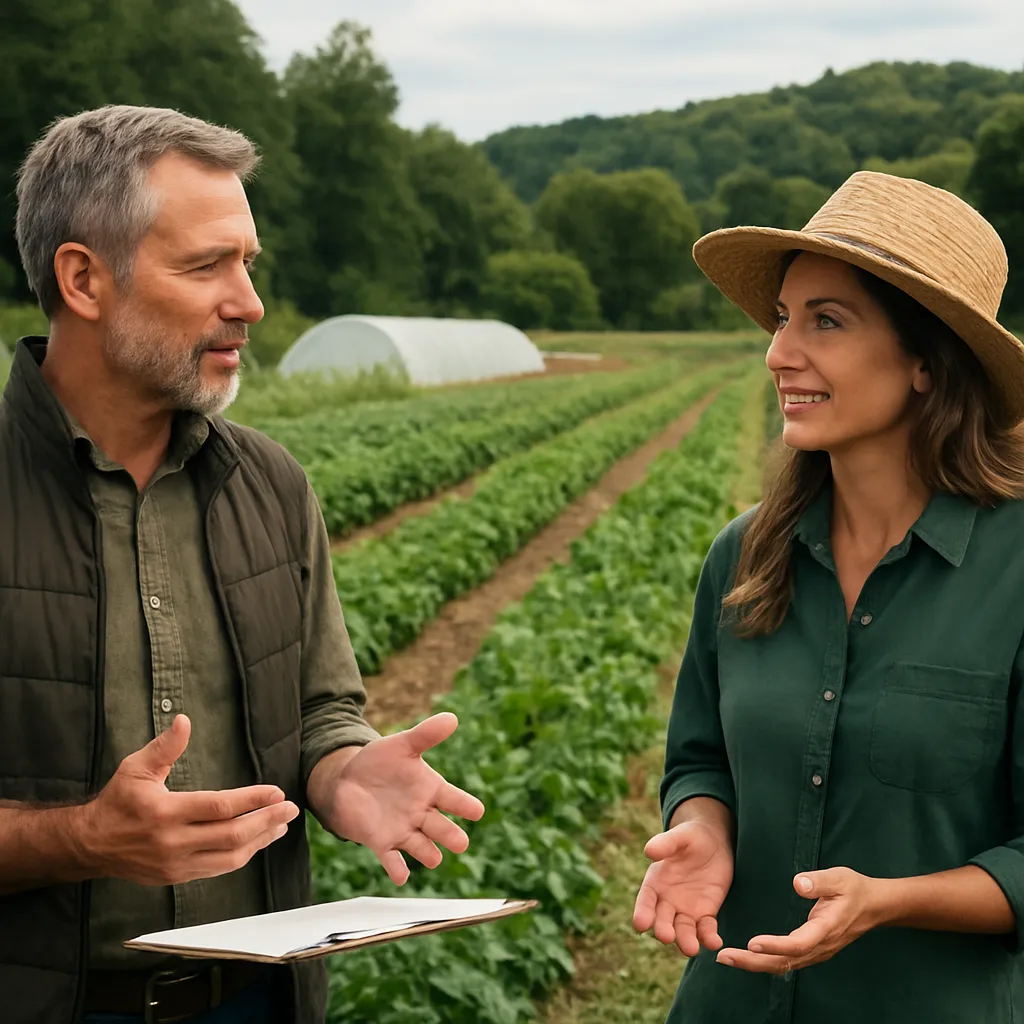
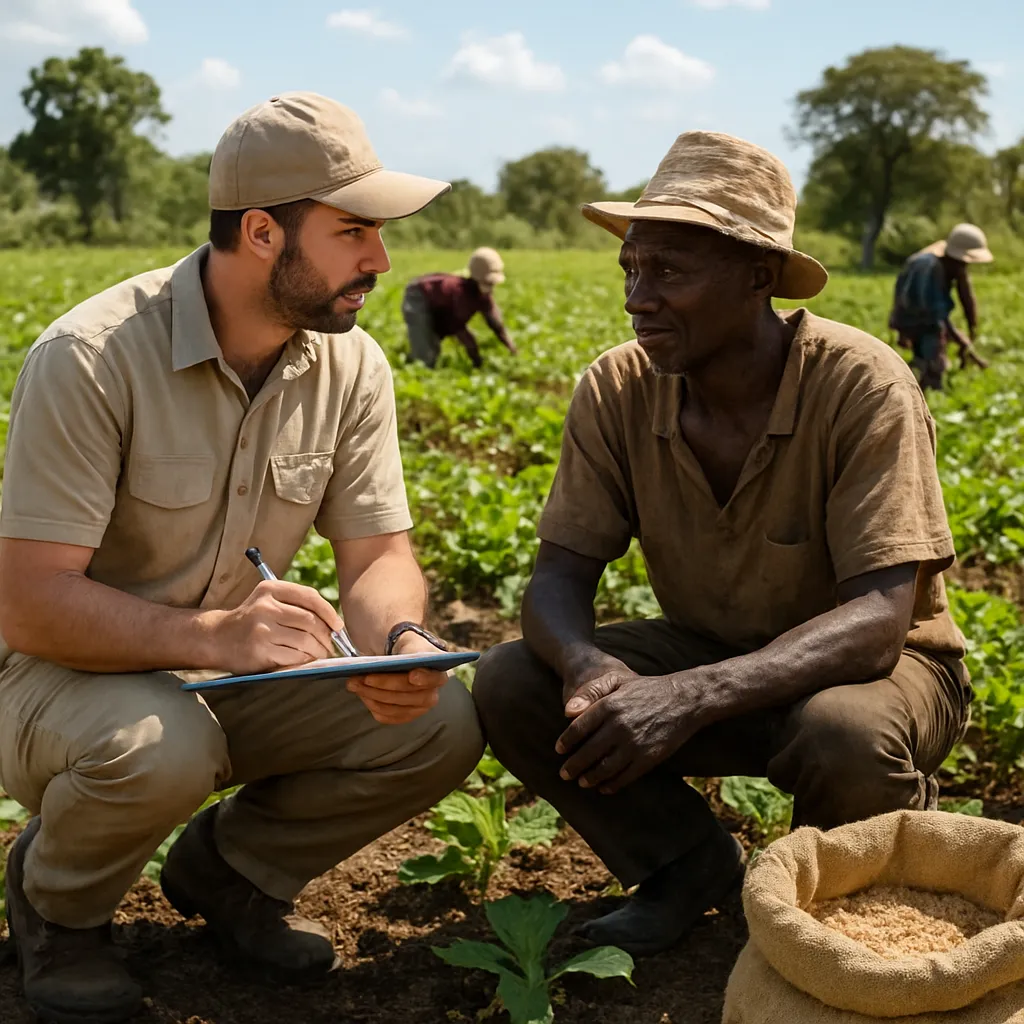
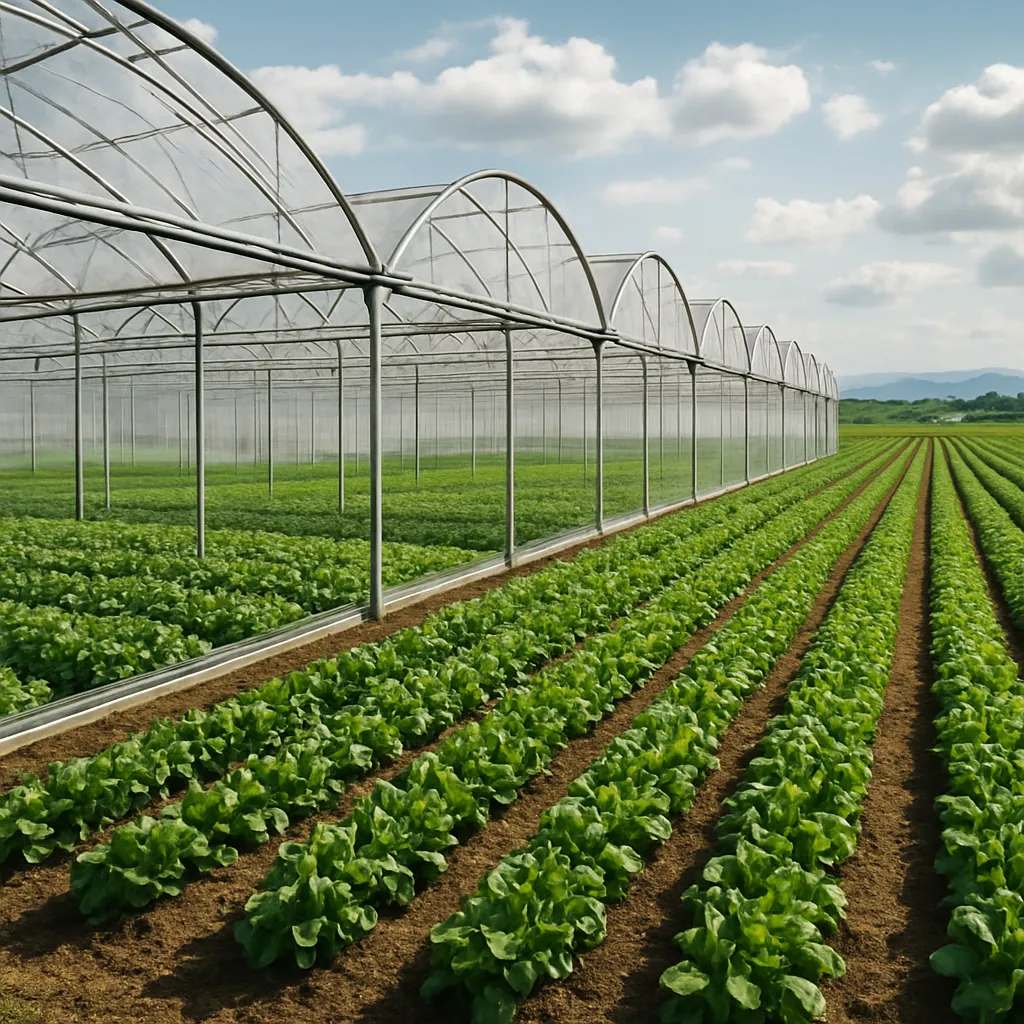
The tapestry of farm life around the world is woven with threads of cultural values, ancient traditions, and modern innovations. From terraced rice paddies in Southeast Asia to cooperative grain fields in Europe, each region’s farming practices reflect centuries of adaptation and communal wisdom. By examining these diverse approaches, we uncover how culture shapes methods of cultivation, livestock management, and resource sharing, ultimately influencing global food security and environmental stewardship.
Traditional Knowledge and Practices Across Continents
Asia: Rice Cultivation Rituals
In many Asian societies, rice is more than just a staple crop; it represents a heritage passed through generations. Farmers in Japan perform the ritual of planting during specific lunar phases to ensure a bountiful harvest. In the Philippines, the “paying of respect” to ancestral spirits in the fields is an essential custom believed to enhance soil fertility and yield. Such ceremonies showcase deep reverence for nature, while traditional methods—like water buffalo plowing and hand-transplanting seedlings—honor the intricate relationship between humans, animals, and the land.
Africa: Community-Based Agriculture
Across sub-Saharan Africa, communal farming practices are rooted in mutual support and shared responsibility. Villages often graze livestock together on communal pastures, rotating herds to prevent overgrazing. In West Africa, “shared harvest” festivals celebrate collective labor, where all members partake in threshing and winnowing. These gatherings foster collaboration and food distribution based on need, reinforcing social bonds and risk-sharing. While mechanization is spreading, many communities still rely on age-old tools and techniques, balancing modern inputs with indigenous knowledge.
Latin America: Agroforestry and Ancestral Wisdom
Indigenous groups in the Amazon Basin practice multi-layered agroforestry, intercropping cacao, coffee, and fruit trees beneath a canopy of hardwoods. This system preserves biodiversity while generating diverse sources of income. The Maya of Central America maintain milpa fields, where maize, beans, and squash coexist in a symbiotic arrangement known as the “Three Sisters.” Each crop supports the others—beans fix nitrogen, squash leaves suppress weeds, and corn provides a natural trellis—demonstrating centuries-old expertise in ecological balance.
Modernization and Technological Adoption
Europe: Precision Agriculture and Cooperative Models
European farmers are at the forefront of integrating digital tools into age-old practices. In the Netherlands, GPS-guided tractors apply fertilizers with pinpoint accuracy, reducing waste and environmental impact. Many regions have formed agricultural cooperatives that share equipment, research findings, and marketing strategies. This collaborative approach enhances innovation while strengthening smallholder competitiveness. Moreover, strict regulatory frameworks encourage organic certification and animal welfare, reflecting a cultural emphasis on food quality and consumer trust.
North America: Balancing Scale with Stewardship
The United States and Canada feature vast grain belts and intensive livestock operations. Here, economies of scale drive the adoption of large-scale machinery, genetically enhanced seed varieties, and sophisticated supply chains. Yet, a growing movement toward sustainable agriculture underscores a cultural shift. Farmers are embracing regenerative practices—cover cropping, reduced tillage, and integrated pest management—to restore soil health and resilience. Universities and extension services play a vital role, bridging scientific research with on-farm implementation.
Oceania: Water Management and Climate Adaptation
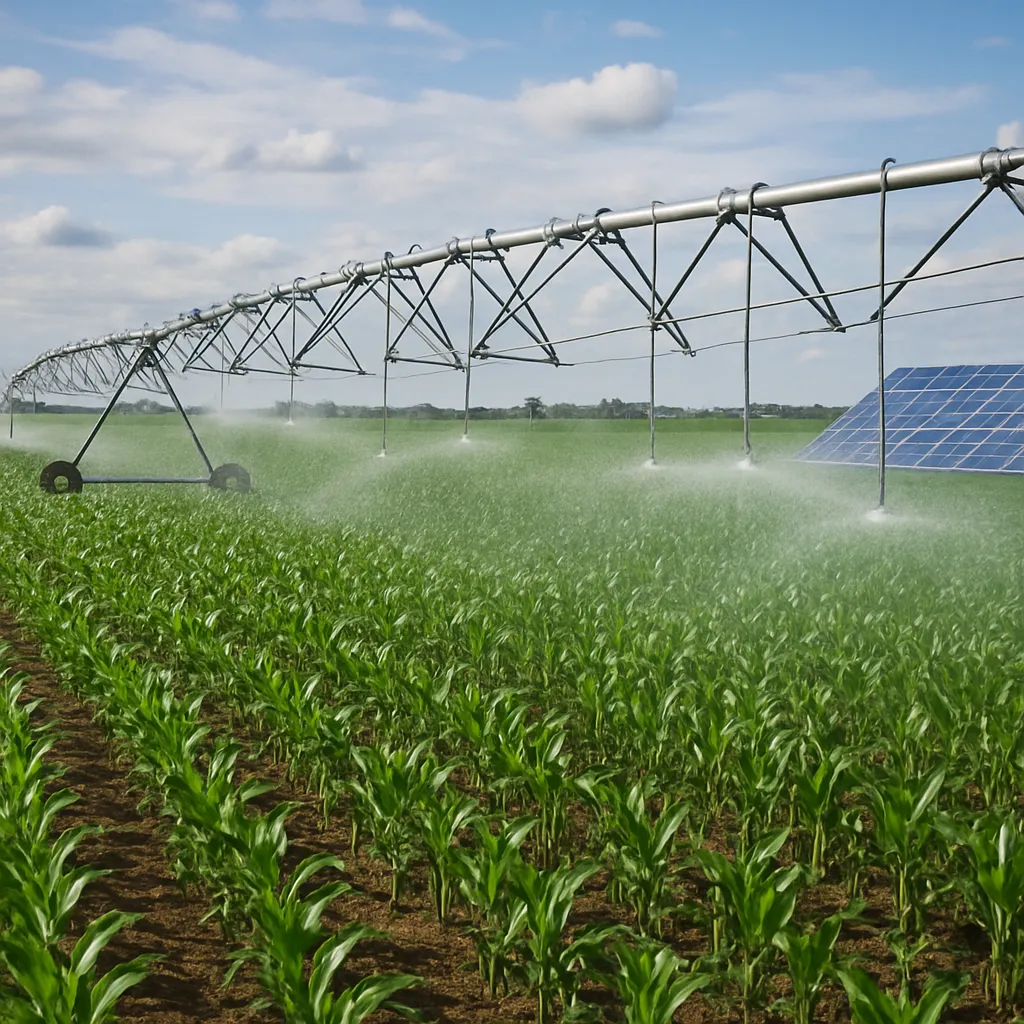
In arid regions of Australia and New Zealand, water scarcity demands innovative irrigation strategies. Drip irrigation and drought-resistant crop varieties have become commonplace. Maori land stewardship principles, known as kaitiakitanga, emphasize guardianship of resources for future generations. By combining traditional ecological knowledge with remote sensing and climate modeling, farmers optimize water use and mitigate the effects of prolonged dry spells. This fusion of past and present exemplifies how cultural values drive sustainable adaptation.
Sustainability, Biodiversity, and Cultural Values
Organic Movements and Local Food Networks
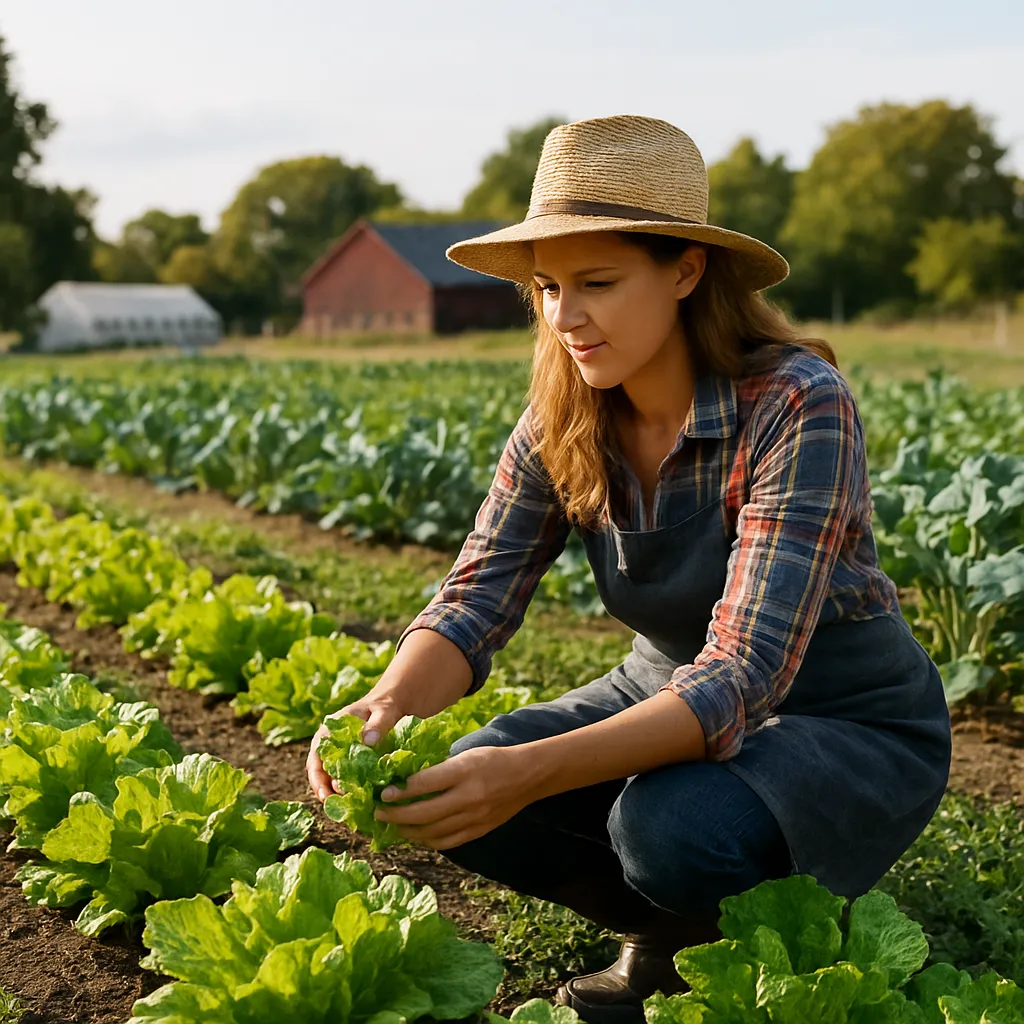
Globally, the organic farming movement has gained momentum, propelled by consumer demand for sustainability and health-conscious products. In Europe, “farmers’ markets” connect rural producers directly with urban customers, celebrating local flavors and traditional varieties. In Japan, teikei partnerships link small-scale growers with community members who pre-purchase harvest shares, ensuring stable income and reducing waste. These initiatives reinforce a cultural preference for transparency, quality, and a close connection between producer and consumer.
Preserving Heirloom Varieties and Genetic Diversity
As industrial agriculture favors high-yield hybrids, many communities are working to conserve biodiversity. Seed banks in India and Mexico safeguard indigenous maize, millet, and legume varieties. In Italy, Slow Food networks protect heritage tomatoes and grains, promoting culinary traditions and regional identity. Such efforts highlight the importance of genetic resources in climate resilience and cultural memory. Farmer-led participatory breeding programs empower local populations to select traits best suited to their environments and cuisines.
Ethical Livestock Practices and Animal Welfare
Cultural attitudes toward animals vary widely. In many European countries, strict welfare standards govern housing, transport, and slaughter. Ritual slaughter practices in Islamic and Jewish communities integrate spiritual guidelines with modern hygiene requirements, illustrating how religious values intersect with regulatory frameworks. In pastoralist societies of East Africa, livestock symbolize wealth and social status, and traditional grazing rights are governed by clan agreements. Understanding these cultural dimensions is essential for designing livestock policies that respect local customs while promoting animal health.
Challenges and Opportunities in a Globalized Era
Trade, Policy, and Cultural Exchange
Global trade agreements influence agricultural priorities, often prioritizing export crops over subsistence varieties. This can erode tradition and local food security if not managed equitably. Cultural exchange programs—such as farmer-to-farmer visits and international workshops—facilitate mutual learning. These initiatives help farmers adapt best practices from abroad, while preserving indigenous techniques that may offer solutions to global challenges like soil degradation and water scarcity.
Climate Change and Cultural Resilience
As climate patterns shift, communities are reviving age-old coping strategies alongside new technologies. In parts of Central Asia, ancient water channels called qanats are being restored to irrigate fields in arid valleys. Pacific Island farmers are experimenting with salt-tolerant crops to address rising sea levels. Such adaptive measures underscore the role of cultural memory in fostering resilience, demonstrating how ancestral wisdom can inform contemporary responses to environmental stress.
The Path Forward
Recognizing and valuing cultural diversity in farming is key to sustainable global agriculture. By integrating traditional knowledge with cutting-edge science, communities can enhance productivity, protect ecosystems, and honor cultural identities. As we face growing challenges of population growth, climate change, and resource constraints, fostering cross-cultural dialogue among farmers will be essential. Through respectful collaboration and shared innovation, the world’s agricultural landscapes can continue to thrive in harmony with the cultural values that have shaped them for centuries.