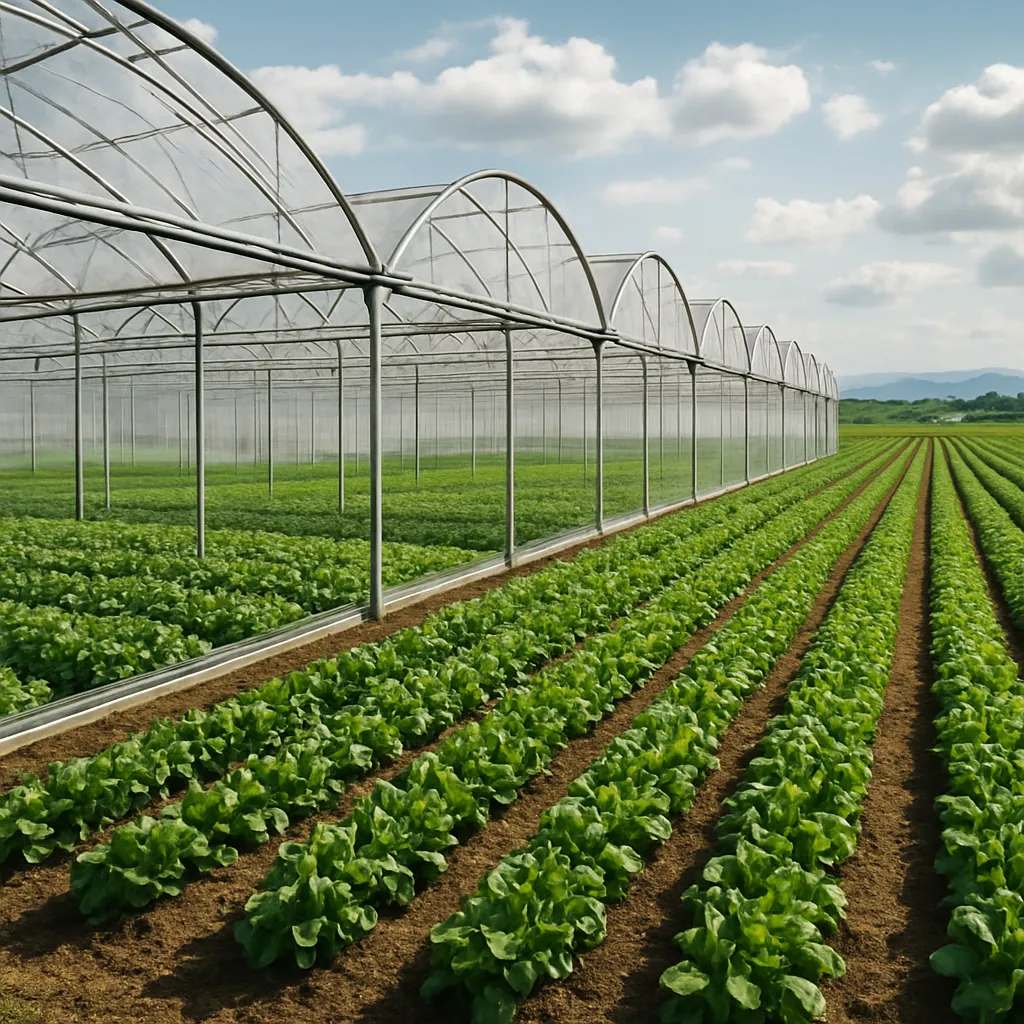
The global tapestry of food production is intricately woven with the fate of our planet’s environment. As the demand for food rises, the pressures on natural habitats intensify, creating a cascade of effects that reverberate across continents. This exploration delves into the multifaceted relationship between world farms and the health of Earth’s diverse ecosystems.
Agricultural Land Conversion and Biodiversity Loss
Since the dawn of cultivation, agriculture has driven profound changes in land use. Forests, wetlands, and grasslands are frequently cleared to make way for croplands and pastures. This conversion often leads to:
- Fragmentation of habitats, disrupting wildlife migration corridors and breeding grounds.
- Extinction risks for endemic species unable to adapt or relocate.
- Loss of genetic diversity in crop and wild plant populations.
Intensive practices typically involve the removal of native vegetation and the introduction of uniform crop monocultures. Such systems lack the structural complexity needed to support robust biodiversity. As a result, pests can thrive, leading to increased reliance on agrochemicals and further ecological imbalance.
Water Management, Irrigation, and Aquatic Ecosystems
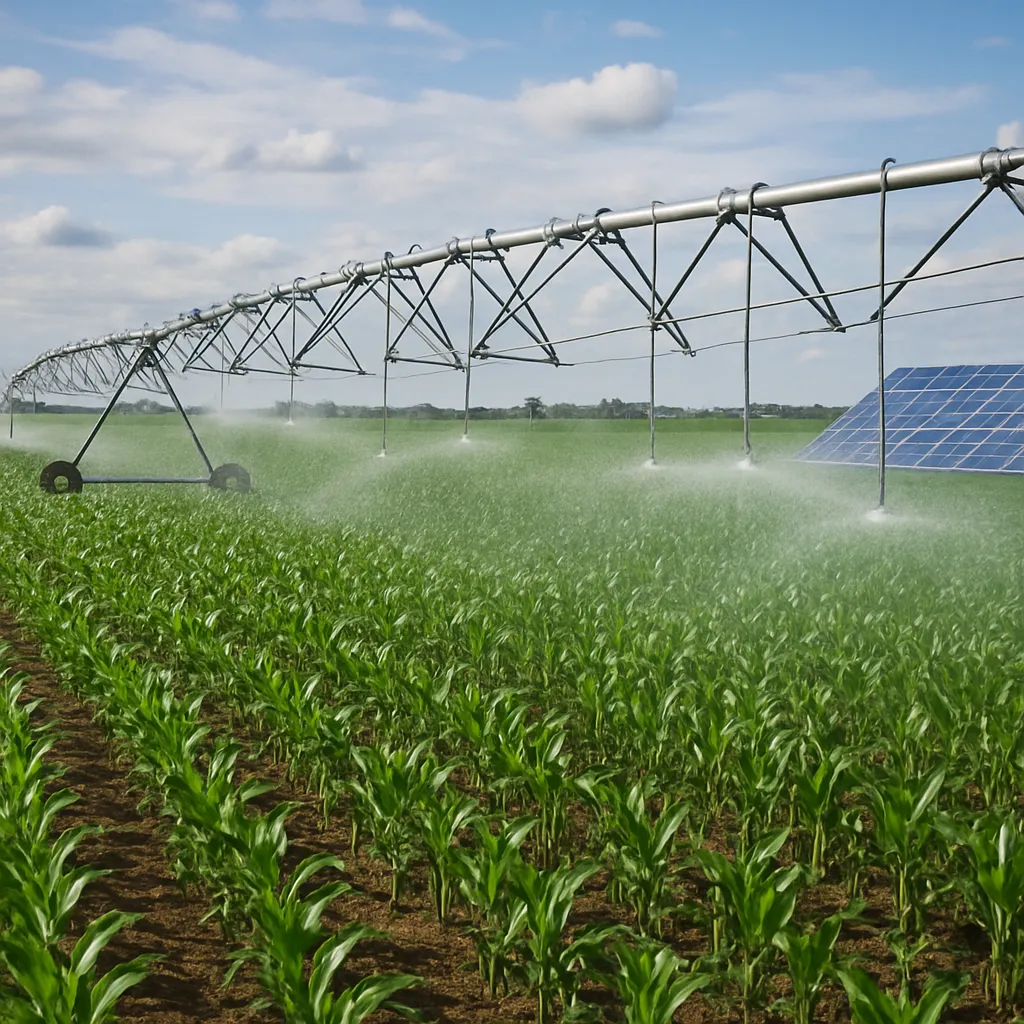
Freshwater is a critical resource for irrigation, yet it remains finite. Overextraction from rivers, lakes, and aquifers alters flow regimes and depletes groundwater reserves. The consequences include:
- Reduced stream flows, harming fish populations and riverine ecosystems.
- Desiccation of wetlands, which serve as nurseries for numerous species.
- Salinization of soils and waterways, diminishing agricultural productivity.
In some basins, irrigation return flows carry agrochemical residues—including pesticides and excess nutrients—into freshwater bodies. This leads to eutrophication, with algal blooms depleting oxygen and creating “dead zones.” Aquatic invertebrates and vertebrates suffer, and human communities dependent on fisheries face dwindling catches.
Soil Health, Degradation, and Carbon Cycling
Healthy soil is the cornerstone of productive farms and resilient landscapes. Unfortunately, erosion, nutrient depletion, and compaction plague many agricultural regions. When topsoil washes away or blows off, fields lose fertility and water-holding capacity. Key impacts include:
- Accelerated soil degradation, forcing farmers to clear more land to maintain yields.
- Disruption of soil microbial communities vital for nutrient cycling.
- Release of stored carbon, adding to atmospheric greenhouse gases.
Adopting conservation tillage and agroforestry can help replenish organic matter and sequester carbon. These strategies also support beneficial insects and earthworms, enhancing natural nutrient availability and reducing the need for synthetic fertilizers.
Deforestation, Emissions, and the Climate Connection
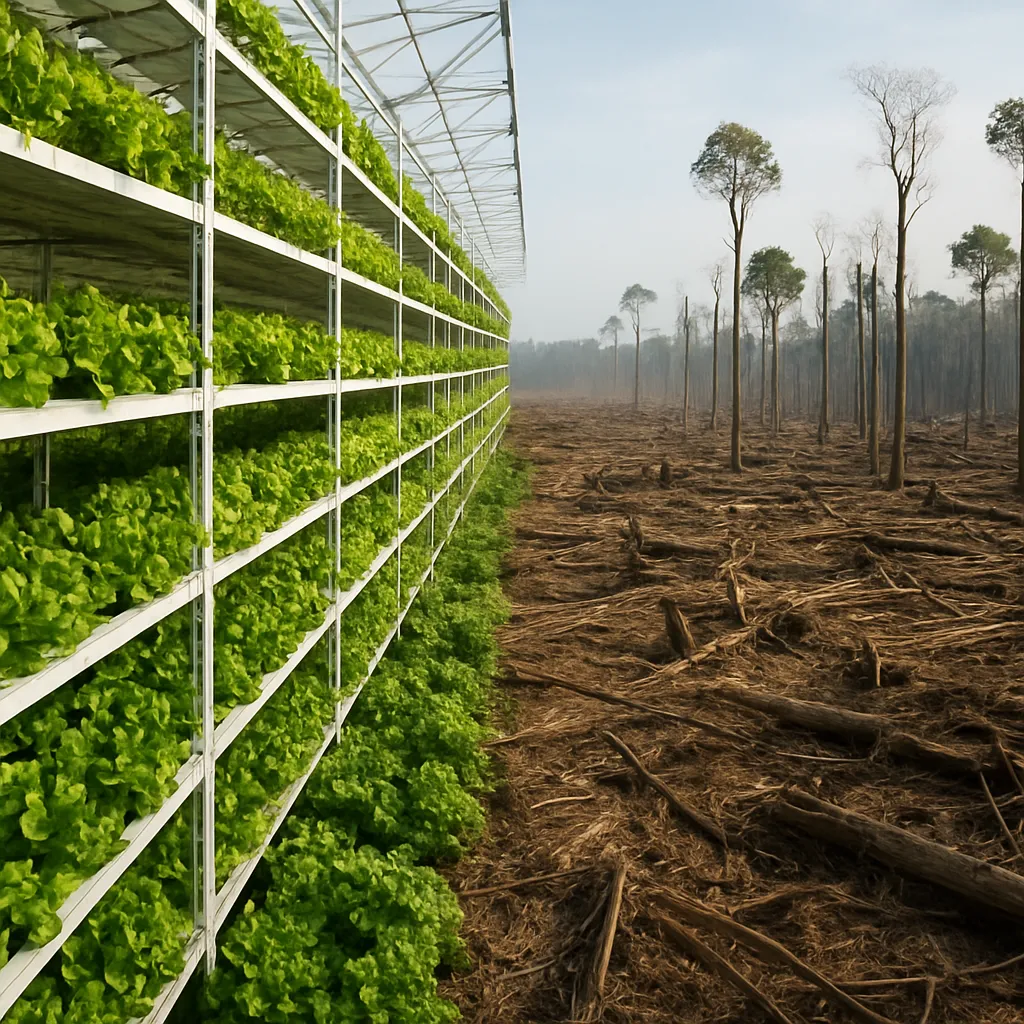
Expanding agricultural frontiers often comes at the expense of tropical forests, which are hotspots of both carbon storage and species richness. Deforestation for cattle ranching, soy cultivation, and palm oil plantations has tangible climate repercussions:
- Loss of canopy cover accelerates soil warming and degradation.
- Released carbon dioxide and methane intensify global warming.
- Modified precipitation patterns disrupt rainfall cycles downwind.
Moreover, livestock systems contribute significant methane emissions, a potent greenhouse gas. Efficient feed management and improved grazing practices can mitigate some of these outputs, but large-scale shifts toward alternative proteins may be necessary to meet climate targets.
Innovations in Sustainable Farming and Conservation Strategies
Groundbreaking approaches can reconcile high-yield food production with environmental stewardship. Key innovations include:
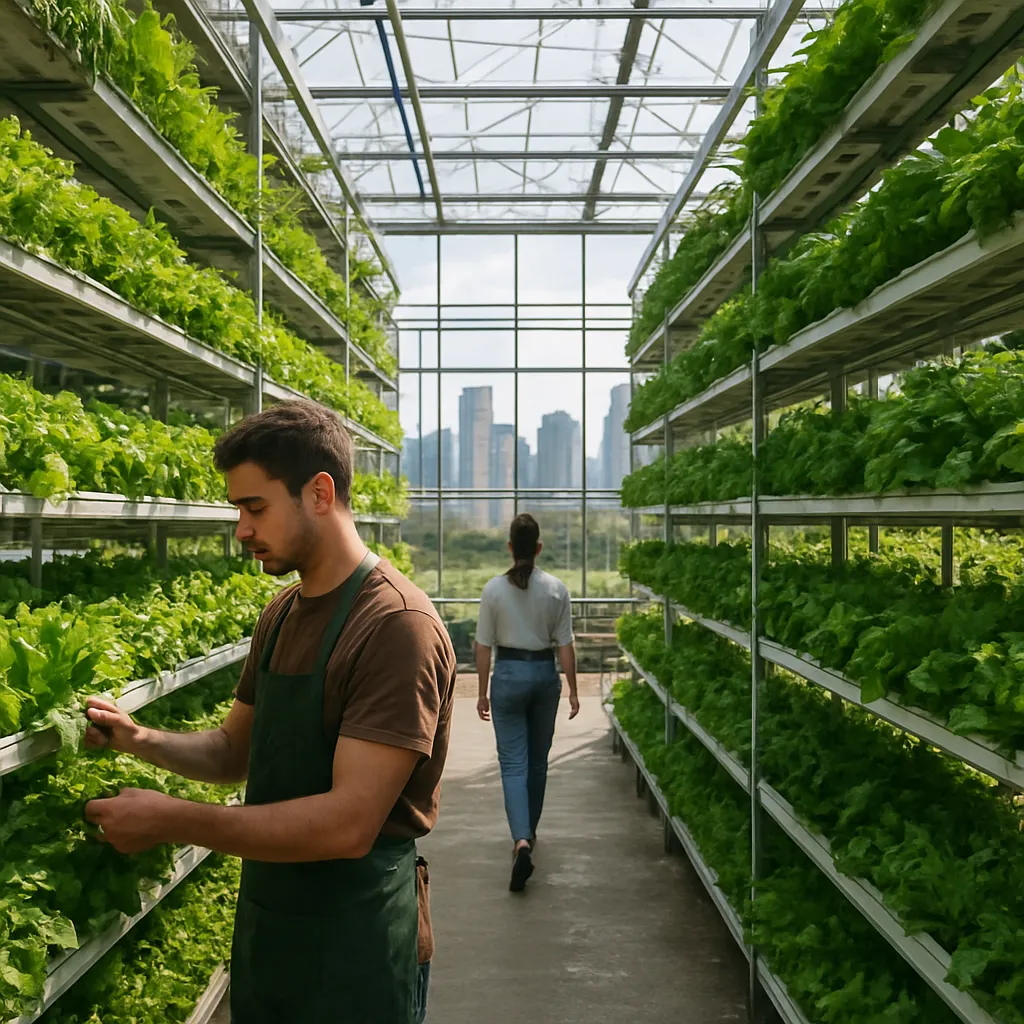
- Sustainable intensification: Boosting outputs on existing farmland via precision fertilization, integrated pest management, and robotics.
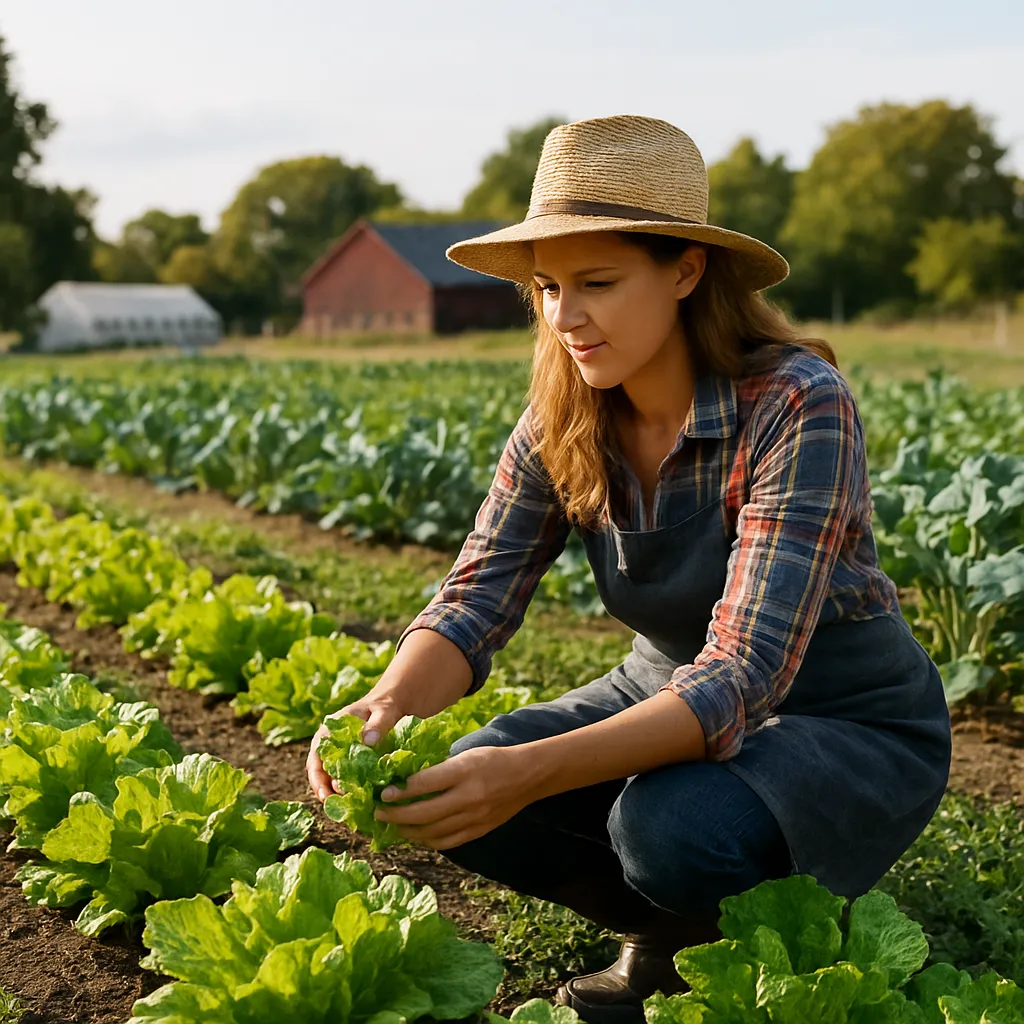
- Agroecology: Diversifying crop rotations and intercropping to mimic natural systems, reducing external inputs.
- Restoration agriculture: Planting food-bearing trees alongside annual crops to create multifunctional landscapes.
- Digital monitoring: Using satellite data and sensors to optimize water use and detect stress early.
Conservation corridors and protected areas ensure that pockets of wilderness remain interconnected, allowing species to migrate in response to climatic shifts. Payment schemes for ecosystem services reward farmers who maintain riparian buffers or preserve old-growth trees.
Socioeconomic Dimensions and Equity in Food Systems
Farmers, indigenous groups, and local communities hold traditional knowledge crucial for sustainable land stewardship. Yet, global supply chains and market pressures can undermine these practices, favoring large-scale, high-input operations. Achieving a just transition requires:
- Policies that support smallholders through microfinancing and technical assistance.
- Fair-trade certification and transparent sourcing to empower conscientious consumers.
- Participatory land-use planning that acknowledges customary rights and promotes equitable benefit sharing.
Strengthening local food webs reduces dependency on long-distance transport, cutting greenhouse gases and encouraging community resilience.
Adapting to Future Challenges in World Farms
Climate change, population growth, and resource constraints demand adaptive strategies. Scenario planning highlights several priority actions:
- Enhancing genetic diversity in crops to withstand droughts, pests, and diseases.
- Scaling up circular economy models: recycling organic waste, valorizing crop residues, and integrating livestock wastes into compost systems.
- Fostering interdisciplinary research networks to develop context-specific solutions.
In the face of uncertainty, collaboration among governments, NGOs, farmers, and the private sector is essential. By aligning innovations with ecological principles, humanity can cultivate a future where productive agriculture and thriving natural systems go hand in hand.