The intersection of celebration and cultivation finds its most vibrant expression in agricultural fairs and festivals around the world. These gatherings serve as living museums of farming heritage, hubs of innovation, and catalysts for social and economic growth. From time-honored livestock shows in the American Midwest to rice harvest celebrations in Southeast Asia, these events forge connections between producers, consumers, educators, and policymakers, shaping the future of agriculture in profound ways.
Roots in Tradition and Cultural Exchange
Agricultural fairs trace their origins to medieval Europe, where markets and exhibitions of livestock flourished under royal charters. Over centuries, these fairs evolved into regional spectacles that highlighted local breeds and crops, while fostering cultural exchange among neighboring communities. In many parts of the world, they remain deeply entwined with seasonal rhythms.
- Heritage preservation: Traditional crafts, folk music, and ancestral recipes are showcased through dedicated pavilions and live demonstrations.
- Intergenerational learning: Families pass down farming techniques at hands-on workshops, ensuring that knowledge travels from grandparents to grandchildren.
- Cross-cultural dialogue: International delegations and exchange programs bring diverse practices together, enriching local methods with global insights.
In rural locales of Latin America, for example, fiesta-style fairs celebrate the corn harvest with colorful parades, dance performances, and communal feasts. These gatherings underscore the spiritual and historical significance of staple crops—reminding attendees that modern sustainability builds upon ancient wisdom.
Showcasing Innovation and Sustainable Practices
As global challenges such as climate change and food security intensify, fairs and festivals have become crucial platforms for exhibiting cutting-edge solutions. Attendees explore rows of exhibits featuring precision technology, drought-resistant seeds, and eco-friendly machinery designed to minimize environmental footprints.
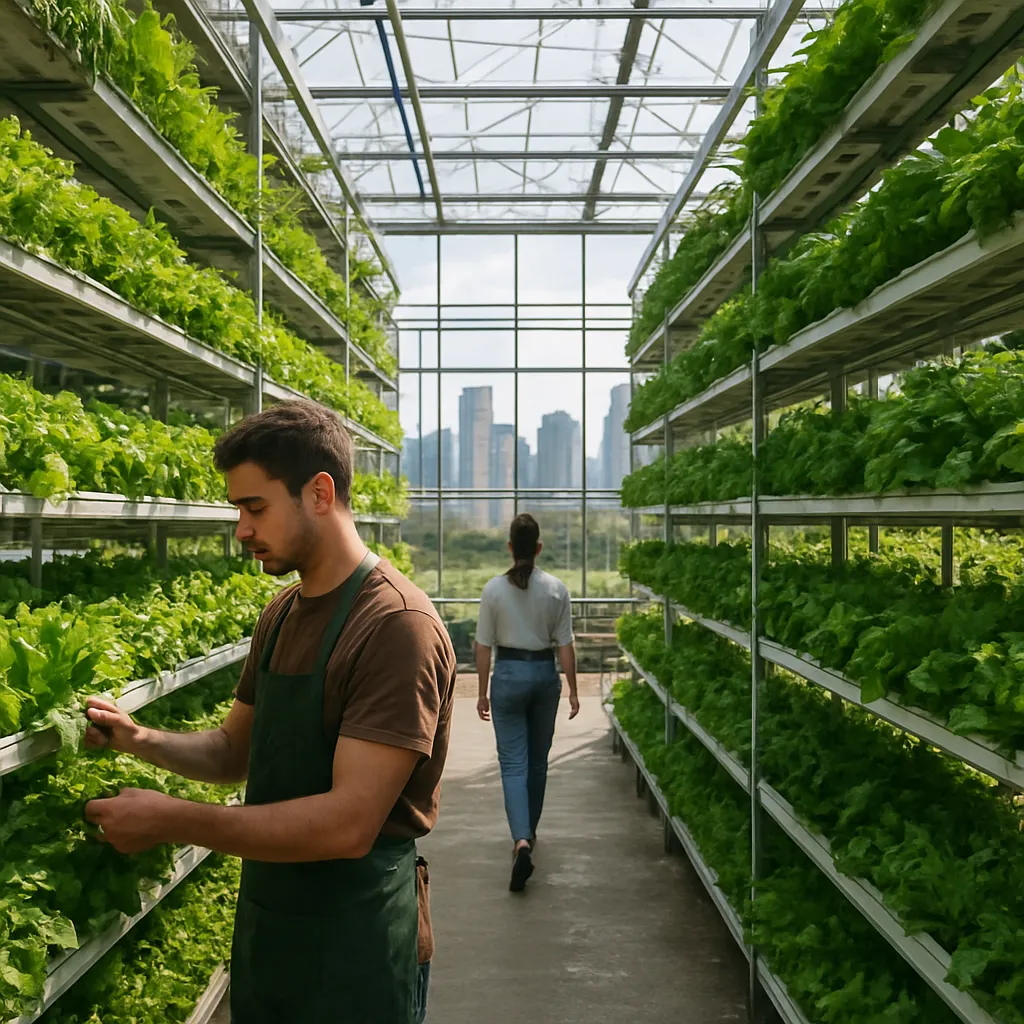
- Vertical farming showcases: Multi-tiered hydroponic units illustrate how urban districts can produce fresh greens year-round within limited spaces.
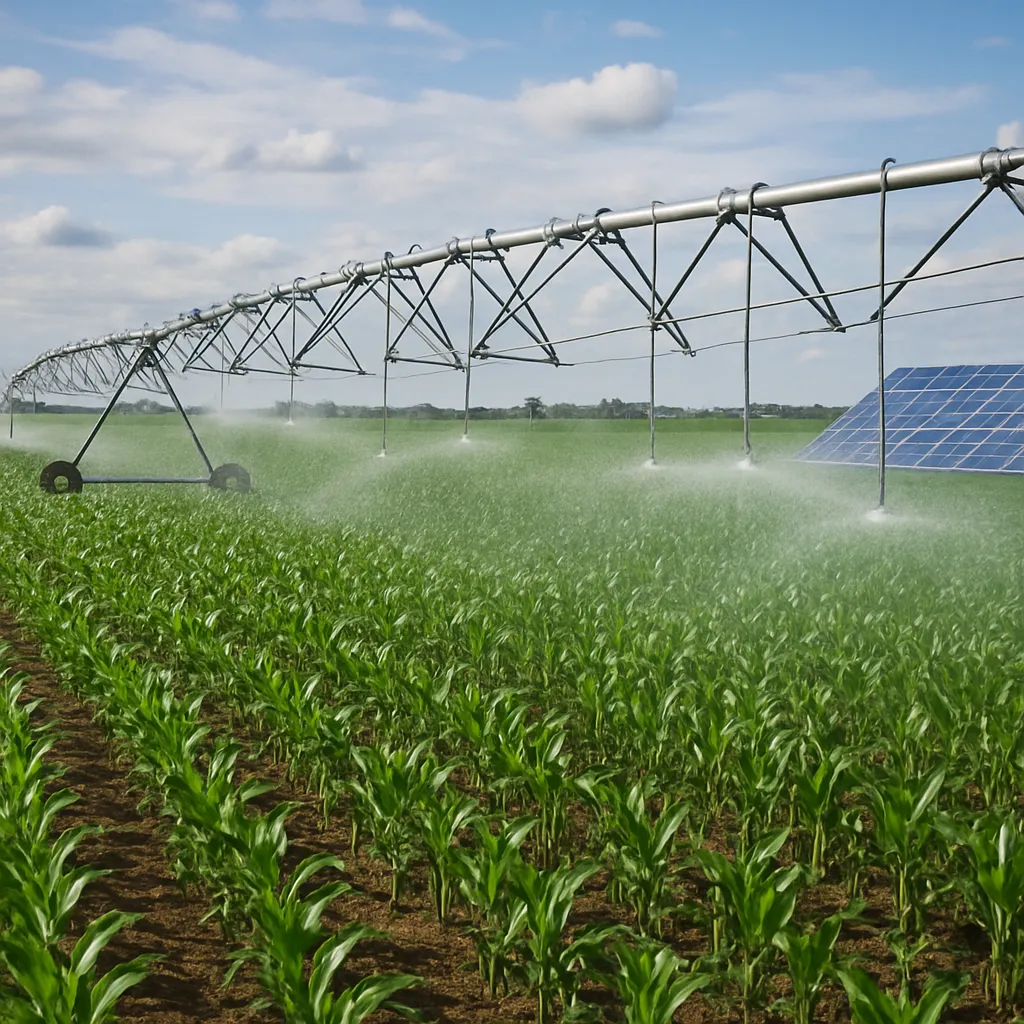
- Renewable energy demonstrations: Solar-powered irrigation pumps and biogas digesters highlight pathways toward off-grid sustainability.
- Smart agriculture forums: Panel discussions bring together AI developers, agronomists, and policy experts to debate the ethics and logistics of automated systems in rural settings.
Contests and awards for breakthrough inventions foster a spirit of competition that accelerates technological adoption. By awarding grants or startup capital to promising entrepreneurs, festivals not only entertain but channel investment into communities hungry for progress.
Economic Opportunities and Social Networks
Beyond the spectacle of exhibitions, fairs function as bustling marketplaces. Thousands of farmers, traders, and suppliers converge under tents to broker deals, exchange seed stock, or bid on rare cattle and equine breeds. This dynamic creates a vibrant community marketplace with impacts that ripple through regional economies.
- Seed and input bazaars: Local cooperatives sell heirloom varieties directly to smallholders, reducing dependency on large distributors.
- Tourism revenue: Visitors attracted by grand parades and live demonstrations boost lodging, dining, and artisanal crafts sales.
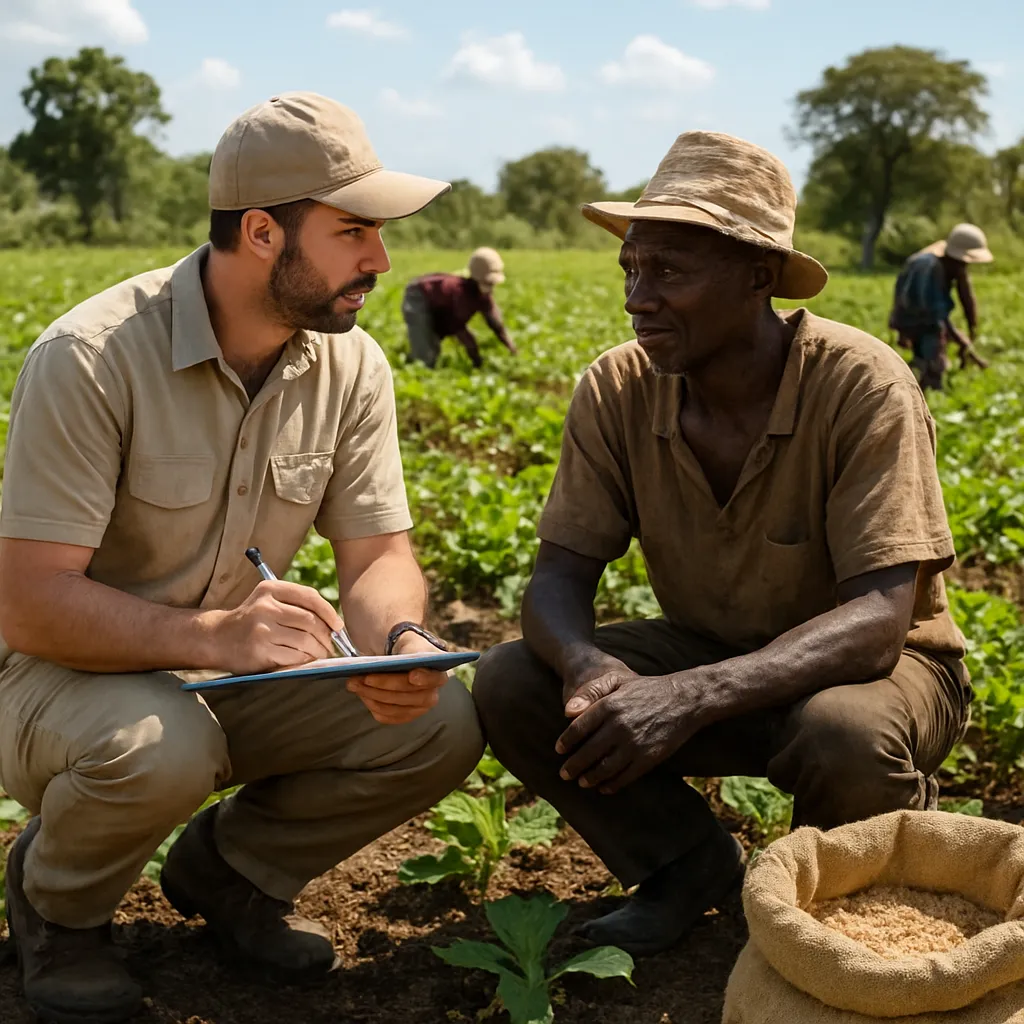
- Skill-building kiosks: Trainees in animal husbandry or organic certification gain hands-on exposure, translating into higher farm incomes.
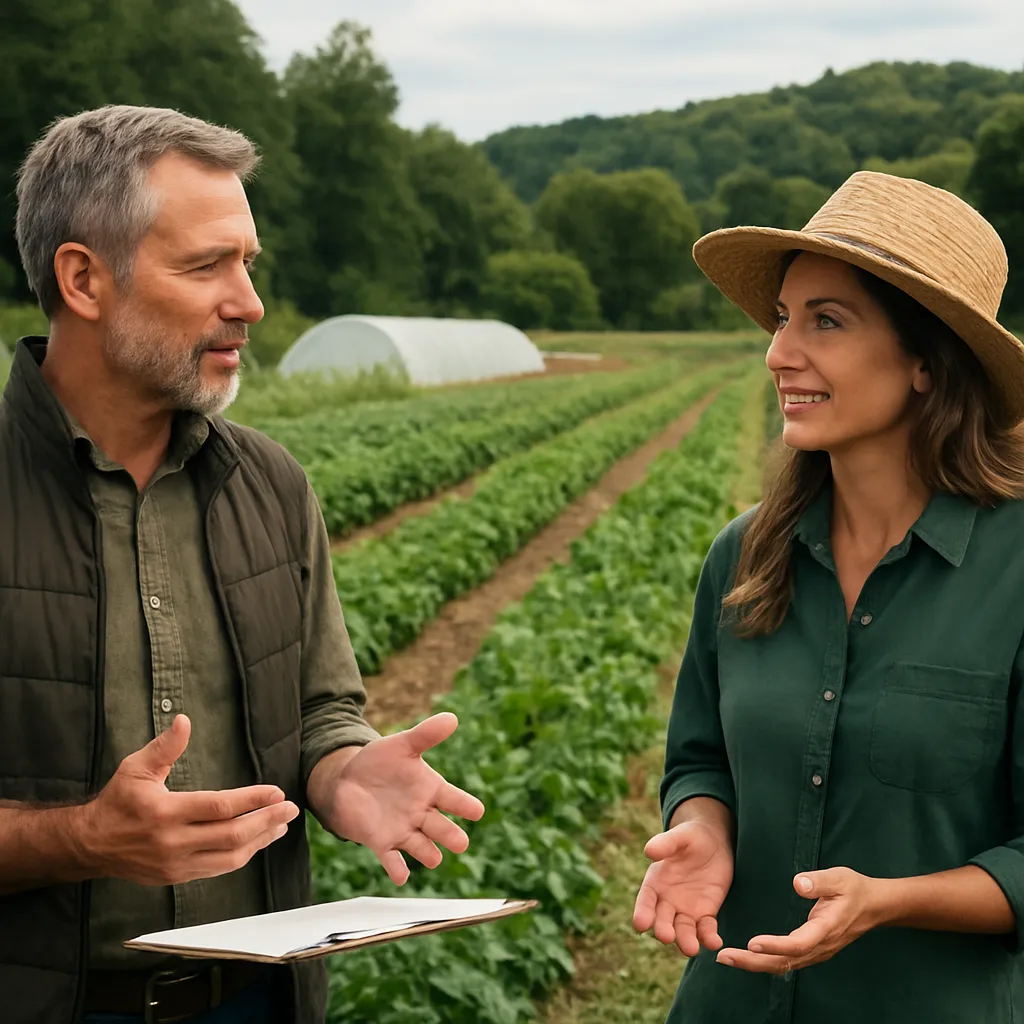
Networking at these events transcends simple commerce. Farmers meet extension officers who offer new guidelines on pest management; researchers recruit participants for field trials; and youth delegates form peer groups that sustain digital forums long after the festival ends. Such interactions lay the groundwork for collaborative initiatives that strengthen food systems.
Educational Engagement and Youth Empowerment
Engaging the next generation remains a cornerstone of agricultural celebrations. Youth-focused contests such as junior livestock judging, crop-planting rallies, and robotics competitions spark early interest in farm science and technology careers.
- Interactive workshops: Children practice grafting fruit trees, calibrating soil sensors, or programming drones for crop monitoring.
- Agripreneurship incubators: Teenagers pitch business plans before judges, learning valuable lessons in networking, marketing, and finance.
- Scholarship fairs: Universities and vocational schools recruit attendees, offering scholarships that underwrite formal training in agronomy or veterinary medicine.
These initiatives foster a sense of pride in rural roots while channeling creativity toward sustainable solutions. In many regions, young adults return home inspired to apply modern practices to family farms, bridging generational divides and ensuring the continuity of heritage alongside progress.
Global Exchange and Policy Influence
Large-scale festivals often attract national governments and international agencies keen to align grassroots efforts with broader development goals. Side events may include policy roundtables that tackle topics like fair trade agreements, climate resilience funding, and land tenure reforms.
- Multilateral partnerships: Representatives from organizations such as FAO or IFAD convene to pledge technical assistance and capacity-building programs.
- Trade missions: Delegations explore export opportunities for specialty crops, identifying value chains that open markets in foreign capitals.
- Advocacy platforms: Civil society groups use the fair’s visibility to raise awareness about rural health, gender equity, and child labor issues.
By integrating policy discourse into the celebratory atmosphere, these festivals help translate local voices into global initiatives—ensuring that farmer-driven priorities shape international agendas on economic development and environmental stewardship.
Challenges and Future Directions
Despite their multifaceted benefits, agricultural fairs face mounting challenges. Climate-driven disruptions can compromise the timing of seasonal events. Resource constraints in developing regions limit infrastructure, and global health concerns may curtail large gatherings. Addressing these obstacles demands creative resilience.
- Digital hybrids: Virtual exhibits and livestreamed workshops supplement in-person attendance, expanding reach while reducing carbon footprints.
- Micro-fairs: Village-level mini festivals enable hyper-local exchange, ensuring that smallholders remain engaged despite travel barriers.
- Collaborative funding models: Public–private partnerships underwrite necessary upgrades in exhibition facilities, sanitation, and logistics.
Looking ahead, the evolution of these festivals will hinge on maintaining a balance between tradition and modernity. Investing in interactive digital tools must complement, rather than displace, the tactile experiences that define rural cultural expression. By doing so, agricultural fairs will continue to unite education, commerce, and celebration—driving sustainable progress across global farming communities.