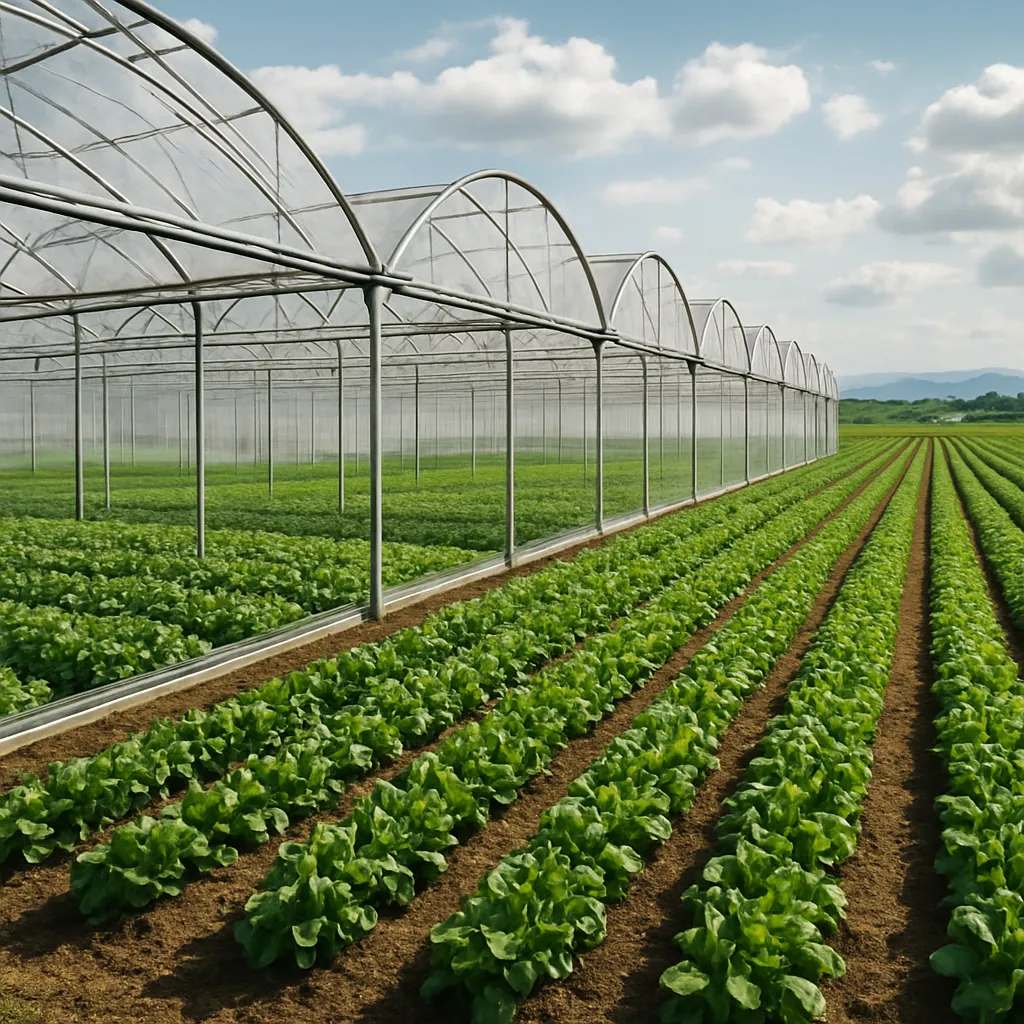
The Growing Popularity of Hydroponic Farming Systems Worldwide has captured the attention of agricultural professionals, urban planners, and environmentalists alike. As traditional arable land becomes increasingly scarce and climate change intensifies the unpredictability of weather patterns, the demand for controlled-environment agriculture is soaring. This article explores the fundamental principles, cutting-edge innovations, and global trends driving the rapid adoption of hydroponic farming methods, demonstrating how these systems are reshaping the future of food production on every continent.
Understanding the Principles of Hydroponic Farming
At its core, hydroponic cultivation replaces soil with an inert growing medium—such as coconut coir, perlite, or rock wool—and delivers a precisely formulated nutrient solution directly to plant roots. This soilless approach allows for unparalleled control over key variables, including pH levels, electrical conductivity, and the concentration of essential nutrients. By eliminating the need for soil, farmers can prevent issues like soil-borne diseases, nutrient imbalances, and soil erosion, while enabling year-round production in greenhouse or indoor environments.
Hydroponic systems typically fall into several categories, each optimized for different crop types and space constraints:
- Deep Water Culture (DWC): Plants are suspended in nutrient-rich water, providing constant efficiency in nutrient uptake.
- Nutrient Film Technique (NFT): A thin film of solution flows over the roots, enabling rapid gas exchange and preventing water stagnation.
- Aeroponics: Fine misting delivers nutrients directly to roots, maximizing oxygen availability and promoting vigorous growth.
- Drip Systems: Nutrient solution is dripped onto the root zone at regular intervals, balancing water use and root aeration.
These methods harness scientific understanding to accelerate growth cycles, often reducing time to harvest by up to 50% compared to conventional soil systems. Controlled lighting, temperature and humidity further refine environmental conditions, allowing producers to tailor growth regimes for specific cultivars.
Innovations and Technological Advances
The integration of advanced technology has been a driving force behind the surge in hydroponic adoption. Modern facilities are increasingly equipped with automated monitoring systems that track variables such as nutrient concentration, water temperature, and ambient light levels. Real-time data feeds into centralized control platforms, enabling operators to make instantaneous adjustments and minimize resource waste.
Artificial intelligence and machine learning algorithms are now being deployed to analyze vast datasets, predict plant health issues, and recommend optimum nutrient blends. Robotics handle routine tasks—from seed planting to harvesting—boosting labor efficiency and ensuring consistency across production cycles. LED lighting systems, tuned to deliver specific light spectra, enhance photosynthetic activity and allow growers to mimic seasonal light patterns irrespective of external weather.
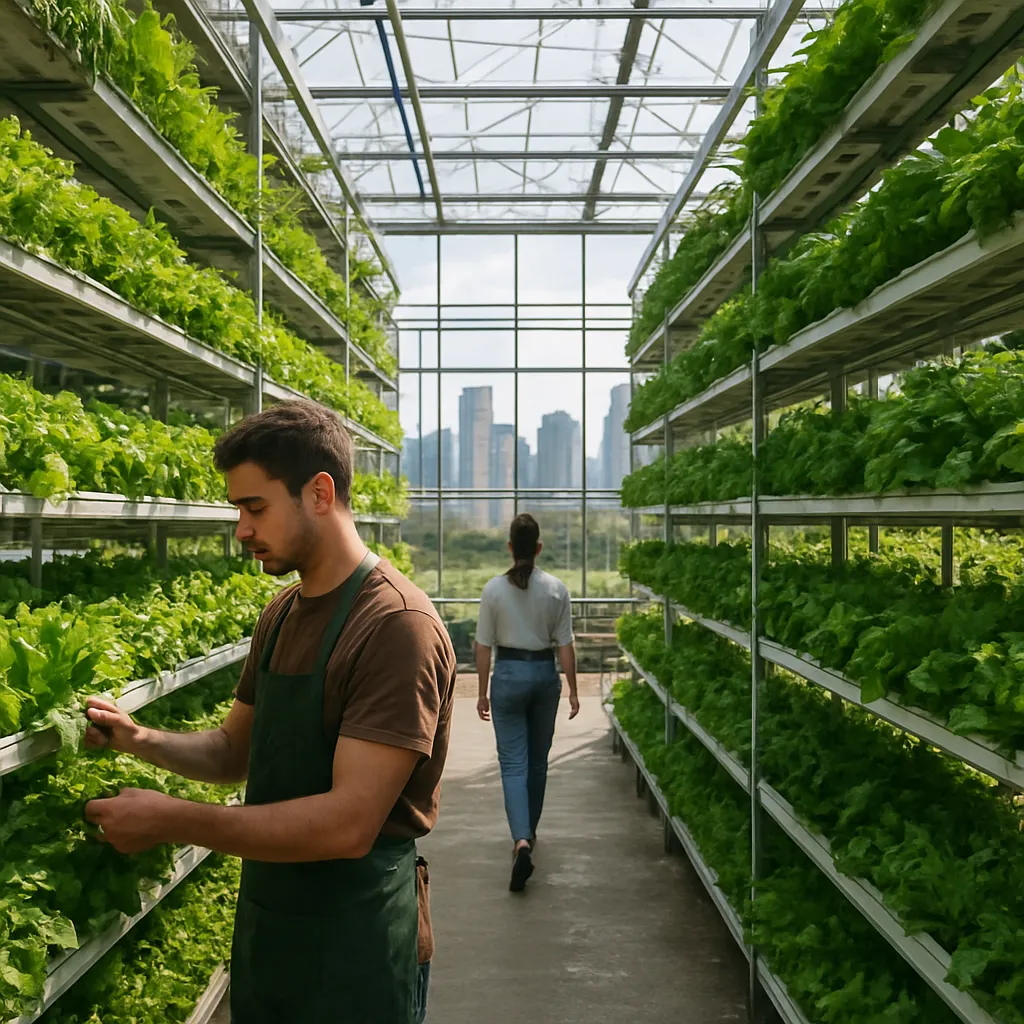
Furthermore, innovations in modular design have made it possible to scale hydroponic installations from backyard kits to multi-acre vertical farms. Stackable racks, mobile grow carts and containerized units enable deployment in urban rooftops, abandoned warehouses, and remote locations, democratizing access to fresh produce. Advances in nutrient recirculation and filtration also contribute to near-zero discharge facilities, reinforcing the sustainability credentials of hydroponic enterprises.
Environmental and Economic Benefits
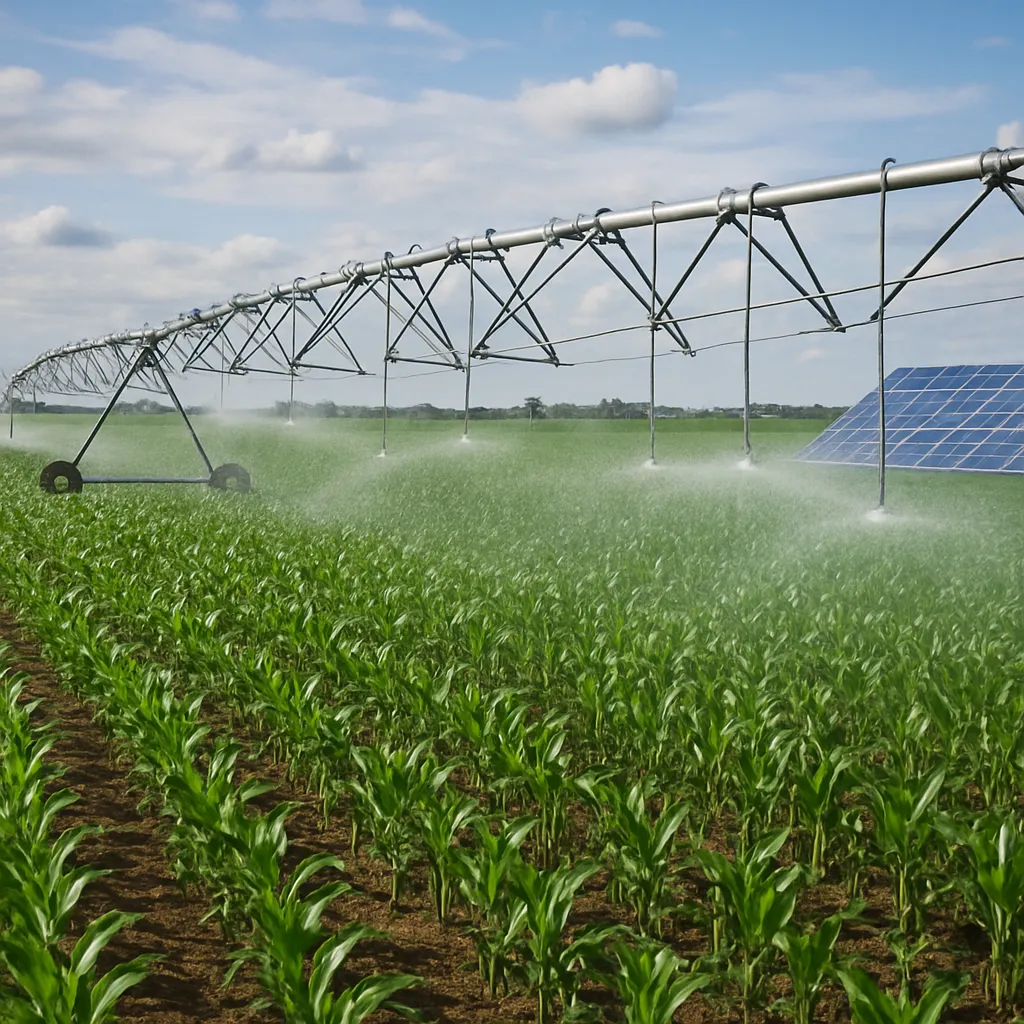
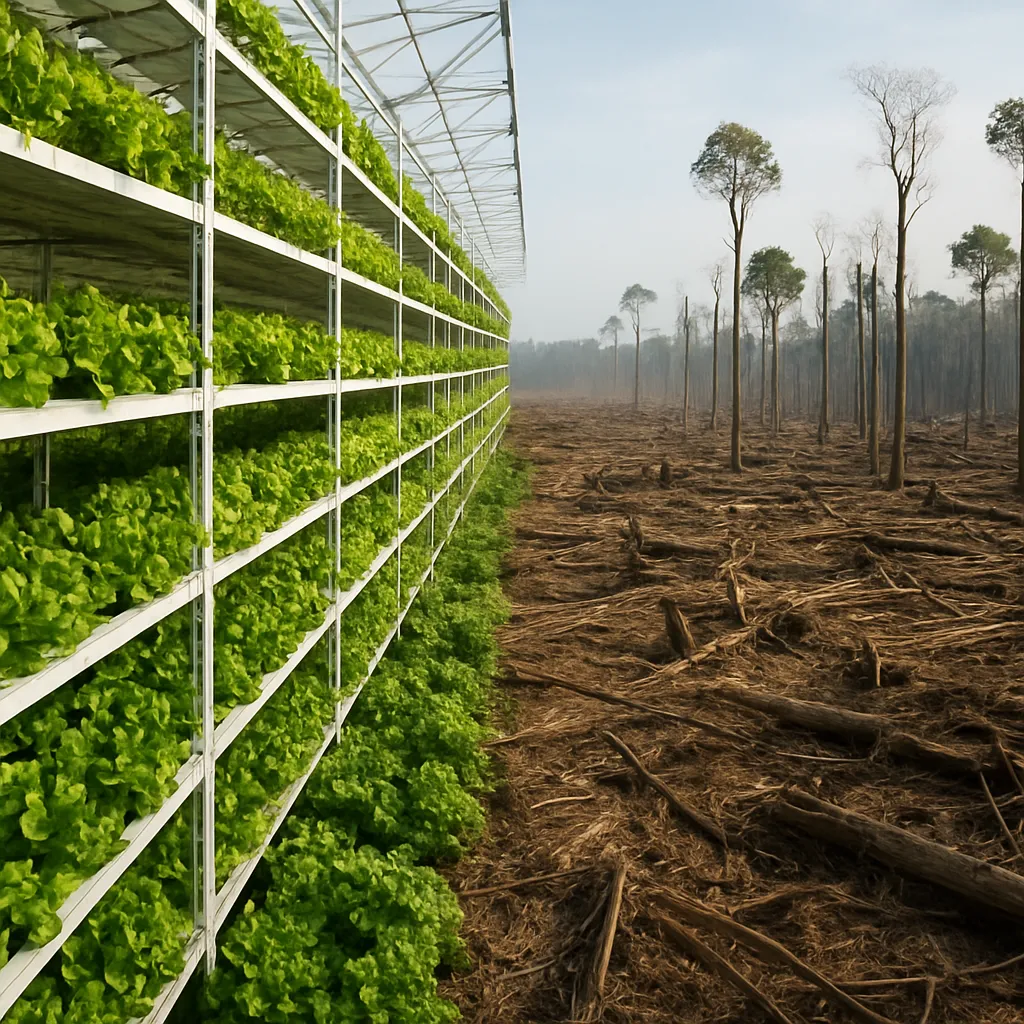
One of the most compelling arguments for hydroponic systems is their potential to deliver high yields while conserving critical resources. By recycling water within closed-loop circuits, hydroponic farms can achieve up to 90% savings in water use compared with field agriculture. Precision delivery of nutrients virtually eliminates runoff and leaching, protecting fragile ecosystems and reducing the need for chemical runoff mitigation.
From an economic standpoint, the consistent output and reduced crop failure rates translate into predictable revenue streams—vital for investors and farmers alike. Controlled environments also slash pesticide requirements, lowering production costs and offering consumers cleaner, chemical-free produce. In regions facing extreme weather or poor soil quality, hydroponics presents an attractive investment opportunity, unlocking arable potential where traditional methods falter.
- Water conservation is maximized through recirculation systems.
- Pesticide and herbicide use is minimized, improving food safety.
- Year-round production maintains steady market supply and pricing.
- Urban micro-farms reduce supply chain length, cutting transportation emissions.
Global Adoption: Success Stories and Case Studies
Across the globe, governments and private enterprises are embracing hydroponic models to bolster food security and support sustainable development goals. In Japan, densely packed vertical farms supply local supermarkets with lettuce, strawberries and herbs, using stacked layers under LED arrays to maximize yield per square meter. Singapore, constrained by limited land area, has implemented rooftop hydroponic parks to produce leafy greens for its urban population.
European nations, from the Netherlands to Italy, boast some of the most advanced greenhouse operations. The Dutch greenhouse sector integrates hydroponic techniques with renewable energy sources, such as geothermal heating and solar panels, achieving one of the lowest carbon footprints per kilogram of produce worldwide. In North America, large-scale indoor farms in California, Texas and Canada are diversifying into high-value crops like medicinal herbs, microgreens and exotic vegetables.
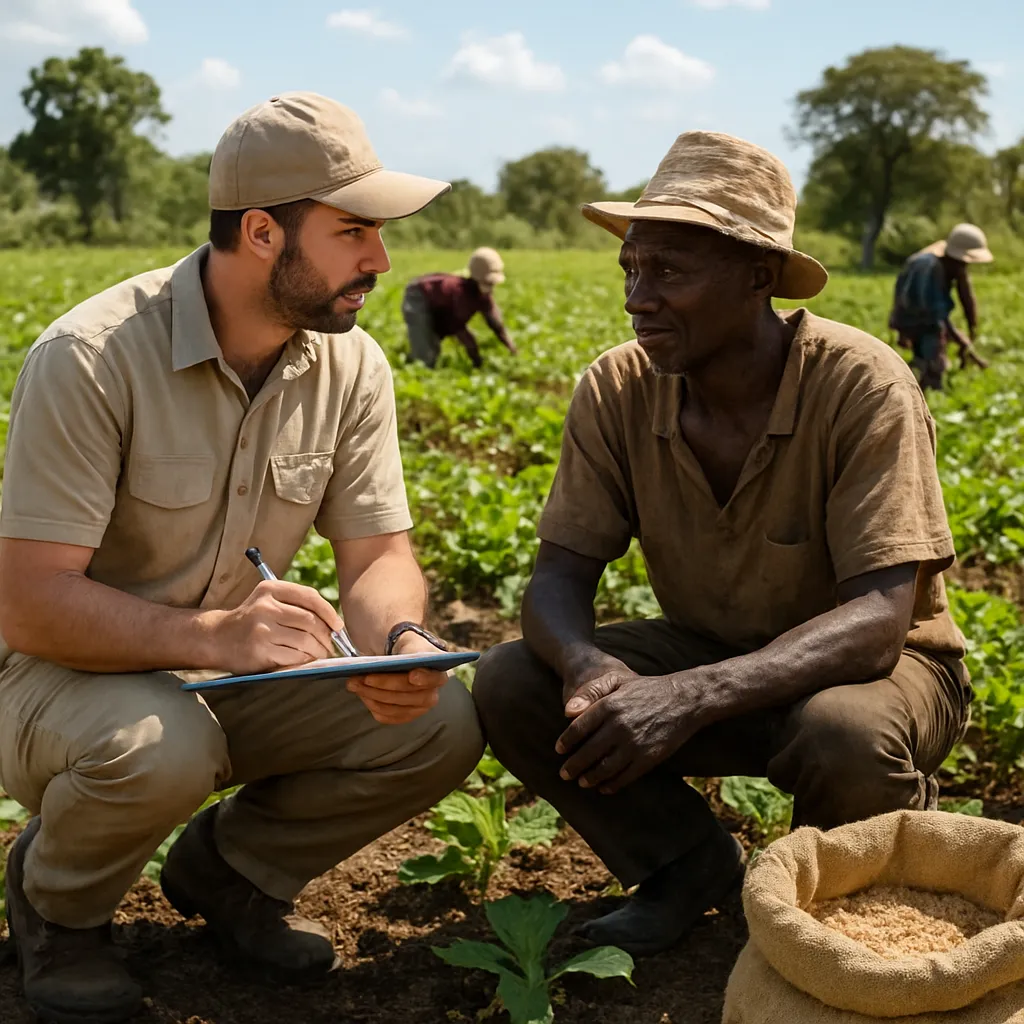
African pilot projects in Kenya and South Africa leverage hydroponics to empower smallholder farmers in arid regions. By employing drip and trickle systems, communities can cultivate tomatoes, peppers and cucumbers without relying on erratic rainfall. These initiatives often include training programs, spurring local entrepreneurship and improving nutritional outcomes.
Challenges and Future Directions
Despite its promise, hydroponic agriculture faces obstacles that must be addressed to ensure widespread adoption. High initial capital expenditures for infrastructure, lighting and environmental control systems can deter small-scale farmers. Energy consumption—especially in indoor vertical farms—remains a concern, underscoring the need for integration with renewable power sources.
Standardization of best practices presents another hurdle. With myriad system designs and nutrient formulations on the market, inexperienced operators risk inefficiencies or crop failures. Efforts are underway to develop global certification standards and training curricula that will equip a new generation of growers with the skills necessary to optimize automation and environmental controls.
Looking ahead, research into alternative nutrient sources—such as organic hydrolysates or algae-based solutions—could bolster the sustainability profile of hydroponic systems. Advances in sensor technology and wireless networking promise ever finer control over plant microclimates, while novel substrates and root-zone engineering may further increase efficiency and resource recovery.
As the world grapples with population growth, urbanization and dwindling freshwater reserves, the case for hydroponic innovation strengthens. By merging agricultural tradition with cutting-edge science, hydroponic farming stands poised to deliver resilient food systems that can adapt to evolving global challenges.