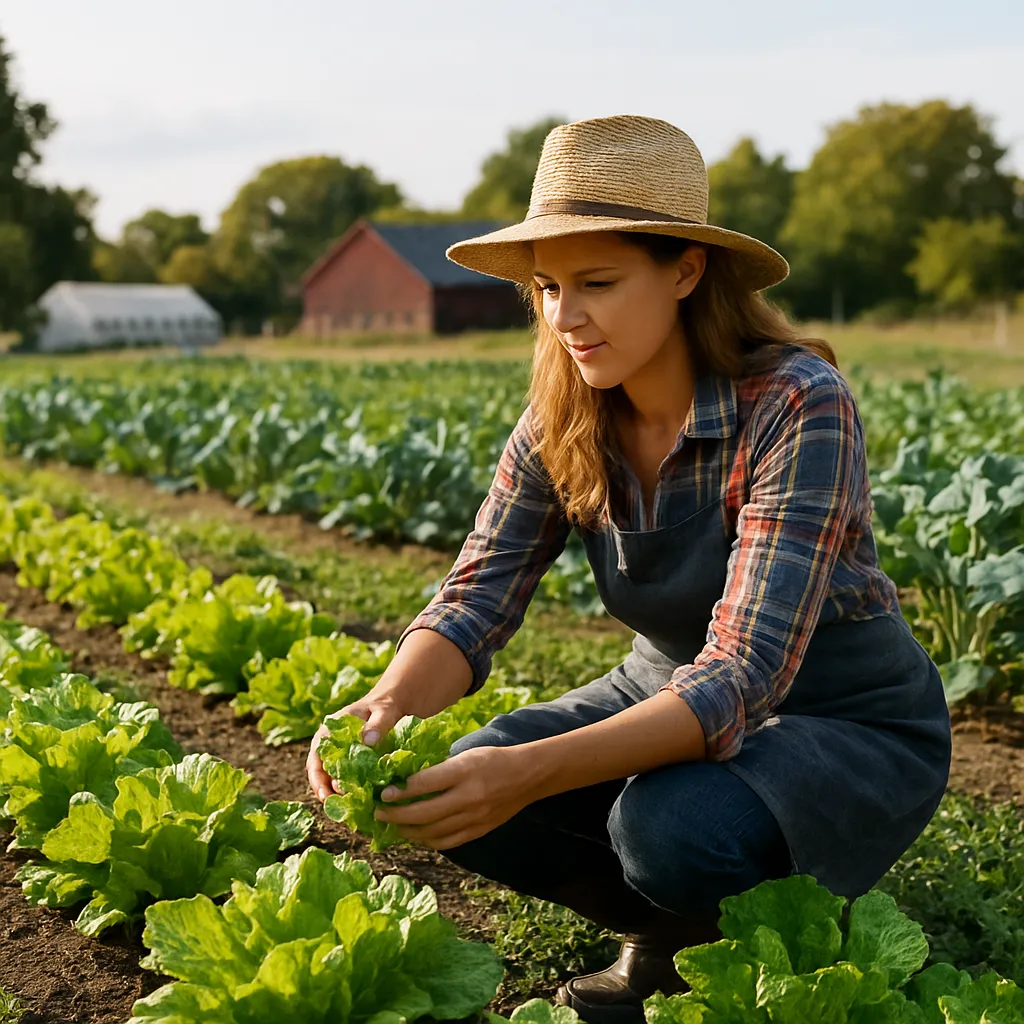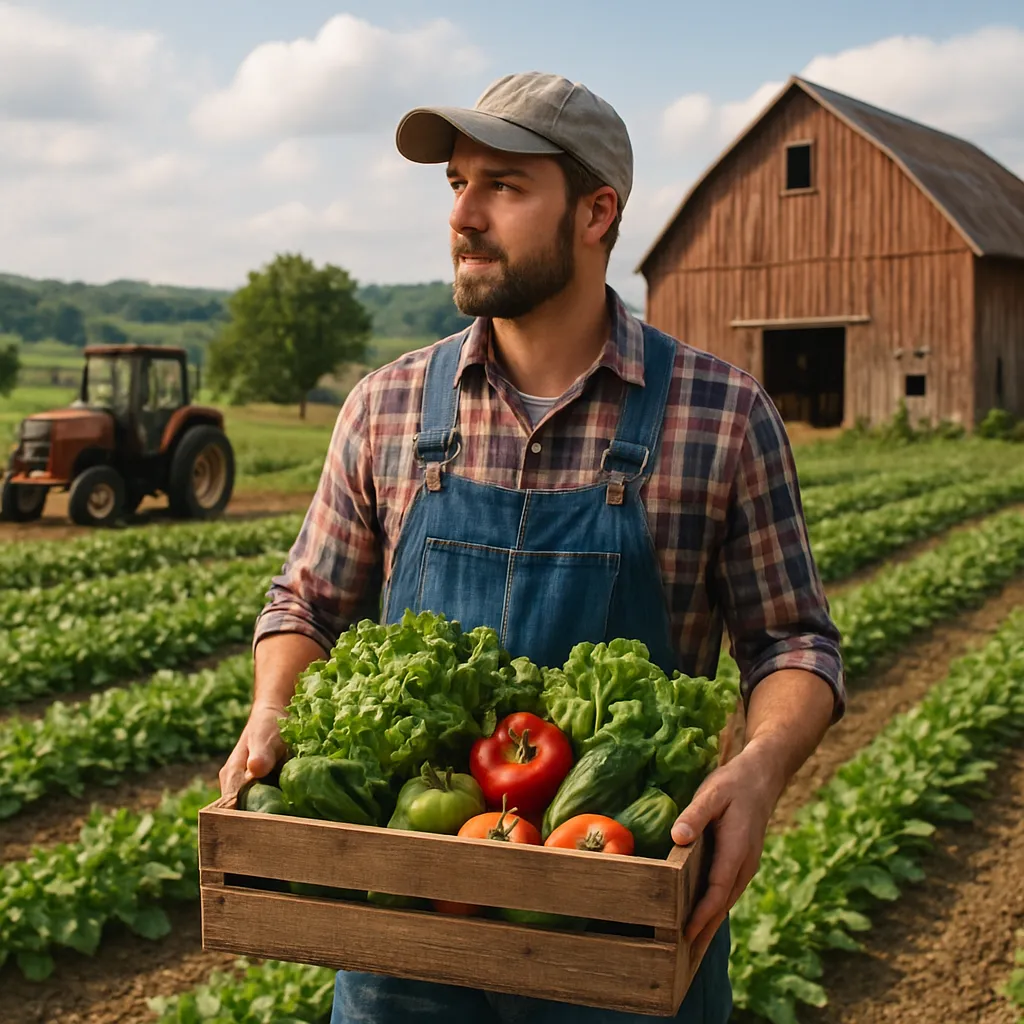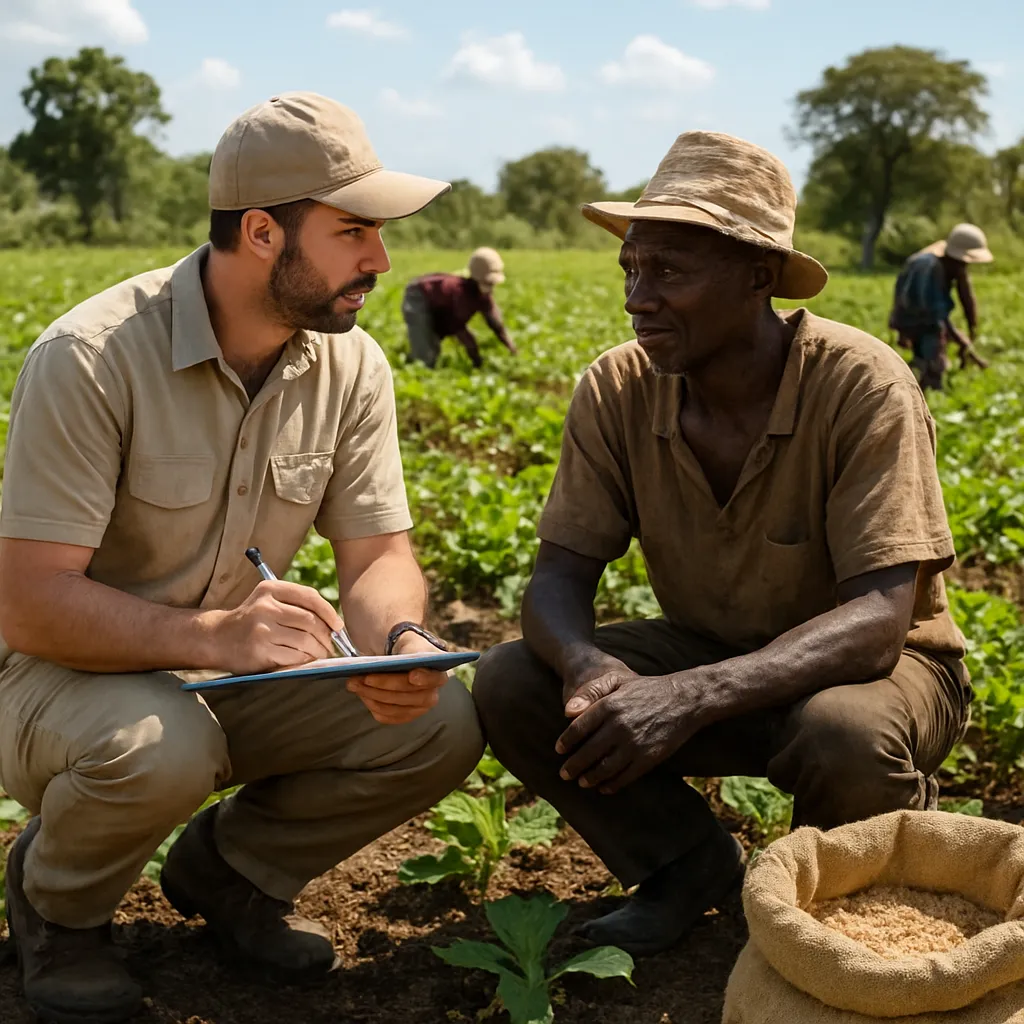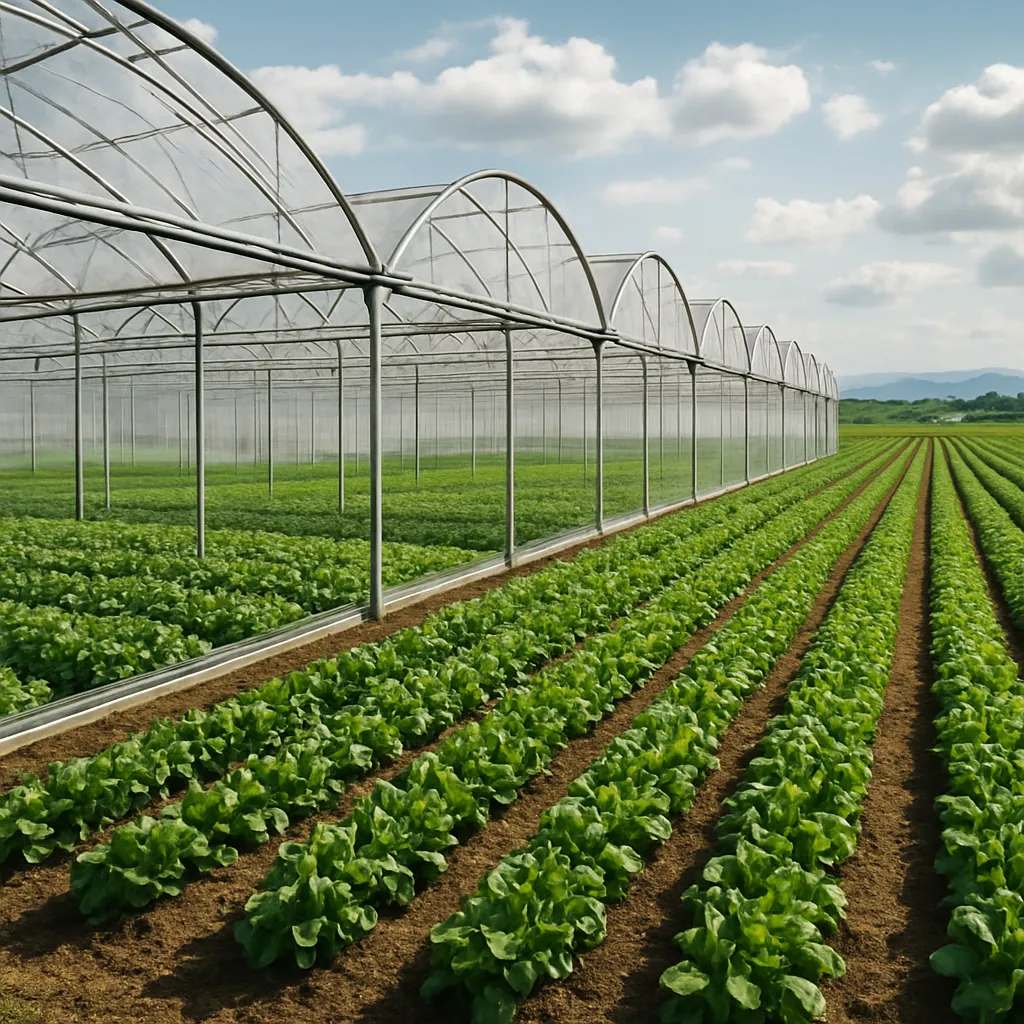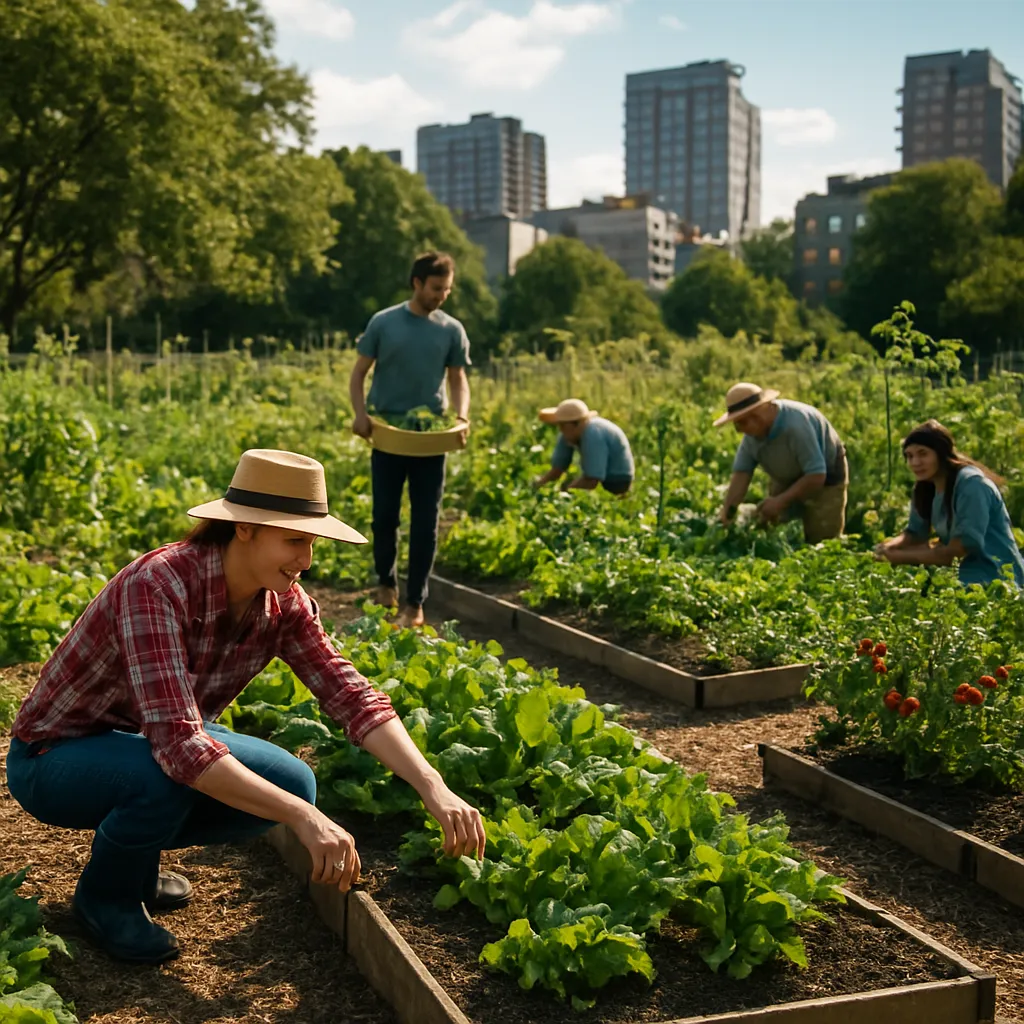
The Growing Popularity of Community Gardens serves as a testament to how urban landscapes are being transformed by green initiatives. Across continents, neighborhoods are reclaiming vacant lots, rooftops, and small courtyards to cultivate fresh produce, connect with neighbors, and foster a sense of purpose. Far from mere hobby plots, these garden spaces are shaping the future of urban farming by addressing critical challenges in food distribution, social equity, and ecological balance.
Impact on Food Security and Nutrition
As global populations flock to cities, traditional agricultural systems strain under increased demand. Community gardens offer a localized solution that enhances food security by producing vegetables, herbs, and fruits within walking distance of urban consumers. By reducing dependence on lengthy supply chains, city dwellers gain access to fresher, more nutritious options at lower cost.
- In many metropolitan areas, urban plots deliver 20–30% of a neighborhood’s fresh produce needs, cutting food miles and transport emissions.
- Homegrown harvests often contain higher levels of vitamins A and C, bolstering overall nutrition in communities with limited supermarket access.
- Seasonal planting calendars educate participants on crop cycles, pest management, and soil health, empowering them with valuable agricultural skills.
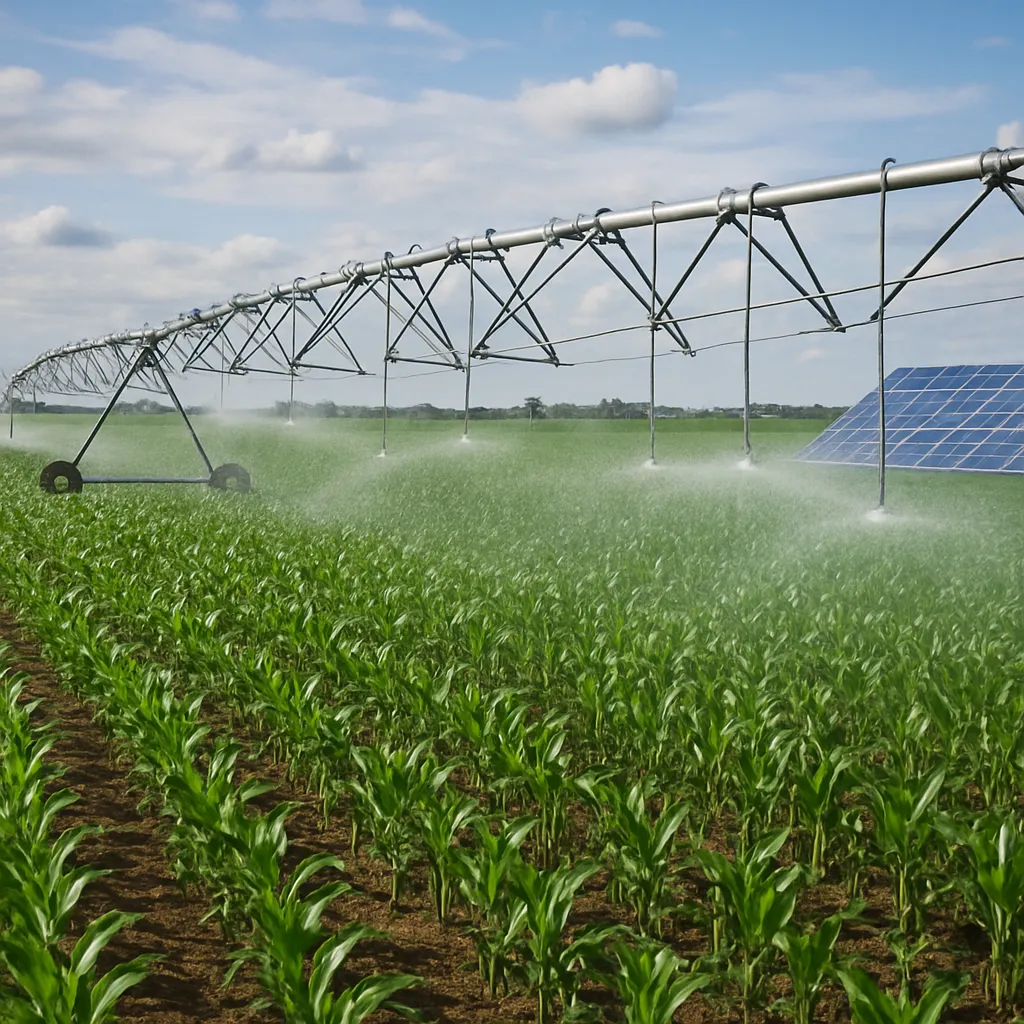
Moreover, these spaces frequently serve as demonstration sites for sustainable techniques like rainwater harvesting, composting, and integrated pest management. Such practices not only boost yield but also instill a conservation mindset among urban residents.
Social Cohesion and Environmental Stewardship
Building Community Bonds
Beyond harvest tables, gardens become vibrant social hubs where participants share tools, seeds, and expertise. Working side by side, neighbors forge relationships that transcend cultural and socioeconomic divides. This social cohesion reduces feelings of isolation and strengthens collective problem-solving abilities.
- Regular events—seed swaps, potlucks, and gardening workshops—encourage intergenerational learning, with elders passing on traditional knowledge.
- Youth involvement in garden clubs fosters environmental awareness from a young age, shaping future advocates of green urbanism.
Championing Environmental Stewardship
Urban gardens act as living laboratories for environmental stewardship. They demonstrate how small-scale cultivation can foster biodiversity and promote sustainability in dense cityscapes.
- Pollinator-friendly plantings support bees, butterflies, and other beneficial insects essential for healthy ecosystems.
- Shade trees and green walls reduce urban heat islands, mitigating local temperature spikes during summer months.
- Permeable garden beds improve stormwater management, alleviating pressure on municipal drainage systems.
By championing native species and organic methods, these initiatives enhance urban resilience and offer refugees, migrants, and low-income families a platform for reconnecting with nature.
Economic Implications and Local Development
Community gardens do more than beautify neighborhoods; they catalyze economic development at the grassroots level. Micro-enterprises often sprout from these fertile plots, generating income and job opportunities in underserved areas.
- Small-scale farmers’ markets supply fresh produce directly to consumers, reducing retail markups and increasing local spending.
- Value-added products—jams, sauces, herbal teas—emerge from surplus yields, transforming community gardeners into budding entrepreneurs.
- Training programs in urban agriculture equip participants with marketable skills in horticulture, marketing, and business management.
Investments in garden infrastructure—raised beds, tool libraries, and irrigation systems—can yield high social returns. Municipalities partnering with nonprofits witness declines in vandalism and drug-related activities as public spaces are revitalized through green design.
Challenges and Future Prospects
Despite remarkable growth, community gardening faces hurdles that require strategic planning and policy support. Securing long-term land tenure remains a persistent obstacle, as rising property values often threaten to displace green spaces in favor of commercial developments.
- Tenure insecurity discourages investments in perennial crops and infrastructure upgrades, limiting garden productivity.
- Pesticide regulations, water restrictions, and zoning laws can complicate urban agriculture efforts, necessitating clear guidelines and advocacy.
- Equitable access is essential: marginalized groups—people of color, low-income residents, seniors—must be actively included in planning and governance.
Looking ahead, innovative models are emerging to strengthen the impact of community gardens:
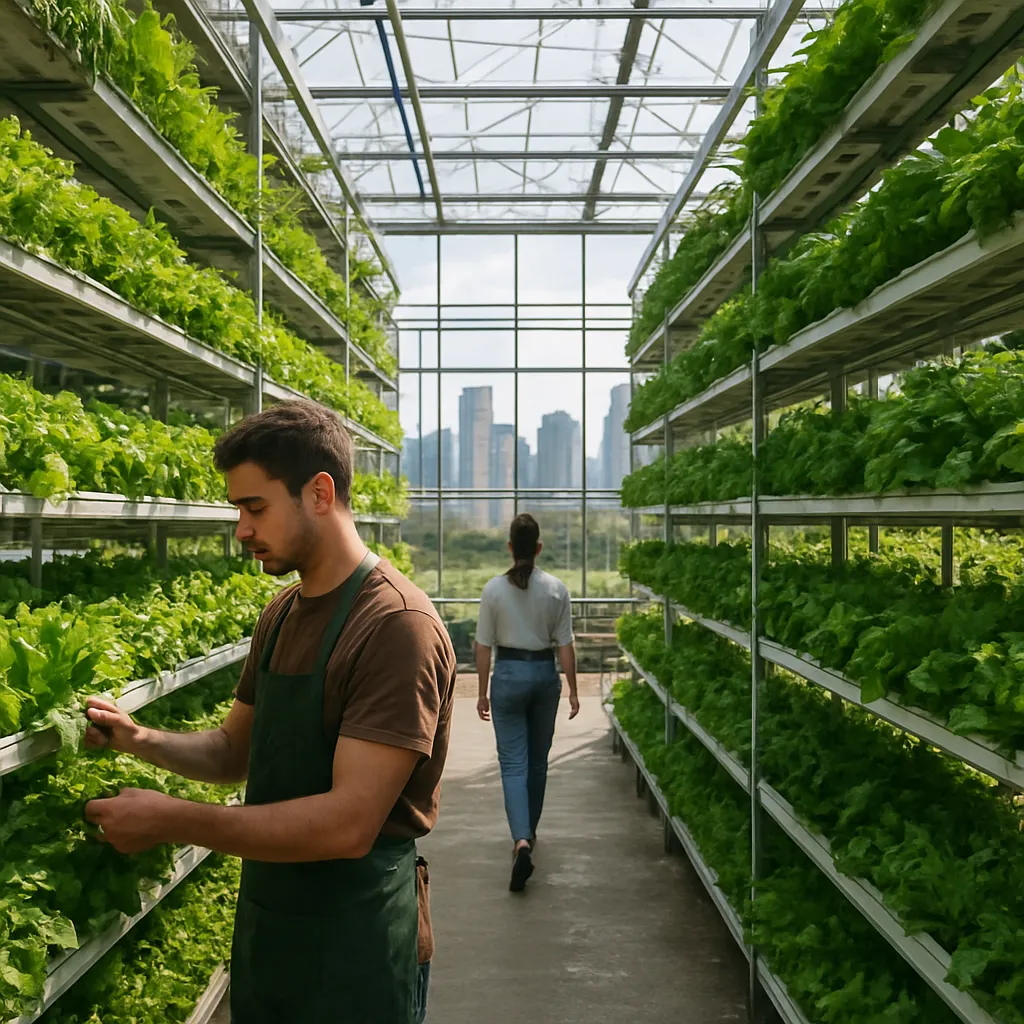
- Public–private partnerships unlock funding for rooftop farms and vertical gardens in high-density districts.
- Technology integration—smart sensors, data analytics, and mobile apps—optimizes resource use and tracks environmental metrics in real time.
- Educational collaborations with schools, universities, and research centers foster cross-disciplinary studies on urban ecology, public health, and climate adaptation.
By addressing these challenges, community gardens can scale their contributions to global goals such as zero hunger, sustainable cities, and climate action. As they continue to reshape the concrete jungles of tomorrow, these verdant oases will remain at the forefront of innovative solutions for a healthier, more equitable world.